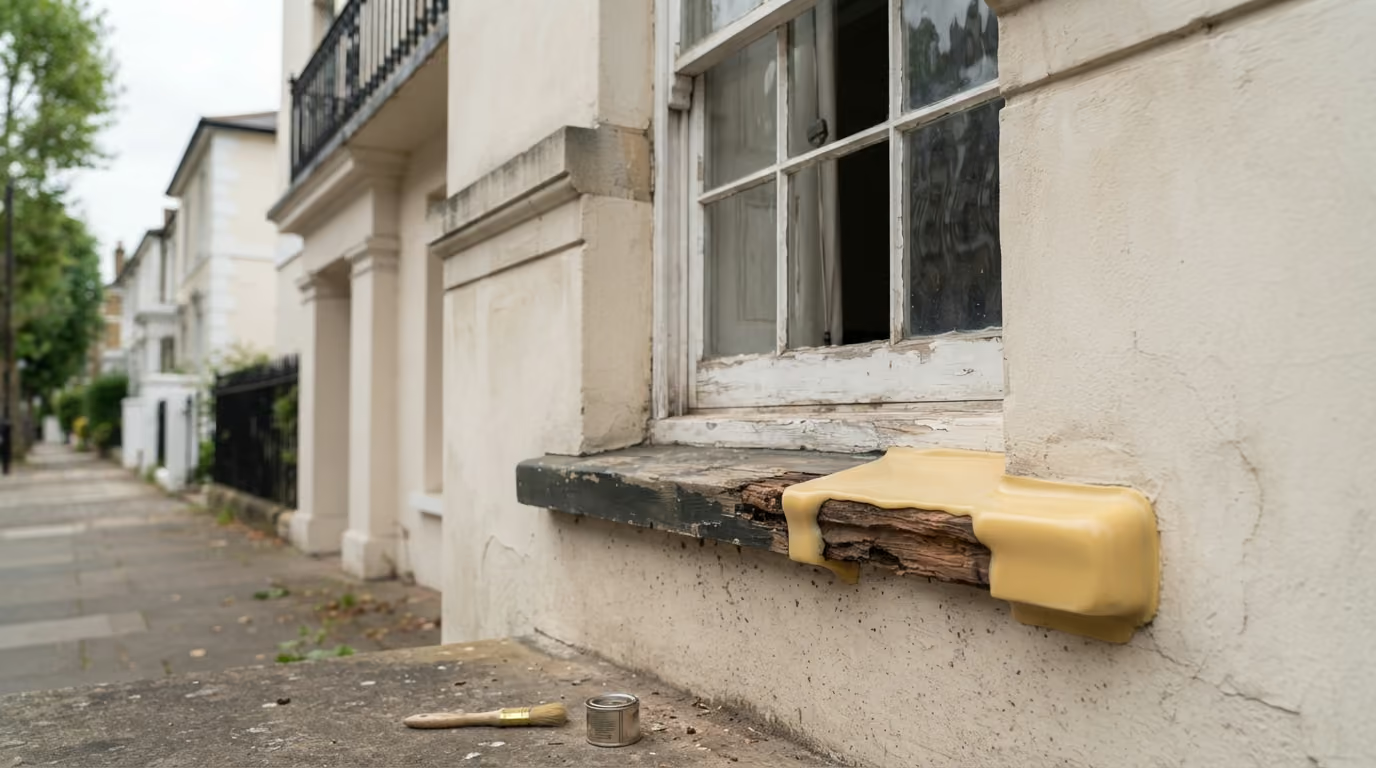
Damaged exterior timber does not always need full replacement. This guide explains when localised decay in sash windows, sills, doors, and frames may be suitable for a professional Repair Care resin repair, when replacement may make more sense, and why the source of moisture should be addressed before repainting.
The practical answer: Damaged exterior timber in a Chelsea period home does not automatically need to be replaced. Window frames, sills, doors, and other painted timber can often be retained when the decay is localised and enough sound material remains. The important part is to identify why the timber deteriorated, remove unstable material, repair the damaged section correctly, and deal with the moisture source before repainting. For suitable projects, Bellefair uses the professional Repair Care resin system as part of our exterior and heritage painting work.
Replacing original exterior joinery can be expensive and disruptive. It may also remove details that contribute to the proportions and character of a period property.
At the same time, attempting to save timber that is too badly damaged can create a repair that does not make practical sense.
The decision should therefore be based on the actual condition of the component rather than assuming that every damaged sill needs replacing or that every section of rotten timber can simply be filled.
This guide explains how to assess damaged exterior timber in a Chelsea home, when a localised Repair Care repair may be appropriate, when replacement should be considered, and what needs to happen before the timber is repainted.
Exterior timber can remain in good condition for many years when it is protected properly and water is able to drain away from it.
Problems usually develop when moisture repeatedly reaches vulnerable areas.
Common causes include:
Simply repairing the visible timber without considering where the moisture came from can allow the same problem to return.
Rotten timber is not always obvious from the outside.
A painted surface may show only a small crack or blister while the timber underneath has softened.
Signs that deserve closer inspection include:
The decorative coating often needs to be opened up locally before the true condition can be understood.
This is why an exterior decorating estimate based only on the visible paint can sometimes change once preparation begins.
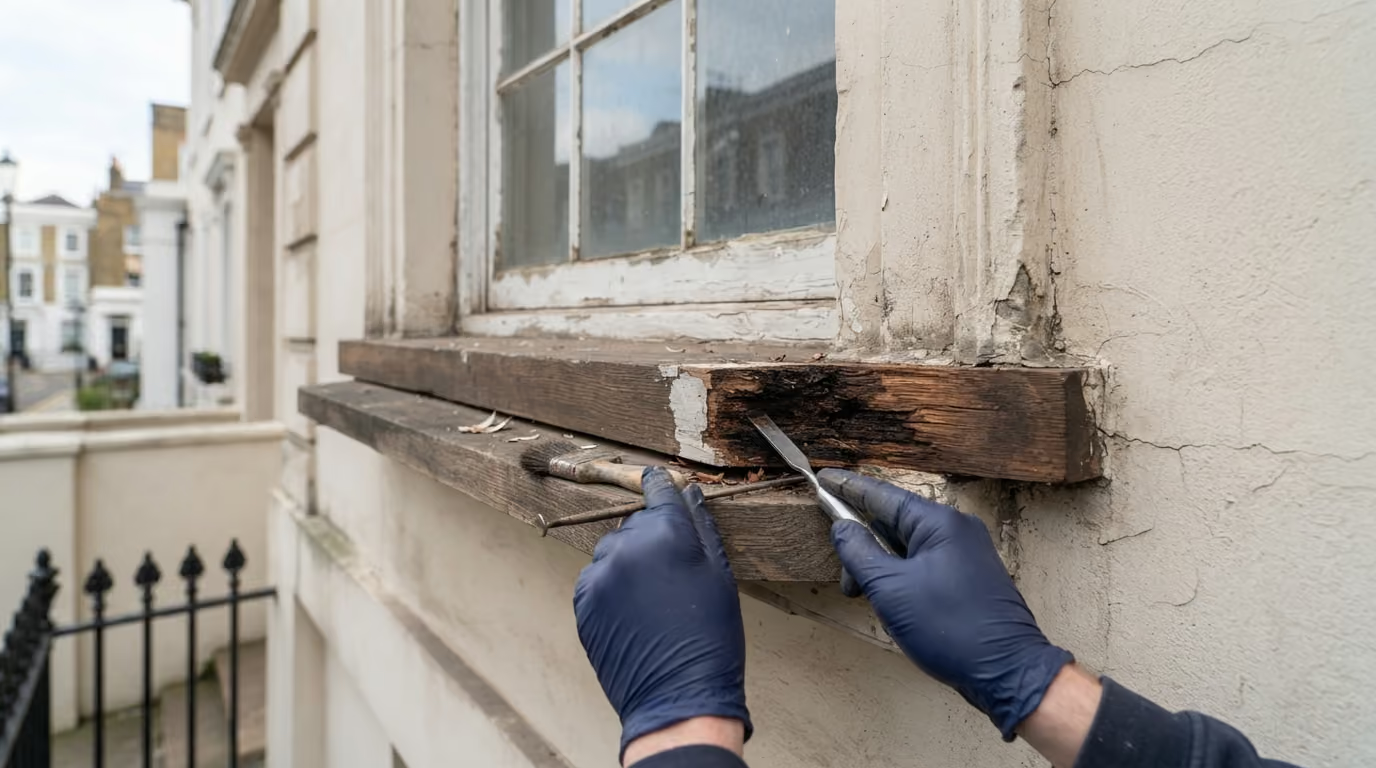
One of the main questions is how much sound timber remains.
If damage is confined to a relatively small section, it may be possible to remove the unstable material and reconstruct the affected area while retaining the rest of the original component.
This may be considered for areas such as:
Bellefair is trained and certified in the Repair Care system, which is designed for professional timber repair using resin based products.
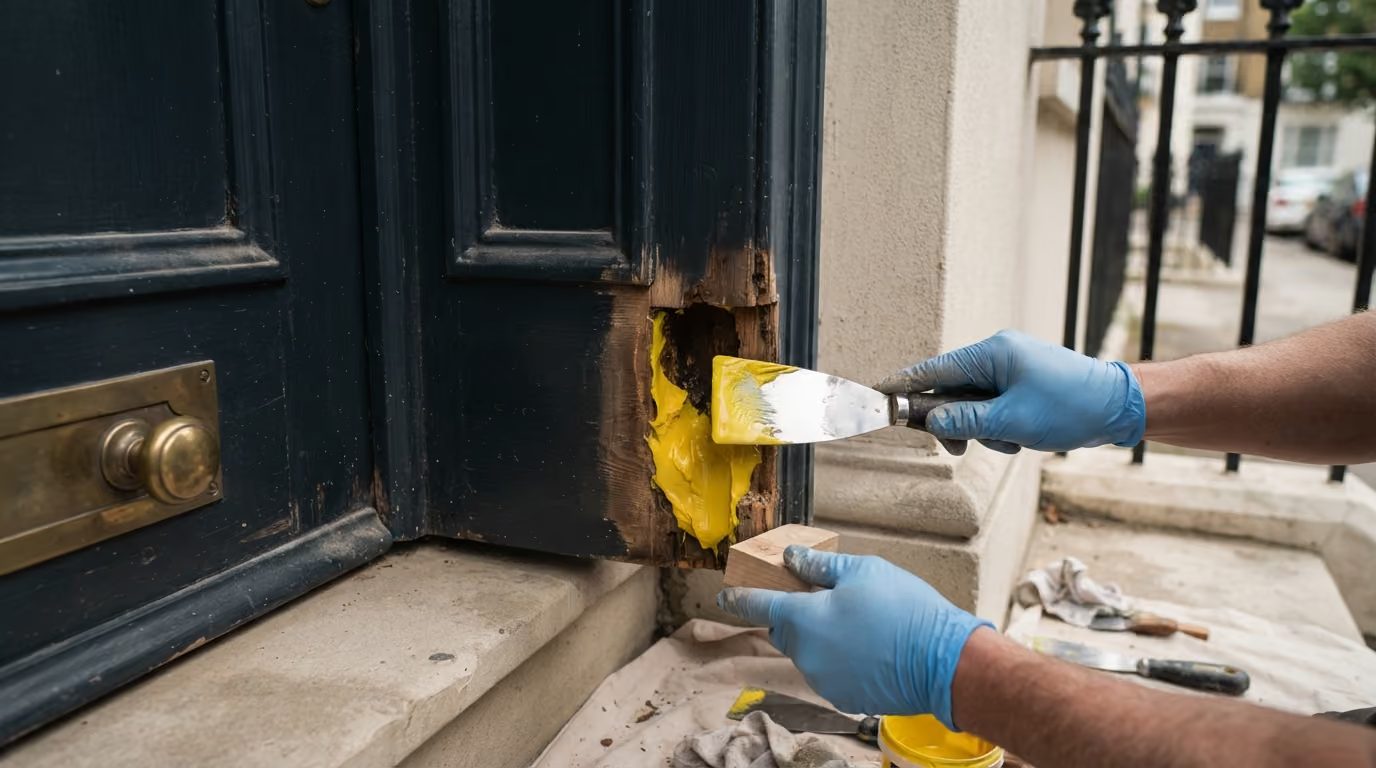
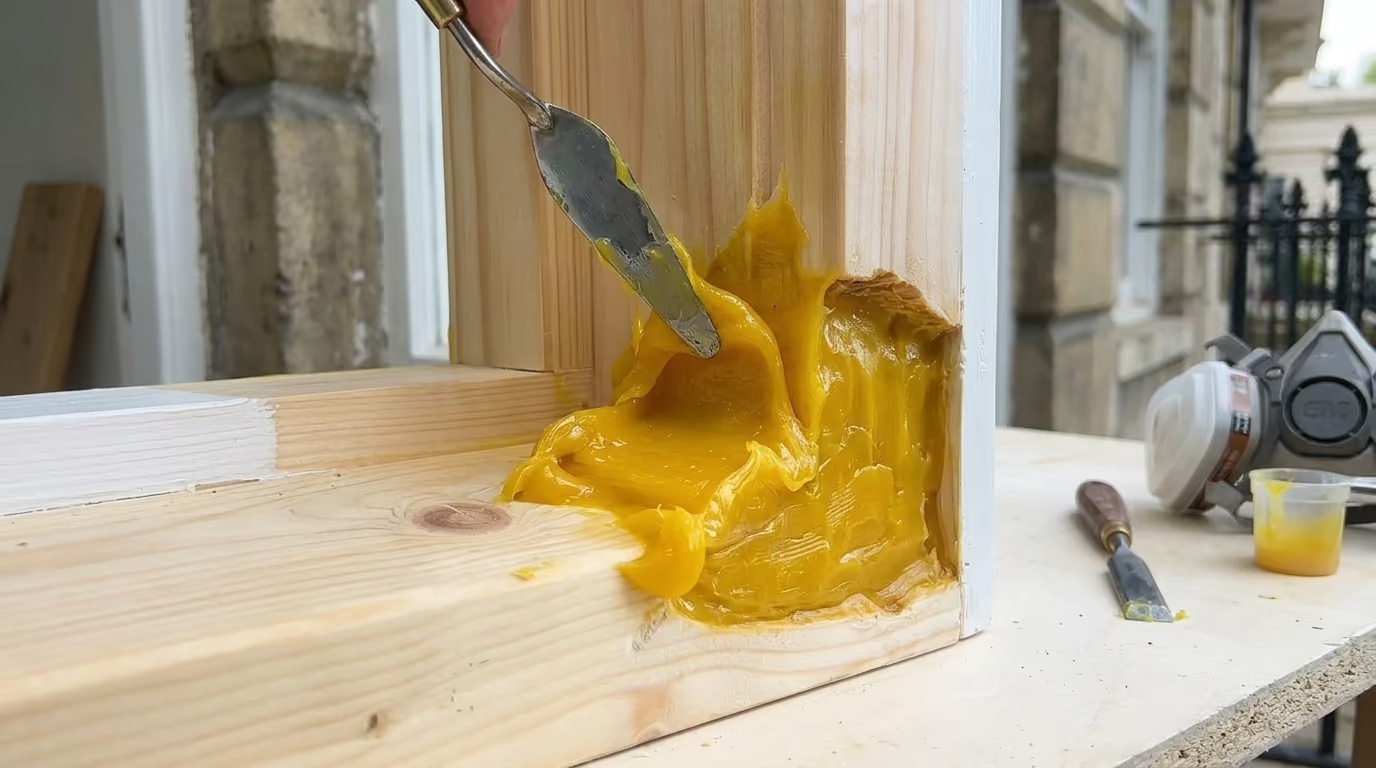
The purpose is not to cover damaged timber with ordinary filler. The defective timber is addressed first and the missing section is rebuilt as part of a proper repair before the surface is prepared for decoration.
This distinction matters.
A small cosmetic dent in painted joinery and a section of decayed exterior timber are different problems.
Ordinary filler is generally used to correct minor surface imperfections. It is not a substitute for a specialist repair where part of the timber itself has deteriorated.
A Repair Care timber repair involves a resin based system intended specifically for professional timber repair.
Depending on the condition of the area, the process can include:
The completed repair should form part of the timber element rather than looking like a patch of filler sitting on top of damaged wood.
Repair may make sense when the majority of the original component remains sound and the deterioration is confined to a particular area.
For example, a sash window may have a damaged lower corner while the rest of the frame remains stable.
Similarly, the outer edge of a window sill may have deteriorated while the main body of the sill remains sound.
Repair can be particularly attractive where:
The objective is not to preserve timber at any cost. It is to retain good material where doing so is practical.
There are also situations where the damage is too extensive for a localised repair to make sense.
Replacement may need to be considered when:
The correct decision depends on what is found once the damaged area is exposed.
A small visible defect can occasionally turn out to be more extensive, while a window that looks badly weathered may still contain a large amount of sound timber beneath the failing paint.
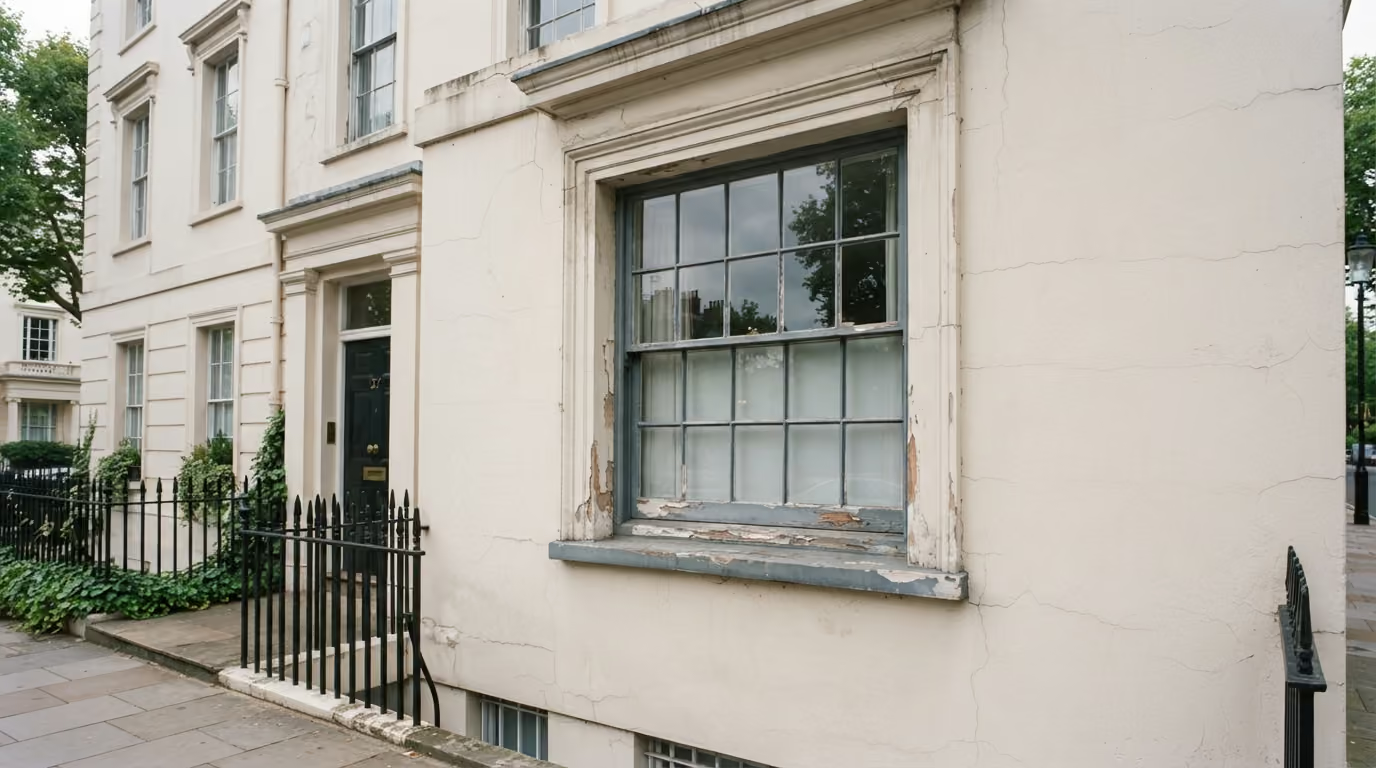
Window sills receive direct rain and contain horizontal surfaces where moisture can remain longer than on a vertical frame.
Paint deterioration often begins around:
Once the paint film opens, water can reach the timber underneath.
If the area remains wet repeatedly, localised decay may begin.
This is why a peeling sill should not simply receive another coat of paint. The timber beneath needs to be checked first.
A traditional sash window is made up of several timber sections, and one damaged area does not necessarily mean the whole window is beyond repair.
Possible problem areas include:
The moving parts of the window should also be considered.
A timber repair should not interfere with the operation of the sash, and any issues with sticking, alignment, or damaged hardware should be identified as part of the wider inspection.
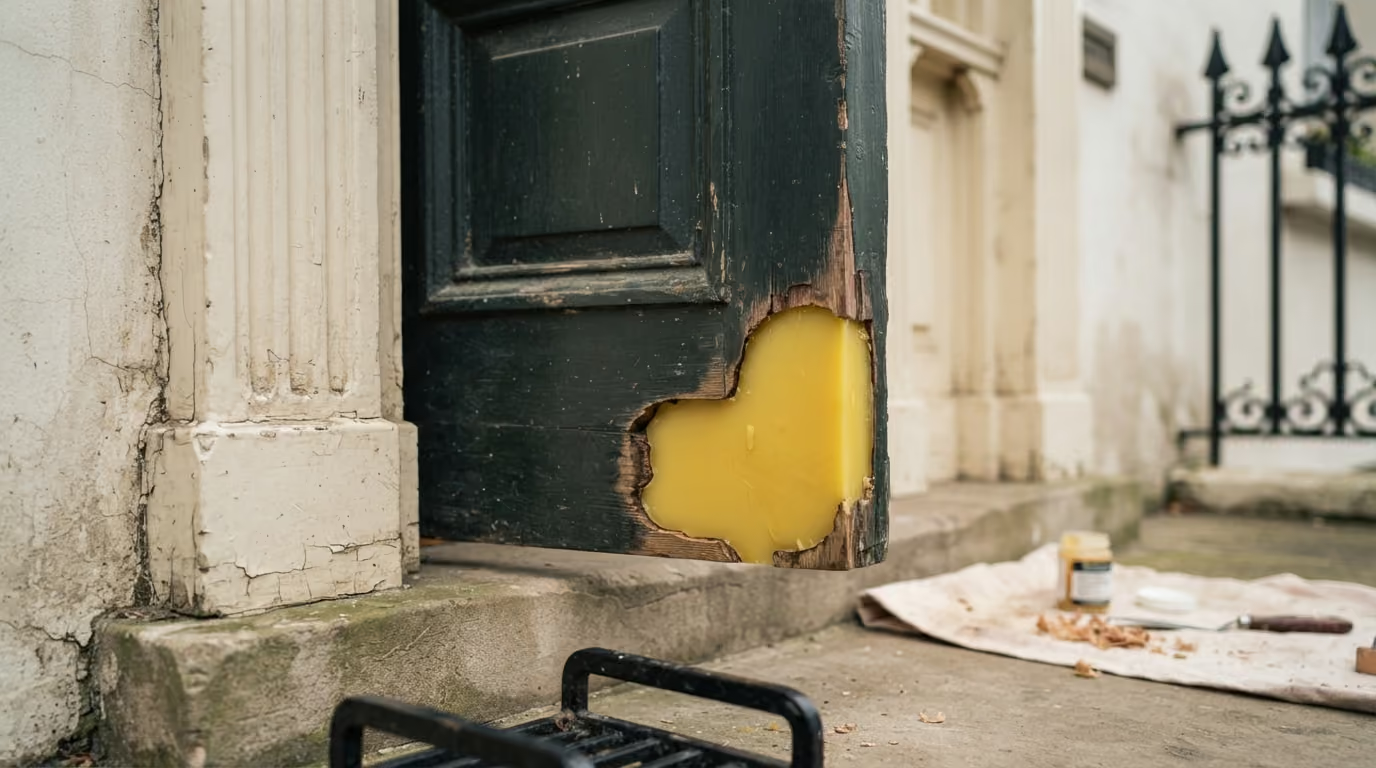
Exterior doors often show deterioration close to ground level because the bottom rail and lower corners receive more moisture and physical wear.
Look for:
The door may still be perfectly serviceable overall.
Where the damaged area is suitable for repair, retaining the existing door can also preserve its original proportions, panels, hardware positions, and relationship with the surrounding entrance.
This is one of the most important parts of any timber repair.
If water continues entering through the same joint or crack, repairing the visible damage does not solve the whole problem.
Possible contributing issues include:
The repair should form part of a wider exterior maintenance approach.
This is particularly important on period facades where timber, stucco, masonry, and metal details all meet one another.
Older timber may have been repaired several times.
Once the paint is removed, it is common to find areas of historic filler.
Some may still be stable. Other repairs may have cracked or detached from the timber.
Warning signs include:
Unstable repairs should not simply be painted over again.
The area needs to be opened sufficiently to understand what remains beneath it.
Dark staining does not automatically mean timber is rotten, and pale timber does not automatically mean it is sound.
The surface needs to be physically assessed.
Similarly, a newly painted window can still contain hidden defects if preparation was inadequate before the decorative coating was applied.
The condition of the paint and the condition of the timber are related, but they are not the same thing.
Once the repair has been completed and shaped to match the surrounding profile, it becomes part of the wider decorating process.
The repaired area should be prepared so the final painted surface reads consistently with the original timber around it.
This can involve:
The goal is for the repair to restore the missing shape while the final decoration creates a coherent finish across the entire component.
Sometimes a small maintenance repair can be treated locally, but colour and sheen differences need to be considered.
Exterior paint changes over time through:
Fresh paint applied to one small section may therefore remain visible beside an older weathered coating.
For a more consistent result, it may make sense to repaint the complete sill, frame section, door, or another logical architectural element rather than stopping directly at the edge of the repair.
If one sill has started to deteriorate, it is sensible to inspect the other timber elements on the same elevation.
They have usually experienced similar weather exposure.
This does not mean all of them will require repairs, but checking them together may reveal:
Addressing several small areas during one exterior decorating programme can be more practical than waiting for each one to deteriorate further.
A minor paint failure is easier to investigate than a large section of visibly decayed timber.
Homeowners should pay particular attention to:
When defects are identified early, there may be more sound original material available to retain.
Timber repairs should be planned before the final exterior decorative coats are applied.
A sensible sequence is:
This allows the finished decoration to cover properly prepared and stable surfaces.
Period properties often benefit from retaining original material where that material is still serviceable.
A localised timber repair can allow an existing sill, frame, or door to remain in place rather than replacing the complete element because of one damaged section.
This can be particularly relevant in Chelsea homes where the exterior contains traditional proportions and details that contribute to the architecture.
However, heritage sensitivity should not be used as a reason to retain timber that is no longer suitable for repair.
The condition of the actual component remains the deciding factor.
Upper floor windows may appear acceptable when viewed from street level.
Once access is in place, closer inspection can reveal:
This is one reason exterior painting projects should allow for condition based preparation rather than assuming every window will require exactly the same work.
Heavy peeling paint can make a timber window or door look much worse than it actually is.
Once failed coatings are removed, the underlying timber may prove to be largely sound.
Equally, relatively neat paint can sometimes conceal localised deterioration.
The decision to repair or replace should therefore come after inspection, not from appearance alone.
The most sensible solution is usually the one that retains sound original material where practical while removing and rebuilding only the timber that has genuinely failed.
Does rotten exterior timber always need replacing? No. Localised decay can sometimes be repaired when enough sound timber remains and the affected area is suitable for a specialist resin repair.
What is Repair Care? Repair Care is a professional resin based timber repair system used to restore suitable damaged timber sections. Bellefair is trained and certified in the system.
Is Repair Care the same as ordinary wood filler? No. A specialist resin timber repair is different from using standard filler to correct small cosmetic imperfections.
Can a rotten window sill be repaired? In suitable cases, yes. The damaged timber needs to be assessed to determine how much sound material remains and whether a localised repair is appropriate.
Can an exterior door be repaired instead of replaced? Sometimes. Localised damage to a lower rail, corner, or frame may be repairable if the rest of the door remains sound.
Why does the moisture source need to be fixed first? If water continues reaching the repaired area, the underlying cause of the original deterioration remains unresolved.
Will the repaired area be repainted? Yes. After the timber repair is completed and prepared, it forms part of the wider exterior decorating system.
We carry out exterior and heritage painting and specialist timber repairs across Prime Central London, including Chelsea, Kensington, Belgravia, Notting Hill, Knightsbridge, and Westminster. Our work includes sash windows, window sills, exterior doors, frames, decorative timber, stucco facades, railings, and certified Repair Care timber repairs where suitable.
Not sure whether damaged exterior timber in your Chelsea home should be repaired or replaced? Send photographs of the complete window, sill, door, or frame along with close views of peeling paint, soft timber, cracked joints, previous repairs, and the surrounding exterior. We can assess the visible condition, identify areas that need closer inspection, and determine whether a specialist timber repair may be suitable as part of the exterior decorating project. To begin, request a site visit and we will arrange a time that suits you.
Tell us a few details about your project and our team will review the enquiry and come back to you within one working day.