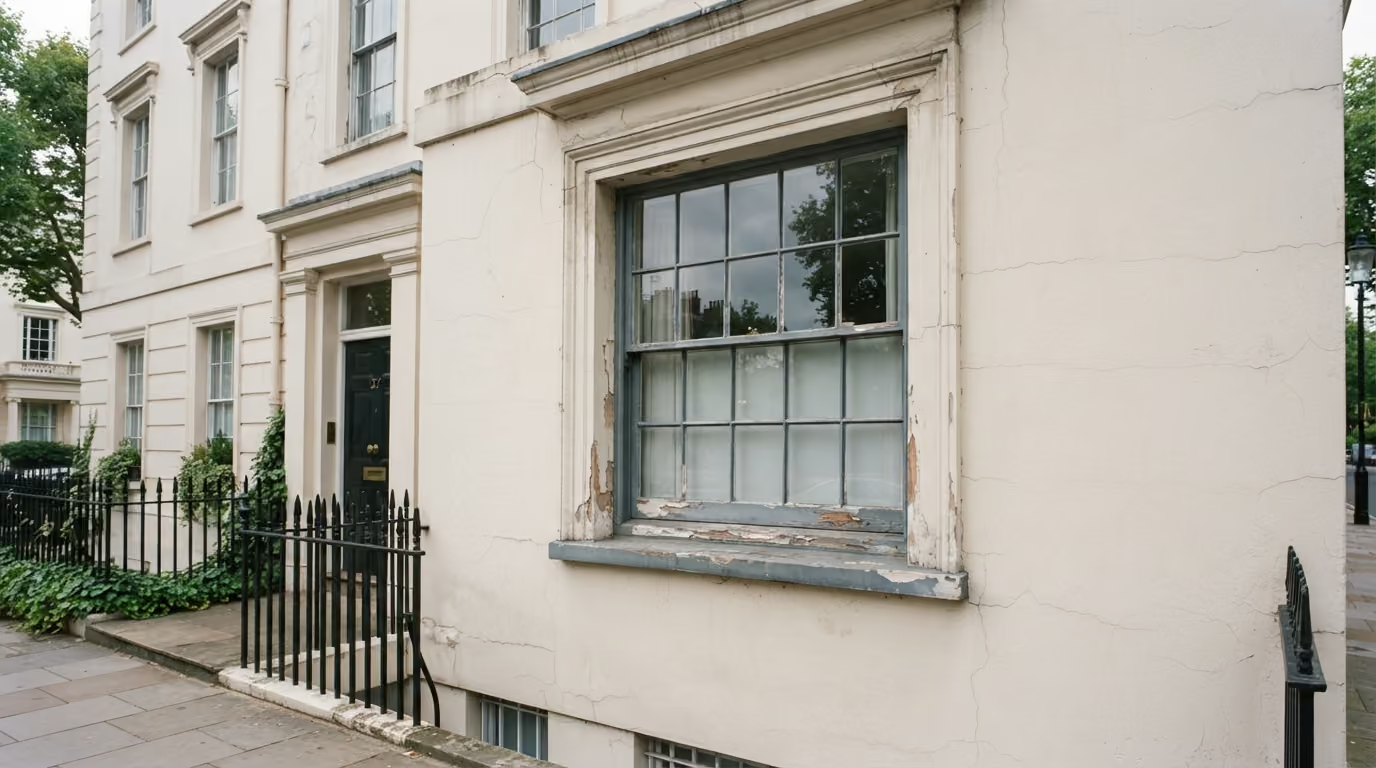
Peeling exterior paint is usually a sign of an underlying problem rather than just an ageing finish. This guide explains how moisture, unstable coatings, damaged timber, cracks, failed joints, and poor preparation can cause paint to fail, and what should be checked before repainting.
The practical answer: Peeling exterior paint on a Belgravia period home is usually a symptom rather than the main problem. Moisture, failed joints, unstable previous coatings, damaged timber, cracks in stucco, or poor preparation can all cause a new finish to fail much sooner than expected. The correct approach is to identify why the coating is breaking down, repair the underlying surface, remove unstable material, and only then repaint. For professional assessment and preparation, see our exterior and heritage painting service.
Exterior paint has a difficult job on a London property. It needs to protect timber, masonry, stucco, metalwork, doors, window frames, and decorative details while dealing with rain, sunlight, temperature changes, pollution, and normal movement in the building.
When paint begins to peel, crack, blister, or flake, simply applying another coat may make the property look better temporarily, but it does not necessarily solve the cause of the failure.
This is particularly important on period homes in Belgravia, where exterior decoration may involve original sash windows, timber doors, stucco facades, railings, cornices, stone details, and carefully proportioned architectural features. Different materials fail for different reasons, so the preparation needs to respond to the actual surface rather than treating the whole facade in the same way.
This guide explains the most common causes of exterior paint failure, what should be checked before repainting, and how proper preparation can help a new decorative finish perform more reliably.
Paint can lose adhesion for several reasons. Sometimes the problem begins in the newest coating. In other cases, the visible paint is still attached to an older layer underneath that has already started to fail.
Common causes include:
Finding the cause matters because repainting over a weak base simply adds another layer to an existing problem.
Water does not need to enter the interior of a property to damage exterior decoration.
Small amounts of moisture can repeatedly enter through:
If the material remains damp beneath the coating, adhesion can weaken. The paint may begin blistering, lifting, or flaking from the surface.
The first question should therefore be:
Where is the moisture coming from?
Painting should follow the repair, not replace it.
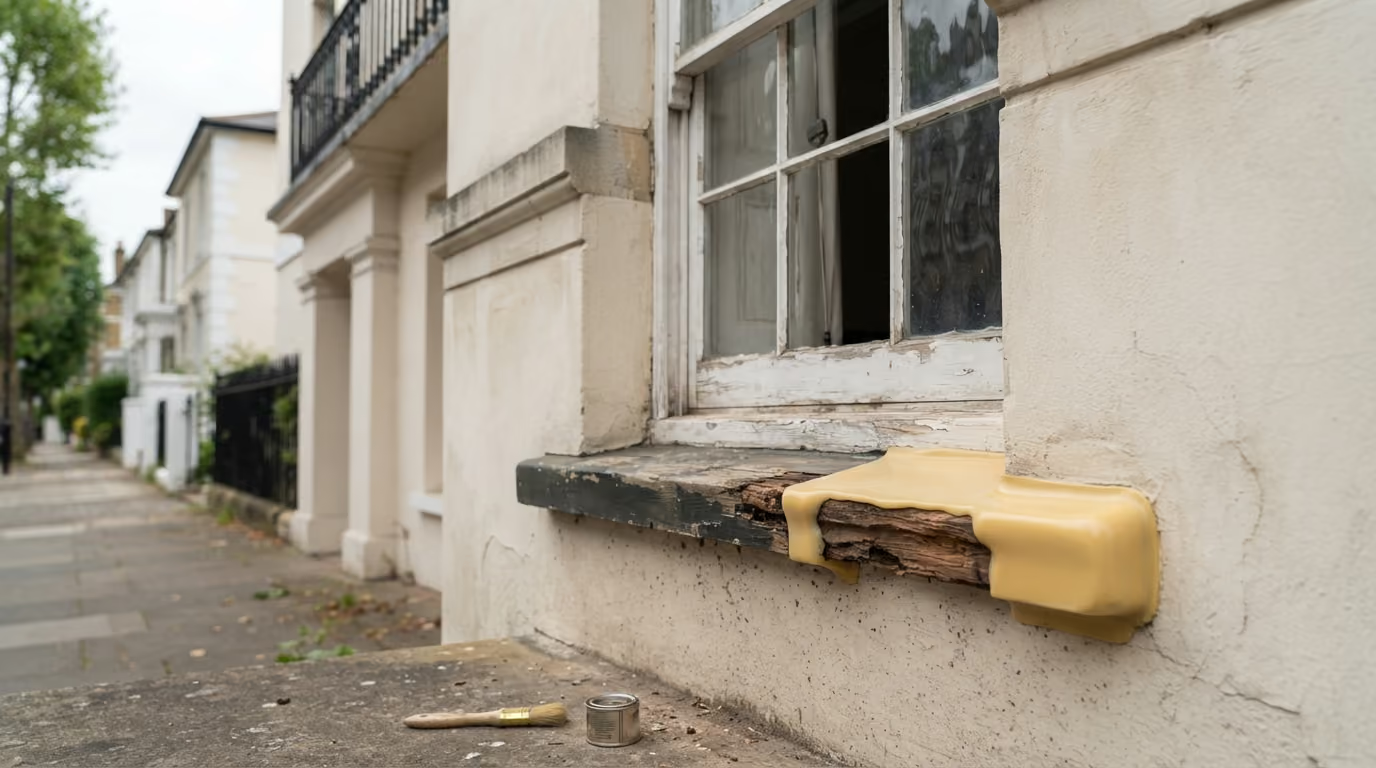
Window frames and sills are particularly exposed because they contain joints, horizontal surfaces, glazing details, and areas where water can collect.
Warning signs include:
A small area of peeling paint may sometimes reveal a larger repair once loose coatings are removed.
That is why exterior work should include an inspection stage rather than assuming every area only needs sanding and repainting.
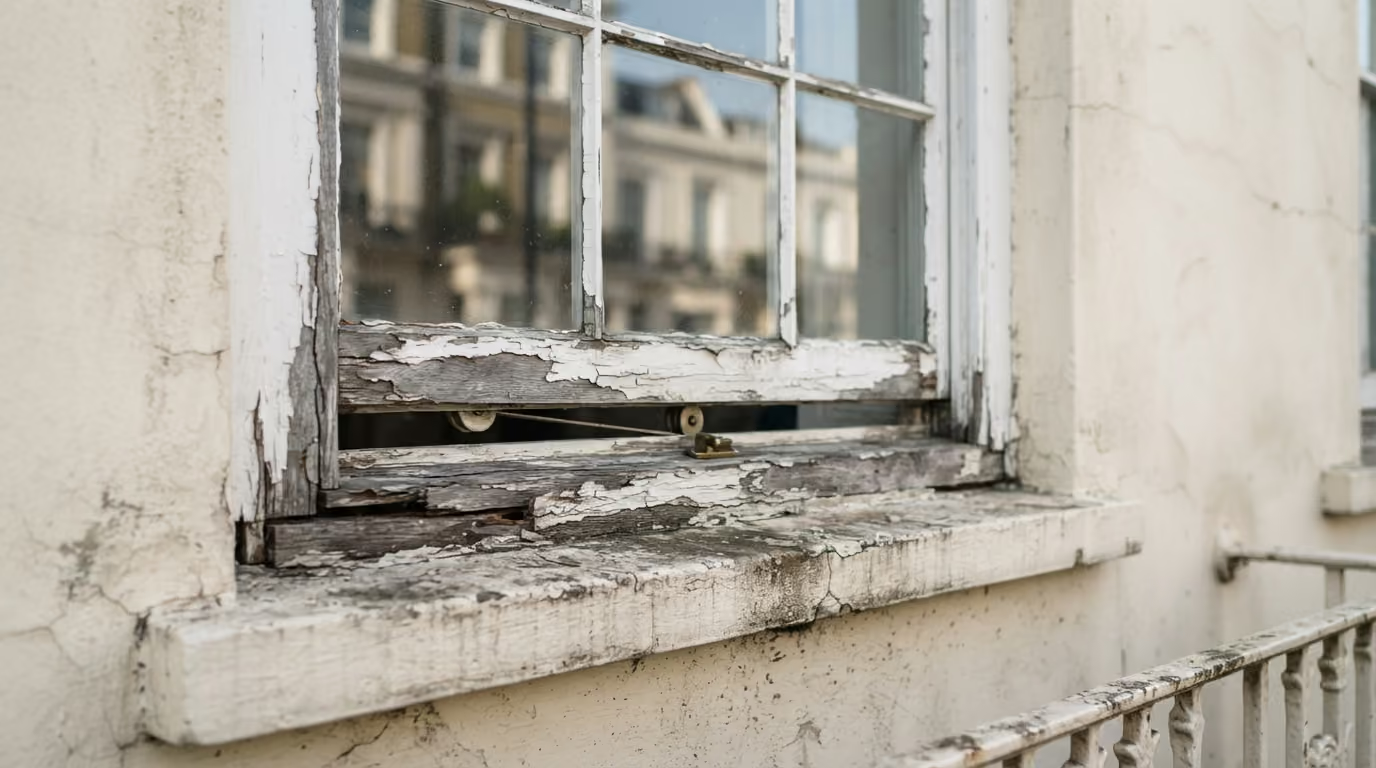
Paint can sometimes continue covering damaged timber long after the wood beneath has started to deteriorate.
A surface may look slightly cracked while the timber underneath has become soft.
Areas commonly affected include:
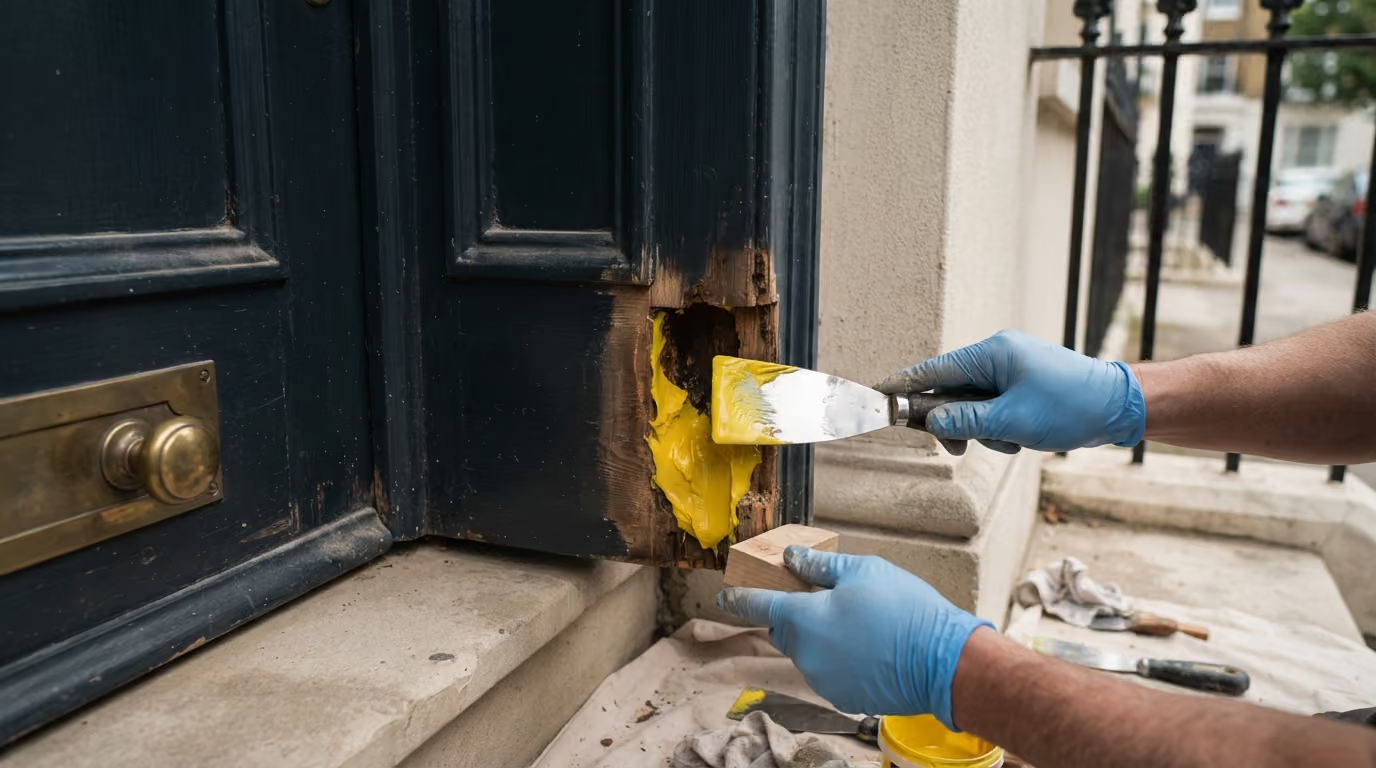
Painting directly over decayed timber does not create a stable repair.
When the deterioration is localised and enough sound timber remains, the damaged section may be suitable for a specialist resin repair using the Repair Care system. Bellefair is trained and certified to carry out Repair Care timber repairs as part of suitable exterior projects.
The decayed material needs to be removed and the underlying cause of moisture addressed before the repaired area is prepared and repainted.
Previous exterior repairs often become visible when paint begins failing around them.
You may notice:
This does not automatically mean every old repair needs to be removed. Stable repairs can remain.
However, loose or cracked filler should not simply be hidden beneath another coat of paint. The area needs to be checked so the new finish is applied to a sound surface.
Belgravia is known for painted stucco facades, and these surfaces need a different assessment from timber.
Paint failure on stucco may be associated with:
Before repainting, loose areas need to be identified and prepared properly.
Small cracks should also be assessed rather than automatically filled. Some are stable decorative cracks, while others may indicate continuing movement or another underlying issue.
Not every part of a facade experiences the same exposure.
Horizontal surfaces receive more rain and often stay wet for longer than vertical walls.
These may include:
If peeling repeatedly begins on these surfaces, simply repainting the affected strip may not solve the problem.
Water shedding, cracks, joints, and the condition of the substrate should all be considered.
A surface can appear dry to the touch while still containing enough moisture to interfere with painting.
This can happen after:
Exterior decorating therefore needs to respond to actual weather conditions rather than a fixed calendar.
Preparation and drying periods are just as important as the final painting days.
Period properties may have accumulated many decorative layers over several decades.
The newest paint may be well adhered to the layer immediately underneath it, but if an older layer has poor adhesion, the whole build up can eventually separate.
Signs of unstable coating layers include:
The preparation should remove unstable material until a reliable edge or substrate is reached.
Adding more paint over a weak layer does not make the older coating stronger.
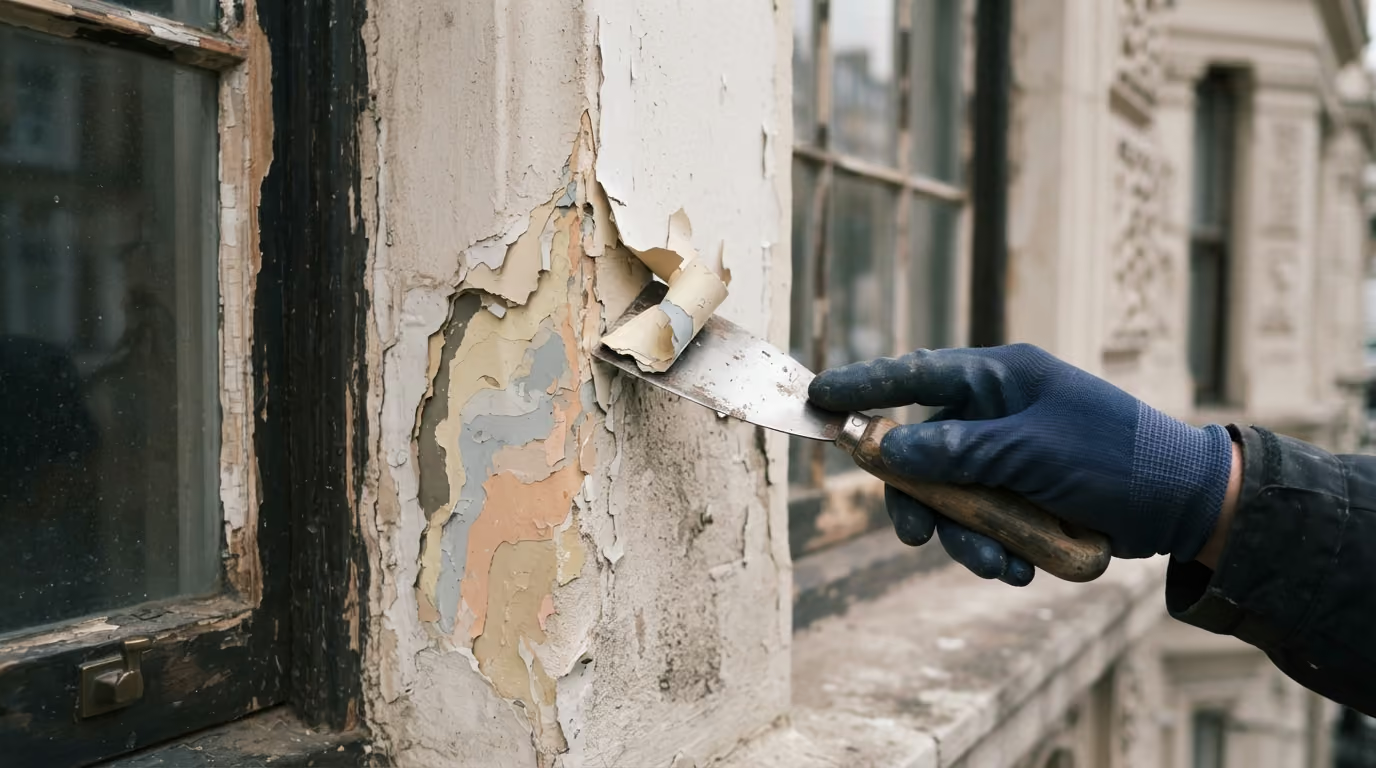
The final coating receives most of the attention because it is what the homeowner sees. In reality, much of the durability depends on what happened before the final coat was applied.
Preparation may include:
The exact process changes between timber, masonry, metalwork, and stucco.
A uniform paint colour at the end does not mean every surface underneath should receive identical preparation.
Not necessarily.
If existing coatings remain sound and well bonded, complete stripping may create unnecessary work and disturbance.
The goal is to establish a stable base.
More extensive removal may be appropriate when:
The condition should determine the preparation rather than following a blanket rule.
Small surface cracking is common on older exterior finishes.
The important question is whether the crack is stable.
Before repair, consider:
A stable decorative crack may be suitable for normal preparation. A larger or active crack may require further investigation before decoration continues.
Junctions between different materials deserve particular attention.
These include:
If a joint has opened, rainwater may travel behind the painted surface.
The visible paint failure can then appear several centimetres away from the original entry point.
This is another reason why the immediate peeling area does not always reveal the full cause.
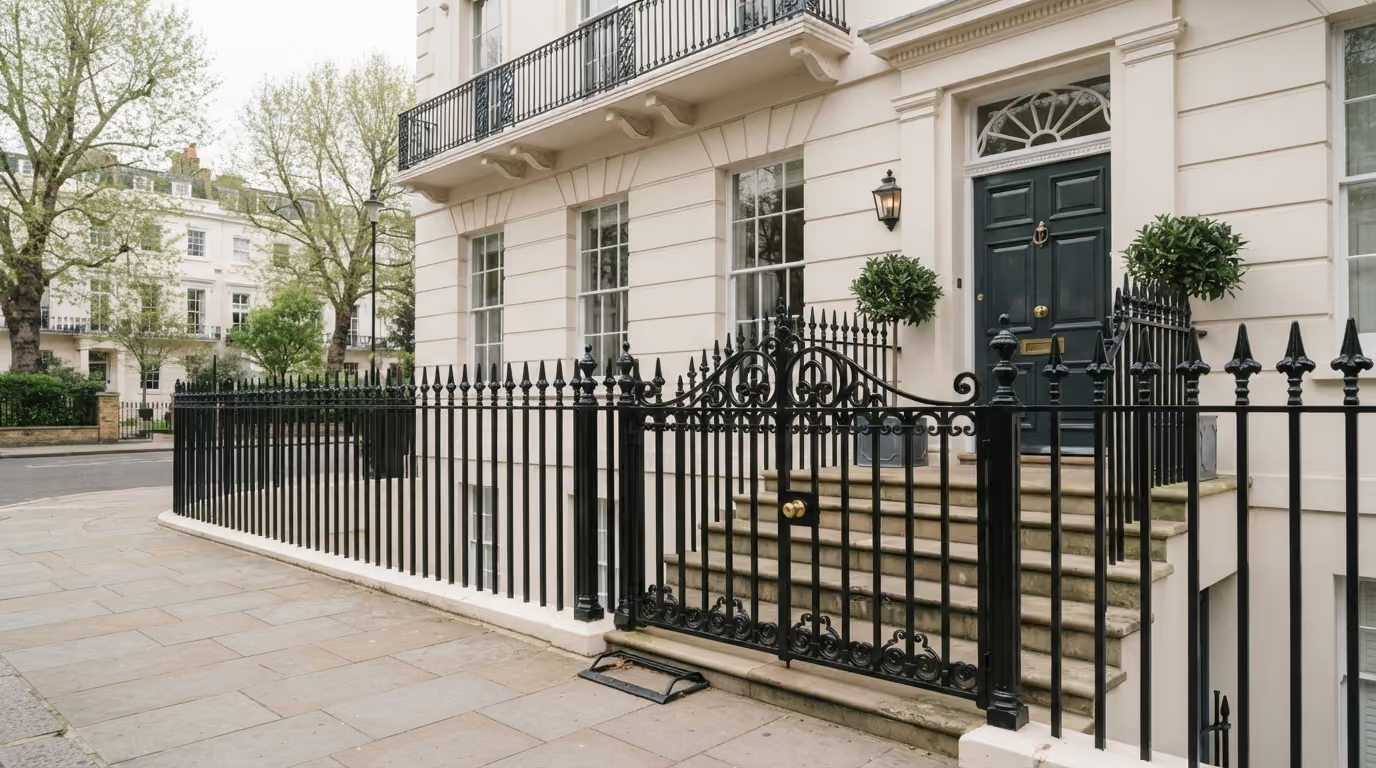
Metal railings and gates are often included in the same exterior decorating project, but they fail differently from timber and stucco.
Look for:
Painting over visible corrosion without suitable preparation usually gives only a cosmetic improvement.
The metal needs a stable prepared surface before the decorative system is applied.
Exterior maintenance is often easier when problems are dealt with early.
A small paint chip can expose timber. A minor joint failure can allow moisture inside. A local crack can become more difficult to repair after several winters.
Homeowners should periodically check:
Early maintenance does not necessarily mean repainting the entire exterior every time a small defect appears.
It means identifying vulnerable areas before damage spreads.
A complete repaint may make sense when deterioration is becoming widespread rather than isolated.
Signs include:
A full project also allows preparation, repair, colour, and finish to be coordinated across the entire exterior rather than dealing with individual sections at different times.
Choosing the new exterior colour is often the most enjoyable part of the project, but it should come after the technical assessment.
The order should be:
A beautifully chosen colour still performs poorly if it is applied over unstable paint, damp timber, or unresolved cracks.
A single peeling window sill may be the most visible defect, but it is worth checking neighbouring windows and architectural details at the same time.
Several elements may have experienced the same weather exposure and maintenance history.
This can help identify patterns such as:
Patterns often reveal more about the cause than one isolated patch.
Exterior painting cannot be planned exactly like interior decorating.
Rain, temperature, humidity, and drying conditions affect when preparation and coating can take place.
A sensible programme needs enough flexibility to avoid painting surfaces simply because a fixed date has arrived.
For larger Belgravia exterior projects, this should be considered from the start, particularly where access arrangements and several different facade materials are involved.
The best exterior repaint is not the one with the quickest visible transformation. It is the one where the new decorative finish is applied only after the surfaces beneath it are stable and properly prepared.
Why does exterior paint keep peeling in the same place? Repeated failure usually suggests an underlying issue such as moisture, unstable previous coatings, an open joint, damaged timber, or another surface problem that has not been fully resolved.
Can you paint over peeling exterior paint? Loose and unstable material should be removed and the reason for the failure investigated before repainting.
Does peeling paint mean timber is rotten? Not always. However, repeated peeling or soft timber beneath the coating can indicate decay and should be checked.
Can localised rotten timber be repaired? In suitable cases, yes. Where enough sound timber remains, specialist Repair Care resin repairs may allow damaged sections to be restored rather than replacing the entire component.
Do all old exterior paint layers need to be removed? No. Stable existing coatings can often remain. The important point is to remove unstable material and create a sound base for the new system.
Should cracks in stucco be repaired before painting? Yes, but the crack should first be assessed so the correct repair approach can be chosen.
We carry out exterior and heritage painting across Prime Central London, including Belgravia, Chelsea, Kensington, Notting Hill, Knightsbridge, and Westminster. Our work includes stucco facades, sash windows, timber doors and frames, Repair Care timber repairs, railings, architectural details, and exterior preparation before repainting.
Noticing peeling or failing exterior paint on a Belgravia property? Send photographs of the full elevation along with close views of peeling paint, cracks, window sills, door frames, timber joints, railings, and any areas that have been repaired previously. We can assess the visible condition, identify areas that need closer inspection, and plan the preparation and repainting around the actual surfaces of the property. To begin, request a site visit and we will arrange a time that suits you.
Tell us a few details about your project and our team will review the enquiry and come back to you within one working day.