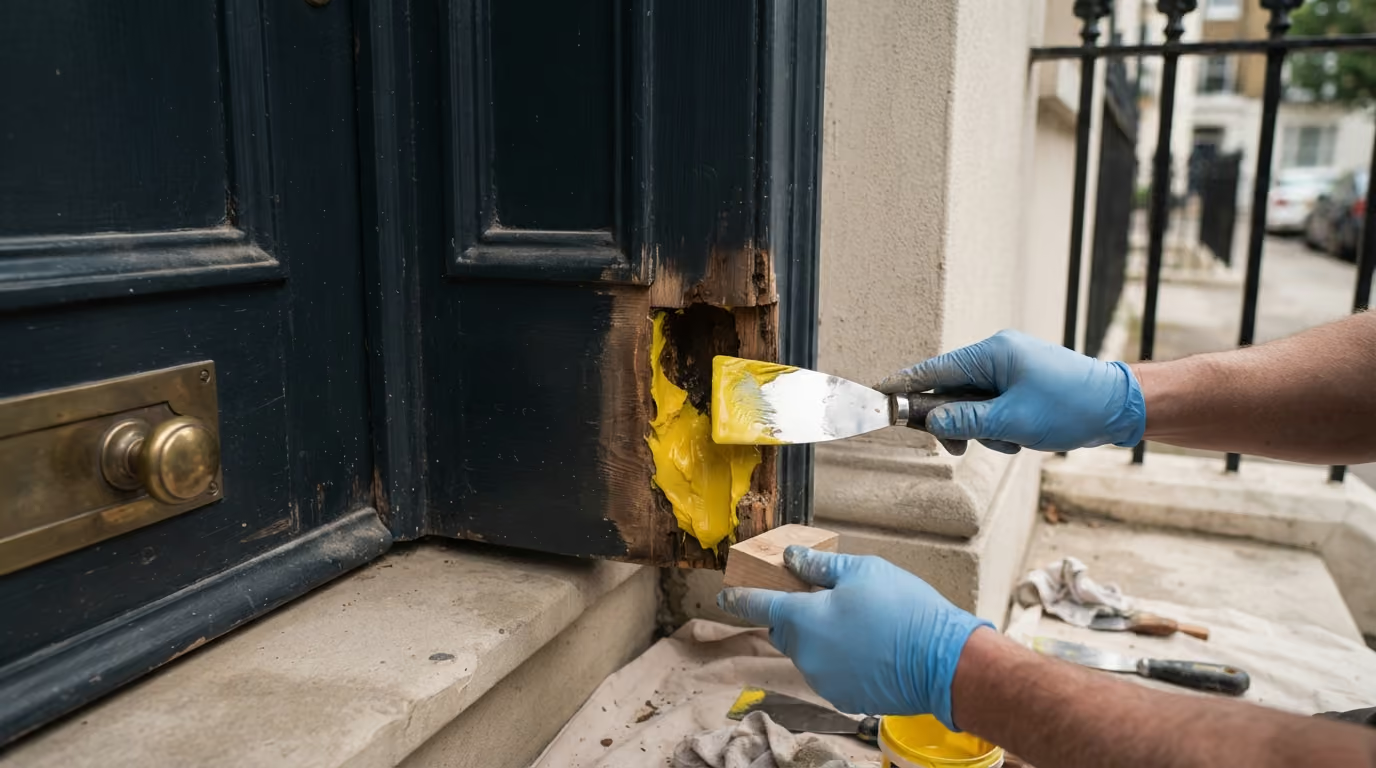
A damaged timber front door or frame does not always need full replacement. This guide explains how Repair Care resin repairs work, when localised decay can be restored, why ordinary filler is not enough, and how the repaired joinery should be prepared and repainted.
The practical answer: A damaged timber front door or exterior door frame does not always need full replacement. When decay is limited to specific areas and enough sound timber remains, the damaged section can often be removed and rebuilt using the Repair Care timber repair system. This allows more of the original joinery to be retained before the door is prepared and repainted. Bellefair is trained and certified to carry out Repair Care repairs as part of our exterior and heritage painting service.
Exterior doors work harder than almost any other piece of joinery on a period home. They face rain, sunlight, temperature changes, daily handling, keys, bags, deliveries, and repeated opening and closing. Lower rails and frame corners are particularly exposed because water can sit close to the threshold or enter through small failures in the paint system.
In Belgravia homes, these doors are often an important architectural feature. A panelled front door, fanlight, timber frame, threshold, and carefully selected hardware can define the whole entrance. Replacing that joinery because of one decayed lower corner may remove far more original material than necessary.
Repair Care provides another option when the damage is localised. Instead of hiding the problem beneath ordinary filler, the decayed wood is assessed and removed, the repair area is prepared properly, and specialist resin is used to rebuild the missing section. Once cured, the repair can be shaped, sanded, primed, and painted so it becomes part of the wider exterior finish.
This guide explains where exterior doors commonly develop timber decay, how Repair Care repairs work, when repair is sensible, and when replacement or more extensive joinery work may still be required.
Timber can last for a very long time when it remains protected and able to dry. Problems begin when water repeatedly reaches exposed wood or becomes trapped around joints.
Common causes of exterior door decay include:
The lower areas of a door are usually at greater risk because they receive rain splash and remain damp for longer. A small defect at the bottom corner can gradually allow moisture deeper into the joinery.
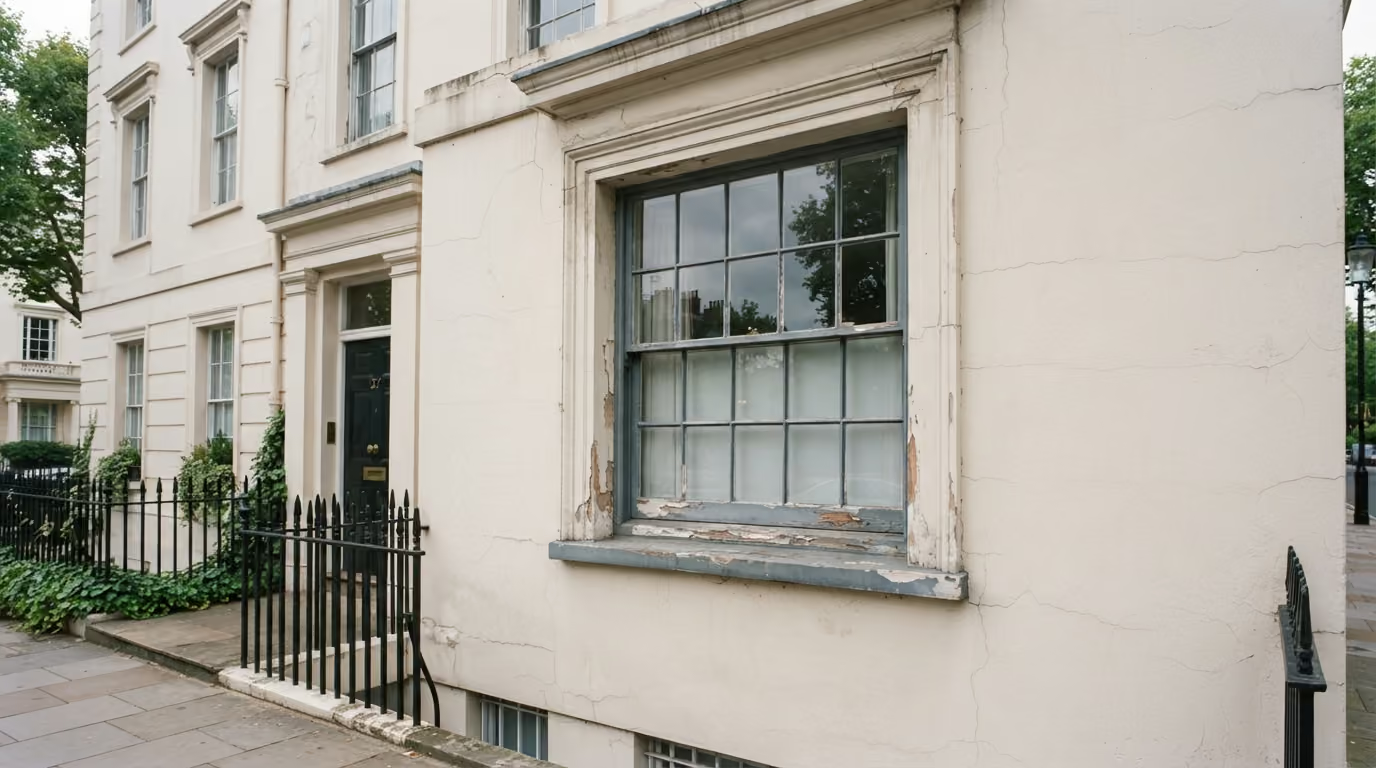
Rot is not always obvious from the street. Paint may continue covering the timber even after the wood beneath has started to soften.
Warning signs include:
Repeated paint failure in one location deserves investigation. Repainting the area without understanding why it keeps failing usually means the problem will return.
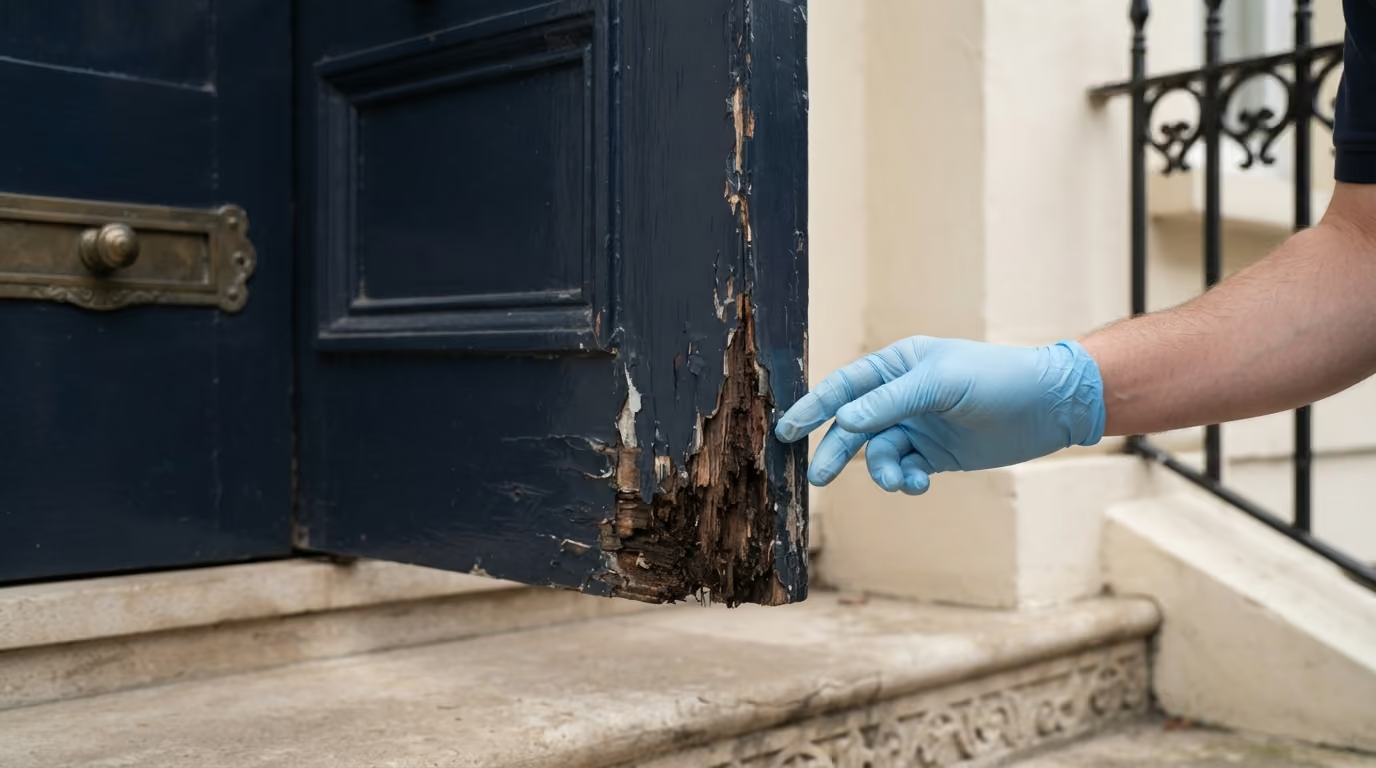
Not necessarily. Localised decay can often be repaired if the rest of the door remains structurally sound. The decision should be based on the condition of the timber rather than simply how dramatic the damaged area looks.
Repair may be suitable when:
Period exterior doors can contain detailed mouldings, panel proportions, and timber profiles that contribute to the character of the property. Retaining the sound sections can often produce a more sympathetic result than unnecessary full replacement.
Repair Care is not a reason to repair joinery regardless of condition. There are times when the deterioration is too widespread or the door has other structural problems.
More extensive joinery work may be needed when:
Sometimes the best solution is a combination of methods. A larger timber section may be replaced while smaller areas are restored using Repair Care products. A proper site inspection should determine the most sensible approach.
Exterior doors often reveal old repairs once the paint begins to fail. A small area may have been filled, sanded, and painted several years earlier. The surface looked fine initially, but cracks then appeared around the edge of the filler.
This can happen because:
Exterior timber expands and contracts as conditions change. A professional timber repair needs to account for both the condition of the wood and the movement that takes place over time.
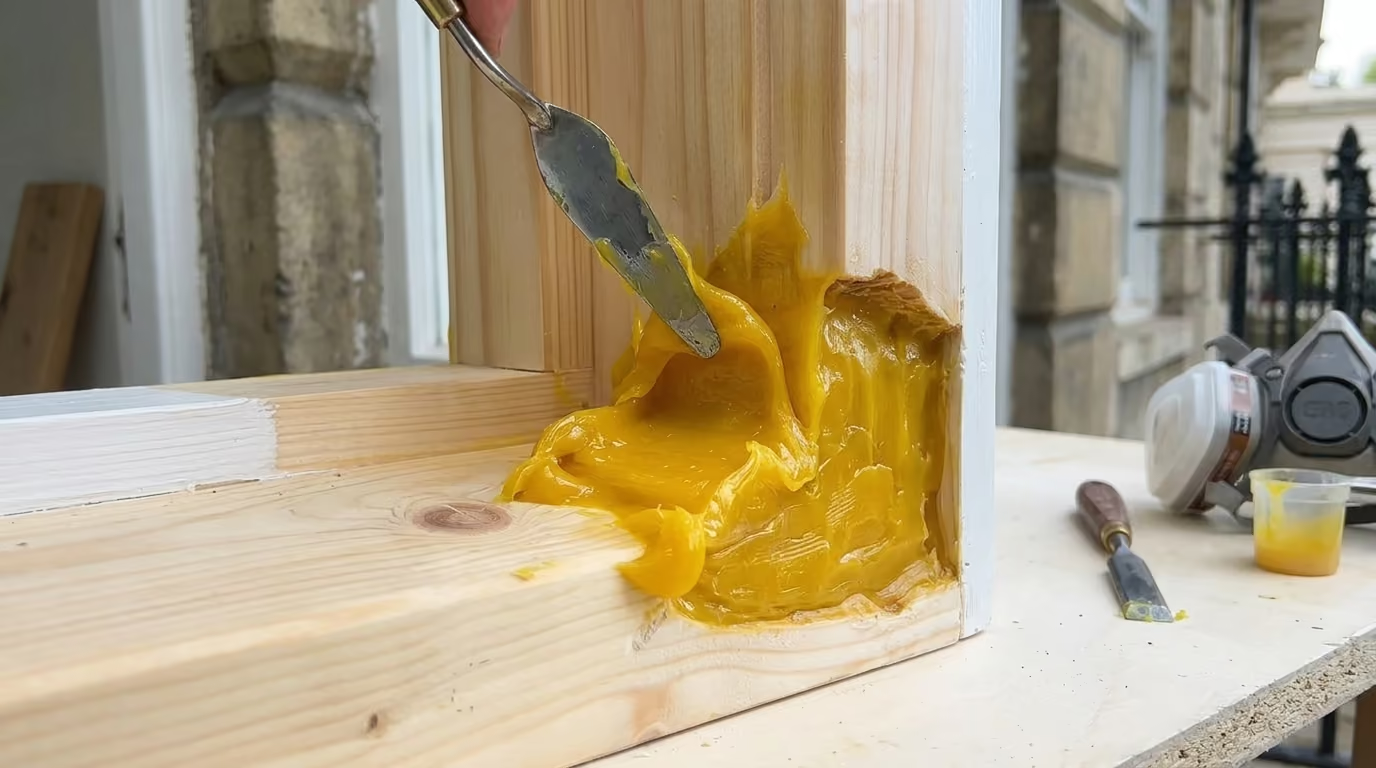
Repair Care uses specialist resin systems designed for timber repair. The process starts with identifying and removing unsound material rather than simply covering the visible defect.
The exact process depends on the damage, but the repair normally follows several clear stages.
The visible damaged area is only the starting point. Nearby paint may need to be opened so the condition of the timber can be checked properly.
The inspection should also cover:
This helps identify whether the problem is isolated or part of a wider moisture issue.
A repair will only perform properly if the cause of the damage is understood.
The source may include:
That problem should be corrected as part of the repair plan rather than hidden beneath new paint.
Soft and unstable wood is removed until sound timber is reached. The aim is to keep as much healthy original material as possible while creating a reliable base for the repair.
Repair resin should not simply be placed over active decay. The surrounding timber needs to be strong enough to support the rebuilt section.
The exposed sound timber is prepared using the appropriate Repair Care method. The repair area should be clean, stable, and ready for the resin system.
The resin is used to recreate the missing timber. Depending on the size of the repair, a timber insert may also form part of the process.
The repair can recreate:
The aim is to restore both the appearance and function of the original joinery.
Once the resin has cured, the repaired section can be shaped and sanded. The profile should follow the surrounding timber so the repair does not appear as a random flat patch.
This is particularly important on period doors with detailed rails and mouldings.
The repaired area then becomes part of the wider exterior painting process. Bare timber, resin repairs, stable existing coatings, joints, and surrounding details all need suitable preparation before the final coats are applied.
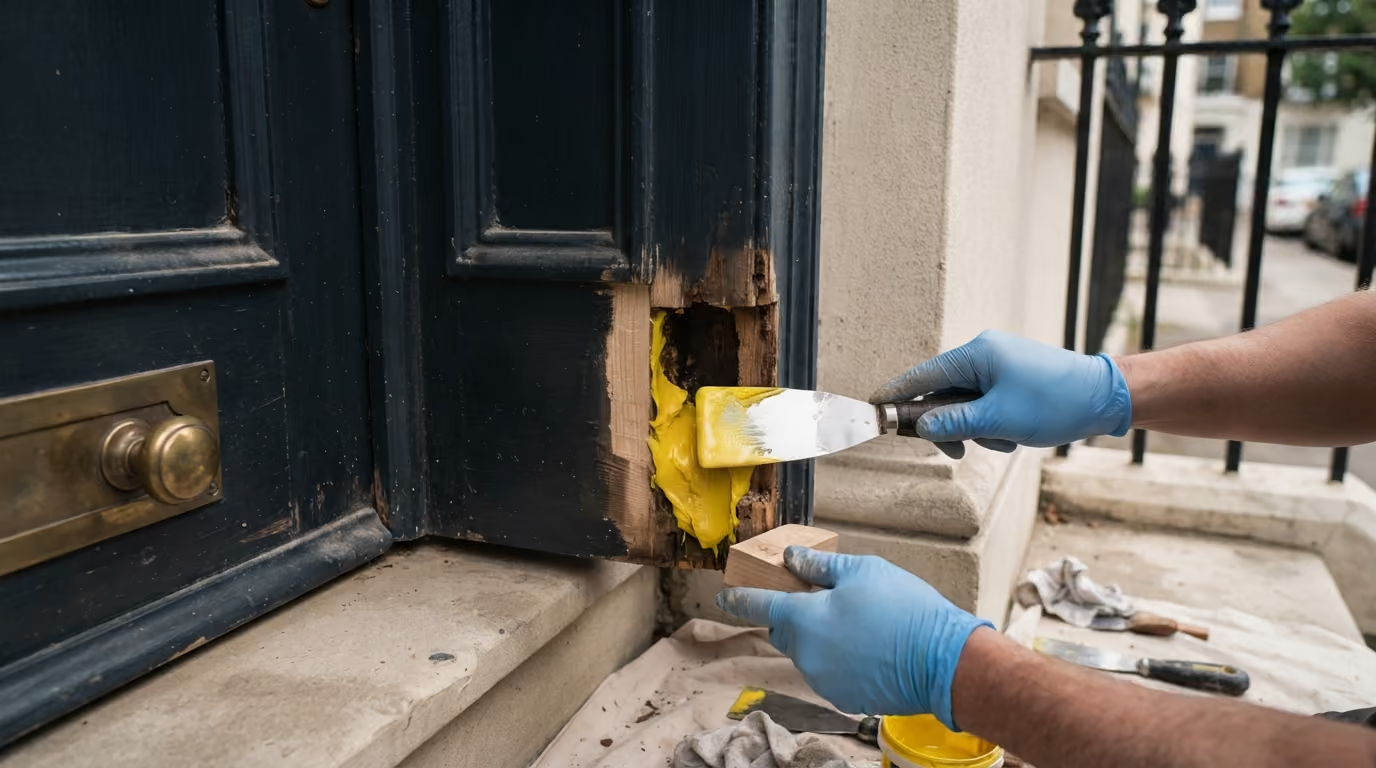
The bottom rail receives more water exposure than most of the door. Rain can collect on ledges, splash up from steps, or reach the timber through small paint failures.
Check the lower rail for:
Early repair is valuable because damage that starts at one corner can eventually spread along the rail and into the vertical sections of the door.
The door leaf is not the only timber at risk. Exterior frames can develop decay at their lower corners, especially where the timber meets masonry or a threshold.
Frame problems may begin because:
Localised frame decay may also be suitable for a Repair Care repair. As with the door itself, the surrounding timber must be assessed before deciding whether repair or replacement makes more sense.
A threshold sits at one of the busiest and most exposed parts of the entrance. Shoes, rain, dirt, and repeated foot traffic all affect it.
A failing threshold can also direct moisture toward the bottom of the door and frame. Before repairing nearby timber, check:
Repairing a door corner without dealing with an active threshold problem can expose the new work to the same moisture again.
Original exterior doors contribute strongly to a period property. Their height, panel layout, moulding profiles, fanlights, and hardware all form part of the entrance architecture.
Local repair can help retain:
It can also reduce disruption. Full door and frame replacement may affect the surrounding plaster, stone, thresholds, security systems, locks, and internal decoration.
Repair Care should not be treated as ordinary exterior filling work. The system involves assessing timber decay, removing damaged material, preparing the sound timber correctly, choosing the appropriate repair method, applying the resin, and finishing the repaired area.
Bellefair is trained and certified in the Repair Care system. This allows timber repair to form part of the same exterior project as preparation and repainting.
That is particularly useful on period homes where the aim is not simply to make the door look better for one season, but to deal with the damaged timber before applying the new decorative finish.
A restored door deserves properly planned hardware. Knockers, handles, letter plates, locks, bells, house numbers, and escutcheons should all be reviewed before final painting.
Consider:
Completing these decisions before painting avoids drilling or filling a freshly finished door later.
Once the repairs are complete, the door can be treated as part of the wider exterior colour scheme. Belgravia entrances often suit deep, controlled colours that provide contrast against pale stucco or stone.
Strong directions include:
The door colour should be checked against the facade, railings, stonework, fanlight, and hardware. Exterior daylight can make colours appear brighter than they do on an interior sample.

Usually, the repair should be considered within the condition of the complete door. Painting only a small repaired section can leave differences in colour, sheen, and weathering.
A full repaint often makes sense when:
The aim is for the restored area to become visually integrated with the rest of the joinery.
Repair does not remove the need for maintenance. Exterior timber should be checked periodically so small coating defects can be addressed before water reaches the wood again.
Useful maintenance includes:
Small maintenance work is usually much easier than waiting for exposed timber to remain wet long enough for decay to begin again.
The correct approach begins with the timber condition. Paint colour comes later.
Can a rotten exterior door be repaired? Often, yes. Localised decay can frequently be removed and rebuilt when enough sound timber remains and the door is still structurally stable.
Can Repair Care be used on door frames? Yes, suitable localised damage to timber frames can also be repaired using the system.
Is Repair Care the same as wood filler? No. Repair Care is a professional resin based timber repair system used with specific preparation and application methods.
Will the repair show after painting? A carefully shaped, sanded, primed, and painted repair should blend into the surrounding joinery.
Should the whole door be replaced if the bottom corner is rotten? Not necessarily. The extent of the decay needs to be assessed first. A local repair may allow most of the original door to remain.
Should timber repair happen before exterior painting? Yes. The damaged wood should be dealt with first so the new paint system has a stable surface.
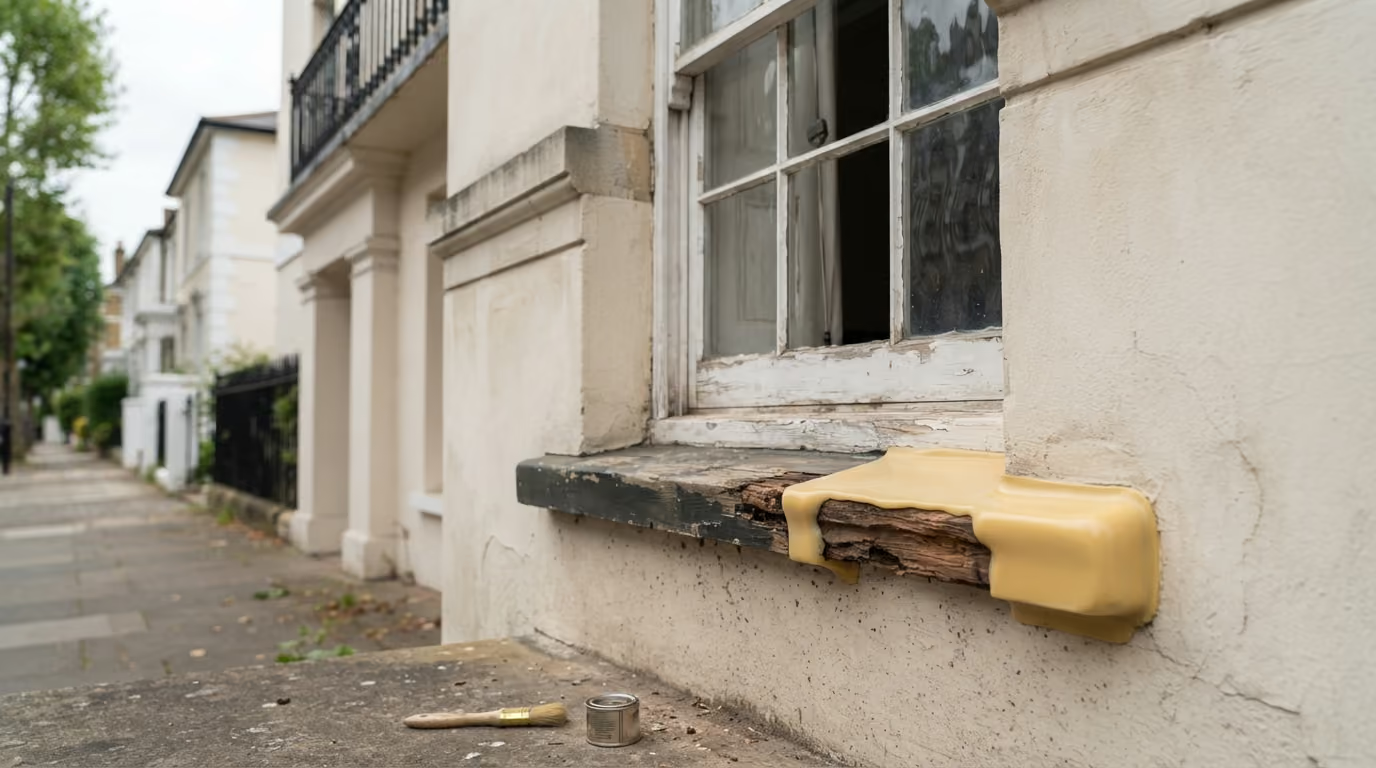
We carry out Repair Care timber repairs and exterior painting across Prime Central London, including Belgravia, Chelsea, Kensington, Notting Hill, Knightsbridge, and Westminster. Our exterior projects include period front doors, door frames, sash windows, timber sills, railings, stucco, and other architectural details that need careful preparation before repainting.
Concerned about rot or damage in a Belgravia exterior door? Send photographs of the full entrance and close views of peeling paint, soft timber, open joints, the threshold, frame corners, and any previous repairs. We can assess whether a Repair Care timber repair may be suitable and plan the restoration as part of a complete exterior painting project. To begin, request a site visit and we will arrange a time that suits you.
Tell us a few details about your project and our team will review the enquiry and come back to you within one working day.