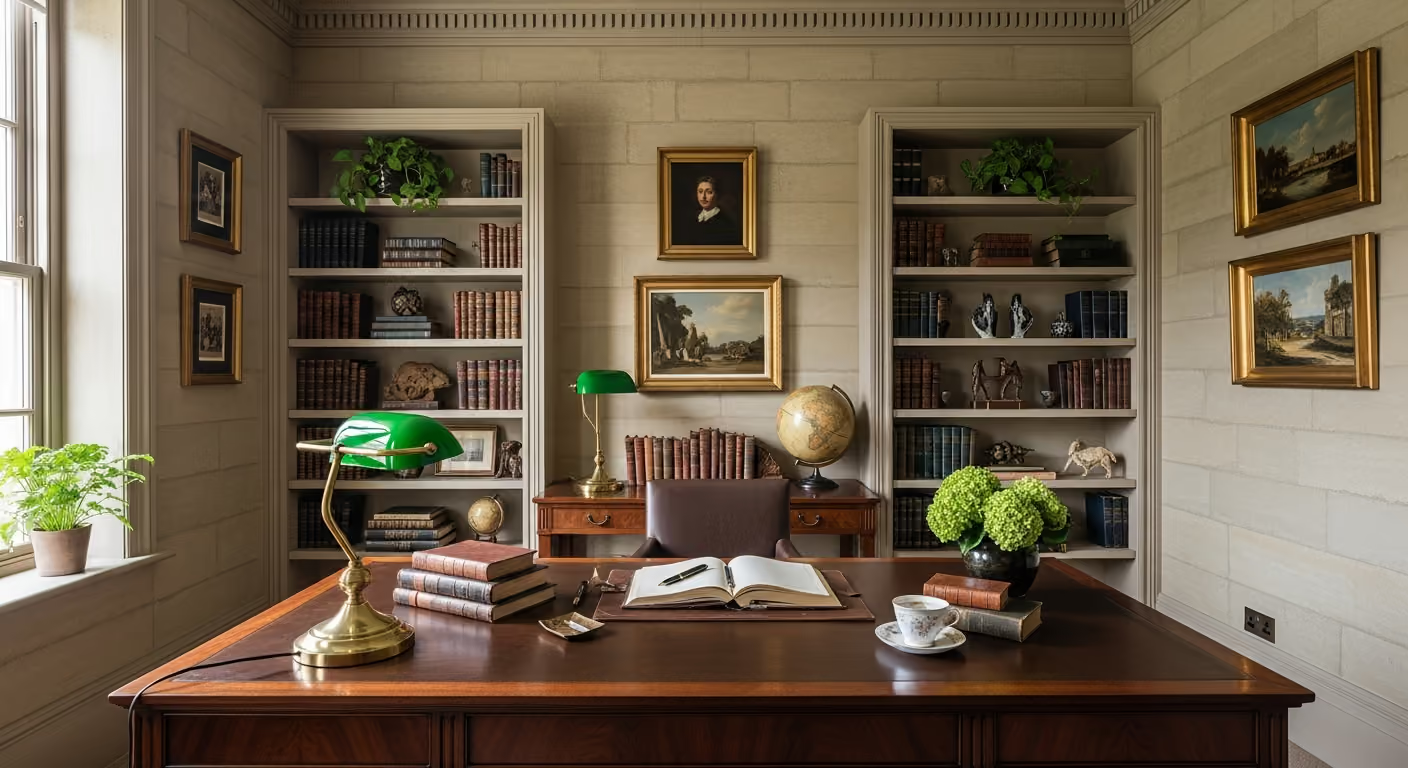
Considering Bauwerk limewash for a Kensington study? This guide explains how to choose the right colour, test it in daylight and evening light, coordinate it with shelving and artwork, and prepare the walls for a calm, layered finish.
The practical answer: Bauwerk limewash can work beautifully in a Kensington study when the room needs more depth and warmth than standard paint can provide. Its soft mineral movement can make a study feel calm, layered, and less formal, especially alongside books, timber furniture, painted joinery, and warm lighting. The key is to choose a restrained colour, test it under both daylight and evening lamps, and prepare the walls properly before application. For specialist advice and application, see our Bauwerk limewash service.
A study has a different atmosphere from most rooms in the home. It needs to support concentration during the day, but it may also become a quieter reading room or private retreat in the evening. In a Kensington property, the space might include built in bookshelves, a writing desk, art, antique furniture, contemporary joinery, a fireplace, or a mixture of all of these.
The wall finish plays an important role in tying these elements together. Plain painted walls can work well, but they sometimes feel too flat beside books, timber, leather, wool, and warm metals. Strong wallpaper can add character, but it may introduce more pattern than the room needs. Bauwerk limewash offers another route. It gives the wall subtle movement and mineral depth while allowing the furniture, art, and shelving to remain the main focus.
This guide explains how to use Bauwerk limewash in a Kensington study, including colour choice, lighting, wall preparation, joinery, artwork, practical use, and when standard paint may still be the better option.
Studies often benefit from a finish that feels quiet rather than perfectly uniform. The room usually contains several materials already, including timber, books, paper, fabrics, painted joinery, glass, and metal. A limewashed wall can bring these elements together without adding another obvious pattern.
Bauwerk limewash works particularly well in studies because:
The result can feel more relaxed than a perfectly flat painted wall while still remaining refined enough for a formal Kensington interior.
Before choosing colour, consider when and how the room is used. A study used mostly during the day needs to work in natural light. A private office used until late evening needs to feel comfortable under lamps. A library used for reading may benefit from a deeper and more enclosed atmosphere.
Ask:
The answers affect both colour and placement. A deeper limewash can feel excellent behind a desk or shelving wall, but may feel too heavy in a small study with little daylight.
Warm stone tones are often a safe choice for Kensington studies because they add depth without making the room dark. They work well with dark timber, oak, walnut, leather, books, brass, and traditional fireplaces.
A warm stone limewash can:
The exact undertone still matters. Some stone colours lean slightly grey, while others have warmer beige or clay undertones. The right option depends on the room, flooring, furniture, and light.
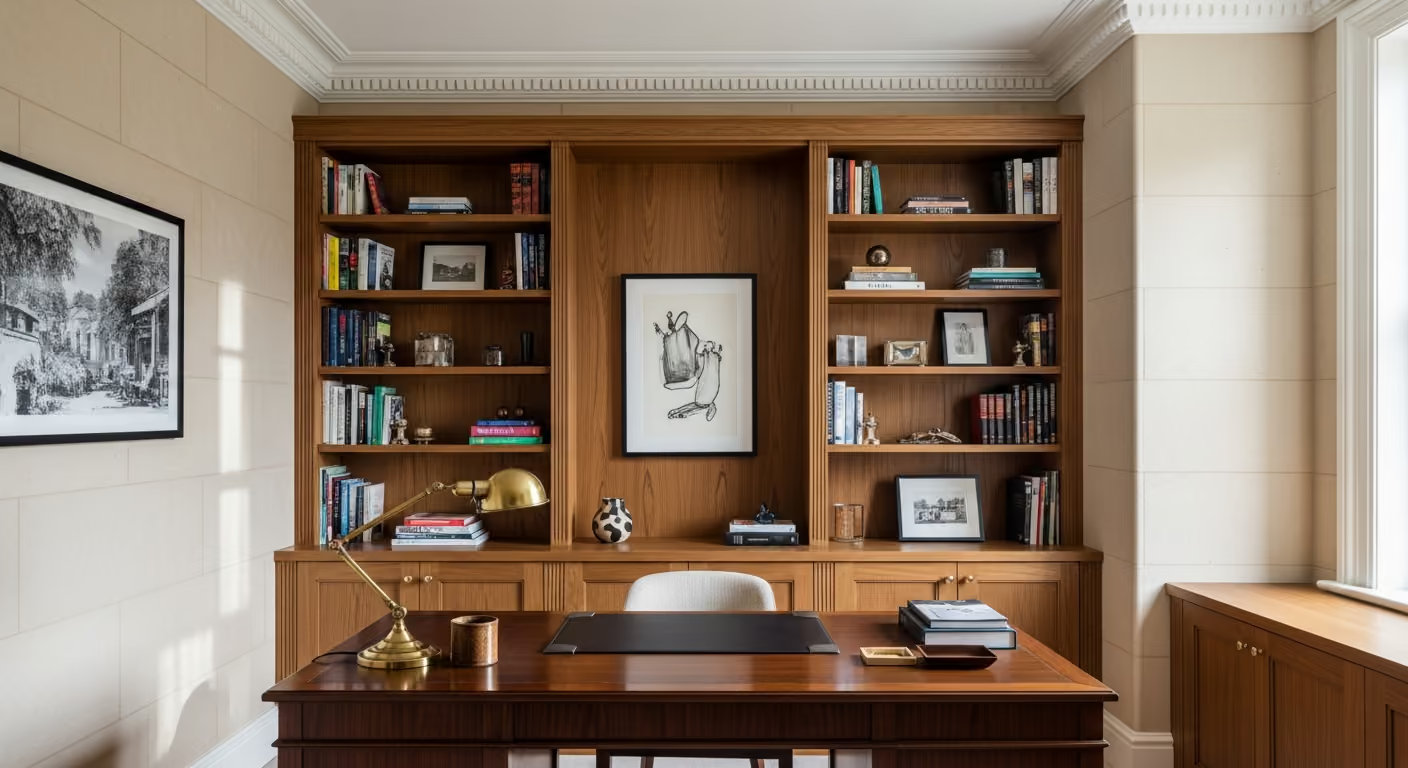
A study can usually carry more depth than a hallway or bedroom. Deeper colours can help the room feel private and focused, particularly when it is used in the evening.
Suitable directions may include:
Deep colour should still be tested carefully. Limewash has natural tonal movement, so the finished wall can feel richer than a small sample suggests. A colour that looks medium on a sample board may become much more atmospheric once used across an entire room.
Many London studies receive indirect or limited daylight. North facing rooms can make cool neutrals feel flatter and greyer than expected. Limewash will still provide movement, but the undertone needs enough warmth to stop the room feeling cold.
In a north facing study, consider:
Samples should be checked on the darkest wall as well as near the window. The darkest wall usually gives the clearest indication of whether the colour has enough warmth.
Studies are often used under several light sources. A desk lamp may create one pool of light. Wall lights can wash the walls. Shelf lighting may highlight books and objects. A pendant or ceiling light may provide the general background.
Limewash responds strongly to this layered lighting because its surface is not perfectly flat in tone. This can be beautiful, but it can also make the wrong colour feel too warm, too dark, or uneven.
Check samples under:
The evening test is particularly important if the study is used after work hours. A colour that feels calm at midday may become much warmer beneath lamps.
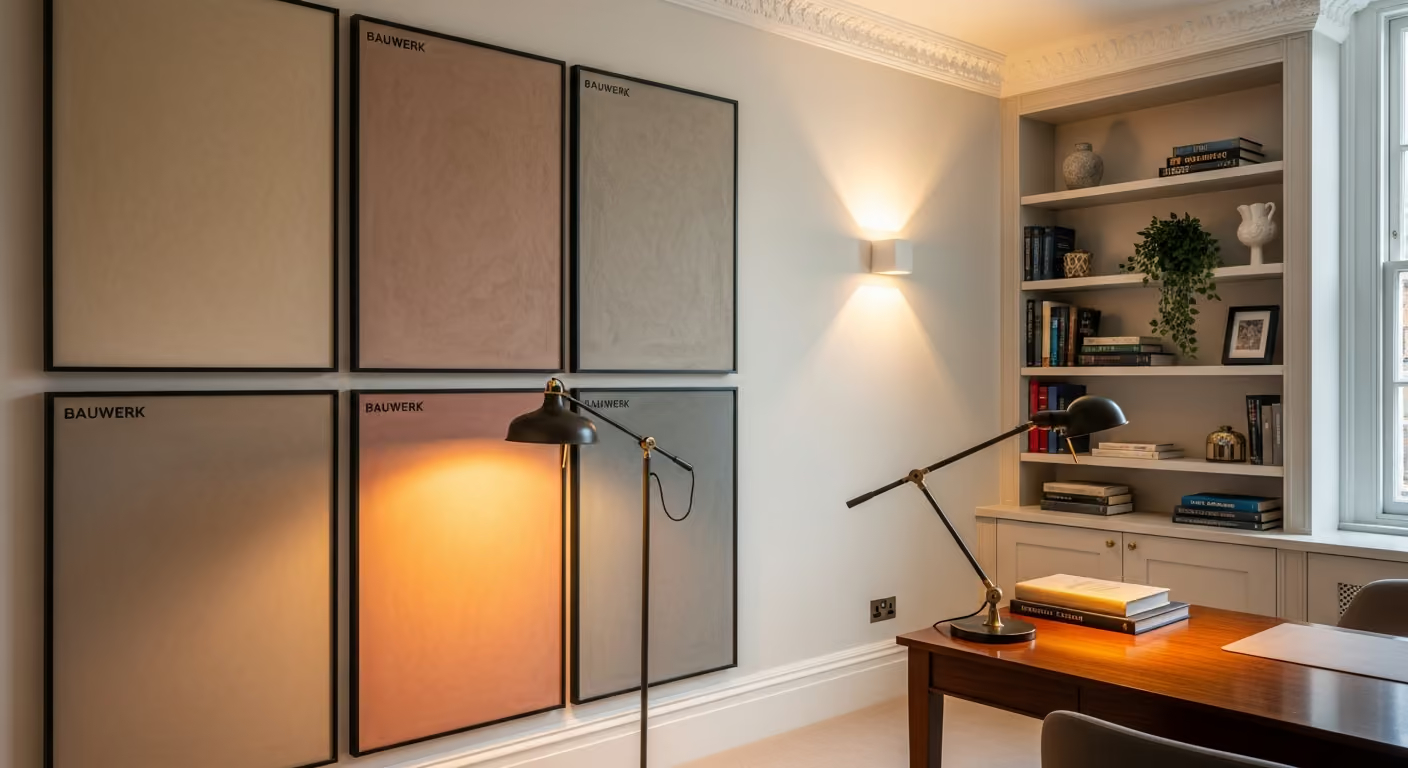
Many Kensington studies include built in shelving. This creates an interesting relationship between smooth painted joinery and softer limewashed walls.
If shelves cover most of one wall, the limewash may appear mainly:
A smooth painted or spray finished bookshelf can create a beautiful contrast with limewash. The joinery gives crisp lines, while the walls add natural movement.
Colour should be coordinated carefully. Warm stone walls may work with soft off white, putty, or deeper olive joinery. A cold white shelving unit can look harsh against warmer limewash.
If the joinery also needs refinishing, it should be planned through our interior painting and decorating service before the final limewash application.
It can. Limewash behind open shelves can add beautiful depth around books and objects. It works especially well where shelf lighting catches the wall softly.
However, this area needs careful preparation because close lighting can highlight every irregularity. Fixing holes, rough plaster, filler edges, and previous repairs may all become visible.
Before finishing behind shelving, confirm:
Changing shelf positions after limewash has been completed can create new holes that may be harder to touch up invisibly.
Bauwerk limewash should not be treated as a way to hide uneven walls. Its natural movement can make the finish feel forgiving from a distance, but poor repairs can still show clearly under side light.
Preparation may include:
This is especially important in studies where shelves, lamps, and framed art bring the eye close to the wall.
Studies often contain framed artwork, photography, certificates, maps, or prints. Walls may already have a long history of previous fixings.
Before limewashing:
Limewash can be repaired later, but small touch ups are not always as straightforward as with standard paint. Planning the main artwork positions early reduces unnecessary future repairs.
The matt mineral surface of limewash makes a strong background for art. It reduces harsh reflections and gives framed pieces enough contrast without creating the severe gallery effect of brilliant white.
Warm stone and taupe work well with:
Olive and deeper stone tones can make pale artwork stand forward more strongly. The wall should support the collection rather than compete with it.
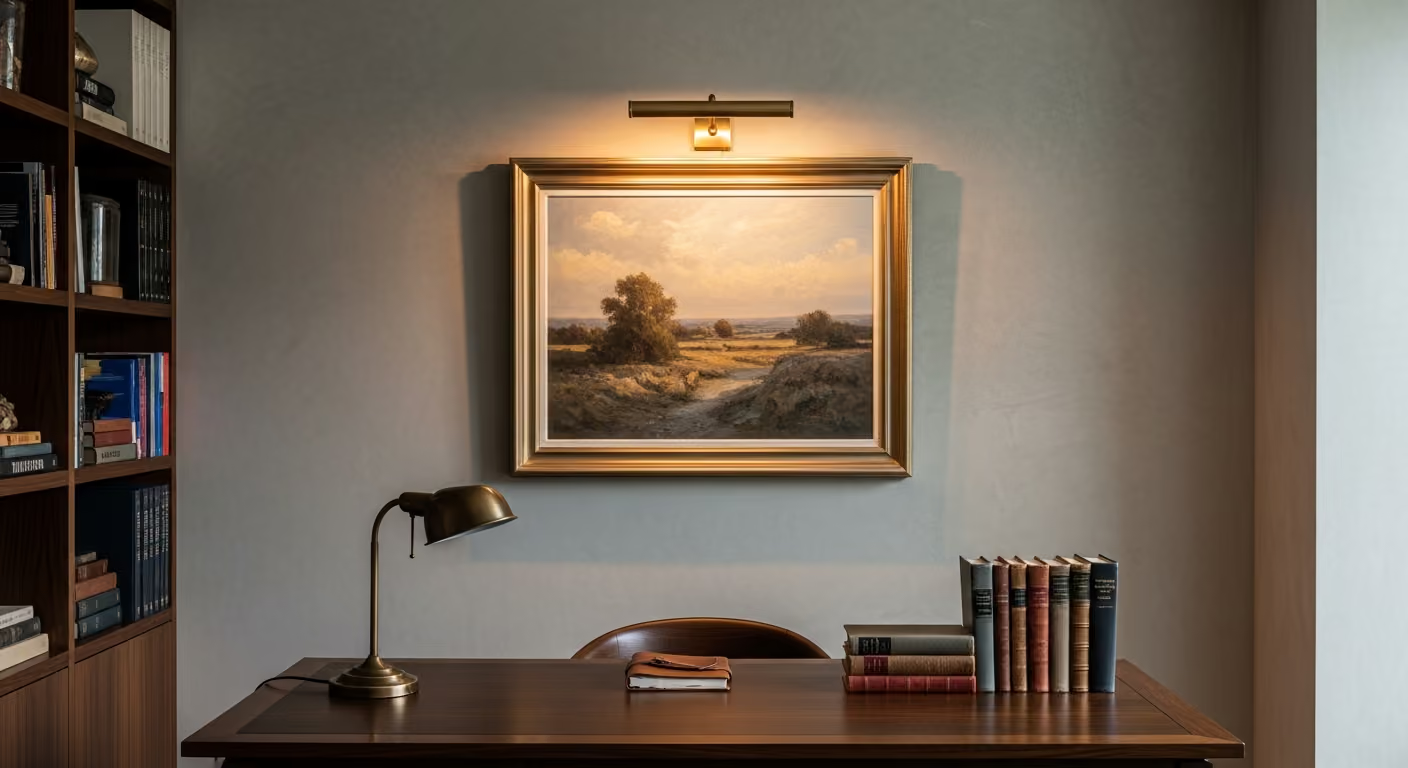
Period studies often include cornices, ceiling roses, panelled doors, or decorative plasterwork. Limewashed walls can make these details feel even more defined if the upper trim remains clean and controlled.
A softened white is often better than brilliant white because it creates less contrast with warm limewash colours. The exact ceiling and cornice shade should be tested alongside the wall sample.
A cold ceiling white can make warm stone limewash look more yellow. A very creamy white can make a neutral limewash feel grey. Both finishes need to be chosen together.
A fireplace can provide a natural focal point in a study. Limewash often works beautifully around stone, marble, timber, and painted surrounds because the wall surface feels softer than standard paint.
Check the limewash colour beside:
A stone fireplace may naturally suggest the right wall undertone. Rather than matching it exactly, the limewash can use a related warmer or deeper shade.
For most studies, a full room treatment creates the most cohesive effect. It allows the mineral variation to move naturally around the space and makes the room feel settled.
Full room limewash works well when:
A single limewash wall may work when:
A feature wall should have a clear reason. In a traditional study, using limewash around the full room often feels more natural than isolating one wall.
A private study is generally a suitable environment for limewash because walls are not usually exposed to the heavy contact found in hallways or family kitchens. The finish still needs sensible care.
Think about:
Furniture should have enough clearance to avoid repeated rubbing. High contact areas may be better protected with joinery, shelving, or a more practical painted finish.
Bauwerk limewash is not the right answer for every study. Standard paint may make more sense when practicality, easy touch ups, or a completely uniform background are more important than mineral texture.
Standard paint may be better when:
The finish should reflect how the study is used, not simply how it looks in an inspiration image.
The most successful studies feel quiet and complete. The limewash should support the architecture, books, art, and furniture without asking for attention every time you enter the room.
Is Bauwerk limewash suitable for a study? Yes. A private study is often a good setting because it benefits from depth and atmosphere while usually having lower wall contact than circulation spaces.
What colours work best in a Kensington study? Warm stone, putty, muted olive grey, soft taupe, clay neutrals, and deeper stone tones can all work well depending on the natural light and furniture.
Can limewash be used behind bookshelves? Yes, particularly behind open shelving. Wall preparation and lighting need careful planning because the area may be viewed closely.
Does limewash work with dark timber furniture? Very well. Warm mineral tones can soften dark timber and create a more layered background.
Can artwork be hung on limewashed walls? Yes. Fixings should be planned carefully, especially for heavier pieces, and main artwork positions are best decided before decoration where possible.
Should the whole study be limewashed? Often, yes. A full room treatment tends to feel calmer and more complete than a single feature wall, especially with subtle colours.
We carry out Bauwerk limewash projects across Prime Central London, including Kensington, Chelsea, Belgravia, Notting Hill, Knightsbridge, and Westminster. Our work includes studies, libraries, reception rooms, bedrooms, dining rooms, entrance halls, and other interiors where colour, wall preparation, lighting, and joinery need to work together.
Considering Bauwerk limewash for a Kensington study? Send photographs of the room, including the windows, desk, shelving, fireplace, artwork, lighting, and any colours you are considering. We can assess the wall condition, plan suitable samples, and help choose a finish that gives the room more depth while keeping it calm and comfortable for daily use. To begin, request a site visit and we will arrange a time that suits you.

Tell us a few details about your project and our team will review the enquiry and come back to you within one working day.