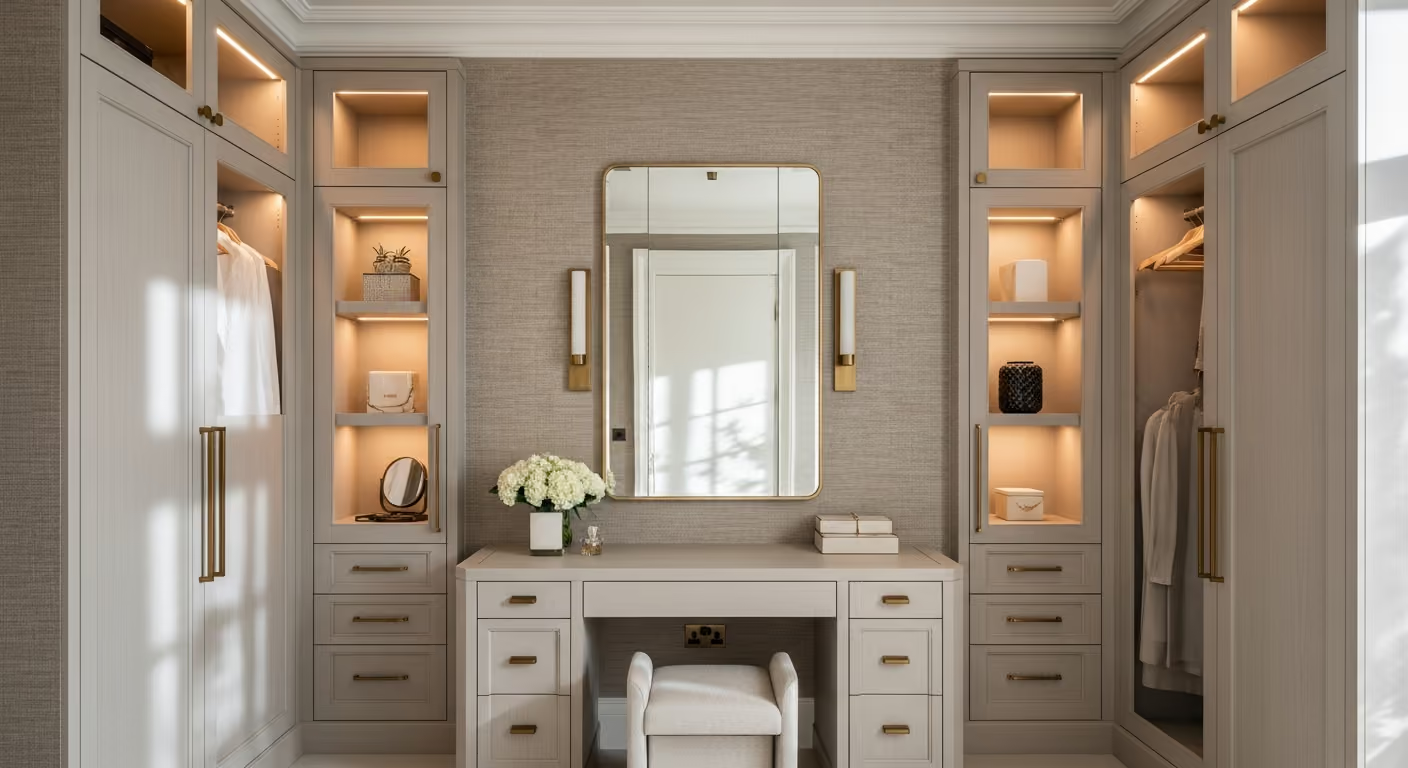
Considering wallpaper for a Knightsbridge dressing room? This guide explains how to choose the right texture, pattern, and colour, coordinate it with fitted wardrobes and mirrors, and plan the lighting, seams, wall preparation, and installation sequence for a refined result.
The practical answer: Wallpaper can make a Knightsbridge dressing room feel warmer, more personal, and more refined than painted walls alone. The best choice usually has enough texture or pattern to add character without competing with wardrobes, mirrors, lighting, fabrics, and clothing. Careful wall preparation, sample testing, seam planning, and coordination with the fitted joinery are essential. For professional preparation and installation, see our wallpaper service.
A dressing room is a private space, but it still deserves the same level of thought as a bedroom or reception room. It is used every day, often under a mixture of natural and artificial light. It may contain full height wardrobes, mirrors, dressing tables, upholstered seating, open shelves, jewellery storage, and carefully selected hardware.
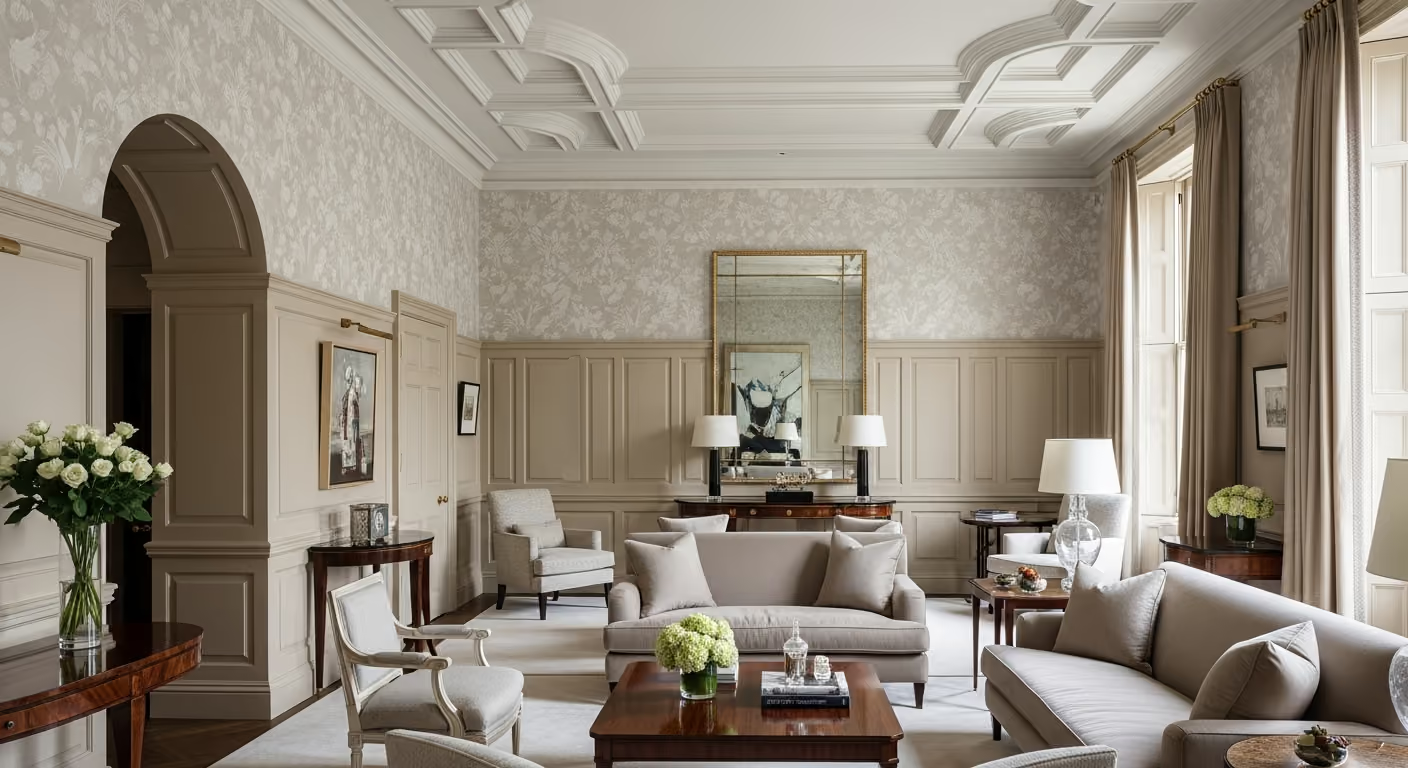
Paint can create a clean background, but it can also leave a dressing room feeling slightly flat, especially when much of the wall is already covered by fitted joinery. Wallpaper introduces another layer. It can soften large wardrobe surfaces, frame a dressing table, add depth behind open shelving, or make the room feel more complete without taking up any physical space.
The challenge is choosing a wallcovering that works with everything else in the room. A strong pattern may look beautiful on a sample but become distracting beside rows of wardrobe doors. A delicate textile wallcovering may feel luxurious but need more careful placement. A reflective paper may brighten the room, or it may create too much glare around mirrors and lighting.
This guide explains how to choose wallpaper for a Knightsbridge dressing room, where to use it, how to coordinate it with fitted wardrobes, and what should be considered before installation begins.
Dressing rooms often include many smooth and practical surfaces. Wardrobe doors, mirrors, drawer fronts, handles, and painted joinery can make the room feel ordered, but sometimes a little hard. Wallpaper introduces softness without interfering with storage or circulation.
It can help a dressing room feel more refined because:
The aim is not to make the wallpaper the only feature. It should support the room and make the wardrobes, mirrors, lighting, and furniture feel more connected.
In most dressing rooms, the wardrobes are the largest visual element. Their colour, door style, sheen, and hardware should influence the wallpaper choice.
Before selecting samples, consider:
If the wardrobes already have strong panel detail or a rich colour, a quieter wallpaper will usually work best. If the wardrobes are simple and pale, the wallcovering can carry more pattern or texture.
Wallpaper should be chosen alongside the joinery, not added after every other decision has been made. For fitted wardrobes that also need repainting or spray finishing, the wallcovering and joinery colours should be planned together through our interior painting and decorating service.
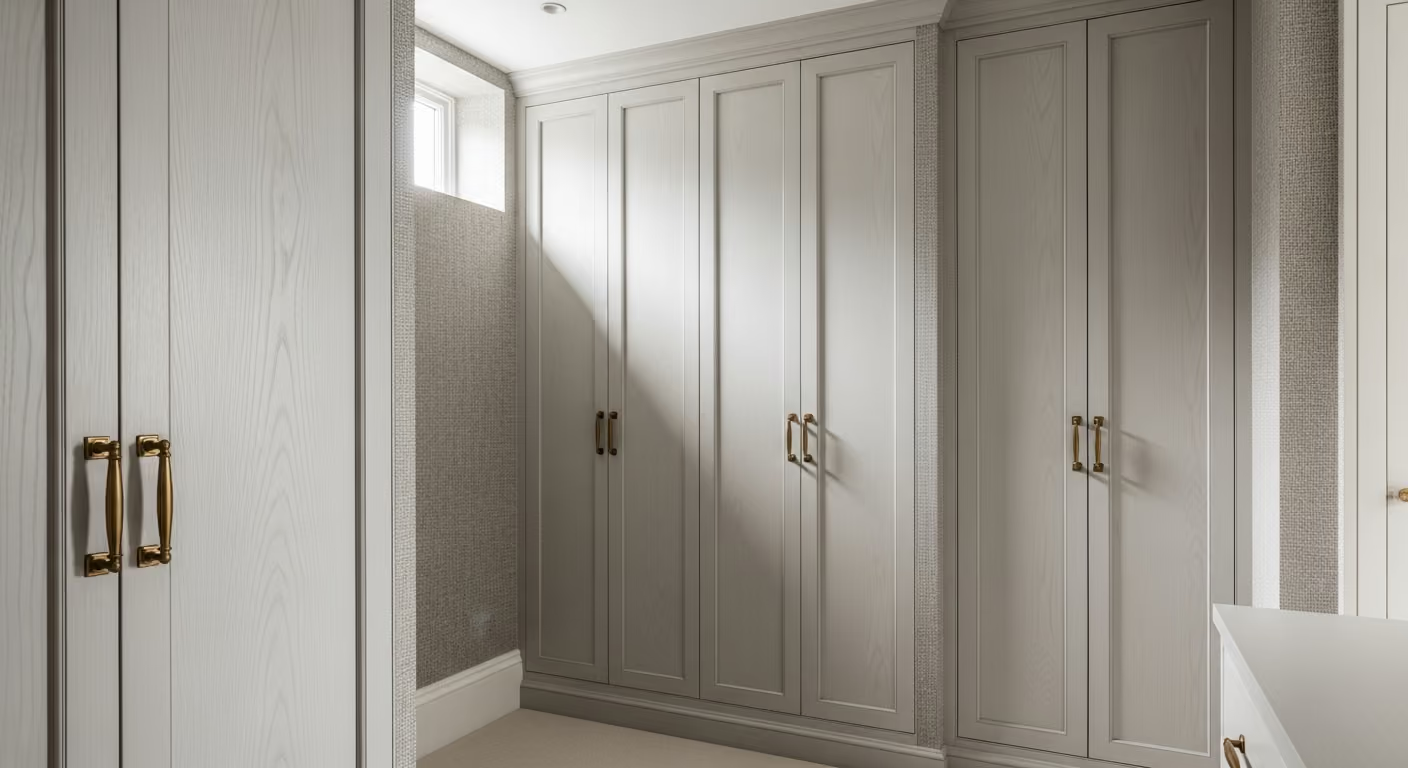
Some dressing rooms have only one clear wall. Others have narrow sections between wardrobes, space above fitted units, or an open dressing table area. The amount of visible wall should influence the type of wallpaper selected.
A large uninterrupted wall can support:
Narrow wall sections are usually better suited to:
A large pattern can be wasted if only small fragments remain visible between wardrobes and mirrors. Always judge the design within the actual wall dimensions rather than from the full sample book.
The dressing table wall is often the natural focal point. It may include a mirror, wall lights, drawers, a stool, artwork, or jewellery storage. Wallpaper can give this area a clear identity and make it feel more considered.
Good options include:
The wallpaper should not compete with the mirror. If the mirror frame is decorative, the wallcovering may need to remain quiet. If the mirror is simple, the wallpaper can introduce more character.
Lighting is also important. Wall lights beside the mirror may reveal texture, seams, or surface imperfections. Samples should be checked beneath the actual lighting before the final choice is made.
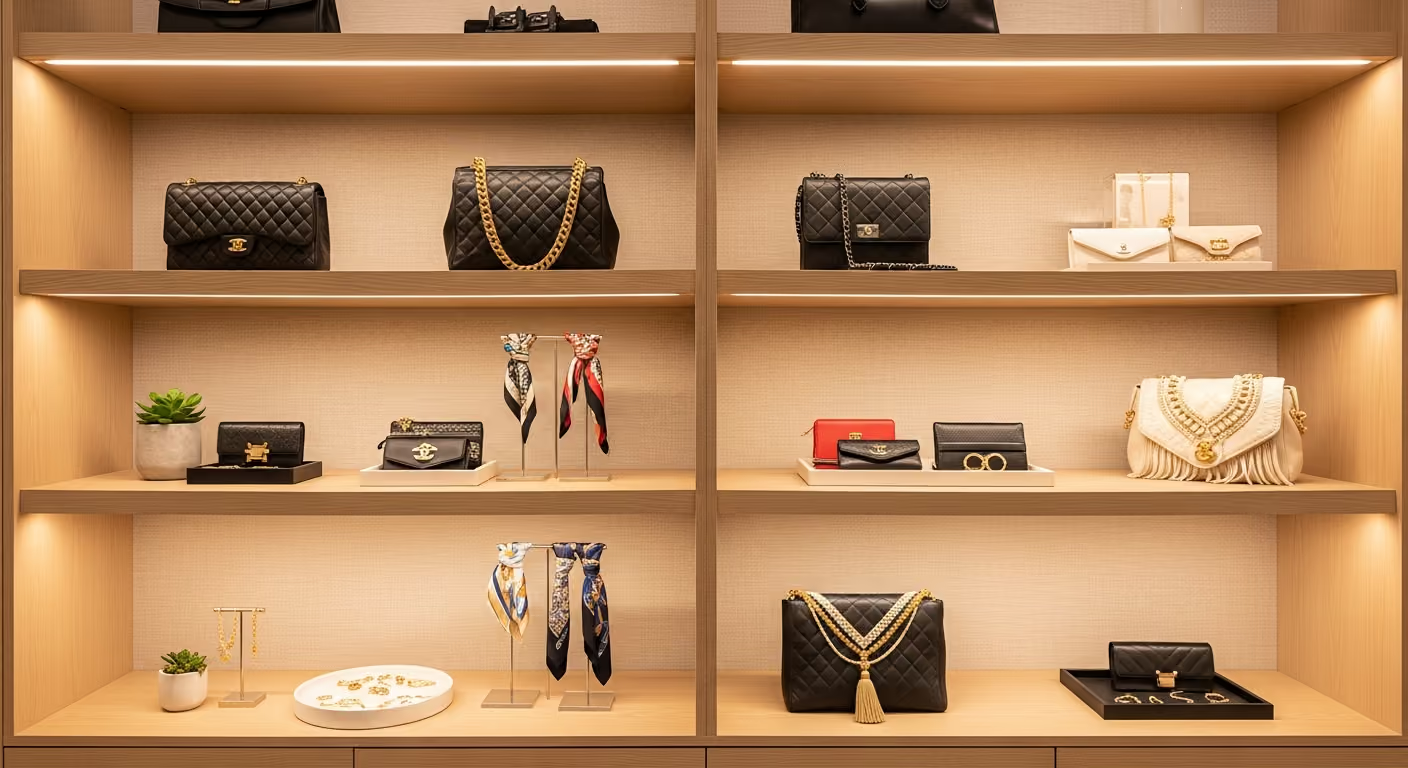
Wallpaper behind open shelves can add depth and make displayed items feel more intentional. This works particularly well for handbags, shoes, jewellery boxes, books, perfume bottles, and decorative objects.
A wallcovering behind shelves should usually be quieter than one used across a large empty wall. Once objects are placed in front of it, the combined view can become busy.
Strong choices include:
Shelf lighting will affect the result. Light directed down the wall can make texture look beautiful, but it can also highlight seams and uneven preparation. The wall needs to be properly prepared before the paper is installed.
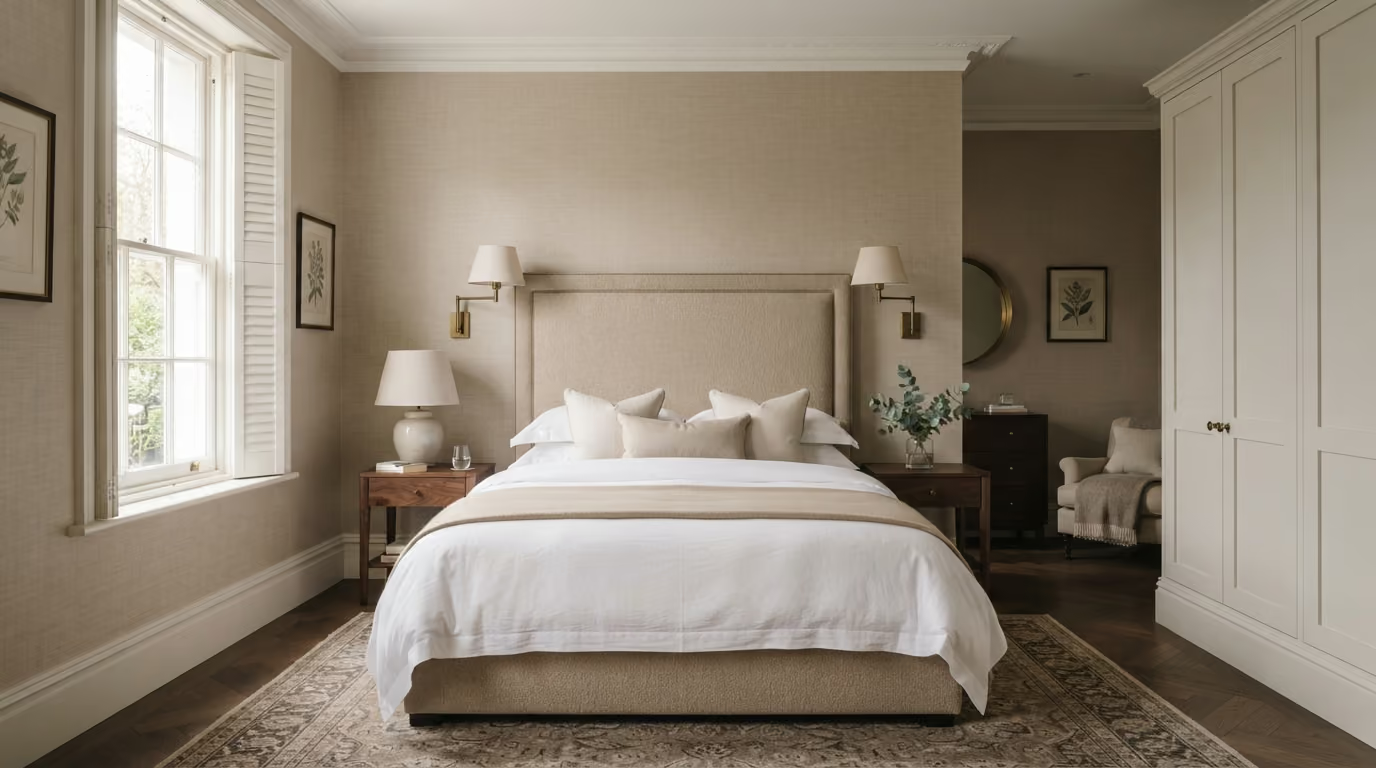
Textile wallcoverings are especially suitable for dressing rooms because they add warmth without relying on obvious pattern. Silk, linen, grasscloth, and other natural fibre finishes can make the space feel softer and more layered.
Linen wallcovering offers:
Silk wallcovering offers:
Grasscloth offers:
Natural fibre wallcoverings often show seams and tonal variation. This is part of their character. They are best for clients who appreciate a natural surface rather than a perfectly uniform finish.
Fabric backed vinyl should not be confused with textile wallcoverings. It is a different product category and is generally selected for greater practicality and resistance to wear.
It may be considered when:
A private dressing room may not require a hospitality grade product, but it can still be useful where practical performance is more important than natural material character.
Dressing rooms often have limited natural light, especially when they sit between a bedroom and bathroom or occupy an internal area of the home. Colour should be chosen with both daylight and artificial lighting in mind.
Reliable directions include:
Very cool greys can feel flat beneath dressing room lighting. Brilliant white can create a harsh contrast beside warm timber, brass hardware, and soft fabrics. Warmer neutrals are often more flattering and easier to connect with clothing and skin tones.
A dressing room is rarely empty. Clothing, shoes, bags, curtains, upholstery, and rugs all introduce colour. A wallpaper that looks calm on its own may feel busier once the wardrobes are open or accessories are displayed.
When testing samples, view them beside:
The wallpaper does not need to match the contents of the wardrobe, but it should provide a calm background. Highly contrasting patterns can make the room feel more visually crowded once clothing is visible.
Dressing room lighting is designed for practical use, but it also changes the appearance of the walls. Ceiling lighting, integrated wardrobe lighting, mirror lighting, wall lights, and lamps may all be present in one small space.
Samples should be checked beneath:
A paper with a subtle reflective surface may brighten a darker room. The same paper may create too much glare when placed opposite a large mirror. A grasscloth may look warm under lamps but too dark in shaded corners. Testing should happen in the actual room.
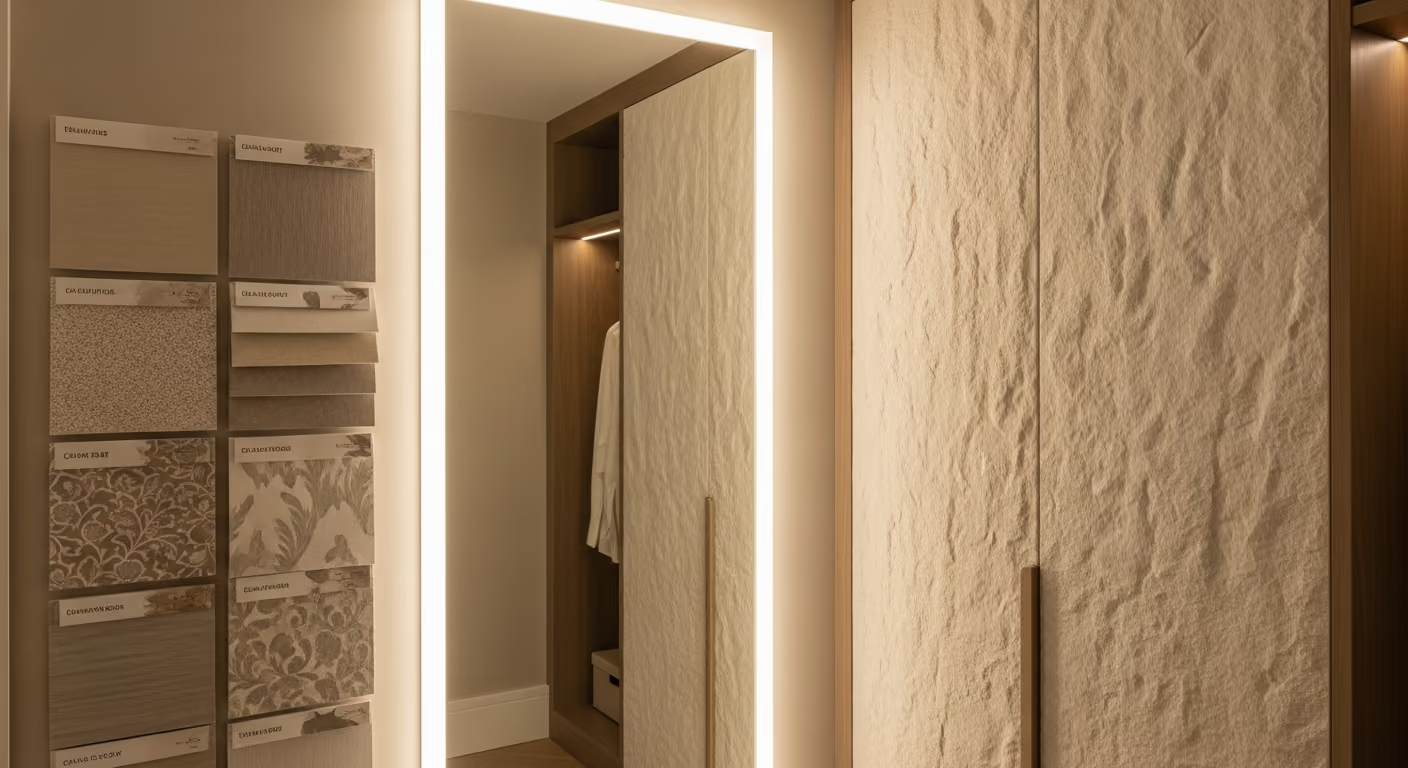
Mirrors make a dressing room feel larger, but they also reflect wallpaper. A strong pattern may appear twice, which can make it feel more dominant than expected. Reflective or metallic wallcoverings can also create additional brightness.
Before selecting the paper, check:
A dressing room should feel composed when standing at the entrance, at the mirror, and beside the wardrobes. The reflected view is part of the design.
Wallpaper does not hide poor walls. Raised filler, old fixing holes, uneven plaster, previous adhesive, and rough paint can all affect the final result. Dressing room lighting often falls close to the walls, which makes preparation even more important.
Good preparation may include:
Textile and reflective wallcoverings can show imperfections more clearly than some printed papers. The wall preparation should suit the exact product being installed.
Wallpaper and fitted joinery need a clear working sequence. If wardrobes are being installed, adjusted, or repainted, this work should be planned before the wallcovering is completed.
A typical sequence may include:
Installing wallpaper before major joinery work can expose it to damage, dust, and new cutting. Good sequencing protects both finishes.
Dressing rooms often contain several corners, wardrobe returns, mirrors, doors, and short wall sections. This can make seam placement more complex than in a simple bedroom.
Setting out should consider:
With grasscloth and other natural fibre wallcoverings, seams may remain visible. They should be placed thoughtfully rather than treated as defects that must disappear completely.
A full wallpaper treatment can make a dressing room feel wrapped, warm, and complete. It works especially well with subtle patterns and textile wallcoverings.
Full room wallpaper works well when:
A single feature wall works well when:
One wallpapered wall should have a clear purpose. Without a natural focal point, it can feel disconnected from the rest of the room.
Some sections of a dressing room may receive too much contact for delicate wallpaper. Consider how doors open, where luggage is stored, and whether furniture moves against the walls.
More practical paint may be better:
The room can still use wallpaper in quieter sections. A combination of wallpaper and carefully coordinated paint may be more practical than forcing one finish into every area.
The strongest dressing rooms feel layered but controlled. Wallpaper should add depth while allowing the joinery, mirrors, lighting, and clothing to remain visually organised.
Is wallpaper practical in a dressing room? Yes, especially on walls that are not exposed to frequent rubbing or luggage. More delicate materials should be kept away from the highest contact areas.
What wallpaper works best with fitted wardrobes? Textured neutrals, linen effects, fine patterns, and quiet textile wallcoverings often work well. The exact choice depends on the wardrobe colour and style.
Can wallpaper be installed behind open shelving? Yes. A subtle wallcovering can add depth behind shelves, but lighting, seams, and the items being displayed should be considered.
Will mirrors make the pattern look too busy? They can. Wallpaper should be checked from mirrored angles because the design may appear stronger when reflected.
Should wallpaper be installed before fitted wardrobes? Usually, major joinery work should be completed first. The correct sequence depends on whether the wallpaper continues behind the units or stops at the joinery.
Are textile wallcoverings suitable for dressing rooms? Yes. Silk, linen, grasscloth, and other textile wallcoverings can add warmth and quiet luxury, provided their natural variation and maintenance needs suit the space.
We install wallpaper and textile wallcoverings across Prime Central London, including Knightsbridge, Belgravia, Chelsea, Kensington, Notting Hill, and Westminster. Our projects include dressing rooms, bedrooms, studies, dining rooms, entrance halls, and reception rooms where careful preparation and setting out make a visible difference.
Considering wallpaper for a Knightsbridge dressing room? Send photographs of the room, including the fitted wardrobes, dressing table, mirrors, lighting, flooring, and any wallcovering samples you are considering. We can assess the preparation required, plan the pattern and seam positions, and help coordinate the wallpaper with the joinery and wider interior. To begin, request a site visit and we will arrange a time that suits you.
Tell us a few details about your project and our team will review the enquiry and come back to you within one working day.