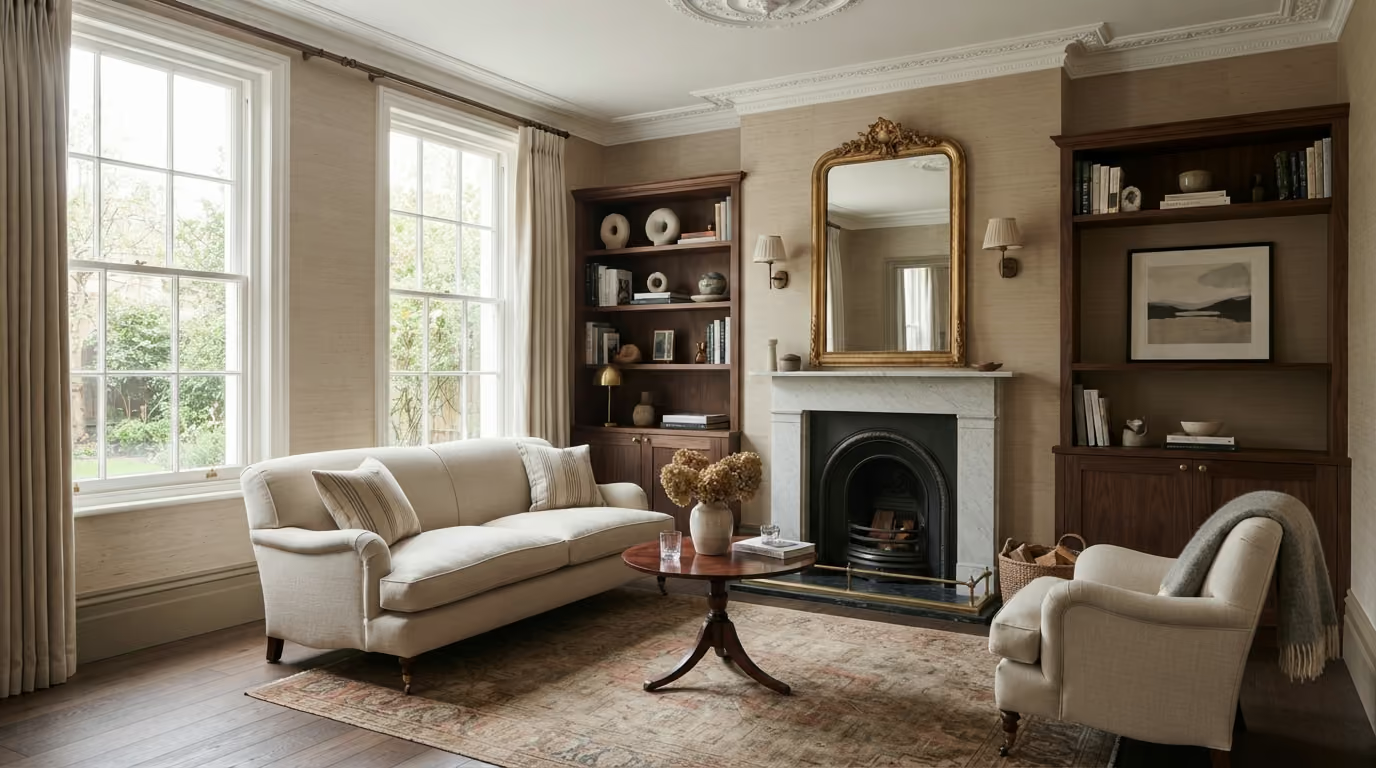
Wallpaper can add depth, texture, and character to a Chelsea reception room, but the best results come from planning around the architecture. This guide explains how fireplaces, alcoves, fitted joinery, artwork, curtains, lighting, pattern scale, grasscloth, textile wallcoverings, and wall preparation all affect the finished result.
The practical answer: wallpaper can work beautifully in a Chelsea reception room, but the most successful schemes are planned around the architecture rather than chosen from a sample in isolation. Fireplaces, cornices, doors, alcove cabinetry, artwork, curtains, and the amount of natural light all influence how a pattern or textured wallcovering will read once it covers an entire room. For specialist preparation and installation, see our wallpaper service.
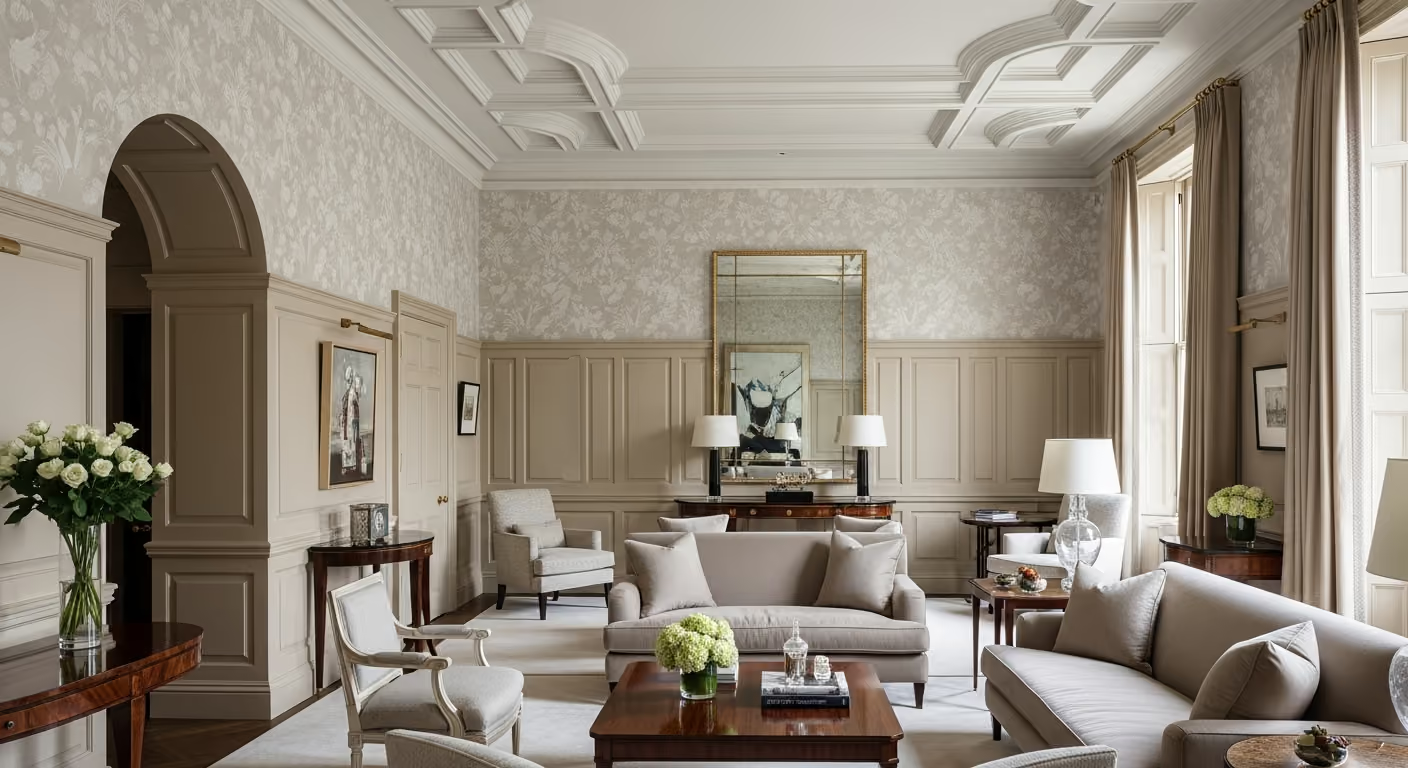
Reception rooms in Chelsea often contain more architectural detail than bedrooms or secondary spaces. A single room may include tall sash windows, a marble fireplace, ceiling cornices, decorative mouldings, fitted alcove cabinets, panelled doors, and several pieces of artwork.
Wallpaper has to sit comfortably with all of these elements.
A design that looks restrained on a small sample can become much stronger once repeated around four walls. Conversely, a wallpaper that initially appears detailed may feel surprisingly calm when much of it is interrupted by windows, doors, furniture, and artwork.
This guide explains how to choose wallpaper for a Chelsea reception room, including pattern scale, fireplaces, alcoves, fitted joinery, artwork, natural light, textile wallcoverings, grasscloth, wall preparation, seam planning, and whether the whole room or only selected walls should be covered.
The room itself should determine the direction.
Before looking at patterns, identify the main fixed elements:
These elements divide the walls into visible sections and affect how much of the wallpaper can actually be seen.
A room with large windows, double doors, and fitted cabinetry may have relatively little uninterrupted wall area. In that situation, a larger pattern can sometimes work better than expected because the architecture continually breaks it up.
A simpler room with long uninterrupted walls may make the same design feel considerably stronger.
In many Chelsea reception rooms, the fireplace provides the natural centre of the room.
The wallpaper should therefore be considered beside:
A heavily veined marble fireplace may already provide significant movement. A very active wallpaper beside it can make both surfaces compete.
A quieter textile wallcovering, subtle pattern, or restrained colour can allow the stone to remain the focal point while giving the surrounding walls more depth than plain paint.
Where the fireplace is simpler, the wallpaper may be able to carry more visual detail.
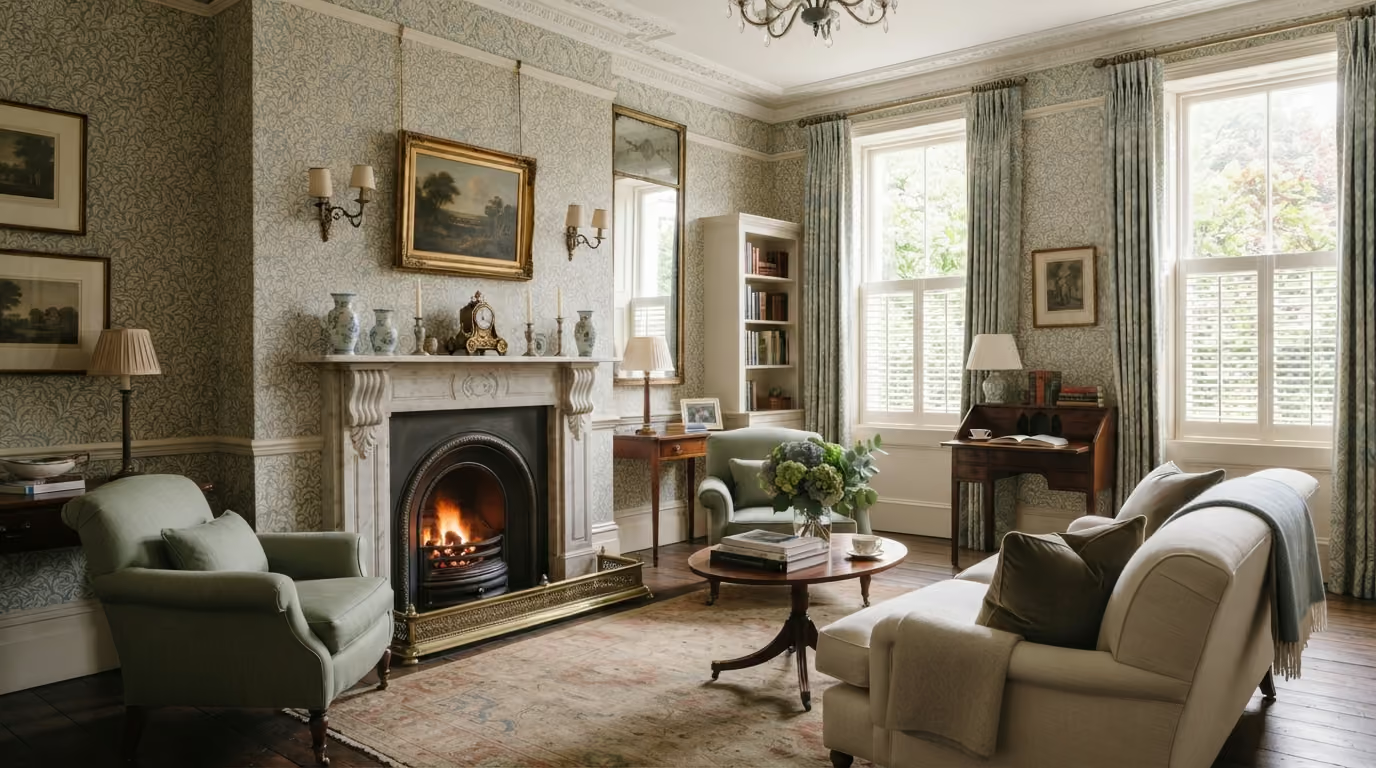
It can be.
Wallpapering the chimney breast can create a continuous treatment across the room and often works particularly well with restrained patterns and textured wallcoverings.
However, there are situations where a different treatment makes sense.
The chimney breast might remain painted when:
The decision should be based on the whole elevation rather than assuming the chimney breast must become a feature wall.
In a formal reception room, wrapping the wallpaper around the entire space can create a more complete and architectural result.
This is particularly effective with:
A single feature wall can still work, but it should have a clear reason for being different.
For example, the room may contain one strong uninterrupted elevation behind a sofa while the remaining walls are dominated by windows and joinery.
Choosing one wall simply because a patterned wallpaper feels too strong everywhere can sometimes indicate that the design itself is not the best choice for the room.
A floral wallpaper is not automatically traditional, and a geometric wallpaper is not automatically contemporary.
Scale, colour, contrast, and spacing have a much greater effect on how the room feels.
A large pattern may work well in a generous Chelsea reception room because it can be appreciated from a distance.
A very small repeated pattern may create more visual activity because it appears across the entire surface.
When assessing pattern scale, consider:
Many period Chelsea properties have generous ceiling heights.
This gives wallpaper more space to breathe and can make larger designs feel proportionate rather than overwhelming.
However, the pattern still needs to work with the cornice.
If a very large motif finishes awkwardly directly beneath an ornate cornice, the top of the wall can feel visually crowded.
It is worth viewing a large sample at full wall height rather than judging the design only at eye level.
A traditional white cornice creates a strong boundary at the top of the wall.
This can look crisp and elegant, but a brilliant white cornice may feel too sharp beside a warm wallpaper.
Possible approaches include:
If the cornice needs repainting, it is useful to choose its colour at the same time as the wallpaper rather than treating it as a default white.
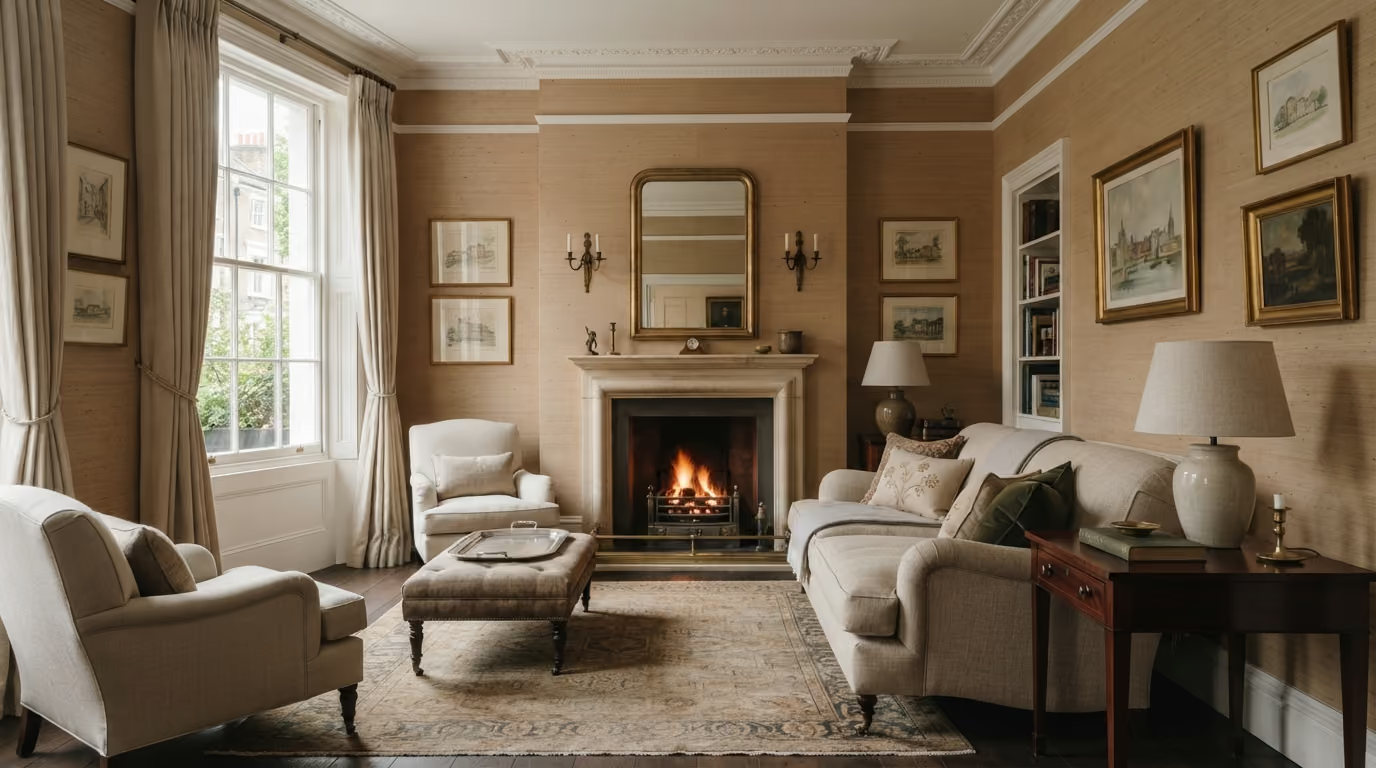
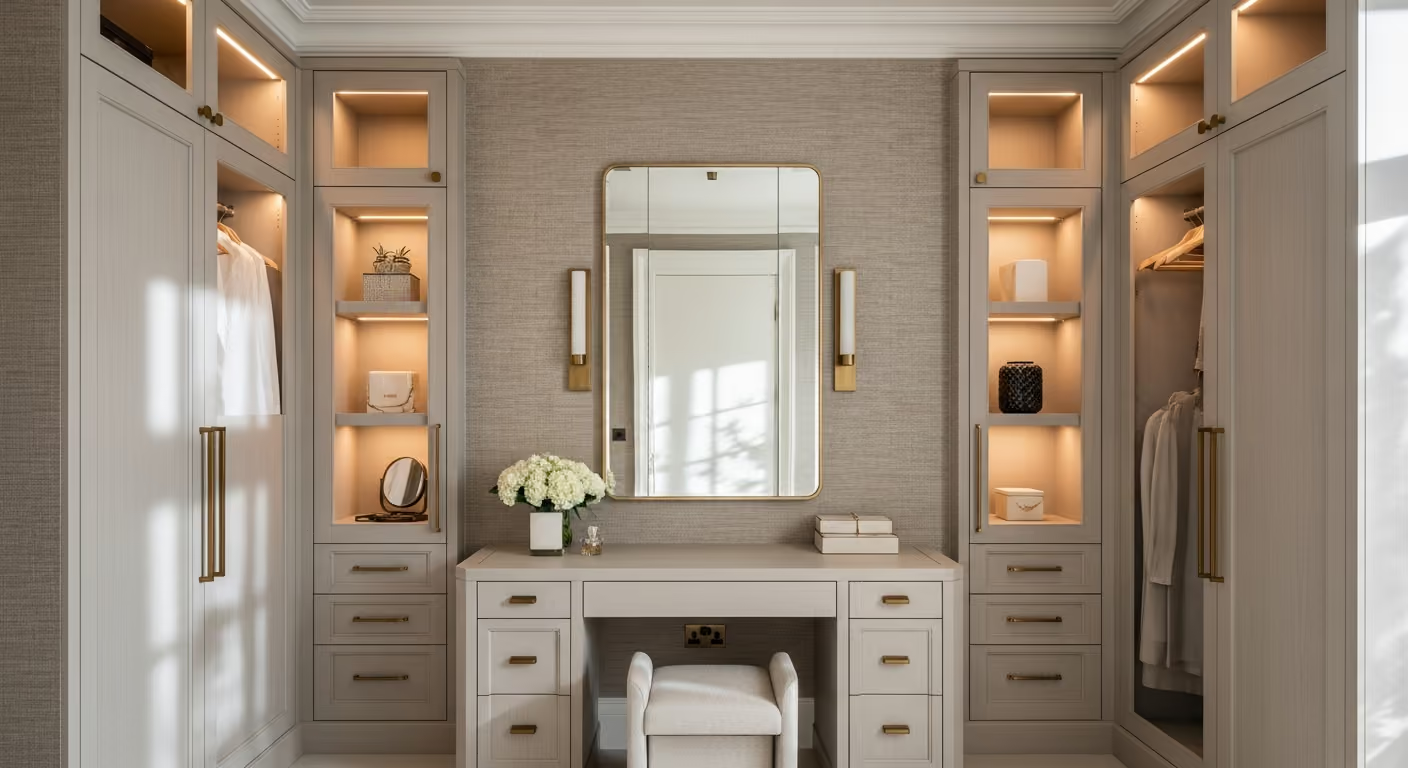
Silk, linen, and other textile wallcoverings can introduce depth without relying on a strong printed pattern.
This can suit rooms containing:
The texture reacts to natural and artificial light, creating variation across the wall throughout the day.
This can make the room feel richer while allowing the architectural elements to remain dominant.
Silk wallcoverings can look very different depending on the direction of the light.
A wall beside a tall sash window may appear lighter or more reflective than the same material on the opposite side of the room.
This is part of the character of the material, but it makes sample testing particularly important.
It also means the wall beneath needs to be prepared carefully.
Fine irregularities can become visible when light moves across a delicate surface.
Grasscloth has a more natural, informal surface than silk.
It can work beautifully in Chelsea reception rooms where the aim is warmth and texture rather than a perfectly uniform decorative surface.
Natural grasscloth may show:
These are characteristics of the material.
For clients who want every wall to look completely even, a natural fibre wallcovering may not be the right choice.
For those who appreciate material variation, it can give a room exceptional depth.
Fabric backed vinyl is a separate category and should not be confused with silk, linen, or other textile wallcoverings.
It is often selected where greater practical performance is required and is commonly used in hospitality and high use interiors.
In a private reception room, the decision should be based on the required appearance and practical demands rather than assuming every fabric related wallcovering offers the same surface character.
Alcove cabinets are common beside period fireplaces.
The wallpaper may:
If the back of the shelving remains visible, continuing the wallpaper behind it can create a layered result.
This works particularly well where the cabinets are painted in a contrasting colour.
However, all shelf positions, electrical wiring, and integrated lighting should be finalised before the wallcovering is installed.
Painted joinery and wallpaper occupy large neighbouring surfaces.
A cabinet colour that looks neutral by itself may reveal a strong undertone once it is placed beside the wallcovering.
For example:
Samples should be viewed together in the actual room.
If the cabinetry also needs refinishing, this can be coordinated through our interior painting and decorating service before the wallpaper is installed.
Reception rooms often contain more artwork than other areas of the home.
Wallpaper creates the background for every piece.
If the collection includes colourful paintings, a quieter wallcovering may allow the artwork to remain dominant.
If the room contains restrained monochrome works or a small number of pieces, the wallpaper may carry more pattern or colour.
Consider:
Large paintings and mirrors may need substantial fixings.
Where their final positions are already known, planning these before installation can reduce unnecessary drilling later.
This is particularly useful with delicate or expensive wallcoverings where a misplaced fixing hole is difficult to disguise.
The same principle applies to television brackets, floating shelves, and other wall mounted objects.
Picture lights affect both the artwork and the wallpaper around it.
The wiring and positions should be confirmed before the wallcovering is installed.
Moving them afterwards can require:
Directional picture lighting can also expose irregularities in the wall surface, so preparation should be checked with the lighting in mind.
A Chelsea reception room may contain large windows with substantial curtains.
These fabrics occupy a significant amount of visual space.
If the curtains contain pattern, the wallpaper may need to be quieter. If the curtains are plain, the wallcovering can carry more decorative detail.
Compare the wallpaper sample beside:
The aim is not for everything to match. The materials simply need enough separation that the room does not become visually crowded.
Traditional shutters may occupy a large amount of wall area around a window.
Their paint colour creates a strong contrast against the wallpaper.
Brilliant white shutters beside a warm neutral wallcovering may appear much sharper than expected.
A softer off white, stone, or related neutral can sometimes create a calmer transition.
A dark wallpaper does not automatically make a generous room feel small.
In a well proportioned Chelsea reception room, deeper colours can create intimacy and make artwork, stone, timber, and metal details stand out.
Dark wallcoverings can work particularly well with:
The most important factor is how the colour behaves in both daylight and evening lighting.
A pale wallcovering can disappear if it is too close to the surrounding joinery and ceiling colours.
Subtle contrast can come from:
A pale reception room does not need dramatic colour differences to feel layered.
Natural light changes dramatically around a reception room.
A wallpaper may appear warm beside the window and considerably cooler on an internal wall.
Test samples:
A large sample is more useful than a small swatch because pattern scale and texture need enough surface area to be understood.
If the reception room already contains wallcovering, removing it allows the substrate to be inspected.
Behind it, there may be:
A premium wallcovering should not be installed over an uncertain base simply because the existing surface appears flat.
Wallpaper follows the wall beneath it.
Preparation may need to address:
Delicate textile wallcoverings generally make good preparation even more important because fine irregularities can remain visible through the finished surface.
Tall Chelsea windows can create strong light across the wall rather than directly onto it.
This can reveal:
The wall should therefore be inspected under the room's actual daylight before installation begins.
With a patterned wallpaper, the starting position affects where motifs eventually fall across the room.
Important areas include:
A large motif landing awkwardly against one side of a fireplace can be more noticeable than a seam positioned elsewhere.
Planning the complete room before cutting the first length helps avoid these problems.
Different wallcoverings handle seams differently.
On a conventional printed wallpaper, the objective is usually for the joined pattern to read as continuously as possible.
With natural materials such as grasscloth, seams can remain visible because adjacent lengths contain natural tonal variation.
The client should understand the expected appearance before installation.
This avoids mistaking the natural character of the material for poor workmanship.
Radiators can make wallpapering more complicated, particularly where access behind them is limited.
If radiators are being replaced, repositioned, or upgraded as part of the wider refurbishment, that work should happen first.
Moving a radiator after the wallpaper is complete can leave:
The most successful reception rooms do not make the wallpaper the only feature. The wallcovering provides the background that connects the architecture, furniture, artwork, lighting, and fabrics into one interior.
Should a Chelsea reception room be wallpapered on every wall? It often works very well, especially with subtle patterns, grasscloth, and textile wallcoverings. A feature wall can also work when the architecture gives a clear reason for separating one elevation.
Can wallpaper be used around a fireplace? Yes. The wallpaper should be selected in relation to the fireplace material, architecture, artwork, and overall room design.
Is grasscloth suitable for a reception room? Yes. Grasscloth can create beautiful natural texture, provided the client is comfortable with visible seams and tonal variation between lengths.
Can wallpaper go behind open shelving? Yes. Continuing the wallcovering behind open shelves can create additional depth, but the cabinetry and electrical work should be completed first.
Should artwork be planned before wallpaper installation? Important large pieces, mirrors, and picture lights are worth planning in advance, particularly where specialist fixings are required.
Does old wallpaper need to be removed first? Usually, yes. Removing the existing wallcovering allows the underlying plaster, repairs, adhesive, and overall condition of the wall to be assessed properly.
Are visible seams normal with grasscloth? Yes. Natural fibre wallcoverings can show seams and tonal differences between individual lengths as part of their natural material character.
We install wallpaper and specialist wallcoverings across Prime Central London, including Chelsea, Kensington, Belgravia, Notting Hill, Knightsbridge, and Westminster. Our work includes reception rooms, drawing rooms, dining rooms, bedrooms, studies, entrance halls, dressing rooms, and other interiors where careful preparation and precise installation are essential.
Considering wallpaper for a Chelsea reception room? Send photographs of the full room, including the fireplace, windows, cabinetry, cornices, doors, existing furniture, curtains, artwork, and any wallcovering samples you are considering. We can assess the walls, discuss suitable materials and pattern scale, and plan the installation around the architecture and wider decorative scheme. To begin, request a site visit and we will arrange a time that suits you.
Tell us a few details about your project and our team will review the enquiry and come back to you within one working day.