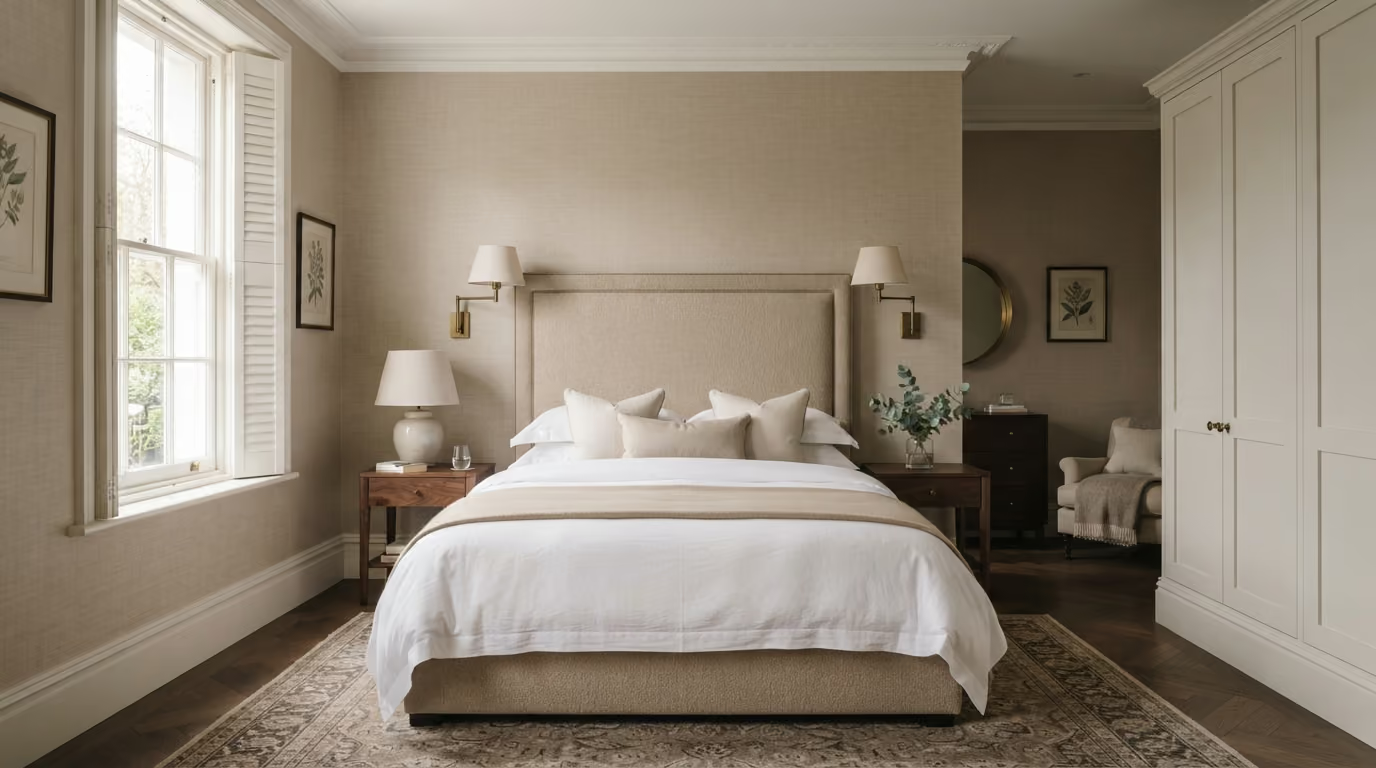
Wallpaper can give a Belgravia guest bedroom warmth, texture, and character without making the room feel overly decorated. This guide explains how to choose the right pattern, colour, and wallcovering, and how to coordinate it with headboards, wardrobes, curtains, lighting, and the room's architecture.
The practical answer: Wallpaper can be an excellent choice for a Belgravia guest bedroom because it gives the room character without relying on large amounts of furniture or decoration. A subtle pattern, grasscloth, linen, silk, or another textile wallcovering can make a guest room feel considered even when the furnishings remain simple. The key is to choose a material that works with the natural light, bed, fitted wardrobes, curtains, and artificial lighting, then prepare the walls carefully before installation. For specialist wall preparation and installation, see our wallpaper service.
A guest bedroom has a slightly different role from the main bedroom. It should feel comfortable and complete, but it may not contain the same collection of personal objects, books, artwork, and furniture that develops naturally in a room used every day.
This is one reason wallpaper can be particularly effective. It can give the room depth before anything else is added.
In a Belgravia home, a guest bedroom may also contain period cornices, tall sash windows, fitted wardrobes, shutters, a fireplace, wall lights, upholstered furniture, or decorative joinery. The wallcovering needs to sit comfortably with these elements rather than making the room feel overly decorated.
This guide explains how to choose wallpaper for a Belgravia guest bedroom, including colour, pattern scale, textile wallcoverings, grasscloth, lighting, wardrobes, headboards, wall preparation, seams, and the practical details that should be resolved before installation begins.
A guest bedroom needs to suit different people over time. That does not mean it has to be completely neutral, but very personal or visually demanding choices can make the room harder to balance.
Wallpaper often works best when it creates atmosphere without dominating the space.
Good directions may include:
The room should still feel interesting when the bed is simply dressed, but calm enough that a guest can settle into it easily.
The bed usually creates the strongest visual element in a guest bedroom. Its position should therefore influence the wallpaper choice.
Consider:
A patterned headboard beside highly patterned wallpaper can make the wall feel much busier than either sample suggests on its own.
If the headboard already uses a strong textile, a quieter wallcovering may give the room better balance. If the furniture is simple, the wallpaper can take more visual responsibility.
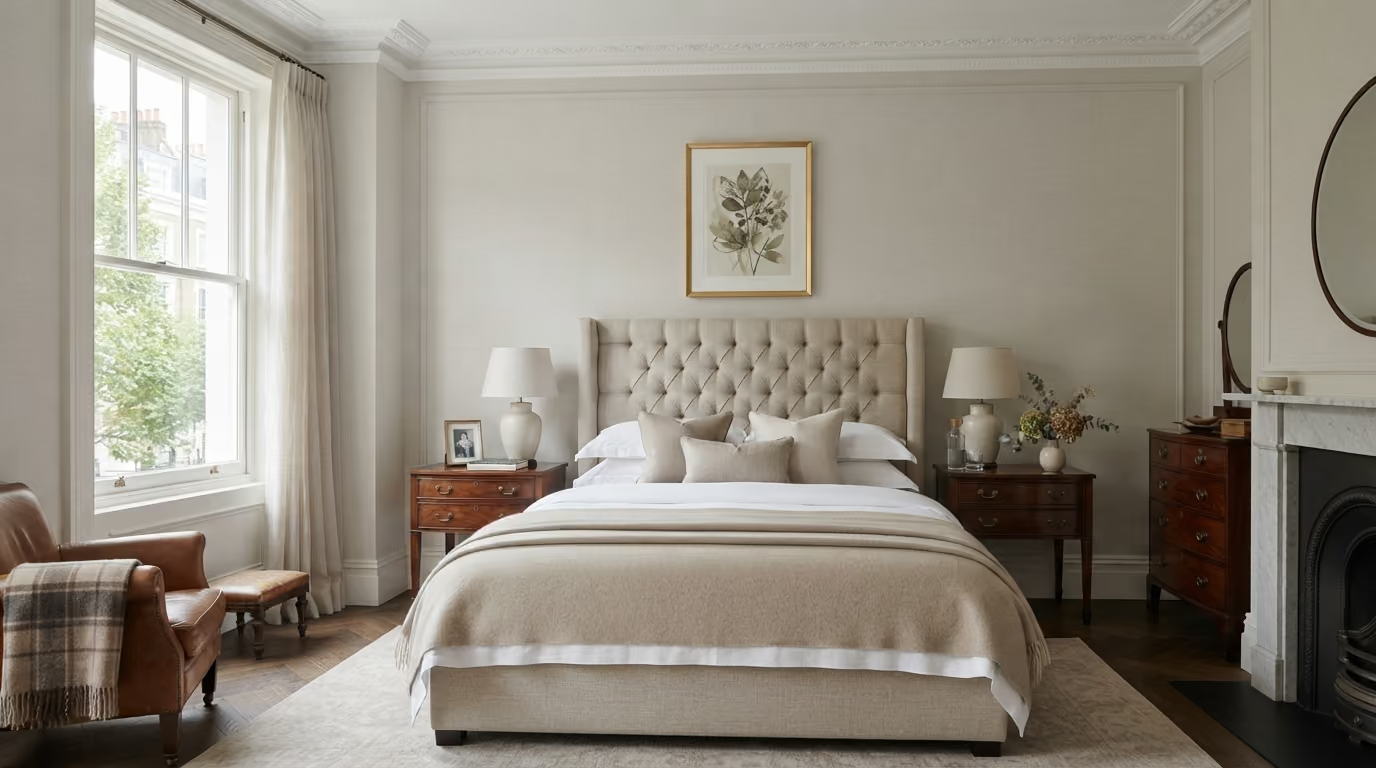
Guest rooms usually need to work in daylight and under softer evening lighting. Warm neutral wallpaper can adapt well to both.
Useful colour directions include:
These colours can sit comfortably beside timber, brass, bronze, linen, wool, and traditional plasterwork.
The undertone should still be tested carefully. A wallcovering that appears neutral in a showroom may become noticeably warmer or cooler once installed across the entire bedroom.
A north facing room often receives cooler, indirect daylight.
This can make pale grey, blue based neutrals, and some off whites feel colder than expected.
Warmer directions such as stone, putty, mushroom, soft clay, and muted olive can help compensate for this cooler light.
Samples should be viewed:
The wall behind the bed is particularly important because it may receive much less daylight than the window wall.
A guest bedroom with strong southern light can usually support deeper colour.
Muted green, tobacco, deeper taupe, soft blue, warm brown, and richer neutral wallpapers may all work well.
However, direct sunlight can intensify warm colours significantly.
A wallpaper that looks restrained in the morning may feel much warmer in afternoon light, so samples should be left in the room long enough to see how they change throughout the day.
Textile wallcoverings are particularly suitable for bedrooms because they can introduce depth without relying on obvious pattern.
Silk, linen, and other textile based wallcoverings can work beautifully with:
The surface changes subtly as light moves across it, which can make a relatively simple guest bedroom feel richer without adding visual clutter.
Silk wallcoverings can create an elegant finish, but delicate materials are less forgiving of uneven substrates.
Small defects underneath may become more noticeable once the wallcovering is installed.
Preparation may need to address:
Strong side lighting also needs to be considered because it can reveal both the wall condition and the natural character of the material.
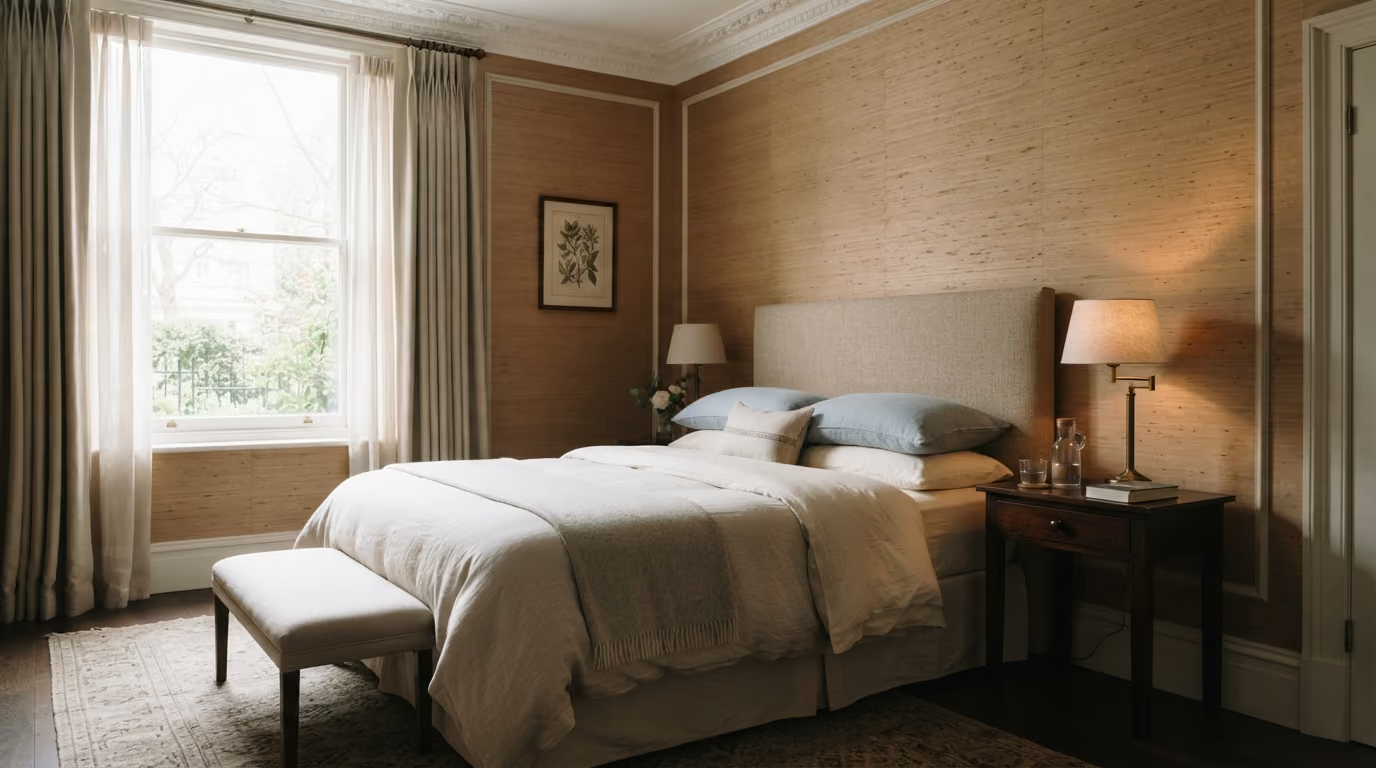
Grasscloth can work particularly well in a guest bedroom where the furniture and bedding are relatively restrained.
It introduces natural texture and tonal movement without a conventional printed pattern.
Homeowners should understand that natural fibre wallcoverings may show:
These characteristics are part of the material rather than something installation is intended to remove.
A guest bedroom is often a good setting for this because the walls are generally viewed under softer lighting and receive relatively little direct contact.
Fabric backed vinyl should be treated separately from textile wallcoverings such as silk, linen, and grasscloth.
It is often chosen where greater practical performance is required and is commonly used in hospitality and other high use interiors.
For a private guest bedroom, it may be useful where durability is an important part of the brief, but its appearance and surface character are different from natural textile wallcoverings.
The choice should therefore begin with the desired finish and practical requirements rather than grouping all fabric related wallcoverings together.
In many guest bedrooms, using wallpaper throughout creates the most complete result.
Full room wallpaper can make the space feel:
This approach works particularly well with restrained patterns and textured wallcoverings.
A single wallpapered wall can still work when:
A feature wall should be chosen because it suits the room, not simply because wallpaper is being introduced.
When a wallpaper contains a visible repeat, the relationship between the pattern and the bed should be considered before the first length is installed.
Depending on the design, it may be worth considering:
A large motif positioned slightly off centre above the bed can become surprisingly noticeable.
Pattern planning is particularly important when the headboard wall is the first surface seen from the doorway.
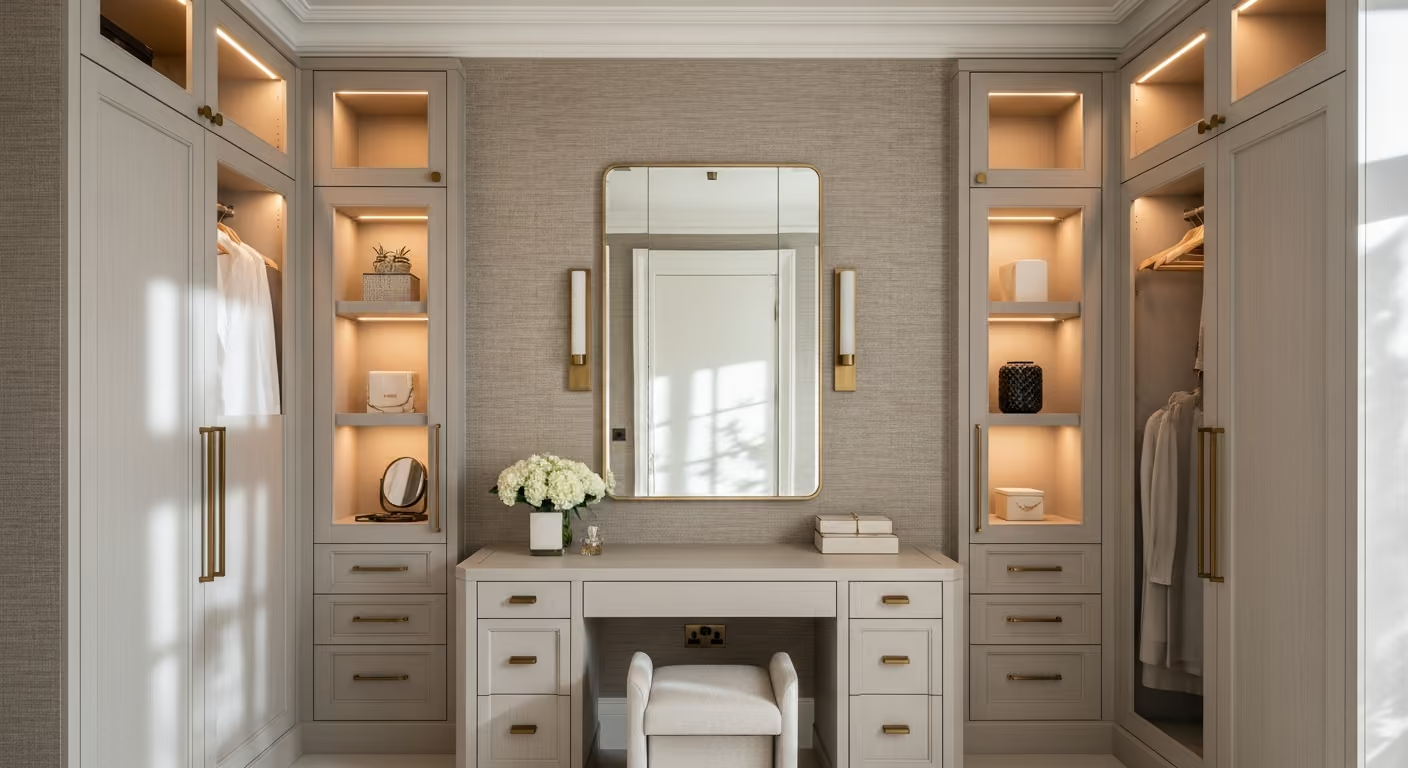
Guest bedrooms in Belgravia often contain fitted wardrobes. These can cover a substantial part of one wall.
Before selecting the wallpaper, look at how much uninterrupted wall area will remain after the room is furnished.
The wallcovering may appear mainly:
A very large wallpaper pattern may lose its effect if only narrow sections remain visible between joinery.
A more continuous texture can often work better in heavily fitted rooms.
Painted wardrobes and wallpaper occupy large neighbouring surfaces, so they should be selected together.
Possible approaches include:
A cold white wardrobe can feel unexpectedly sharp beside a warm textile wallcovering.
If the fitted joinery also needs refinishing, this can be planned through our interior painting and decorating service before the final wallpaper installation.
Bedrooms contain more textile than many other rooms.
Curtains, blinds, headboards, cushions, throws, rugs, and bedding all introduce colour and texture.
The wallpaper therefore needs enough visual space to work with these elements.
If the curtains contain a strong pattern, a quieter wallcovering may make sense. If the curtains are plain linen or wool, the wallpaper can carry more detail.
Samples should be viewed beside the actual curtain fabric where possible.
Bedside wall lights are common in guest bedrooms because they keep the bedside tables clear.
The electrical positions should be finalised before wallpaper installation.
Changing them afterwards can leave:
Switches and sockets should also be positioned before the final wallcovering is installed.
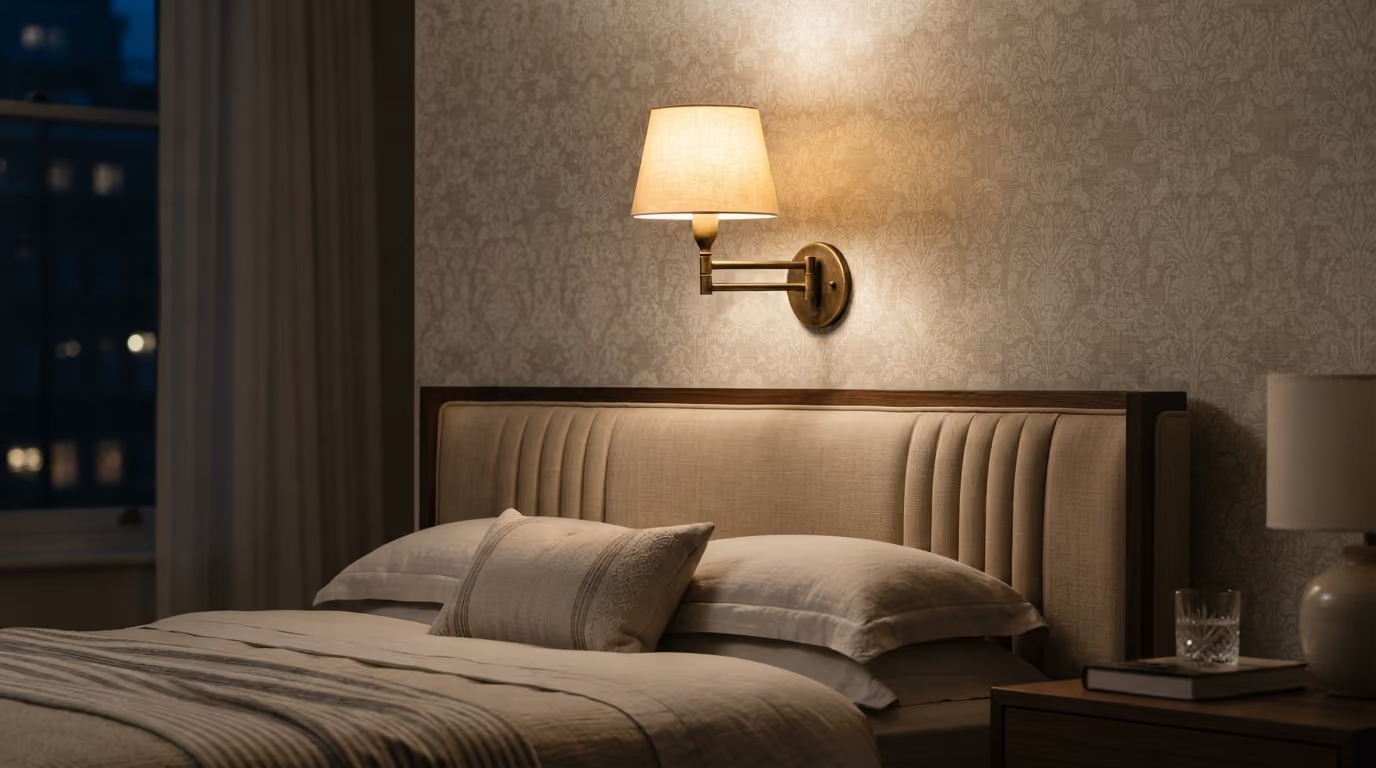
A guest bedroom is often experienced more under artificial light than daylight.
Bedside lamps, wall lights, ceiling fittings, and concealed wardrobe lighting can all alter how the wallpaper appears.
Textured and reflective wallcoverings are particularly responsive to light.
Check samples under:
A silk or subtly metallic wallcovering may appear much more active under directional lighting than it does in daylight.
A guest bedroom may include a dressing mirror, mirrored wardrobe panels, or a large mirror above furniture.
These surfaces repeat whatever is opposite them.
A patterned wallpaper on the opposite wall may therefore become visually stronger than expected because it appears twice within the room.
Before choosing a bold design, consider what the main mirrors will reflect from the doorway and bed.
Some period guest bedrooms contain original fireplaces or decorative mantels.
The fireplace can provide a useful reference for the wallpaper palette.
Check the sample beside:
Pattern placement should also be considered so the design feels balanced around the fireplace rather than leaving awkward narrow strips or obvious misalignment.
A bedroom can combine painted panelling below with wallpaper above.
This approach can be useful when:
The height of the panelling should relate to the headboard, windows, doors, and overall room proportions.
The wallpaper and painted panelling colours should be selected at the same time.
Bedrooms often contain a surprising number of old wall fixings.
Previous owners may have installed:
These can leave holes and local repairs across the walls.
Before wallpaper installation, redundant fixings should be removed and the substrate prepared correctly.
The exact preparation depends on the wall condition and chosen wallcovering.
If the room already has wallpaper, removing it allows the underlying surface to be inspected properly.
Old material may hide:
Installing a new premium wallcovering over an uncertain substrate introduces unnecessary risk.
Seams are part of wallpaper installation and need to be planned around the architecture.
The installer should consider:
With natural wallcoverings such as grasscloth, seams may remain visible by design. With patterned wallpaper, the priority may be keeping the repeat balanced across the room's most important walls.
The main furniture positions should be reasonably settled before wallpaper is installed.
This is particularly important for:
This allows electrical work and major fixings to be completed first and helps with pattern placement.
A successful guest bedroom should feel finished without feeling overly designed. The wallpaper can provide much of that atmosphere when its colour, material, pattern, furniture, lighting, and architecture are considered together.
Is wallpaper suitable for a guest bedroom? Yes. Guest bedrooms are generally well suited to wallpaper because the walls receive relatively little direct contact and the wallcovering can give a simply furnished room more depth.
What type of wallpaper works best in a guest bedroom? Subtle patterns, textured wallpaper, grasscloth, and textile wallcoverings can all work well. The best choice depends on the room, lighting, furniture, and desired level of decoration.
Can grasscloth be used in a bedroom? Yes. Bedrooms are often a good environment for grasscloth, provided the client is comfortable with its natural tonal variation and visible seams.
Should wallpaper cover the whole guest bedroom? Often, yes. A restrained wallpaper around all four walls can feel calmer and more complete than a single feature wall.
Can wallpaper be used with fitted wardrobes? Yes. The wardrobe colour, pattern scale, and amount of visible wall should be considered together before installation.
Should wall lights be installed before wallpaper? The positions and electrical work should be completed before the final wallcovering is installed to avoid unnecessary holes and repairs afterwards.
We install wallpaper and specialist wallcoverings across Prime Central London, including Belgravia, Chelsea, Kensington, Notting Hill, Knightsbridge, and Westminster. Our projects include guest bedrooms, principal bedrooms, studies, dining rooms, entrance halls, reception rooms, dressing rooms, and other interiors where careful wall preparation and precise installation are important.
Considering wallpaper for a Belgravia guest bedroom? Send photographs of the room, including the bed wall, windows, wardrobes, fireplace, lighting, curtains, and any wallpaper samples you are considering. We can assess the walls, discuss suitable materials and pattern placement, and plan the installation around the furniture and architecture of the room. To begin, request a site visit and we will arrange a time that suits you.
Tell us a few details about your project and our team will review the enquiry and come back to you within one working day.