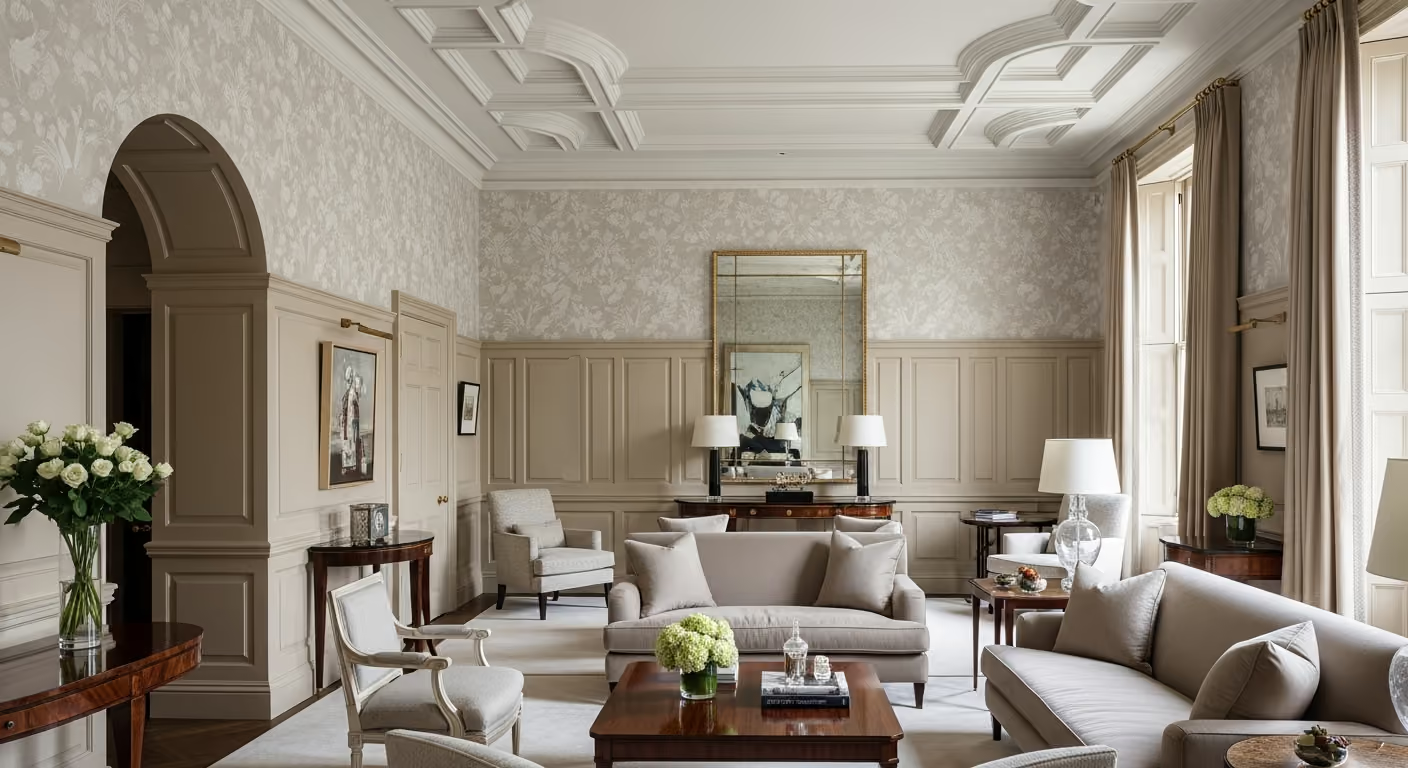
Thinking about wallpaper above wall panelling in a Belgravia home? This guide explains how to choose the right pattern, panel colour, proportions, and installation plan so the two finishes feel balanced, refined, and suited to the room.
The practical answer: Wallpaper above wall panelling can work beautifully in a Belgravia home because the painted lower section protects the busiest part of the wall while the wallpaper adds texture, pattern, or depth above it. The best result depends on getting the proportions right, choosing a wallpaper that suits the panelling, preparing both surfaces properly, and coordinating the wallcovering with the paint colour, trim, lighting, and furniture. For specialist preparation and installation, see our wallpaper service.
Wall panelling and wallpaper are both strong decorative features. Used together, they can make a room feel layered, architectural, and carefully planned. The panelling gives the lower wall structure and a practical painted surface. The wallpaper softens the upper wall and introduces colour, texture, or pattern without covering the entire room.
This combination is especially well suited to Belgravia homes, where entrance halls, dining rooms, bedrooms, studies, and reception spaces often include period proportions, cornices, fireplaces, tall doors, and detailed joinery. Wallpaper above panelling can respect that architecture while still making the room feel personal and current.
However, the two finishes need to work as one scheme. If the panelling is too high, the wallpaper may feel squeezed beneath the ceiling. If the pattern is too large, important parts of the design may be lost. If the paint and wallpaper undertones clash, the room can feel disconnected. This guide explains how to plan wallpaper above panelling so the result feels balanced, refined, and right for the room.
Panelling creates clear lines within a room. It introduces rhythm through rails, stiles, recessed panels, or mouldings. Wallpaper brings a softer layer above those lines. It can add texture without changing the architecture, or introduce pattern in a way that feels more controlled than wallpapering every wall from floor to ceiling.
The combination works well because it allows each finish to do a different job:
This makes the combination useful in both formal and practical rooms. It can feel elegant in a dining room, welcoming in an entrance hall, soft in a bedroom, and tailored in a study.
The height of the panelling decides how much visual space remains for the wallpaper. Existing period panelling may already establish the proportion. New panelling should be planned with the ceiling height, doors, windows, furniture, and wallpaper pattern in mind.
Lower panelling tends to leave more room for wallpaper and can make the walls feel taller. Higher panelling creates a stronger architectural effect but reduces the amount of visible pattern. Neither approach is automatically better.
Consider:
In a tall Belgravia room, higher panelling can still leave generous wall space above. In a smaller bedroom or hallway, lower panelling may create better balance and allow the wallpaper to breathe.
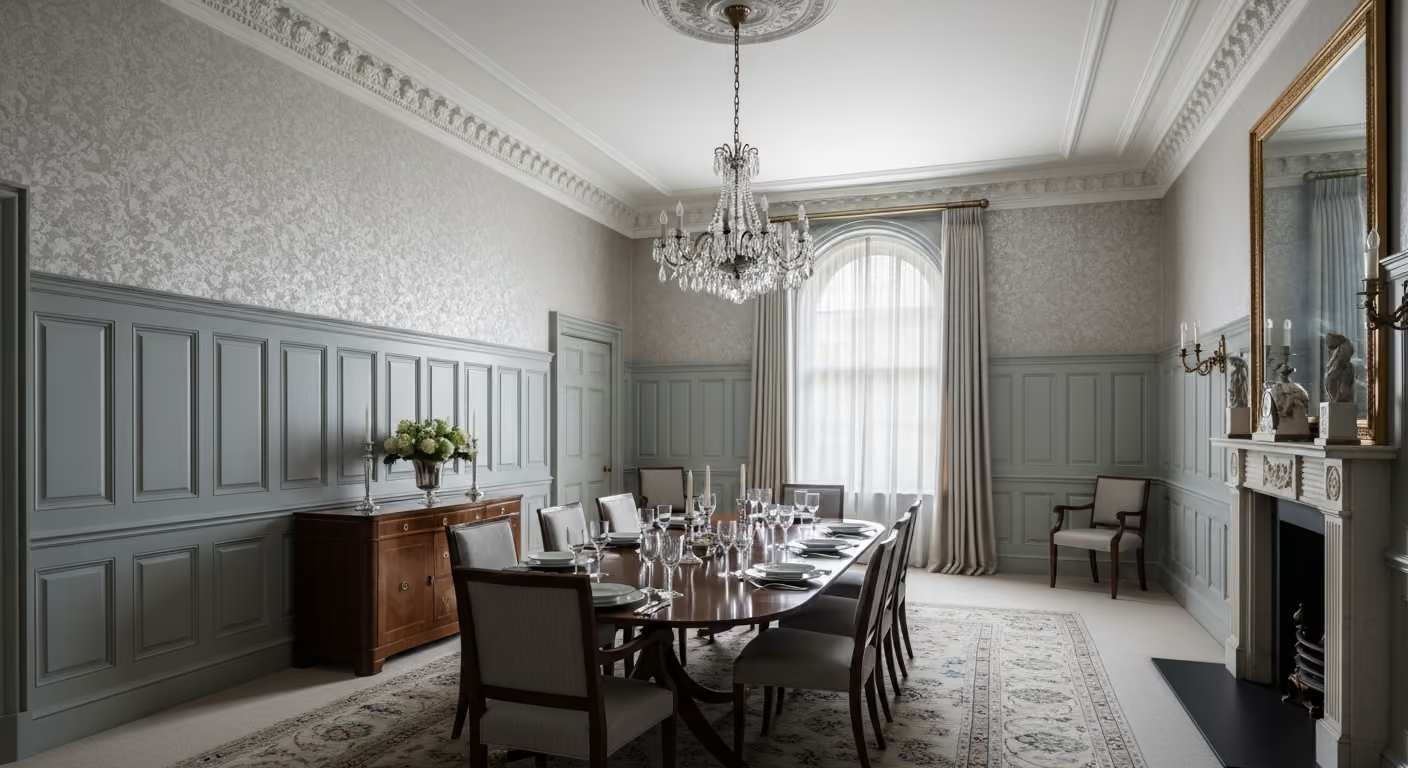
It is usually easier to choose the wallpaper first and then select the paint colour for the panelling. Wallpaper contains several tones, even when the design appears simple. One colour may dominate from a distance, while another becomes more visible under evening lighting.
The panel colour can be drawn from:
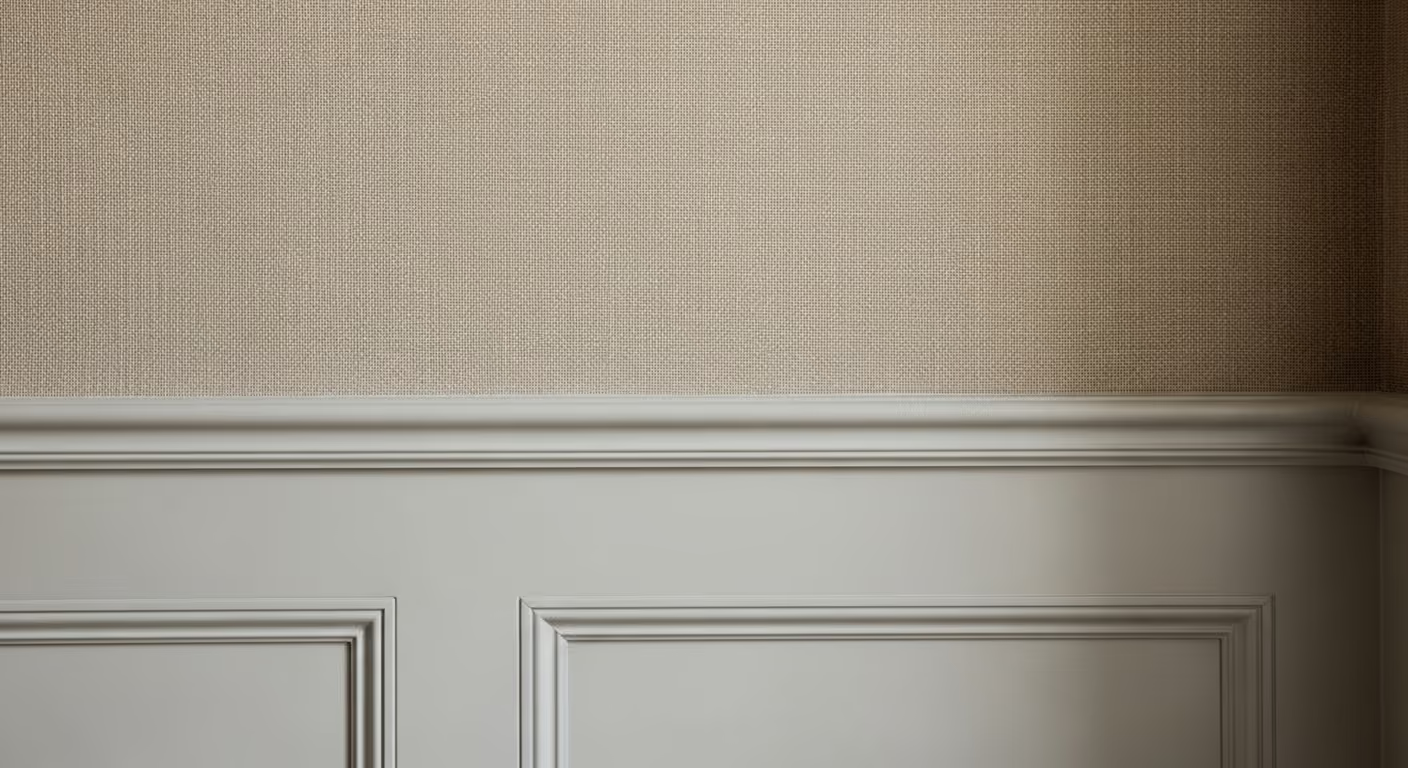
An exact match is not always necessary. A subtle tonal relationship often looks more refined. For example, a wallpaper with a warm stone background may work beautifully above putty coloured panelling. A muted botanical design might sit above soft olive grey joinery. A linen effect wallcovering could be paired with warm off white or taupe panelling.
Very cold white panelling can make a warm wallpaper look yellow. Creamy paint can make a cool wallpaper appear grey. Samples should be viewed together in the actual room before the scheme is approved.
A wallpaper pattern should be judged within the visible wall area, not across a full roll. Once panelling covers the lower section, only part of each wallpaper drop remains visible. This changes how the repeat reads.
Large patterns work best when:
Smaller or medium patterns work well when:
A very large motif can look awkward if its main element is repeatedly cut by the ceiling, cornice, or panel rail. The pattern should be measured against the actual wall height before ordering.
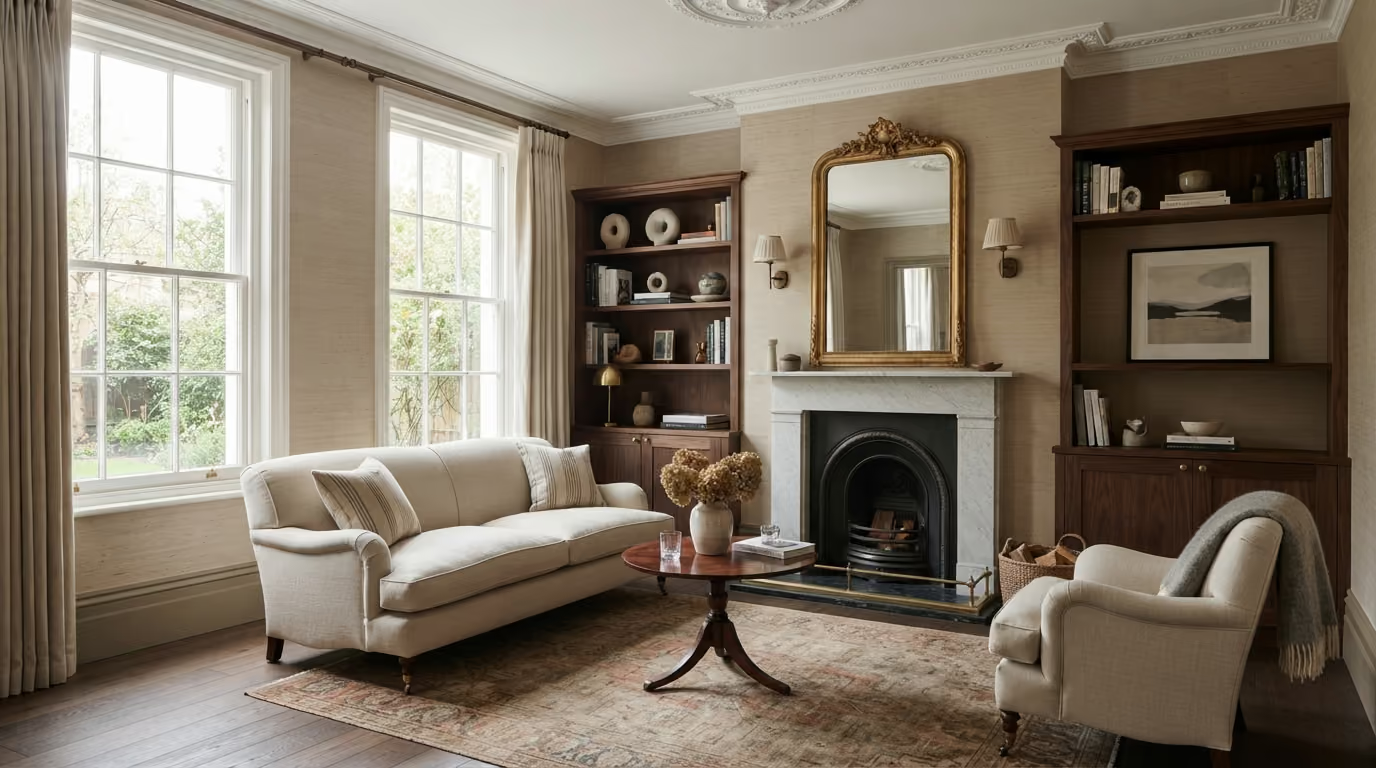
Wallpaper above panelling does not need a bold repeat. In many high end interiors, texture creates a more timeless result. Linen effects, silk wallcoverings, grasscloth, and other textile wallcoverings can add depth without making the room feel busy.
Textured options work especially well in:
Natural fibre and textile wallcoverings may show seams and tonal variation. This is part of their character and should be understood before installation. Careful setting out helps the seams sit quietly within the room.
Entrance halls are a natural place for this combination. The painted lower wall handles daily contact, while the wallpaper gives the entrance more character. This can be more practical than full height wallpaper in a narrow or frequently used hallway.
Good hallway choices include:
The wallpaper should be checked in the darkest area of the hall. A pattern that looks light near the front door can appear much deeper beside the staircase or internal doors.
For the painted lower walls, a suitable practical finish should be chosen. The panelling may receive regular contact from bags, coats, deliveries, and furniture. The upper wallpapered section is usually better protected.
Dining rooms can support more atmosphere and depth. The panelling creates formality, while the wallpaper can introduce softness or pattern. Because dining rooms are often used in the evening, samples should be viewed under the actual pendant lights, lamps, and wall lights.
Strong directions include:
If the room already includes patterned curtains, a detailed rug, or strong artwork, the wallpaper may need to stay quieter. If the furniture and fabrics are simple, the walls can carry more pattern.
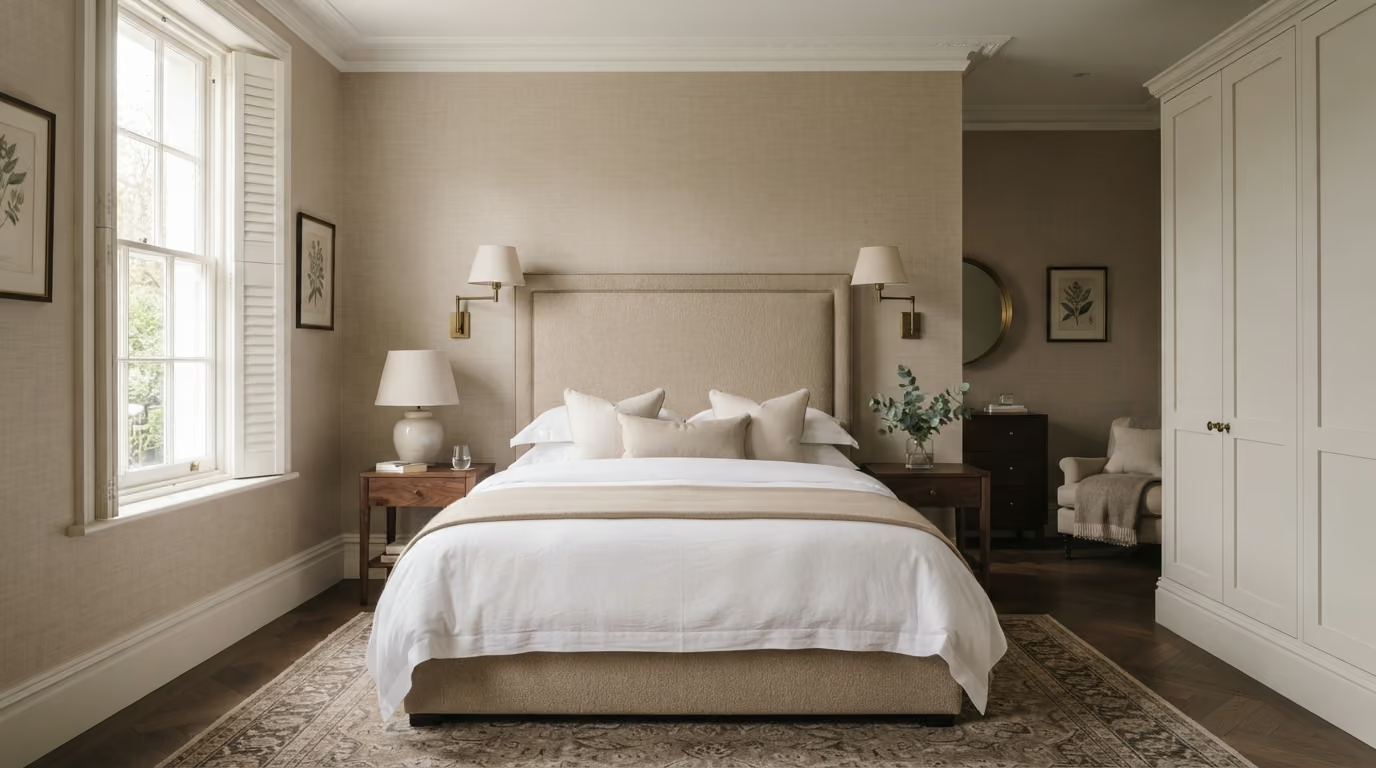
In bedrooms, the combination can feel soft and tailored. Panelling protects the lower wall around bedside tables and furniture, while wallpaper adds interest above the bed or around the full room.
Bedroom wallpapers often work best when they are restful rather than high contrast. Consider:
The height of the headboard matters. If it covers most of the panelling and extends into the wallpapered section, the pattern should still feel balanced around it. Wall lights, artwork, and bedside furniture should also be included in the layout plan.
A study can carry richer colours and deeper texture. Painted panelling creates an architectural base, while wallpaper above can make the room feel more like a library or private retreat.
Suitable choices may include:
Built in shelving changes the layout. Wallpaper may sit above the panelling only on open wall sections, continue behind shelving, or stop at the joinery. This should be planned before either the wallcovering or the joinery finish begins.
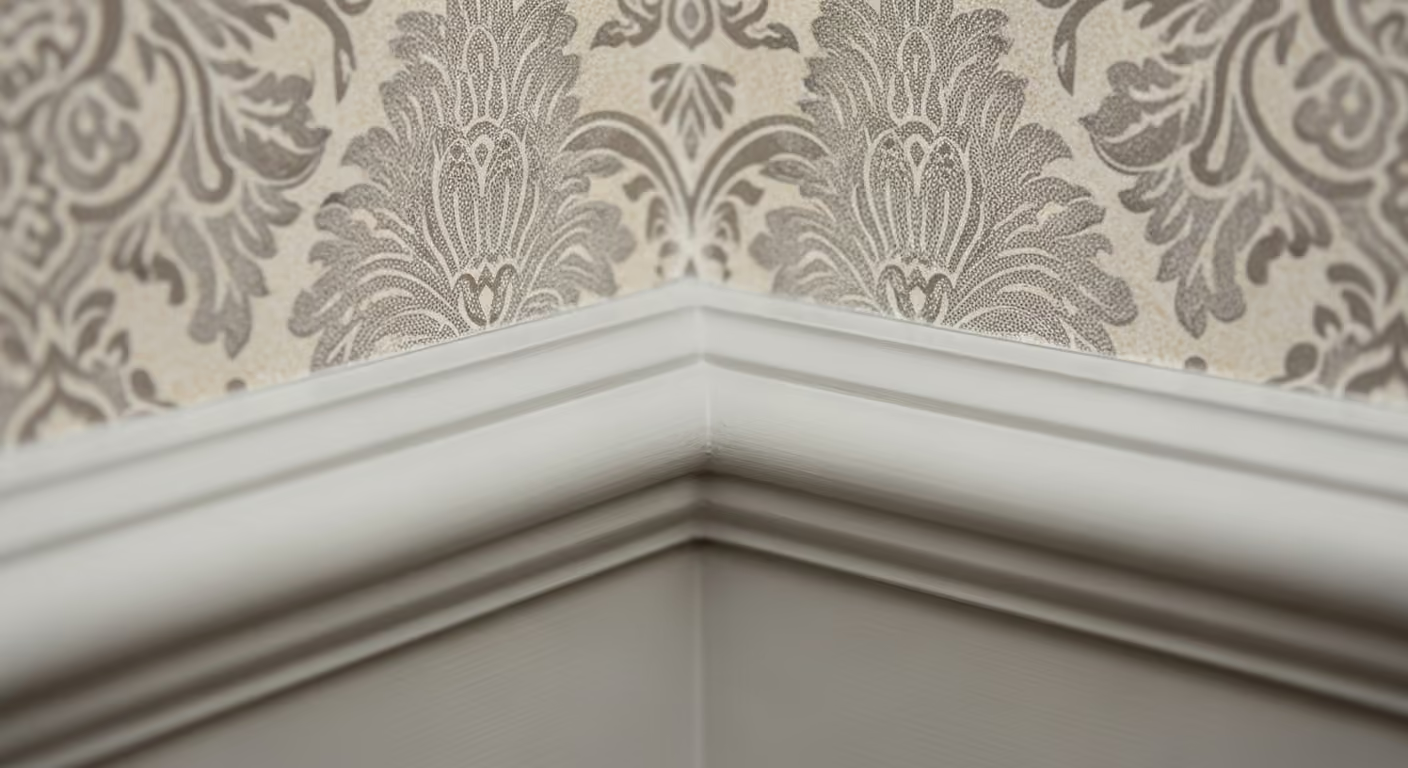
The rail separating wallpaper and panelling becomes one of the most visible lines in the room. If it is uneven, chipped, or badly painted, the whole scheme can look less controlled.
The panel rail should be:
Wallpaper installation should meet the rail neatly. The edge should not appear torn, uneven, or buried beneath heavy paint. Good coordination between the painting and wallpaper stages is essential.
Wallpaper will not hide poor plaster. Raised filler, cracks, old paper residue, and uneven repairs can show through the final wallcovering, especially under side light.
Preparation may include:
Lining may be recommended when the plaster is uneven, the wall has several repaired areas, or the chosen wallpaper needs a more consistent base. The correct preparation depends on both the existing wall and the type of wallcovering.
The panelling should usually be repaired and painted before the final wallpaper is installed. This reduces the risk of paint damaging the finished paper and allows the wallcovering to meet a complete, stable edge.
The sequence commonly includes:
The exact order may change depending on the room and product, but both trades should be planned together. For coordinated woodwork and wall preparation, see our interior painting and decorating service.
The pattern should be centred or balanced around the most important view. This may be the fireplace, the wall behind the bed, the view from the entrance, or the main dining room wall.
Setting out should consider:
Starting from the nearest corner is not always the best approach. In an important room, the focal wall should guide the layout.
Belgravia interiors often include several architectural interruptions. Tall doors, sash windows, shutters, alcoves, fireplaces, and built in joinery all reduce the uninterrupted wallpaper area.
These features should be measured before the paper is ordered. The installation plan should decide how motifs continue above doors, how the repeat sits beside windows, and whether the fireplace wall should match the rest of the room.
A strong pattern may need careful centring over a fireplace. A stripe must remain visually straight around corners and above openings. A textured wallcovering may need seam placement that avoids strong side light.
Wallpaper above panelling creates more visual activity, so the ceiling and cornice should usually provide calm. A softened white often works better than a very bright white, especially when the wallpaper and panelling have warm undertones.
The cornice can:
The choice depends on the ceiling height and room style. Matching a deep panel colour on the cornice can be dramatic, but it may make a smaller room feel enclosed. A lighter cornice often keeps the wallpapered section feeling open.
Wallpaper and painted panelling react differently to light. The wallpaper may absorb light, reflect it softly, or reveal texture. The painted joinery may show more sheen. Together, they can look very different during the day and evening.
Check samples under:
Wall lights installed above the panelling can highlight wallpaper texture, but they can also reveal seams or wall imperfections. Their position should be considered before installation.
The best results come from treating the wallpaper, panelling, trim, furniture, and lighting as one complete room scheme.
Does wallpaper look good above wall panelling? Yes. It can create a balanced combination of architecture, colour, and texture, especially when the panelling height and wallpaper scale are planned together.
Should the panelling match the wallpaper background? It can, but an exact match is not necessary. A related colour from the wallpaper often creates more depth and a more tailored result.
Should the panelling be painted before wallpaper is installed? Usually, yes. Completing the painted finish first helps protect the wallpaper and creates a clean edge at the panel rail.
Can textile wallcoverings be used above panelling? Yes. Linen, silk, grasscloth, and other textile wallcoverings can look especially refined above painted panelling, provided the seams and natural variation are planned carefully.
Is wallpaper above panelling practical in a hallway? It can be. The painted lower wall handles most daily contact, while the wallpaper remains above the busiest area.
We install wallpaper and textile wallcoverings across Prime Central London, including Belgravia, Chelsea, Kensington, Notting Hill, Knightsbridge, and Westminster. Many of these projects combine wallpaper with painted panelling, period joinery, fireplaces, staircases, and detailed trim where preparation and setting out make a visible difference.
Thinking about wallpaper above panelling in your Belgravia home? Send photographs of the room, including the panelling, doors, windows, fireplace, lighting, and any wallpaper samples you are considering. We can help assess the wall preparation, plan the pattern placement, and coordinate the paint and wallcovering colours so the finished room feels balanced and refined. To begin, request a site visit and we will arrange a time that suits you.
Tell us a few details about your project and our team will review the enquiry and come back to you within one working day.