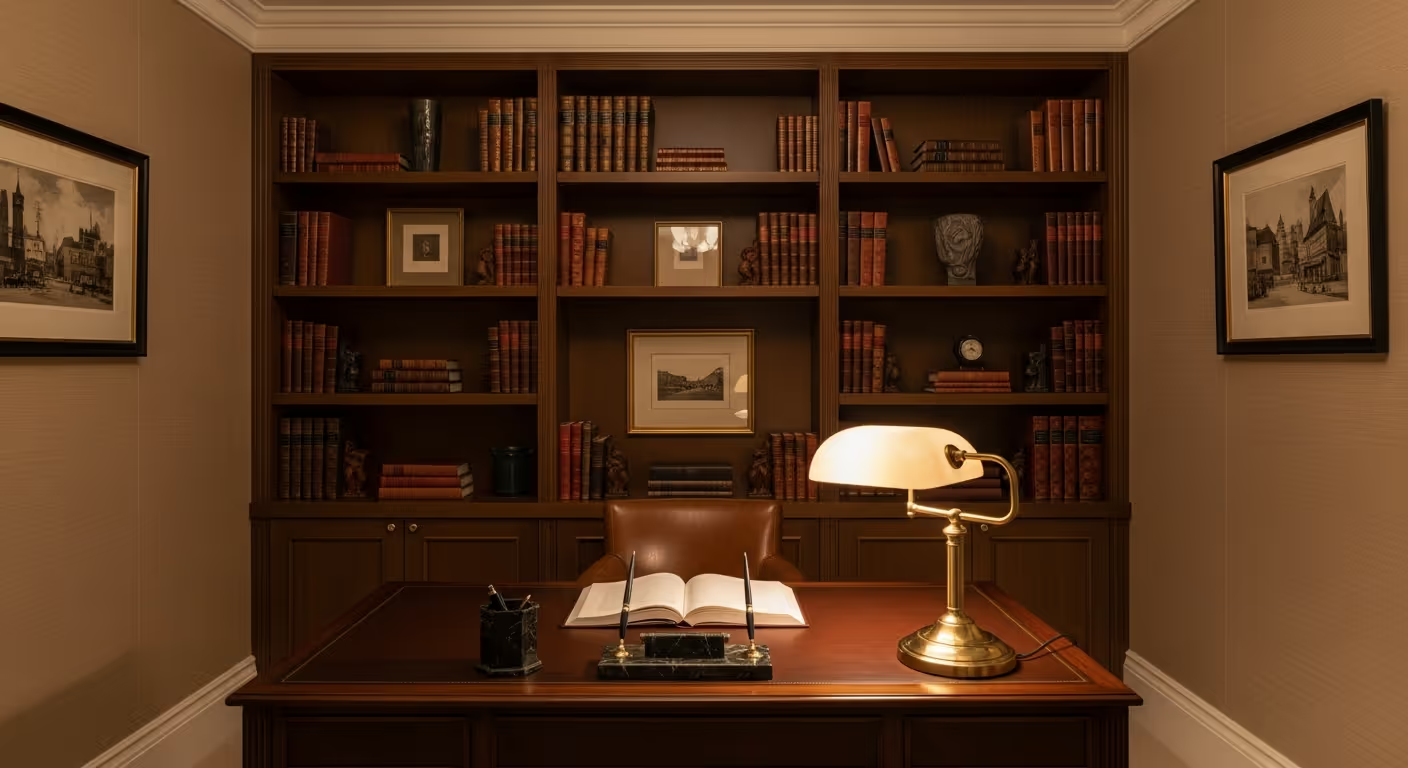
Thinking about textile wallcoverings for a Knightsbridge study? This guide explains how silk, linen, grasscloth, and natural fibre wallcoverings can add warmth, depth, and quiet luxury while still keeping the room calm and focused.
The practical answer: Textile wallcoverings can work beautifully in a Knightsbridge study when you want warmth, depth, and a more tailored finish than standard painted walls. Silk, linen, grasscloth, and other natural fibre wallcoverings can soften the room, support books and joinery, and make the space feel calm without adding a loud pattern. The key is to choose the right texture, prepare the walls properly, and plan seams, lighting, and furniture placement before installation. For specialist installation, see our wallpaper service.
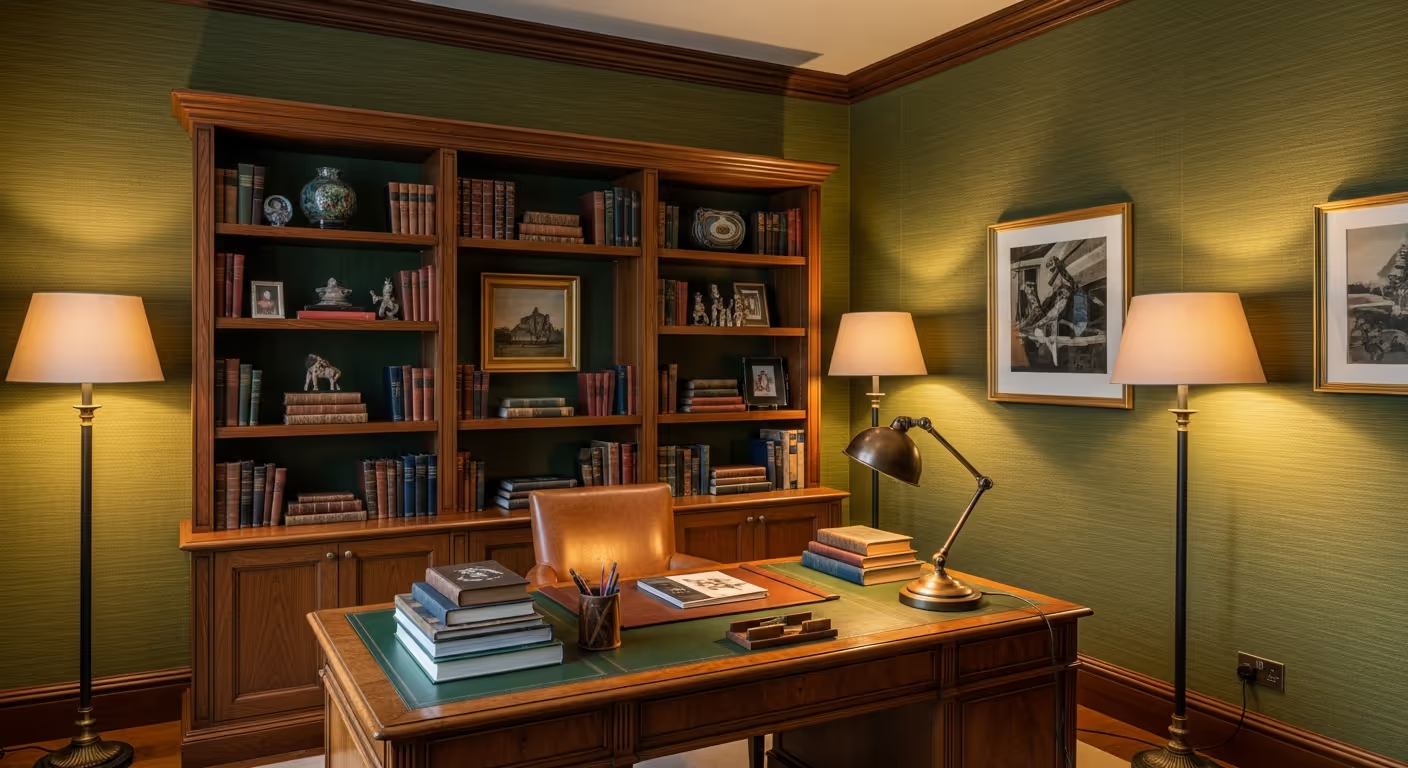
A study should feel focused, quiet, and comfortable. In a Knightsbridge home, it may be a private working room, a library, a reading space, or a room used for calls and meetings. It may include built in shelving, a desk, soft lamps, art, and darker timber furniture. Painted walls can look clean, but they sometimes feel too plain. Strong patterned wallpaper can feel too decorative for a room that needs calm. Textile wallcoverings sit in the middle. They bring texture and depth without making the walls feel busy.
This is why they are such a strong option for studies. A linen wallcovering can make a room feel lighter and more relaxed. A silk wallcovering can feel refined and softly reflective. A grasscloth can bring natural depth and variation. The result can feel more layered than paint, but quieter than a bold print.
This guide explains how to choose textile wallcoverings for a Knightsbridge study, what to consider before installation, and how to avoid common mistakes with colour, seams, lighting, and wall preparation.
Studies often need atmosphere, but not visual noise. The room should support concentration. It should feel warm enough to spend time in, but still refined enough to sit within a high end home. Textile wallcoverings are useful because they add surface interest without relying on strong pattern.
They work especially well in studies because:
In a Knightsbridge study, the walls should often feel calm and expensive rather than decorative for the sake of it. Textile wallcoverings help achieve that.
The term textile wallcovering usually refers to wallcoverings made with woven or natural fibre surfaces. This can include silk, linen, grasscloth, sisal, jute, or other fibre based materials. They are different from standard printed wallpaper because the surface itself is part of the design.
It is also useful to separate textile wallcoverings from other products. Fabric backed vinyl is a different category and is often used in hospitality or high traffic settings because it is more practical. Upholstered wall panels are another separate treatment, where fabric is padded or stretched over panels. For a private study in a Knightsbridge home, the usual focus is textile wallcovering, chosen for texture, tone, and atmosphere.
Common options include:
Each material behaves differently, so the room, light, and use should guide the choice.
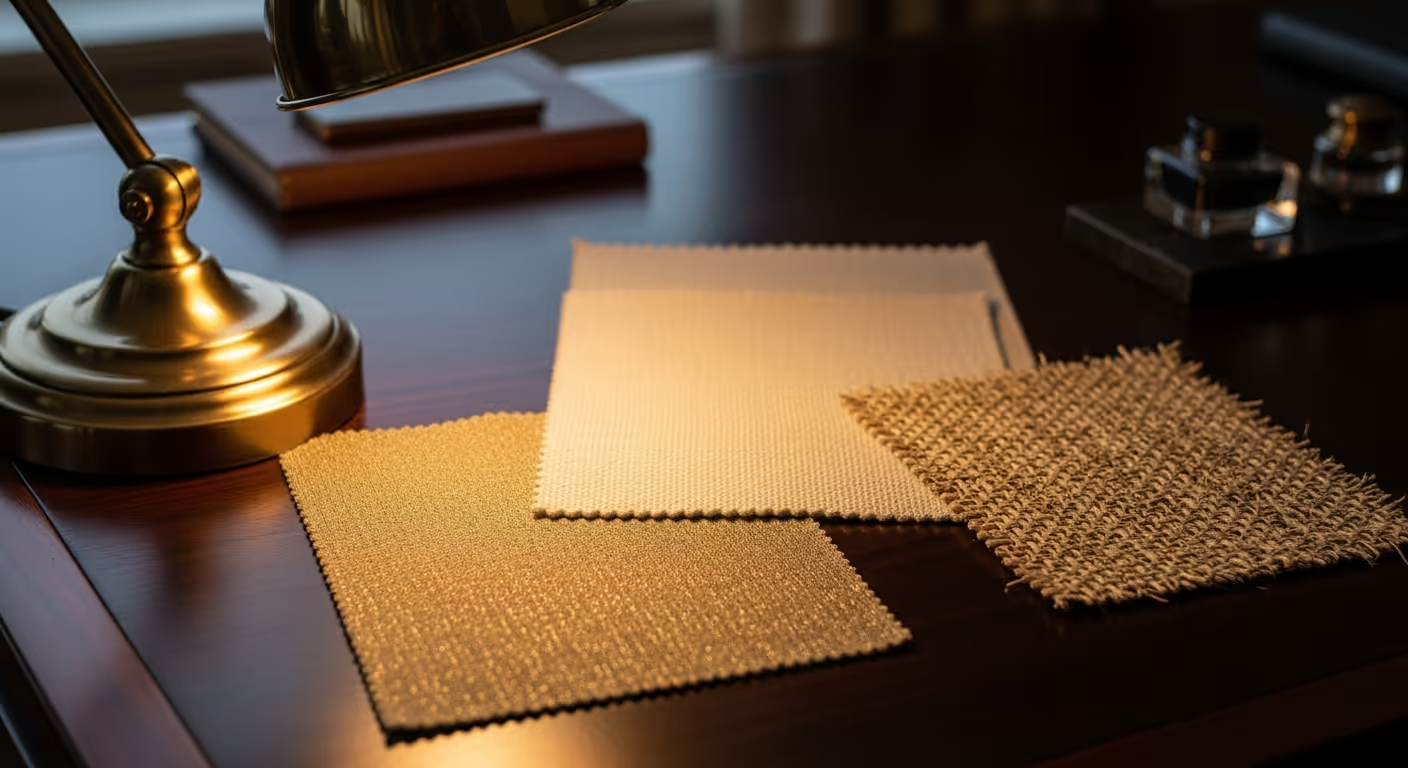
Silk can look beautiful in a study when the room is formal, quiet, and carefully lit. It has a soft reflective quality that can catch lamp light and make the walls feel elegant without using pattern. It works especially well with dark timber, warm metals, antique furniture, and framed art.
Silk wallcovering is best suited to rooms where the walls are respected. It is not the most practical choice for areas with constant touching, chair backs, or heavy daily knocks. In a private study, that may be fine. In a family work room, it may be too delicate.
Silk works well when:
Because silk can show seams, texture changes, and wall imperfections more clearly, installation and preparation need to be excellent.
Linen is often a safer choice when the room needs softness without feeling too formal. It has a gentle woven texture that can make a study feel warm, calm, and lived in. It suits both classic and more contemporary interiors.
Linen wallcoverings can work well with:
Linen is a good option when the study should feel comfortable rather than polished to a high shine. It brings character, but it does not dominate the room.
Grasscloth can bring more visible texture and movement. It often has natural colour variation, which is part of its charm. In a study, this can make the room feel grounded and layered. It works well when the design already includes natural materials such as timber, stone, wool, leather, or aged brass.
Grasscloth should be chosen with care. Its seams are usually part of the look, not something that disappears completely. The panels can vary from roll to roll, and the effect is more natural than uniform. That can be beautiful in the right room, but it needs to be understood before installation.
Grasscloth works well when:
If the client wants a perfectly uniform surface, grasscloth may not be the right choice.
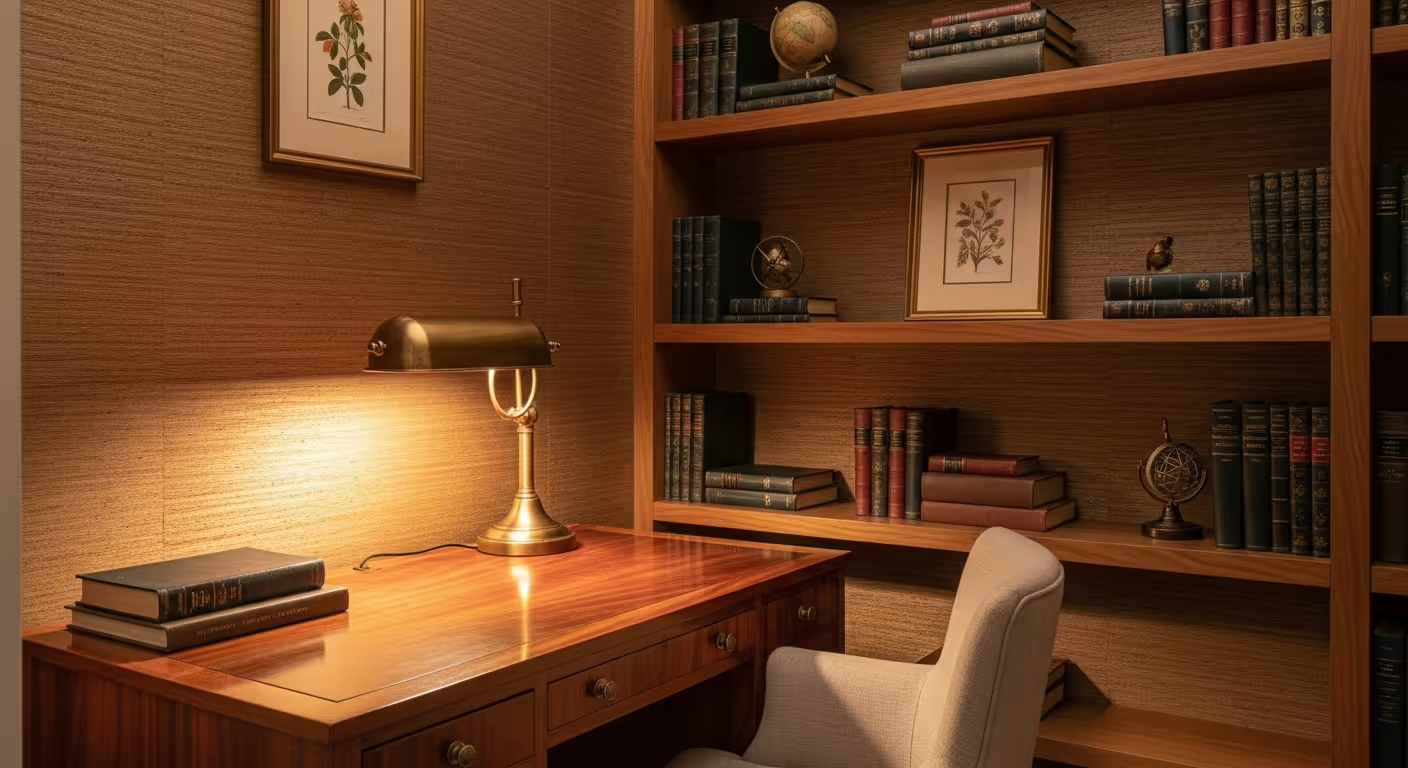
Study colours can be slightly deeper than bedroom colours, but they still need to feel calm. A study should help the mind settle. It should not feel cold, harsh, or visually restless.
Good colour directions include:
Very cool greys can feel flat in London light. Very bright whites can look thin beside shelves and books. Warmer, quieter tones usually feel better in a study because they support both work and relaxation.
Lighting matters hugely with textile wallcoverings. A woven surface will catch light differently from a painted wall. This is part of its beauty, but it also means samples must be checked in the room.
Before choosing, view samples under:
A textile that looks calm in daylight may become too reflective under a lamp. A darker grasscloth may look rich at night but heavy during the day. A linen may look perfect in one corner and too cool near the window. Testing solves these issues early.
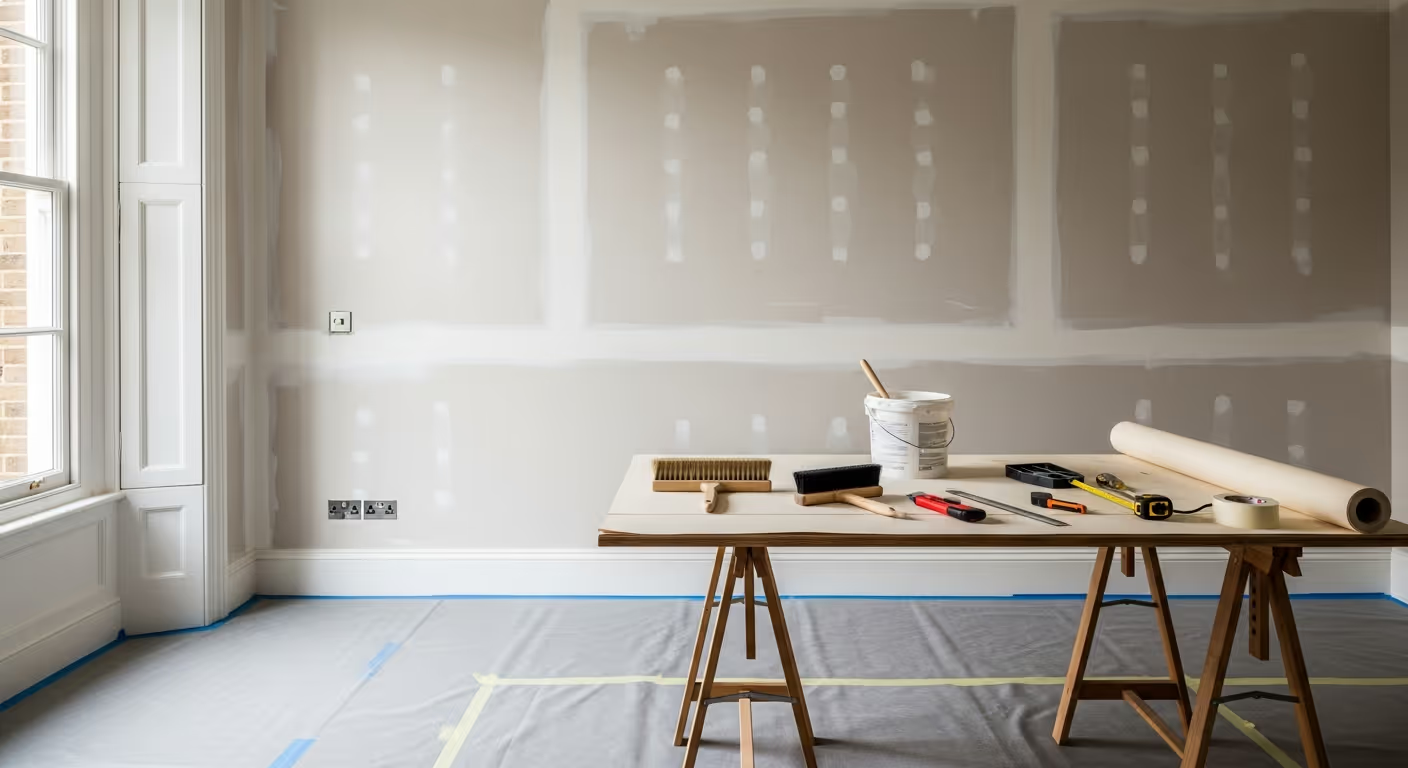
Textile wallcoverings do not forgive poor preparation. Raised filler, old paper residue, uneven plaster, and rough sanding can all show through or affect the final look. In a high end study, preparation is the difference between refined and disappointing.
Good preparation may include:
Older Knightsbridge homes may have layered paint, old repairs, plaster movement, and previous wallcovering residue. These need to be dealt with properly before the new wallcovering is installed.
With many textile wallcoverings, seams are part of the finish. They may be subtle, but they are not always invisible. This is especially true with grasscloth and other natural fibres. The aim is to place seams carefully so they sit quietly within the room.
Good seam planning considers:
The worst approach is to install without discussing how the material behaves. Clients who understand natural seams and variation before installation are usually much happier with the finished room.
Many Knightsbridge studies include built in shelving, cabinets, or a media wall. This can make textile wallcoverings even more attractive, especially behind open shelves or on the main desk wall. The texture adds depth without needing extra decoration.
Before installing around joinery, consider:
If the joinery needs a smoother finish, it may be worth planning that through interior painting and decorating before the wallcovering stage. The best result comes when joinery, walls, trim, and lighting are planned together.
A full room treatment can look beautiful in a study. It creates a wrapped, quiet feeling that suits reading, work, and evening use. But it is not the only option. Some studies benefit from wallcovering on one or two key walls, especially if there is a desk wall, fireplace wall, or shelving wall that needs depth.
Full room wallcovering works well when:
A single feature wall works well when:
For textile wallcoverings, a full room often feels more refined than a single feature wall, but the right answer depends on the room proportions and the material chosen.
Textile wallcoverings are chosen for beauty and feel, not for hard scrubbing. In a study, this is usually fine, but furniture placement matters.
To keep the walls looking good:
If the study is also a family room or a daily homework space, a more practical product may be better. A private adult study can usually support a more delicate wallcovering.
Textile wallcoverings are not always the right answer. Painted walls may be better if the room needs frequent cleaning, if the budget is tighter, if the walls are not suitable without major preparation, or if the client wants a very simple finish.
Paint may be better when:
There is no point forcing a textile wallcovering into the wrong room. The best finish is the one that suits both the design and the way the space is used.
Most problems can be avoided with proper sampling, clear expectations, and a good installation plan.
Are textile wallcoverings suitable for a study? Yes, especially in private studies where the walls are not exposed to constant rubbing or heavy contact. They add warmth and depth without creating visual noise.
Will seams show? Some seams may show, especially with natural fibre wallcoverings such as grasscloth. This is part of the material character and should be planned for.
Is grasscloth too informal for a Knightsbridge study? Not necessarily. A refined grasscloth in the right colour can feel very elegant, especially with good joinery, lighting, and furniture.
Should I choose wallpaper or paint for a study? Choose textile wallcovering if you want texture and depth. Choose paint if you want a simpler, more practical, and more uniform finish.
We install wallpaper and textile wallcoverings across Prime Central London, including Knightsbridge, Kensington, Chelsea, Belgravia, Notting Hill, and Westminster. Many of these projects involve studies, libraries, bedrooms, dining rooms, and reception rooms where texture, wall preparation, and careful installation make all the difference.
Thinking about textile wallcoverings for your Knightsbridge study? Send a few photos of the room, including the desk wall, shelves, windows, lighting, and any samples you are considering. We can help assess the wall preparation needed, advise on material choice, and plan the installation so the finished study feels calm, warm, and refined. To begin, request a site visit and we will arrange a time that suits you.
Tell us a few details about your project and our team will review the enquiry and come back to you within one working day.