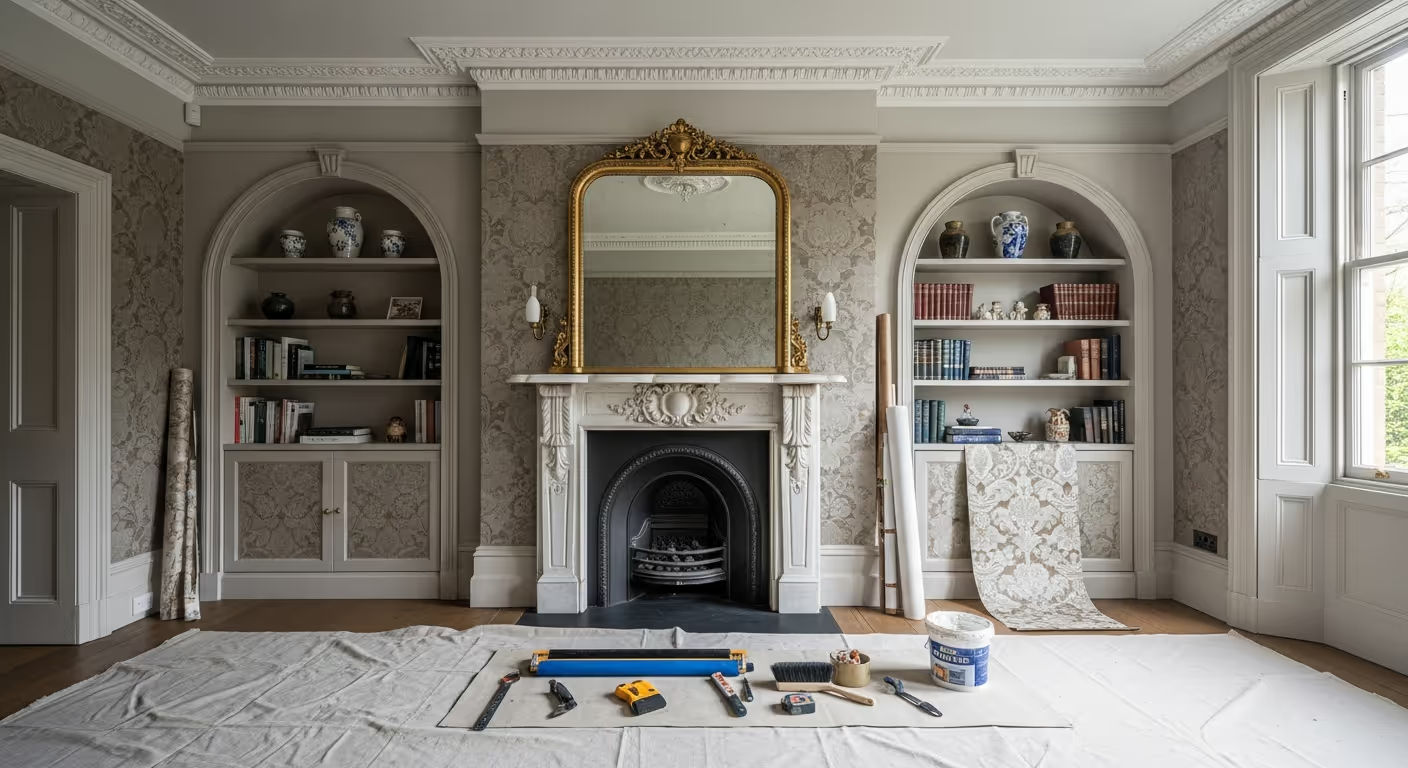
Fireplaces and alcoves can make wallpaper look beautiful, but they also make installation harder. This guide explains how to plan wallpaper around chimney breasts, shelving, alcoves, and period details so the room feels balanced, refined, and properly finished.
The practical answer: Wallpaper around fireplaces and alcoves needs careful setting out before any paper is cut. The pattern should feel balanced around the chimney breast, seams should land in quiet places, and the wall base needs to be flat enough that side light does not reveal bumps or old repairs. In Kensington homes, where fireplaces, alcoves, shelving, and cornices often define the room, planning matters as much as the wallpaper itself. For professional preparation and installation, see our wallpaper service.
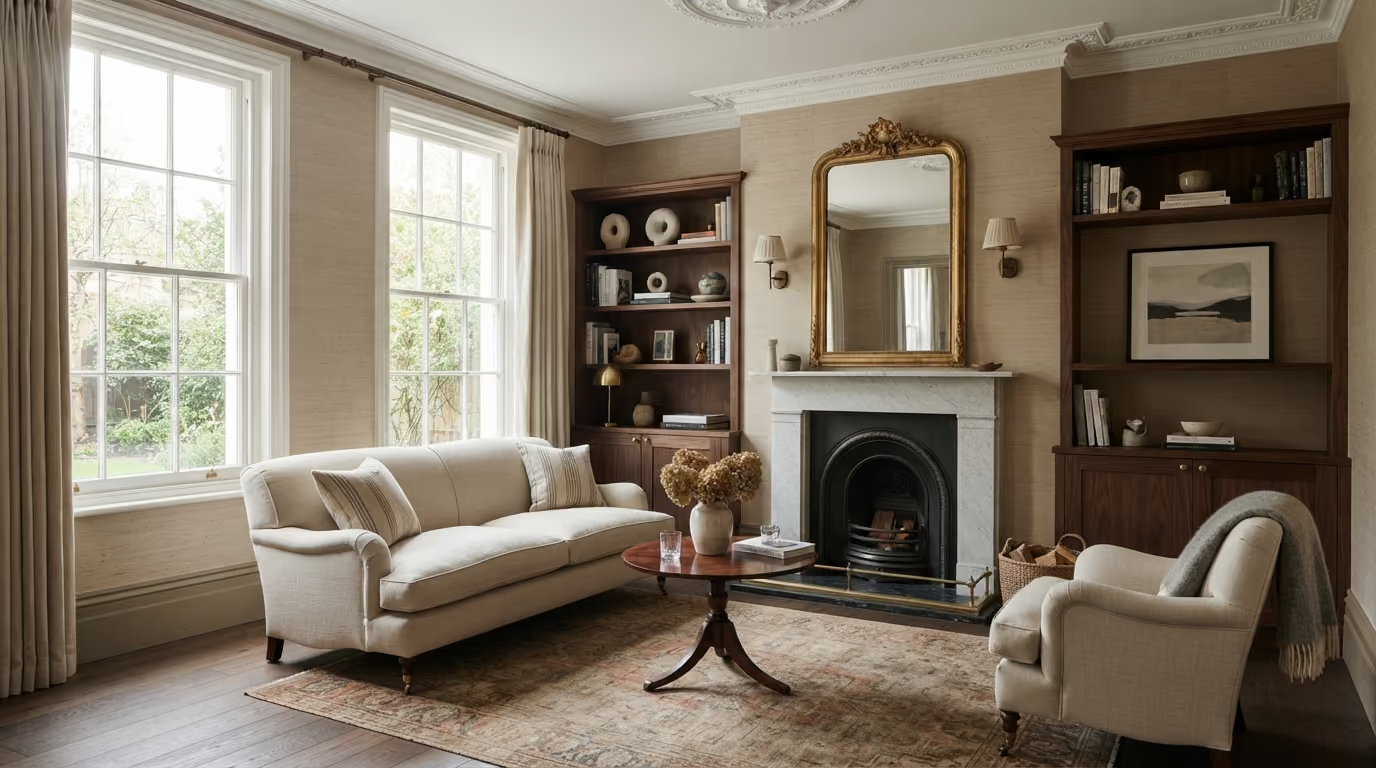
Fireplaces and alcoves give Kensington rooms their character. They create symmetry, depth, and a natural focal point. They also make wallpaper more interesting and more difficult. A plain wall is simple to paper. A wall with a chimney breast, two alcoves, built in shelves, a mantel, picture lights, and uneven older plaster needs a much more careful plan.
When wallpaper is installed well around these features, the room feels tailored and calm. The pattern sits naturally. The fireplace feels framed. The alcoves feel intentional. When it is done poorly, your eye finds every problem. A seam falls in the wrong place. The pattern looks cut off above the mantel. The alcove paper feels darker than the main wall. The whole room starts to look less refined, even if the wallpaper itself is beautiful.
This guide explains how to plan wallpaper around fireplaces and alcoves in Kensington homes, with a focus on period rooms, reception spaces, bedrooms, studies, and dining rooms.
A fireplace wall is usually the main view in a room. It is the wall people face from the sofa, the wall that holds art or a mirror, and the wall that sets the room’s rhythm. If wallpaper is used here, the setting out needs to be more precise than on a secondary wall.
Alcoves add another layer. They often sit in shadow, especially if they include built in shelving. That means wallpaper can look deeper or cooler inside the alcove than it does on the main wall. If the pattern is strong, it can also feel busier in a narrow recess.
A good wallpaper plan considers:
This is why wallpaper should be planned on the wall, not only from the roll.
Before choosing where the first drop should go, step back and decide how the room is normally seen. In a Kensington reception room, the main view may be from the doorway into the fireplace wall. In a bedroom, it may be the view toward the chimney breast behind a chair or beside wardrobes. In a dining room, it may be the wall guests see when seated.
The main view should guide the layout. If a wallpaper pattern has a clear centre, motif, stripe, or repeat, it should feel balanced from that view. That does not mean every detail can be perfectly symmetrical in an older room. It means the visual weight should feel calm.
Useful questions include:
These details decide how the wallpaper should be set out.
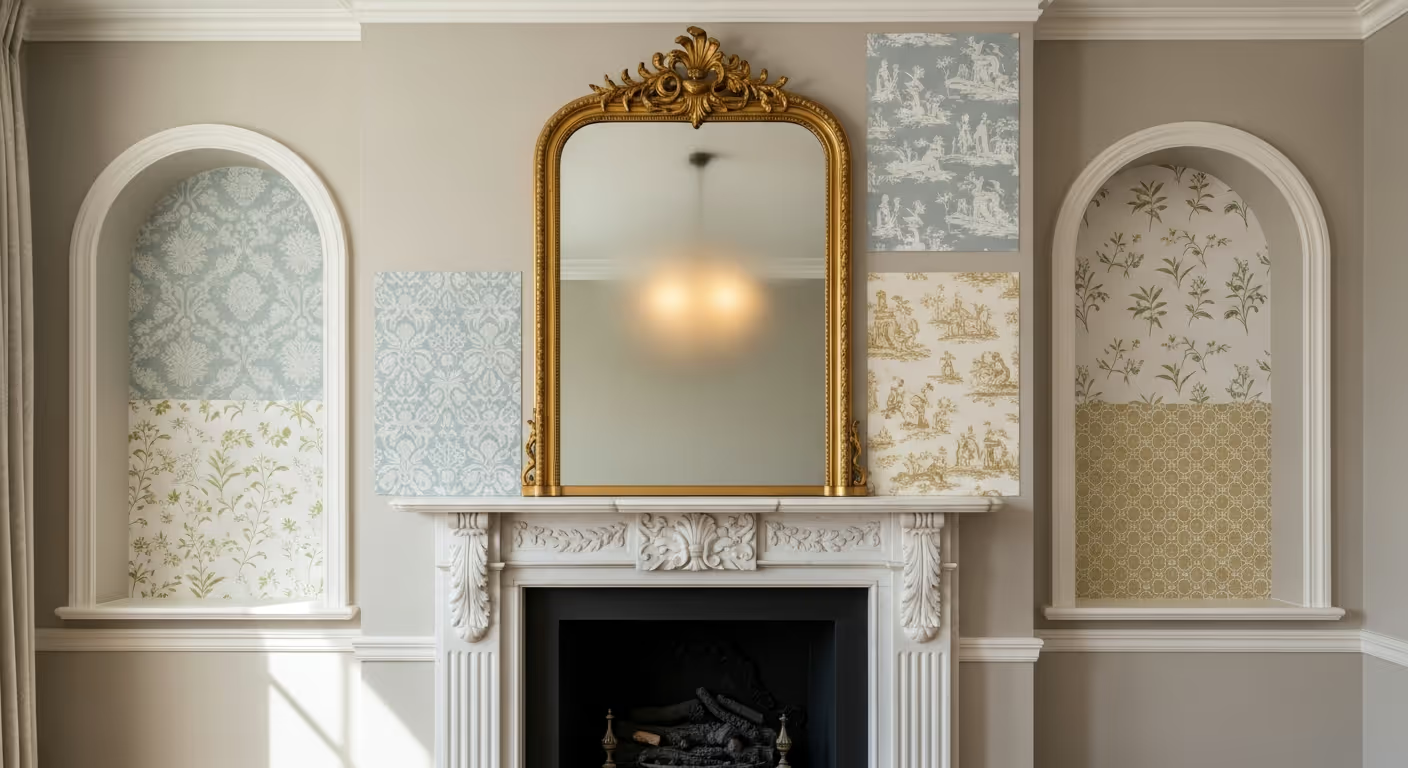
Pattern scale can make or break a fireplace wall. A small busy repeat can become restless around corners and alcoves. A very large motif can be cut awkwardly by the mantel, shelves, or ceiling line. The right scale depends on the room size and how many architectural details are already present.
For Kensington homes, these directions often work well:
If the chimney breast is narrow, avoid a large motif that gets chopped at both sides. If the alcoves are deep and shadowed, avoid tiny high contrast patterns that can feel noisy in lower light.
There is no single right answer. Some rooms look best with wallpaper across the full fireplace wall, including chimney breast and alcoves. Other rooms look better with the chimney breast painted and the alcoves wallpapered, or the other way around.
Wallpapering the full fireplace wall works well when:
Painting the chimney breast and wallpapering alcoves works well when:
Wallpapering only the chimney breast can work, but it needs care. If the paper is too bold, the chimney breast can look like a separate panel rather than part of the room. This approach works best when the room has a clear reason for that focus.
Alcoves often take wallpaper beautifully because they create a natural frame. A textured or patterned paper can make built in shelves, art, or lighting feel more considered. In a study or reception room, wallpapered alcoves can add depth without covering the whole room.
Alcoves are especially good for:
The key is to test the wallpaper in the alcove itself. A paper that looks light on the main wall can appear much deeper inside a recess.
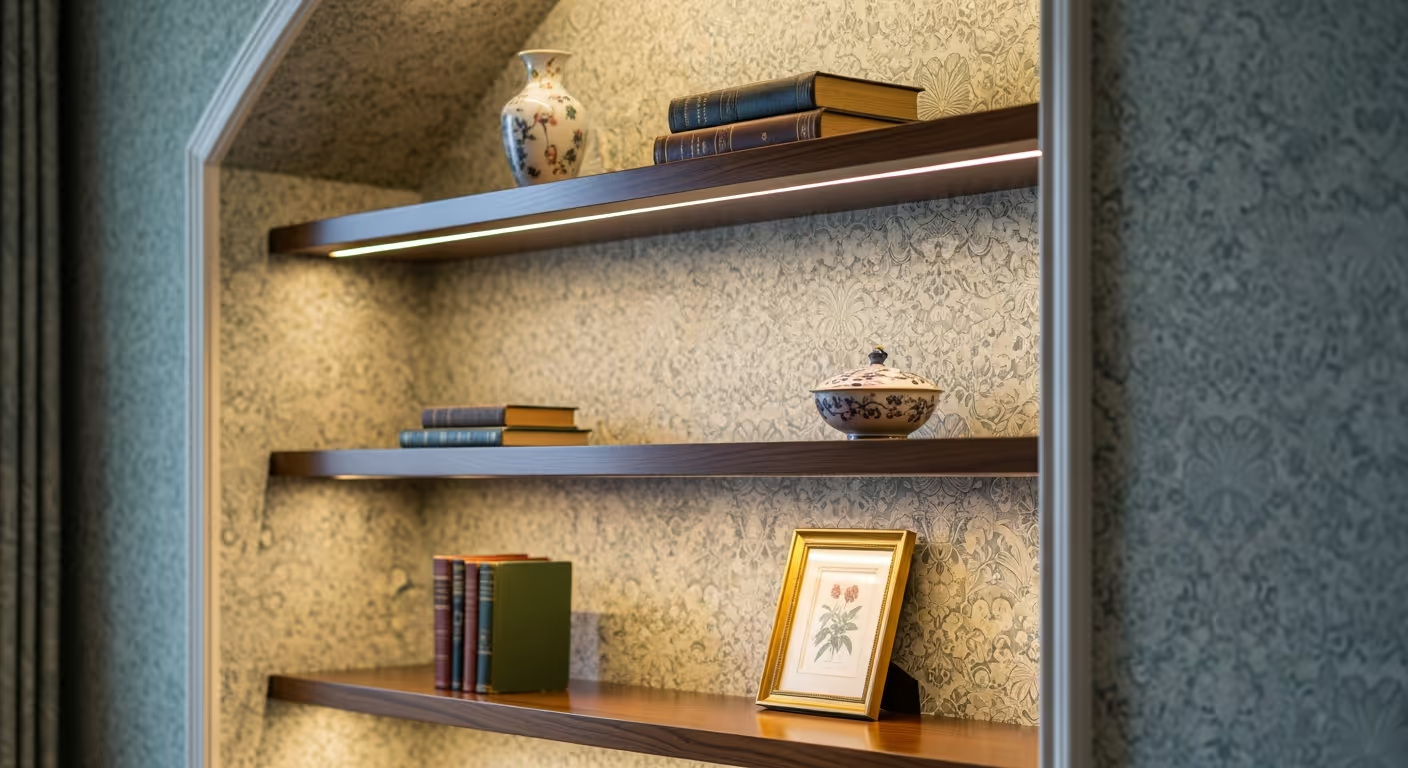
Many older Kensington rooms are not perfectly symmetrical. One alcove may be wider. One side may include pipework, old repairs, shelving, or a door. The fireplace may sit slightly off centre. This is normal in period homes, but wallpaper can make it more obvious if the setting out is not planned well.
When alcoves are uneven, the goal is visual balance rather than mathematical perfection. A skilled installer may adjust the starting point so the pattern looks calm from the main view, even if that means tiny differences are absorbed at less visible edges.
Good planning can include:
This is where trade experience matters. The best layout is often the one that looks right to the eye, not the one that is easiest to measure.
Built in shelving can make wallpaper more beautiful or more complex. If shelves cover much of the alcove, a strong wallpaper may be wasted because it will be interrupted by books and objects. A textured paper may be a better choice because it adds warmth behind the shelving without needing the full pattern to be visible.
Consider these points before choosing:
If joinery is being repainted at the same time, it is smart to coordinate wallpaper with interior painting and decorating so the whole wall feels planned as one feature.
Fireplace walls often have a long history. They may include old heat marks, soot staining, plaster repairs, old picture fixings, cable chases, and previous wallpaper layers. All of that affects the new finish.
Good preparation may include:
Wallpaper does not hide poor preparation. In fact, it can highlight it, especially when side light from sash windows crosses the fireplace wall.
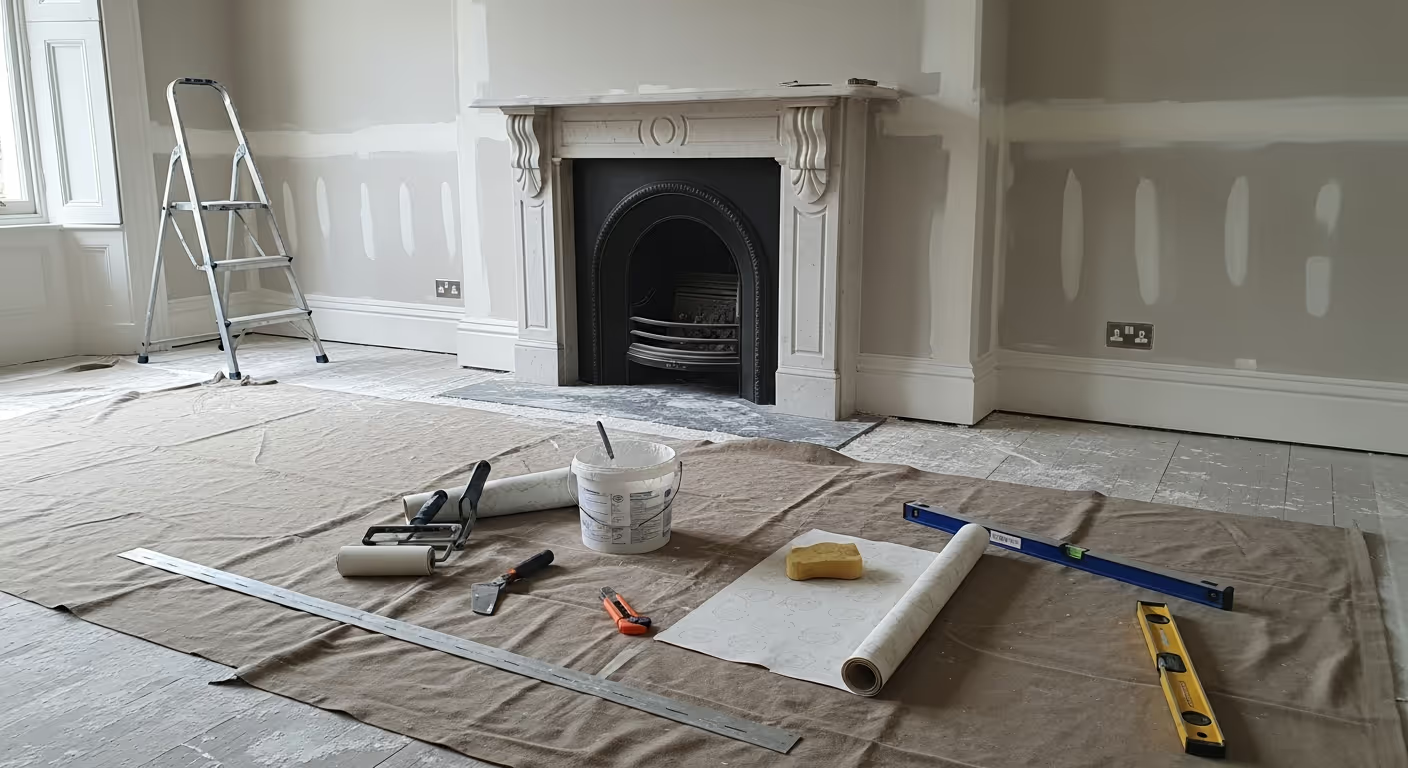
Seam placement is one of the most important parts of wallpapering around fireplaces and alcoves. A seam in the wrong place can catch the eye every time you sit in the room. A seam in a quiet place disappears into the room’s rhythm.
Good seam planning considers:
Natural fibre and textile wallcoverings may show seams more by nature, so this planning matters even more. Smooth printed papers can be more forgiving, but they still need good setting out.
If a fireplace is purely decorative, wallpaper planning is simpler. If it is used, the finish around it needs more care. Heat, soot, and airflow can affect nearby surfaces over time.
Before wallpapering near a working fireplace, check:
In many high end homes, wallpaper sits beautifully around a mantel, but the exact detail depends on the fireplace type and how it is used.
Because fireplaces and alcoves create shadow, wallpaper colour should be judged carefully. A paper can look one tone on the flat wall and another inside the recess.
Reliable choices often include:
If the room already has a strong marble fireplace, timber floor, or dark joinery, the wallpaper should pick up one of those undertones rather than adding a new competing colour.
Most of these issues can be avoided with a site plan before installation starts.
Should wallpaper be centred on the fireplace? Often yes, especially if the fireplace is the main focal point. The exact setting out depends on the pattern, wall size, and main view.
Can wallpaper go inside alcoves only? Yes. This can look very elegant, especially with built in shelving or soft lighting.
Will seams show around chimney breast corners? They should be planned to sit as quietly as possible. Some wallcoverings show seams more naturally, especially textured or natural fibre papers.
Can wallpaper be used above a fireplace? Often yes, but it depends on whether the fireplace is decorative or working, and how much heat or staining the wall receives.
We install wallpaper across Prime Central London, including Kensington, Chelsea, Belgravia, Notting Hill, Knightsbridge, and Westminster. Many of these projects involve period rooms with fireplaces, alcoves, shelving, cornices, and older plaster where careful setting out and wall preparation make all the difference.
Want wallpaper around a fireplace or alcove in your Kensington home? Send a few photos of the wall, including the fireplace, alcoves, shelving, and any wallpaper samples you like. We can help plan the layout, advise on wall preparation, and install the paper so the room feels balanced and refined. To begin, request a site visit and we will arrange a time that suits you.
Tell us a few details about your project and our team will review the enquiry and come back to you within one working day.