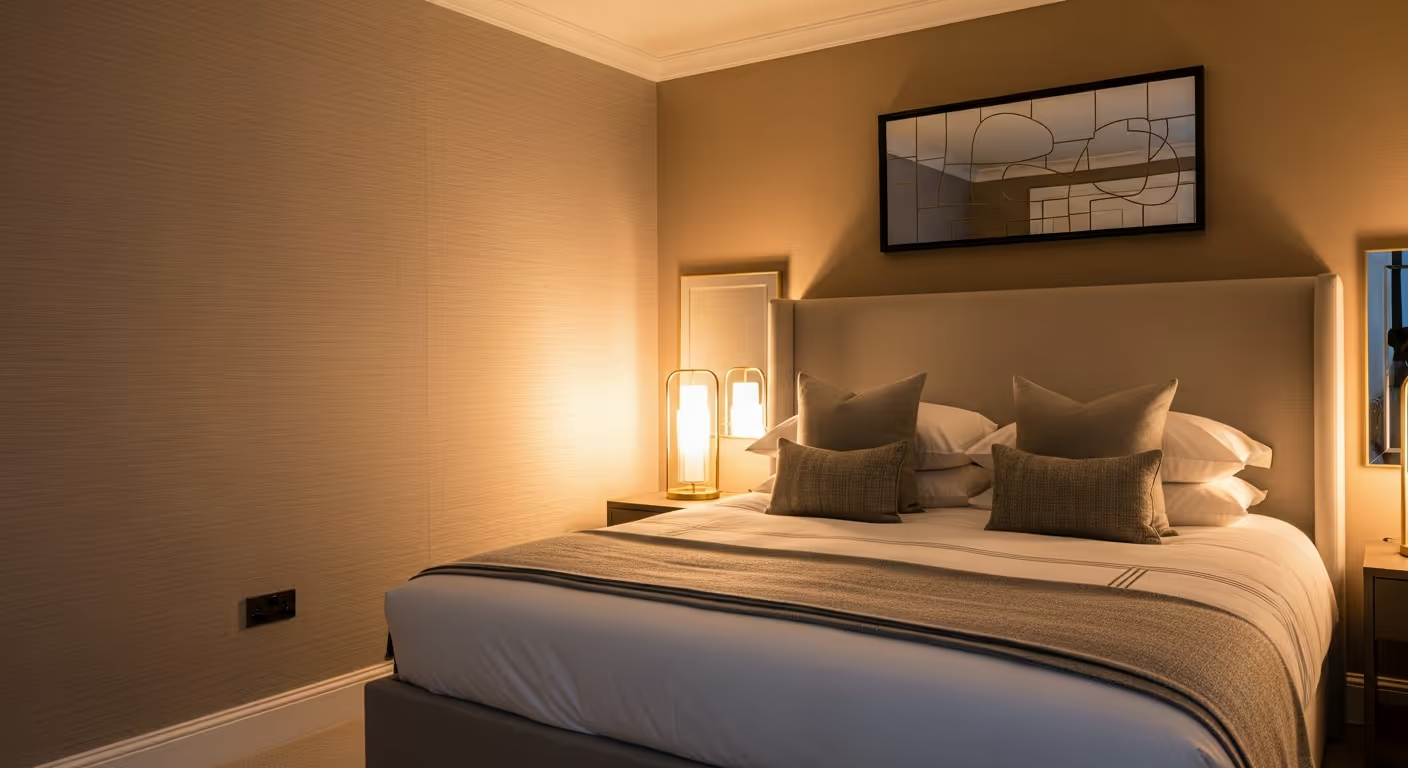
Choosing between textile wallcoverings and painted walls for a Chelsea bedroom is not only about looks. This guide explains how each finish changes texture, comfort, lighting, maintenance, and mood, so you can choose the option that feels refined and still works for daily life.
Short answer: Textile wallcoverings usually feel more luxurious in a Chelsea bedroom because they add softness, depth, and a tailored finish that paint cannot fully copy. Painted walls are simpler to refresh, easier to maintain, and often the better choice if you want a cleaner, quieter backdrop. In many Prime Central London bedrooms, the best answer is a mix, textile wallcovering on the headboard wall and paint on the remaining walls, all within the same colour family. For help with specification and installation, see our wallpaper service and our interior painting and decorating service.
A Chelsea bedroom often needs to do two things at once. It should feel calm enough for rest, and refined enough to suit the architecture and the rest of the home. That is why the wall finish matters so much. Walls take up a large part of what you see when you wake, when you enter the room, and when the lamps are on at night. A flat finish can feel elegant, yet sometimes a little plain. A more tactile finish can feel richer, yet sometimes too “done” if it is not chosen carefully.
This guide compares textile wallcoverings and painted walls in a practical way. You will see how each one changes the mood of the room, what they ask from the wall base, how they behave in Chelsea light, and which one tends to feel more luxurious without becoming harder to live with.
Textile wallcoverings are wallcoverings with a textile or natural fibre face, often linen, silk, grasscloth, or related woven finishes. They are different from fabric backed vinyl, which is more of a durability led product, and different from upholstered wall panels, which are padded fabric elements rather than wallpaper.
In a Chelsea bedroom, textile wallcoverings are usually chosen because they bring:
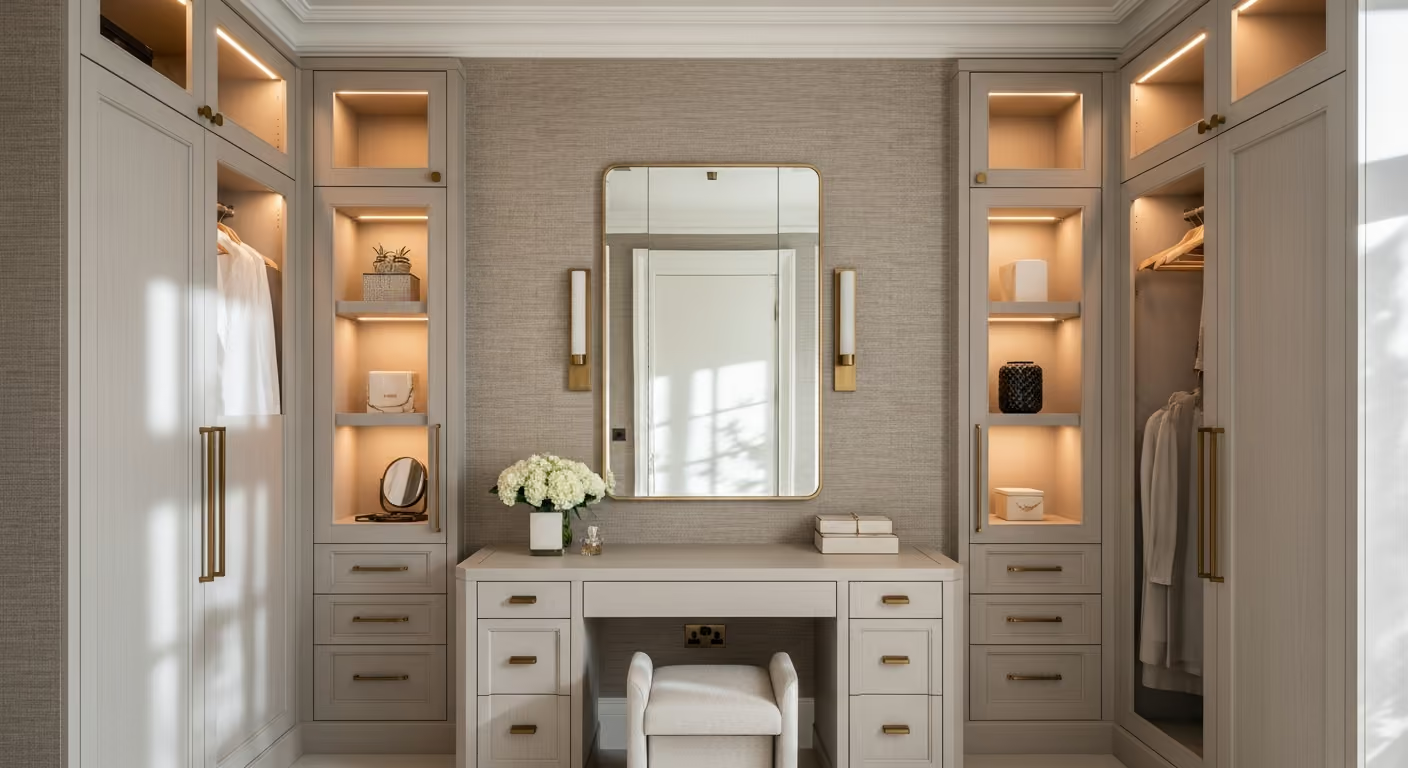
That is why they are often seen in principal bedrooms and dressing rooms rather than in busier spaces like hallways or kitchens.
Paint offers clarity and simplicity. A well painted bedroom wall can feel calm, elegant, and very high end, especially when the colour is chosen well and the prep is strong. Paint is not a lesser option. It simply creates a different kind of luxury.
Paint tends to work best when you want:
In many Chelsea homes, paint is used on most walls because it lets the furniture, lighting, and textiles take the lead. That can feel very luxurious too, especially in softer warm neutrals or chalky off whites.
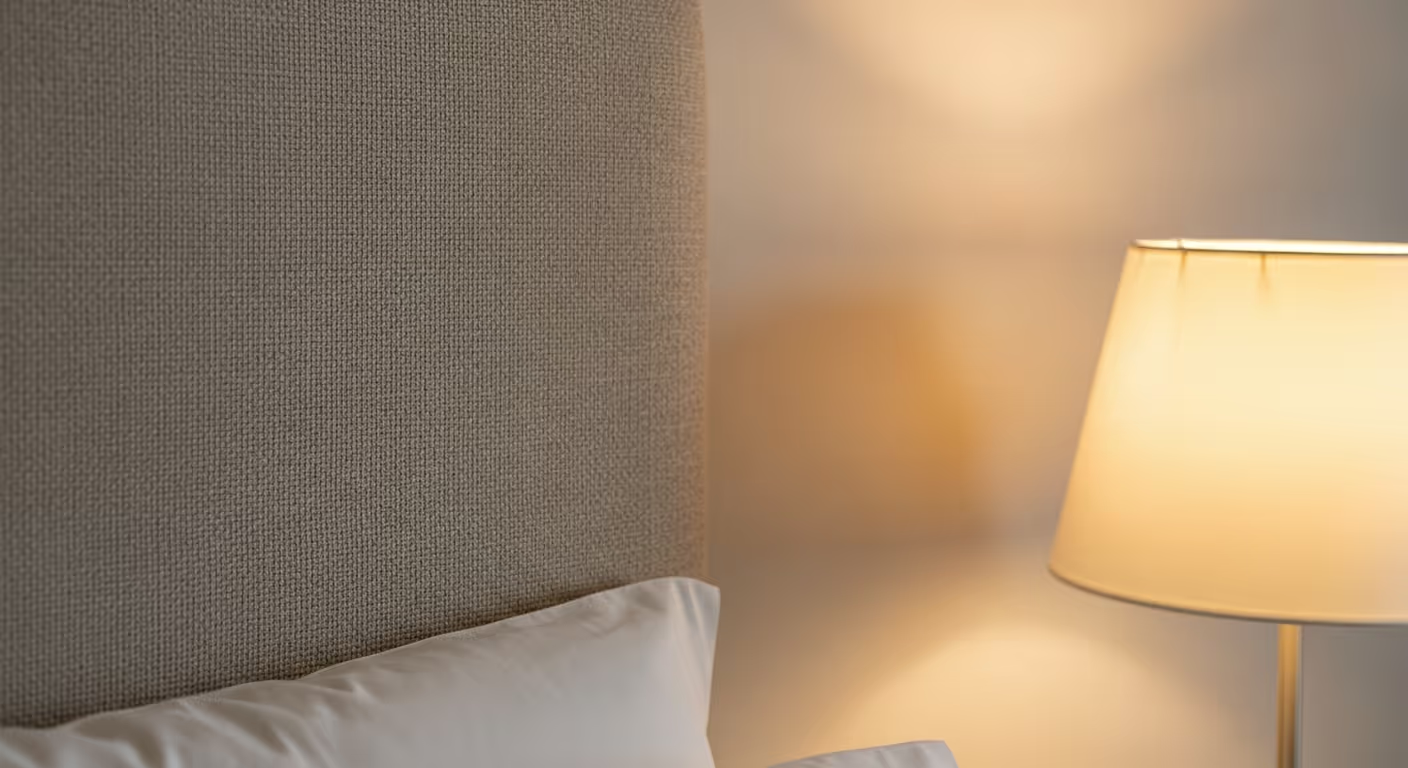
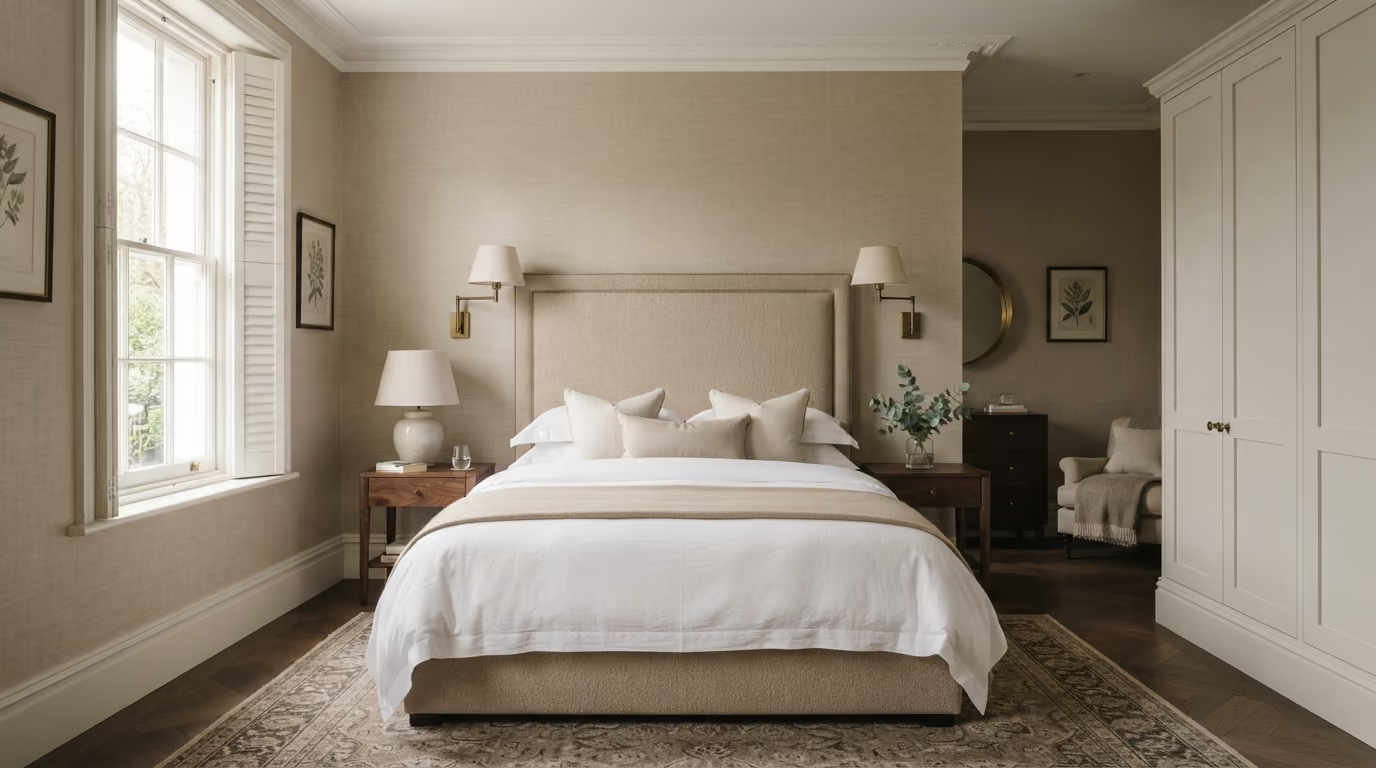
If we are talking about first impression, textile wallcoverings usually feel more luxurious. They catch light differently, they look more layered, and they give a bedroom an immediate sense of softness. This is especially true behind a headboard or across a wall that receives evening lamp light.
Why textile wallcoverings often win on first impression:
That said, a painted room with beautiful colour, strong plaster prep, and crisp trim can still feel extremely luxurious. The difference is that the luxury comes from restraint rather than texture.
Light matters more than people expect. Chelsea bedrooms can have very different light depending on floor level, street width, and orientation. One bedroom may have clear soft daylight, another may rely mostly on lamps.
Textile wallcoverings often look strongest when:
Paint often looks strongest when:
If a bedroom is heavily used at night rather than in daylight, textile wallcoverings can feel especially beautiful because lamp light brings out their depth.
Whether you choose paint or textile wallcoverings, the wall base matters. Yet textile wallcoverings ask even more from the surface. If the wall is uneven, the finish will tell on you.
For painted walls, good prep usually includes:
For textile wallcoverings, the prep often goes further:
This is one reason textile wallcoverings feel more luxurious when done well. They require more care. The flip side is that poor prep will show faster, so they should never be treated as a shortcut to luxury.
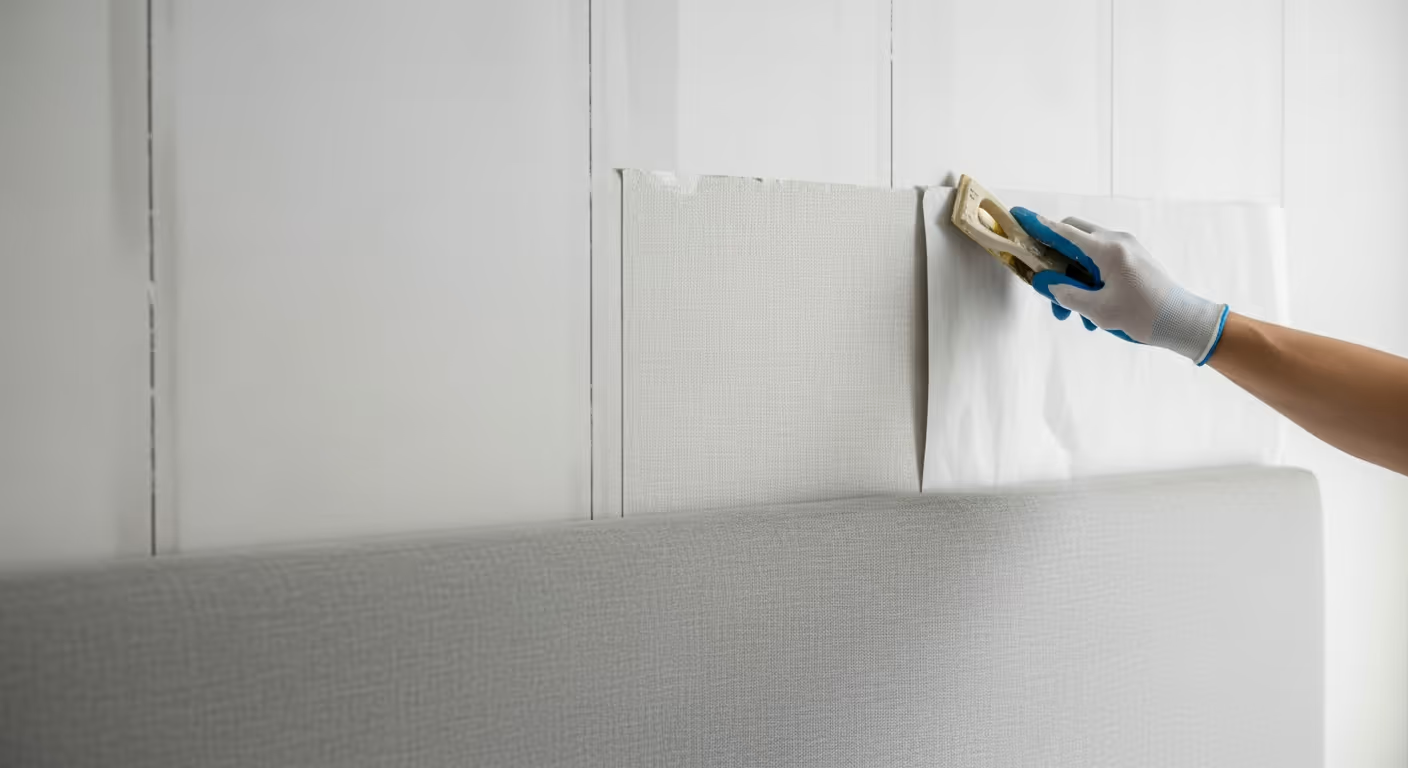
Luxury only feels good if it does not create constant worry. That is why practicality matters, even in a bedroom.
Paint is usually easier to live with because:
Textile wallcoverings usually need a gentler attitude because:
In an adult bedroom with a stable layout, this is rarely a serious problem. In a child’s room or a guest room that doubles as storage, paint may be the easier choice.
You do not need to cover every wall to get the benefit. In fact, the most luxurious result often comes from using textile wallcoverings only where they can be appreciated properly.
The strongest placements are:
The headboard wall is the most common choice because it gives impact without making the whole room feel too managed.
Paint is often the smarter choice on walls that need more flexibility or lower maintenance.
These areas often suit paint well:
In practice, this is why the mix of textile wallcovering plus paint is so popular. It gives the room texture where it matters and simplicity where it is useful.
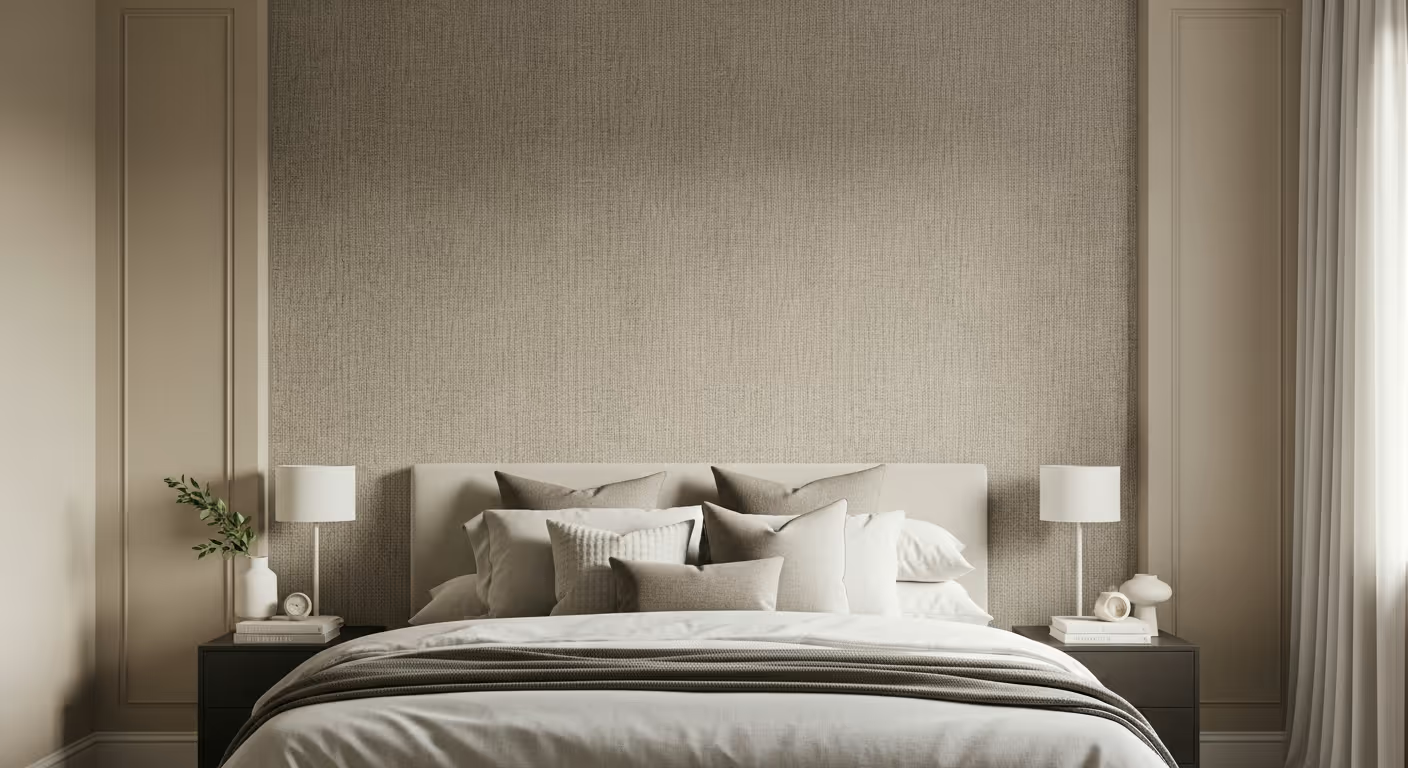
Many bedrooms feel less luxurious when too many “special” finishes are used at once. If the room has a strong wallpaper, a bold rug, dramatic curtains, and statement lighting, the overall result can feel busy rather than calm.
The most elegant balance is often:
Let one element lead. If the wallcovering is the hero, keep the painted walls, trim, and fabrics disciplined. If the paint is the hero, make the luxury come from lighting, furniture, and texture in the room.
Textile wallcoverings usually cost more overall because the product itself is often more expensive and the wall prep can be more demanding. The installation also needs more planning and precision.
Paint is usually more efficient because:
That does not mean paint is the “cheap” option. A beautifully prepared and painted bedroom can still sit at a very high finish level. It simply invests in restraint rather than a textile surface.
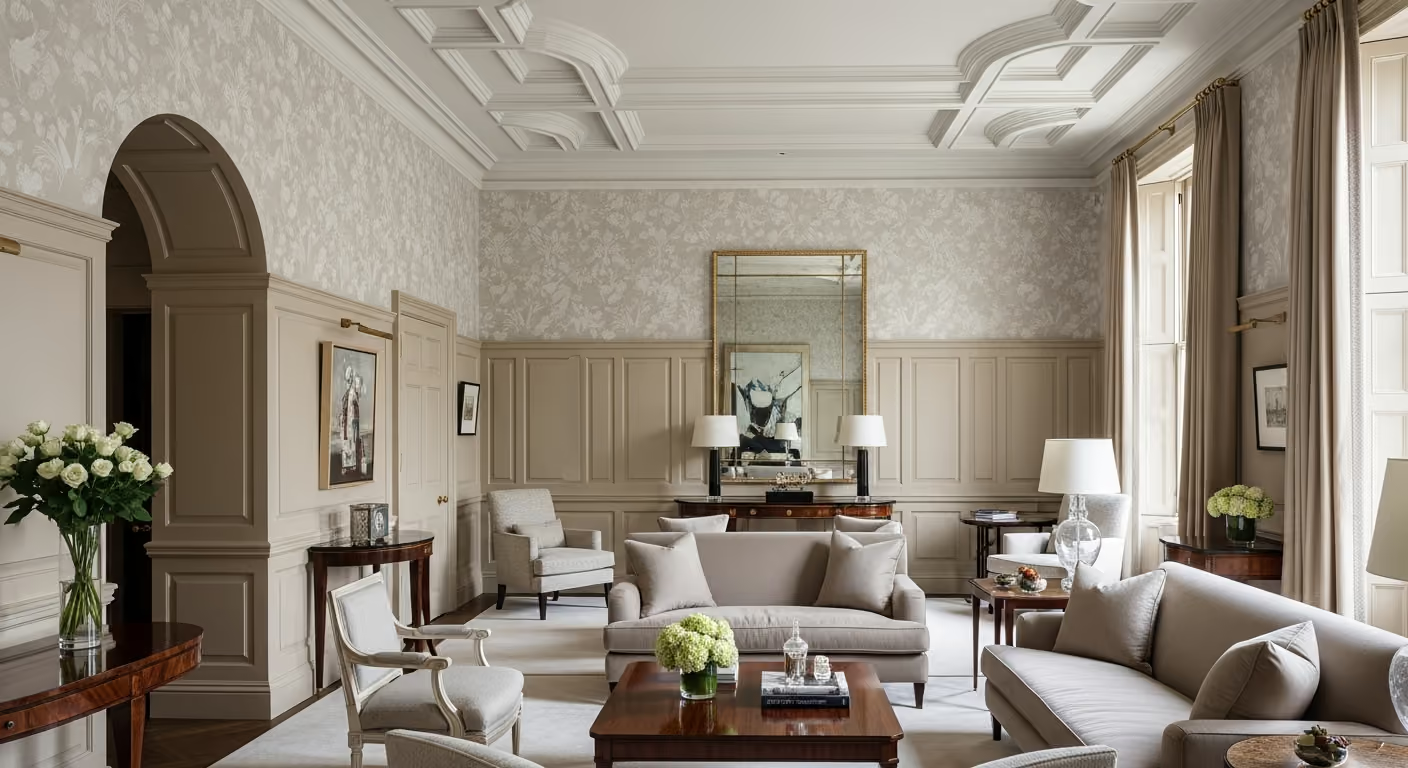
Both finishes can suit period rooms. The decision depends on what part of the architecture you want to emphasise.
Textile wallcoverings work beautifully with:
Paint works beautifully with:
If nearby rooms use finishes such as Bauwerk limewash, either route can still work. The key is to keep undertones aligned so the transitions feel natural.
Do textile wallcoverings always feel more expensive than paint? Usually yes at first glance, but paint can feel just as refined when the colour, prep, and lighting are right.
Is wallpaper too much for a bedroom? Not if the design is calm. In fact, a subtle textile wallcovering can feel softer than a plain painted room.
Can I use textile wallcoverings on every wall? Yes, if the room is calm and the design is restrained. Many owners still prefer one feature wall for ease and flexibility.
Which is easier long term? Paint is usually easier to refresh. Textile wallcoverings are better if your priority is atmosphere and texture rather than the easiest maintenance cycle.
We install wallcoverings and carry out interior painting across Prime Central London, including Chelsea, Kensington, Belgravia, Notting Hill, Knightsbridge, and Westminster. Many of these bedroom projects combine a feature wall with a painted scheme so the result feels calm, tailored, and easy to live with.
Not sure whether your Chelsea bedroom should be textile wallcovering or paint? Send a few photos of the room, note how it is used day to day, and share any colour or texture references you like. We can advise the calmest route, plan the wall prep properly, and deliver a finish that feels luxurious without becoming hard work later. To begin, request a site visit and we will arrange a time that suits you.
Tell us a few details about your project and our team will review the enquiry and come back to you within one working day.