Not sure if your Belgravia stucco facade needs repainting now or can wait another year? This guide explains the signs to watch for, what causes early paint failure, and how to plan a careful repaint that protects the building as well as the look of the street.
Short answer: A Belgravia stucco facade usually needs repainting when you start to see chalking, hairline cracks, peeling edges, algae, staining, or dull uneven colour. The best time to act is before failure spreads across the facade. A careful repaint should start with inspection, water checks, crack repairs, and the right breathable paint system, not simply a fresh coat over old problems. For help planning this properly, see our exterior and heritage painting service.
Stucco is one of the features that gives Belgravia its quiet elegance. When it is well maintained, the facade looks calm, soft, and refined. It frames the windows, works beautifully with black iron railings, and gives the street its classic rhythm. When the paint system starts to fail, the change can be subtle at first. A little chalking here. A small crack near a window. A patch of peeling under a sill. Then, after a wet winter, those small signs become much more visible.
This guide explains when to repaint a Belgravia stucco facade, what signs matter most, and why timing is so important. The aim is not to repaint too often. The aim is to repaint before the facade starts needing deeper and more expensive repair work.
Stucco is not just a flat painted surface. It is part of the building fabric. It moves, weathers, absorbs moisture, and releases moisture. A good paint system helps protect it. A poor or failing system can trap problems or allow water to reach the surface beneath.
Timing matters because early signs of failure are easier to deal with than widespread damage. A facade with light chalking and a few hairline cracks may need careful preparation and repainting. A facade with blown render, peeling across large areas, and repeated water staining may need a much larger repair package before painting can even begin.
The right time to repaint is usually when the surface still looks mostly sound, but the signs of ageing are starting to appear clearly.
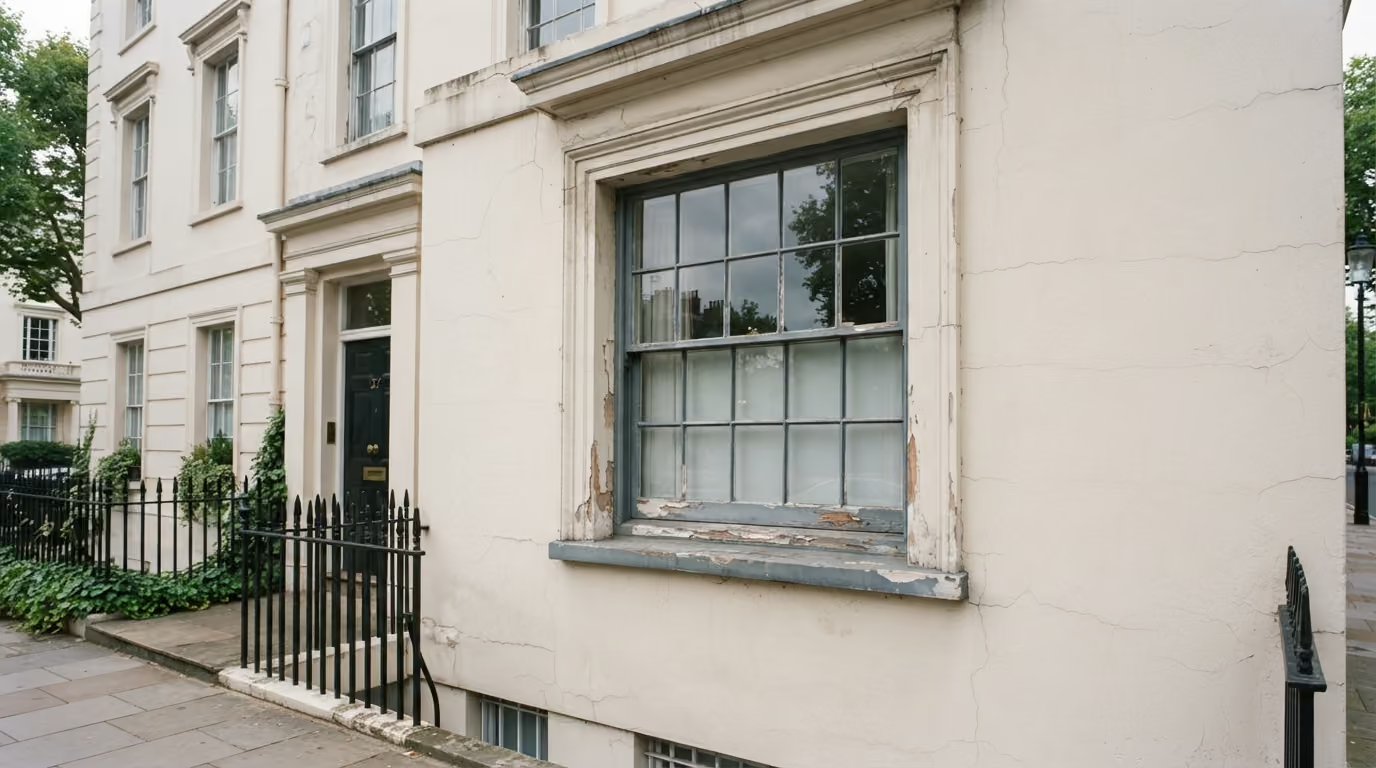
Chalking is one of the most common signs that an exterior paint coating is breaking down. If you rub a dry section of the facade and a fine powder comes away on your fingers, the paint surface is starting to degrade.
Light chalking does not always mean there is a major problem. It often means the coating has weathered and is ready for proper cleaning, preparation, and repainting. Heavy chalking is more serious because it can affect the bond of new coats if not treated correctly.
Signs of chalking include:
If chalking is present, do not simply paint over it. The surface needs to be cleaned and prepared so the new system can bond properly.
Fine cracks are common on older stucco facades. Some are minor. Some are signs that water can enter the surface. The location of the crack matters.
Cracks need attention when they appear:
Small cracks can allow water to reach behind the coating. Over time, that can lead to peeling, blistering, and local render failure. A good repaint includes proper crack preparation, not just paint across the line. The repair needs to blend into the surrounding surface so it does not show as a raised mark once the final coats are on.

Peeling paint is a stronger warning sign than chalking. It means the coating has lost its bond in that area. This can happen for several reasons, including trapped moisture, poor previous preparation, incompatible coatings, or water entering through cracks and joints.
Common peeling areas include:
Once peeling starts, it should not be ignored. Small areas can spread quickly, especially after rain and frost. The loose material needs to be removed back to a sound edge, then the surface needs the correct repair and primer before repainting.
Belgravia streets often include shaded facades, basement areas, planting, and details where water sits longer. These conditions can lead to green or dark staining on the exterior surface.
Algae and staining often appear:
This is not only a visual issue. Growth and staining can point to moisture patterns on the facade. Before repainting, these areas need cleaning and treatment. If the moisture source remains, the marks can come back too quickly after the repaint.
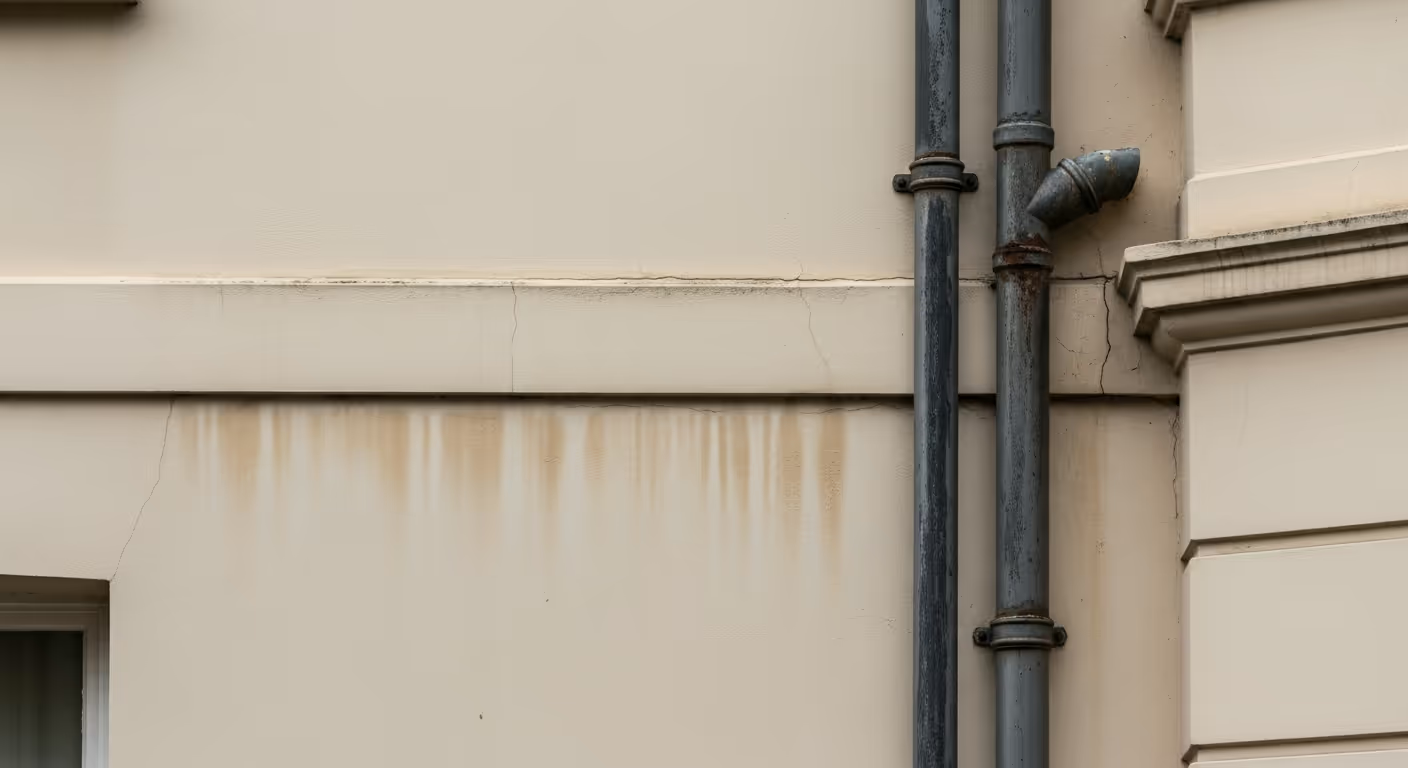
Water is one of the main reasons exterior paint fails early. If water is getting behind the coating, no paint system will perform as it should. This is why every stucco repaint should begin with a water path check.
Areas to inspect include:
If a gutter is leaking onto the facade, repainting the affected wall without fixing the leak is wasted effort. The source needs to be addressed first, then the wall can be prepared and painted properly.
Many older stucco and render surfaces need to release moisture. If the wrong coating is used, moisture can become trapped behind the paint film. That can lead to blistering, peeling, and damage to the surface beneath.
A breathable system helps the wall behave more naturally. It protects against weather while still allowing moisture vapour to escape. This is especially important on period properties where older materials and past repairs may be present.
The paint system should be chosen based on:
Choosing the right system is a technical decision as much as a design choice. The colour matters, but the system behind the colour matters more for long term performance.
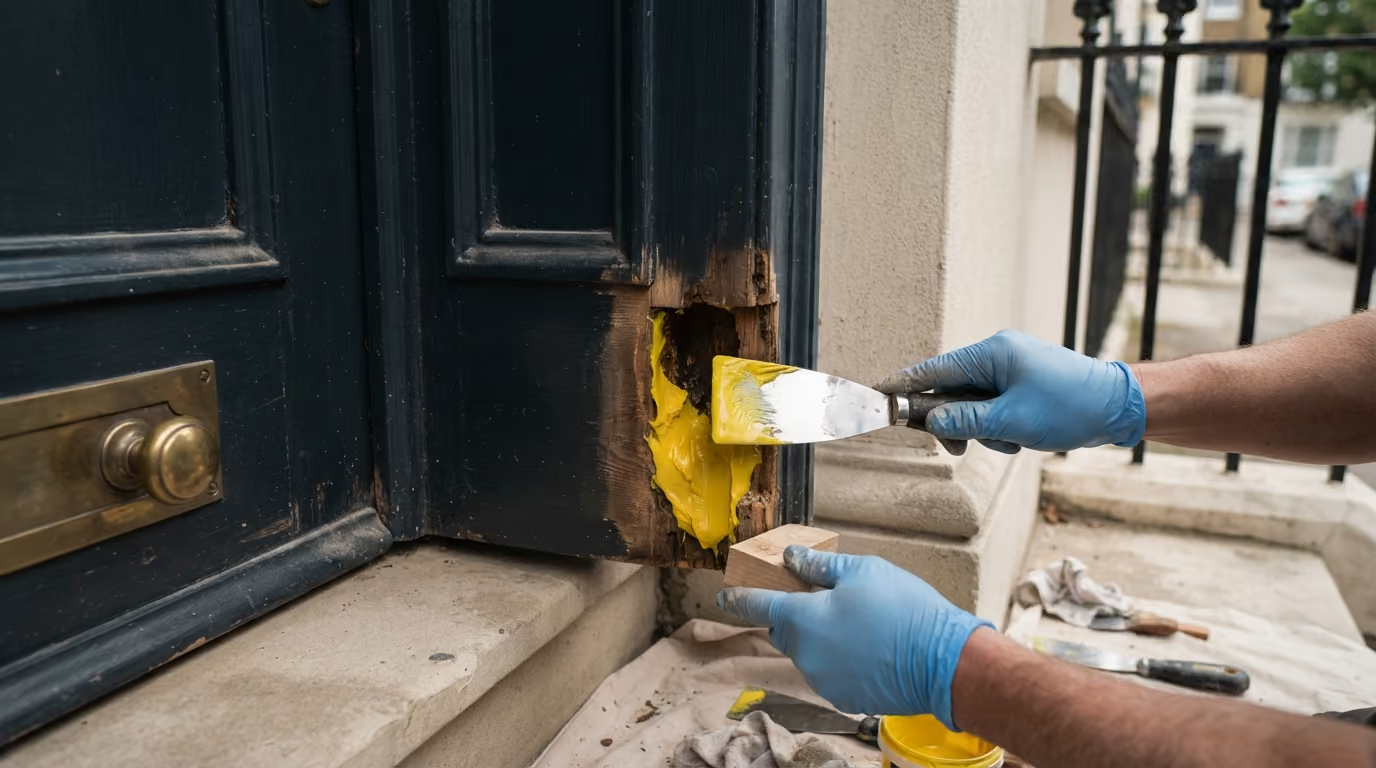
Belgravia facades often have years of repairs hidden under paint. Some were done well. Some were rushed. When a new repaint is planned, these older repairs can affect the scope.
Old repairs may need attention when:
A high quality repaint should not simply cover these patches. The surface should be made calm again before the final coating is applied. This is what keeps the facade looking refined from the pavement.
There is no single fixed schedule that suits every property. A well prepared facade with a suitable system can last for many years, but exposure and condition change the timing.
Factors that shorten the repaint cycle include:
Rather than relying only on a calendar, it is better to inspect the facade every year or two. If early signs are visible, planning ahead gives you more control over cost, access, and timing.
It is tempting to begin with colour, especially on a Belgravia facade where the exact off white or stone tone can change the whole mood of the house. Yet colour should come after condition and system decisions.
Once the surface plan is clear, colour selection becomes easier. Belgravia stucco usually suits restrained tones such as:
Strong or unusual colours can feel out of place on formal terraces. In most cases, the most elegant result is a colour that respects the street and lets the architecture lead.

A stucco repaint rarely stands alone. Railings, gates, handrails, and the front door shape the final impression. If the stucco is refreshed but the railings are rusty or the door is tired, the entrance still feels unfinished.
A complete exterior plan may include:
For the most refined result, these elements should be planned together so the colours, sheens, and finish level work as one entrance.
Exterior repainting depends on weather, access, and preparation. If you wait until the facade is visibly failing, you may have fewer good timing options and more repair work to handle.
It is smart to start planning when:
Planning early means the project can be surveyed, scoped, and scheduled without rushing. That usually leads to a better finish and a calmer experience.
Most exterior repaint problems come from skipping the early checks. A careful survey prevents many of them.
Can I repaint only the worst area? Sometimes, but local repainting can look patchy on a visible facade. If several areas are ageing, a full elevation repaint is usually cleaner.
Does peeling always mean damp? Not always. It can come from poor prep or coating failure too. Still, moisture should always be checked before repainting.
Should stucco always be painted in white? No. Warm off whites and stone tones often look softer and more refined than stark white.
Can the work be done while the house is occupied? Usually yes. Exterior work can often be planned with clear access, scaffold protection, and daily tidy routines.
We carry out exterior and heritage painting across Prime Central London, including Belgravia, Chelsea, Kensington, Notting Hill, Knightsbridge, and Westminster. Many of these projects involve stucco facades, railings, doors, and period details where the surface needs careful preparation before any final coats are applied.
Not sure if your Belgravia stucco facade is ready for repainting? Send a few photos of the elevation, plus close ups of cracks, peeling, staining, and railings. We can help you understand whether the facade needs work now or whether it can wait, then plan the right repairs and paint system when the time comes. To begin, request a site visit and we will arrange a time that suits you.
Tell us a few details about your project and our team will review the enquiry and come back to you within one working day.