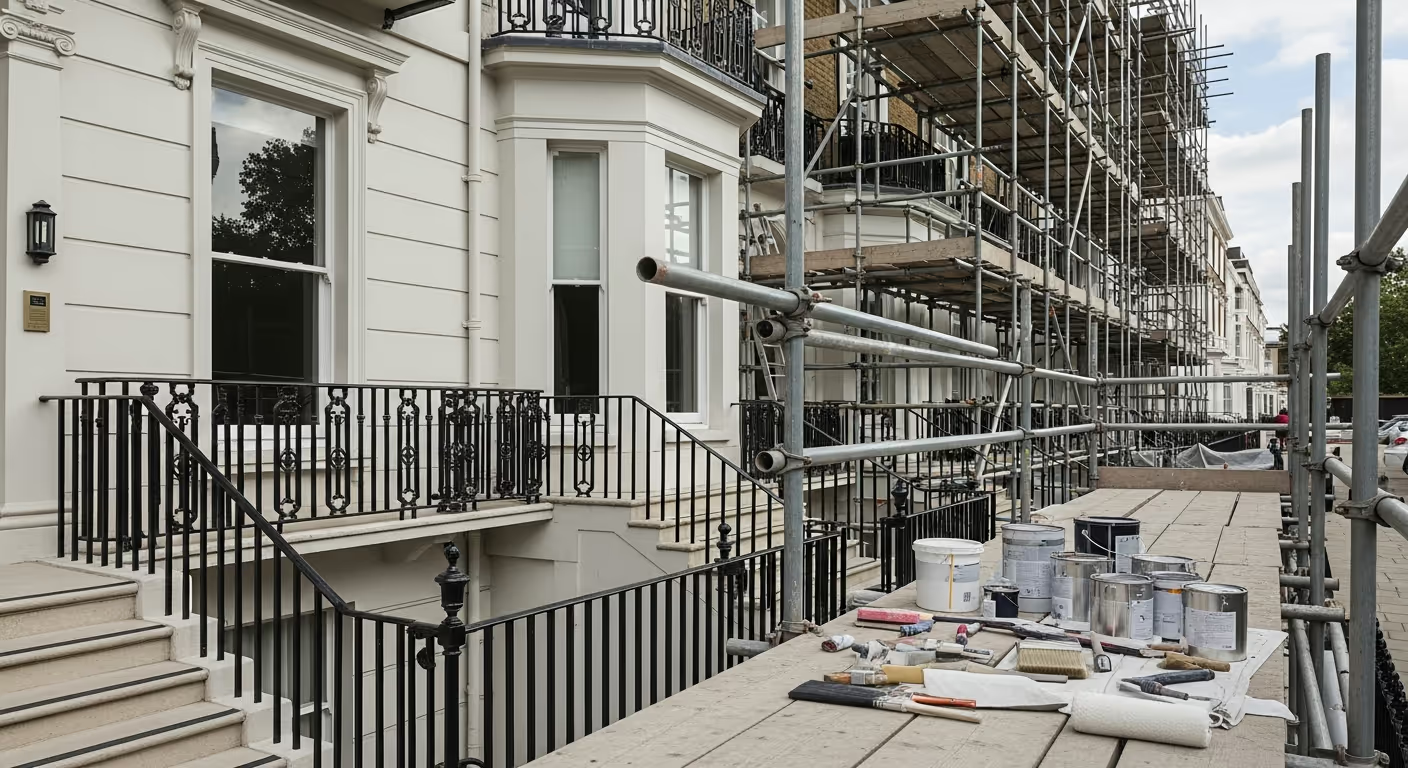
Wondering what really affects the cost of an exterior repaint in Chelsea? This guide explains the main price drivers, from access and repairs to paint systems and facade condition, so you can plan the work clearly and avoid expensive surprises later.
Short answer: The cost of an exterior repaint in Chelsea is shaped less by colour choice and more by access, repairs, facade condition, and the paint system required. A straightforward repaint on a sound surface costs less than a project with cracked stucco, rusted railings, leaking gutters, or listed building constraints. The smartest way to control cost is to start with a proper survey and a repair led plan. For a full exterior assessment, see our exterior and heritage painting service.
Owners often ask for a repaint price before anyone has looked closely at the facade. That is understandable, but on Chelsea exteriors, price depends on far more than square metres and paint tins. A clean stucco front on a quiet street is one thing. A period facade with old repairs, rusting ironwork, awkward access, and moisture issues is something else entirely.
This guide explains the real cost drivers behind an exterior repaint in Chelsea. It does not give flat numbers, because numbers without a survey can mislead. Instead, it shows what increases cost, what keeps it under control, and how to think about value rather than only the headline figure.
From the pavement, two Chelsea houses can look almost identical. Once scaffold goes up and the walls are inspected closely, they can turn out to be very different jobs.
That is why a meaningful repaint cost is built from condition, not only from size. The wall tells you the real scope, and the real scope is what sets the price.
Exterior painting cannot start until the team can safely reach the work. In Chelsea, access is often the first thing that changes the project cost.
Access affects price in several ways:
For many Chelsea homes, access is not a side note. It is one of the main budget items. A well planned scaffold arrangement can save time and reduce disruption, but it still needs to be priced properly from the start.
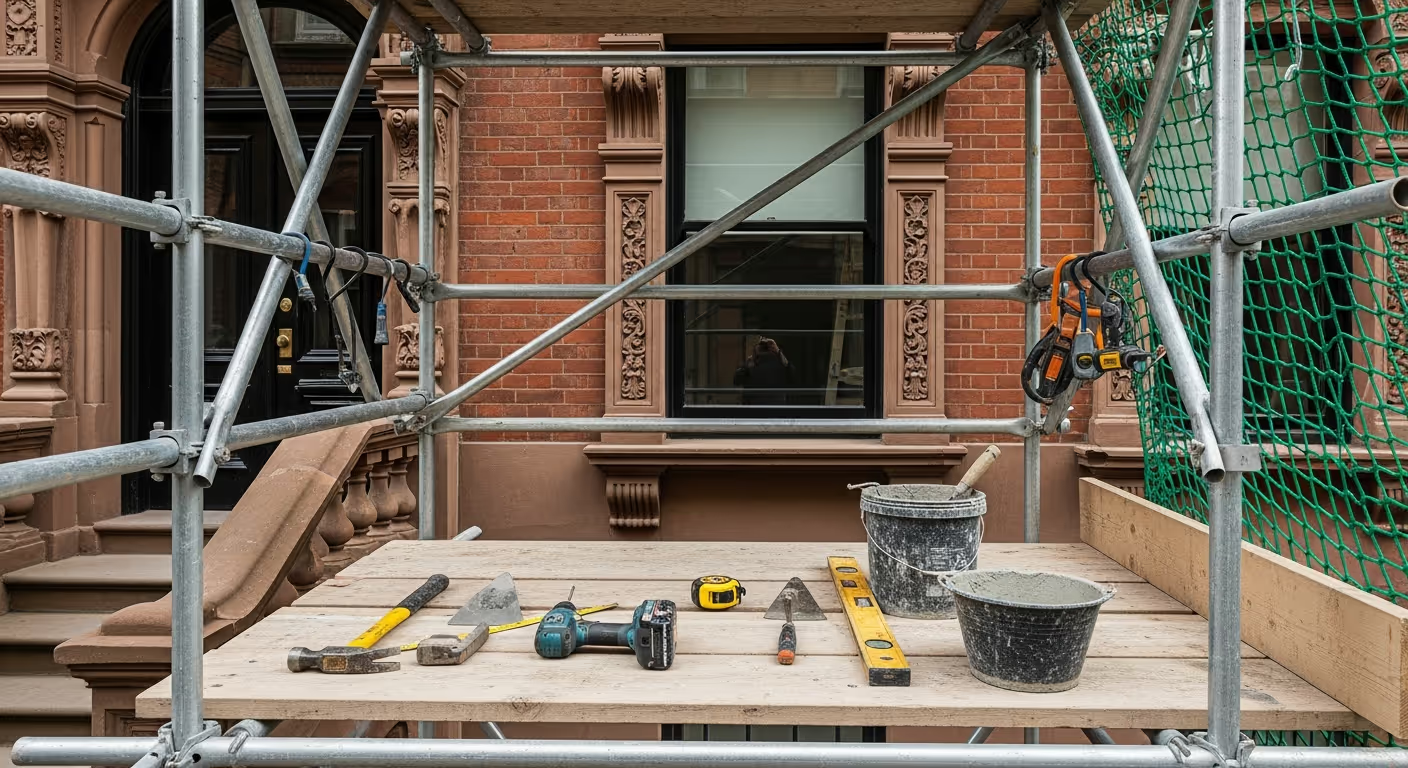
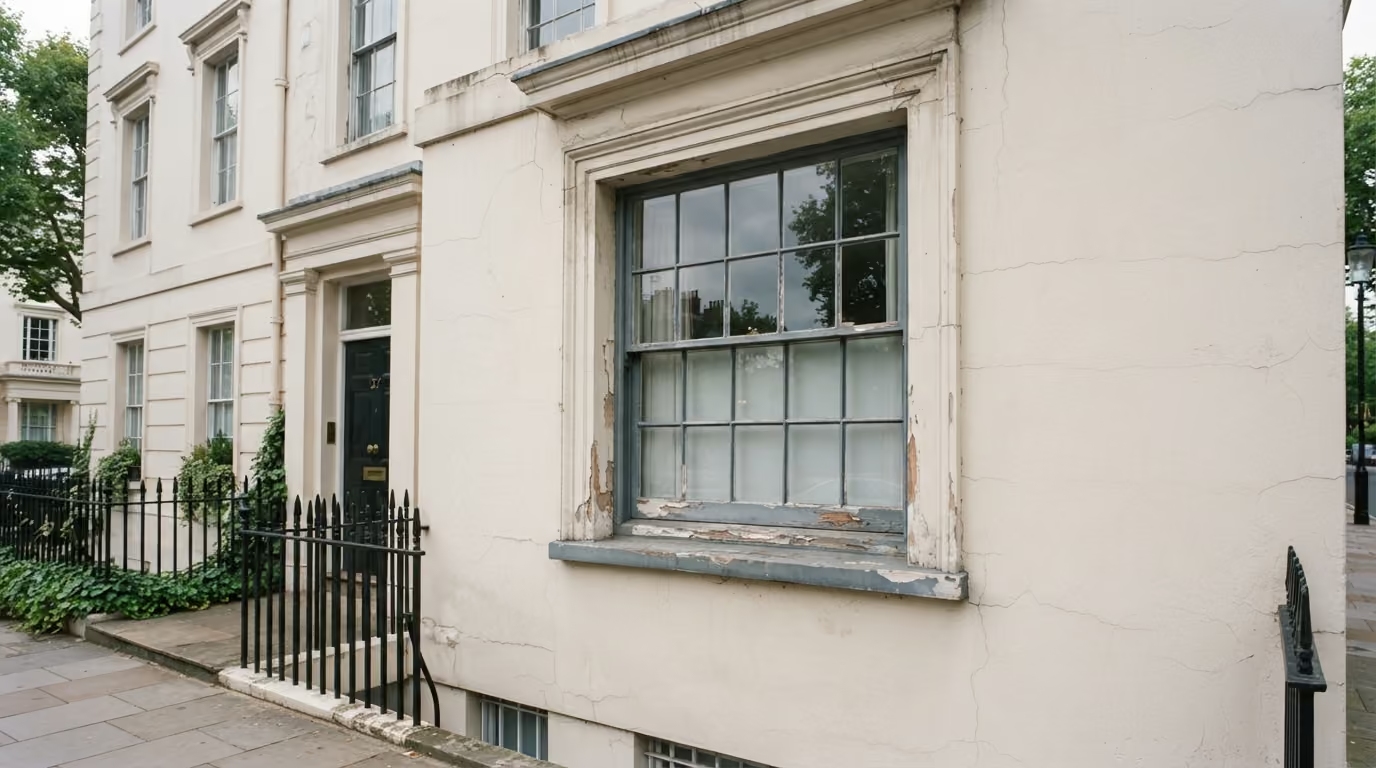
If the facade is clean, sound, and mostly stable, repainting is more direct. If the surface is tired or damaged, prep and repairs become a major part of the cost.
Condition issues that often raise the scope include:
These items do not just add labour. They change the type of labour required. A facade that needs proper heritage aware repair takes more time and more care than a simple refresh.
On many Chelsea exteriors, stucco is the main surface. Stucco looks simple from the street, but it can be one of the most demanding materials to repair well.
Why stucco repair affects cost:
A cheap patch repair can make the repaint look uneven almost at once. A proper repair adds cost up front, but it is usually what keeps the final finish looking calm for longer.
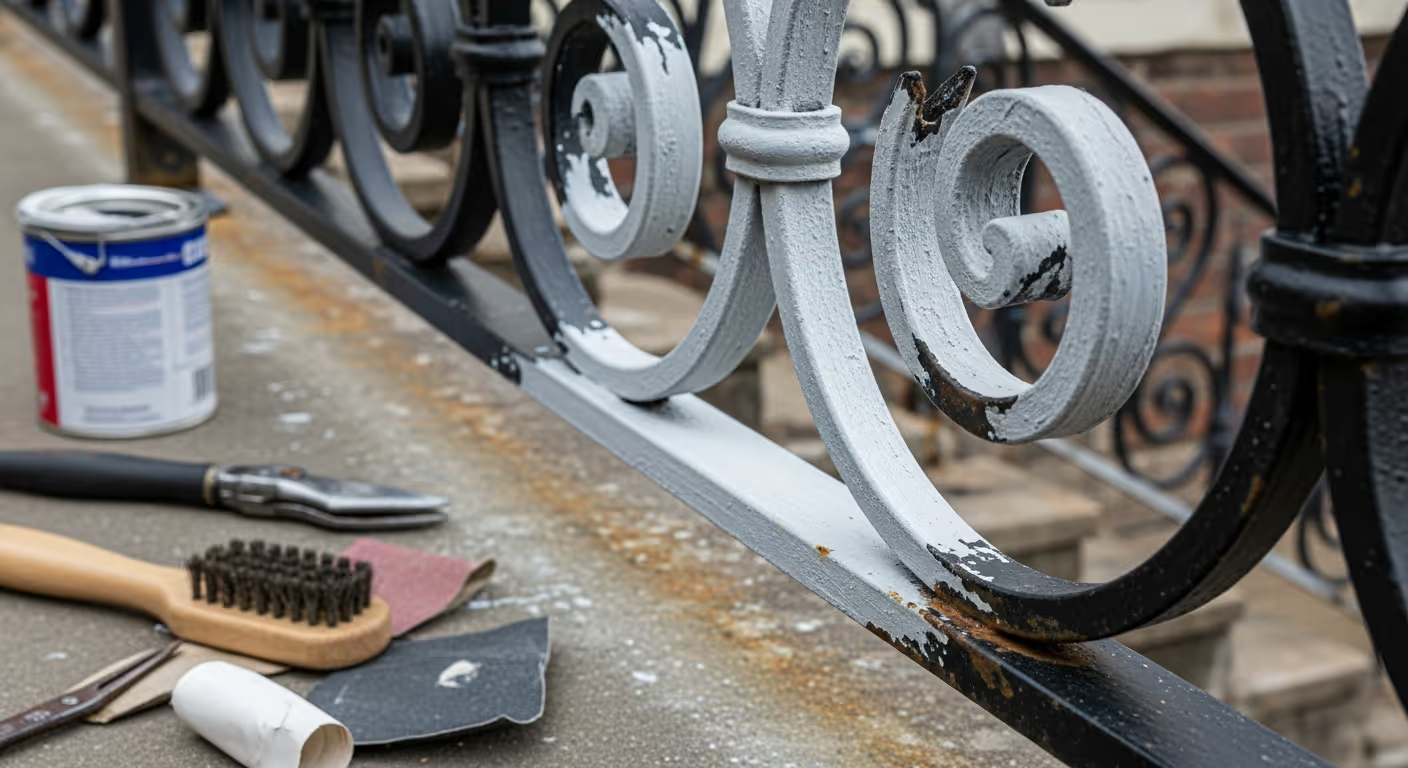
Railings, gates, balconies, and metal details are often treated as “quick extras” in early conversations. In reality, they can be a meaningful part of the cost.
Metalwork usually needs:
If rust is already active, the labour rises because the surface has to be taken back properly. Painting straight over rust may lower the price on paper, but it often raises the real cost later when failure returns.
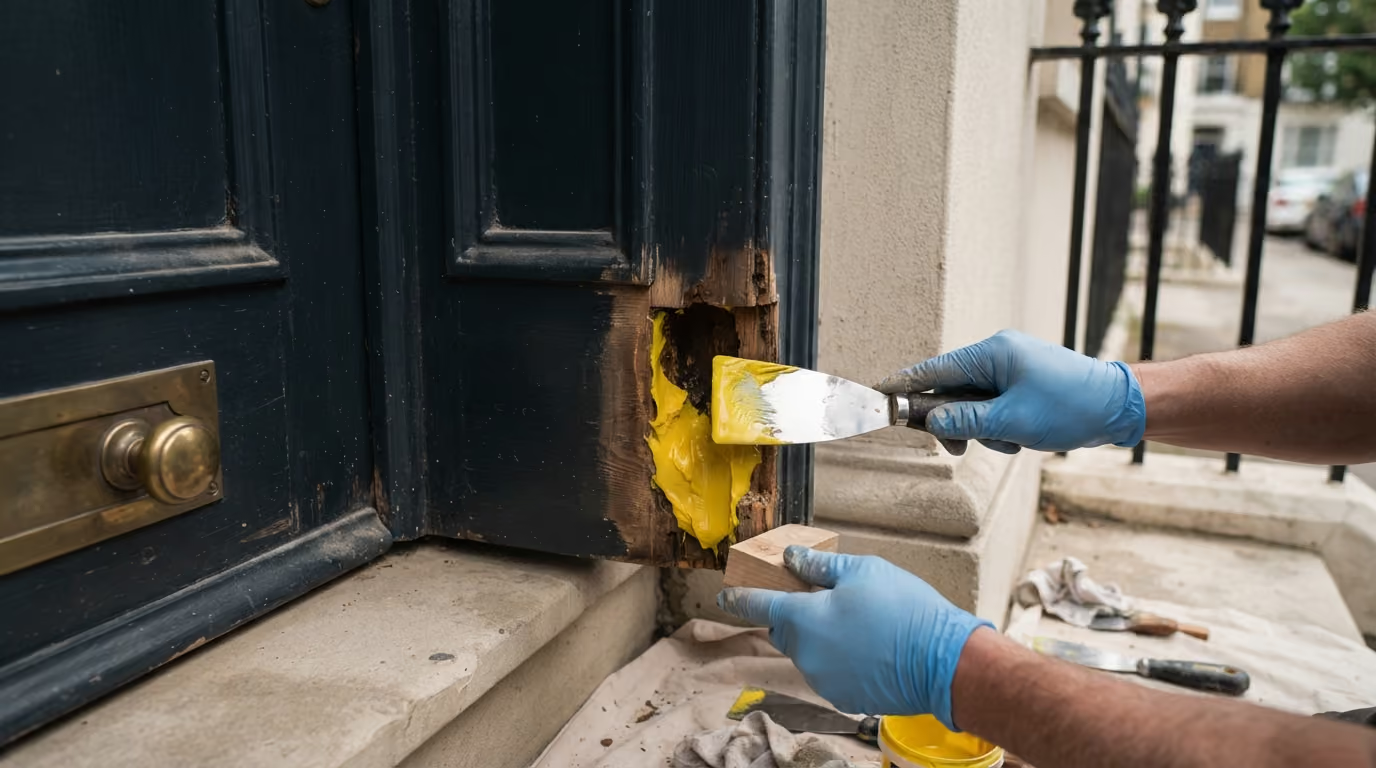
Windows, shutters, sills, front doors, and painted timber details often carry more labour than people expect. These areas have edges, joints, glazing bars, and weather stress. They are also among the first details people notice from close range.
Cost tends to rise when:
Joinery can make a modest facade into a detailed project. It is worth allowing for that early, especially if the house has original details that need careful handling.
Water is one of the biggest reasons a repaint fails early. Leaking gutters, open joints, failed sealants, and overflow marks all point to areas where moisture is stressing the facade.
These issues affect cost in two ways:
Fixing water paths can feel like “extra” work when you only wanted paint. In reality, it is often the work that protects the value of the whole repaint.
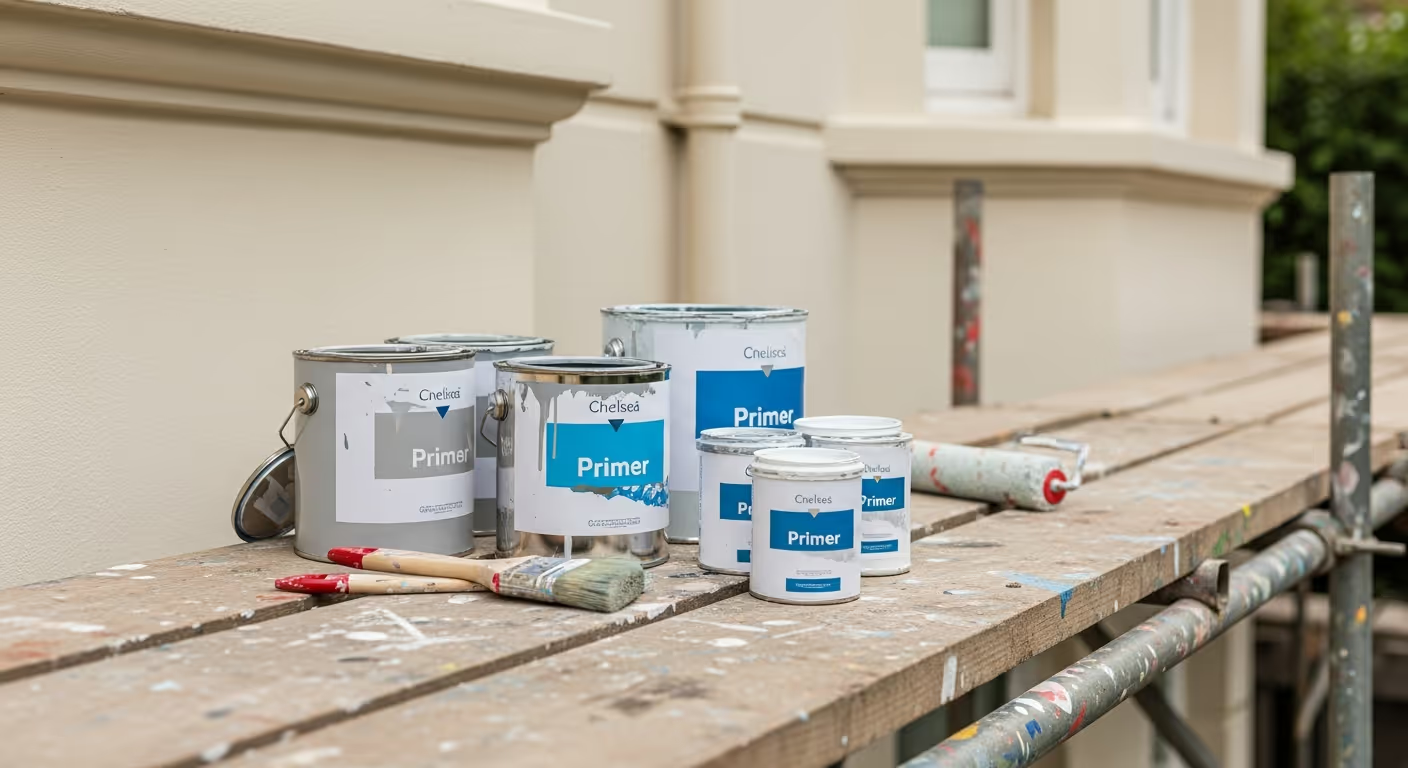
Not all exteriors need the same coating system. Chelsea period homes often need systems that suit stucco, render, masonry, and heritage conditions. That means the cheapest paint option is not always the cheapest overall route.
System choice affects cost through:
A better specified system may cost more now and save you a full repaint cycle later. That is why good quotes explain not only the product, but why it is being used.
If the property is listed or in a sensitive conservation setting, the repaint may involve more planning. Even when the visible work seems straightforward, the process can require more careful sequencing and clearer documentation.
This can affect cost through:
That does not mean the project becomes unmanageable. It means it should be planned properly from the start.
Exterior painting moves with the weather. Rain, wind, and cold snaps can pause parts of the work. That affects labour efficiency, especially on projects with tight dates.
Good scheduling helps control cost by:
If you try to force a project into an unrealistic weather window, the hidden cost often appears later in the finish quality.
You cannot control everything, but you can make better choices early.
Practical ways to keep the project efficient:
The best value often comes from reducing surprises, not from pushing the initial figure lower.
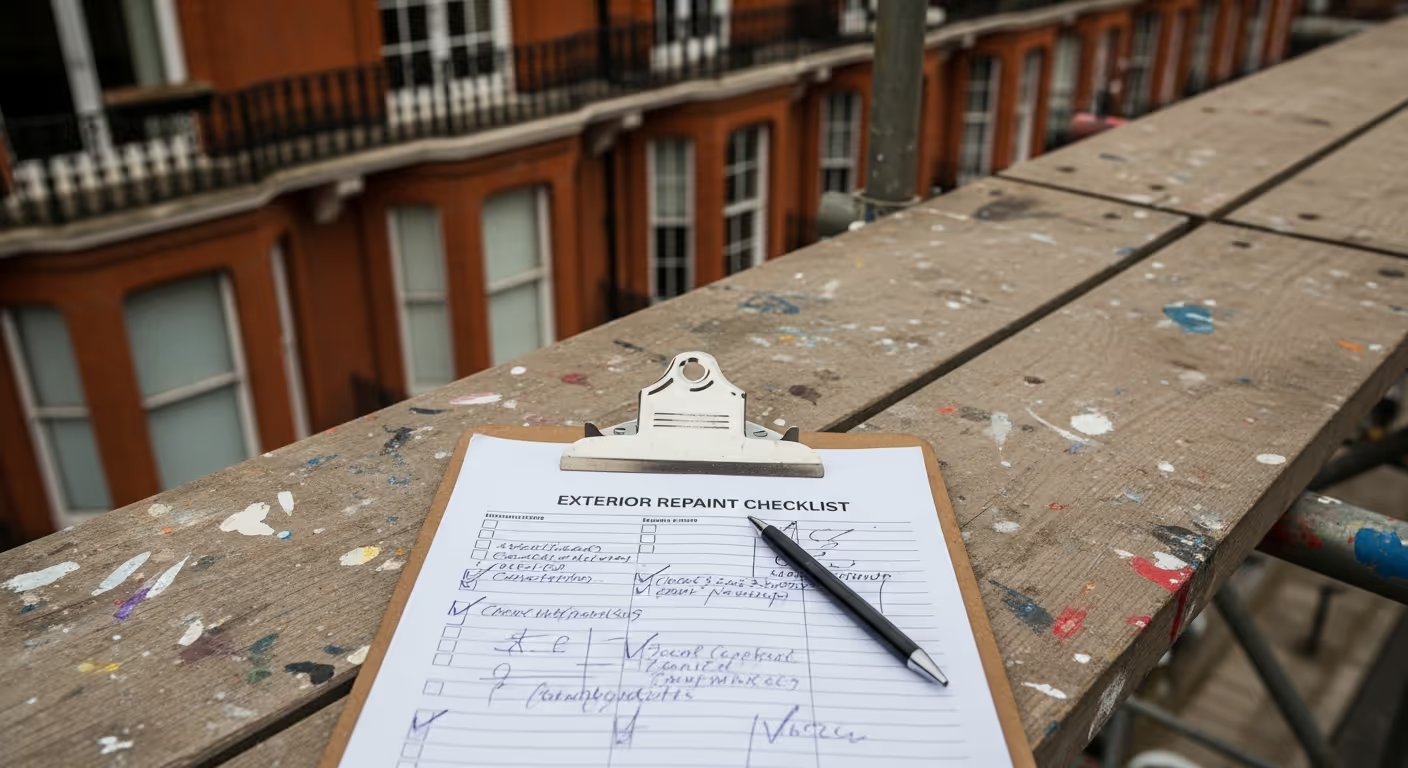
A strong quote should help you understand the project, not just give a number. It should make the main cost drivers visible so you know what you are paying for.
Look for clarity on:
When a quote is vague, the final cost often becomes vague too.
These questions do not slow the project down. They usually make it smoother.
We carry out exterior and heritage painting across Prime Central London, including Chelsea, Kensington, Belgravia, Notting Hill, Knightsbridge, and Westminster. You can see examples of our exterior finish standard on our projects page, including homes such as the West London period home and Elegant private estate.
Want a clearer view of exterior repaint cost for your Chelsea home? Send photos of the facade, including close ups of cracks, peeling, rust, and staining. We can advise the likely cost drivers, propose the right repair scope, and build a plan that protects both the finish and the building. To begin, request a site visit and we will arrange a time that suits you.
Tell us a few details about your project and our team will review the enquiry and come back to you within one working day.