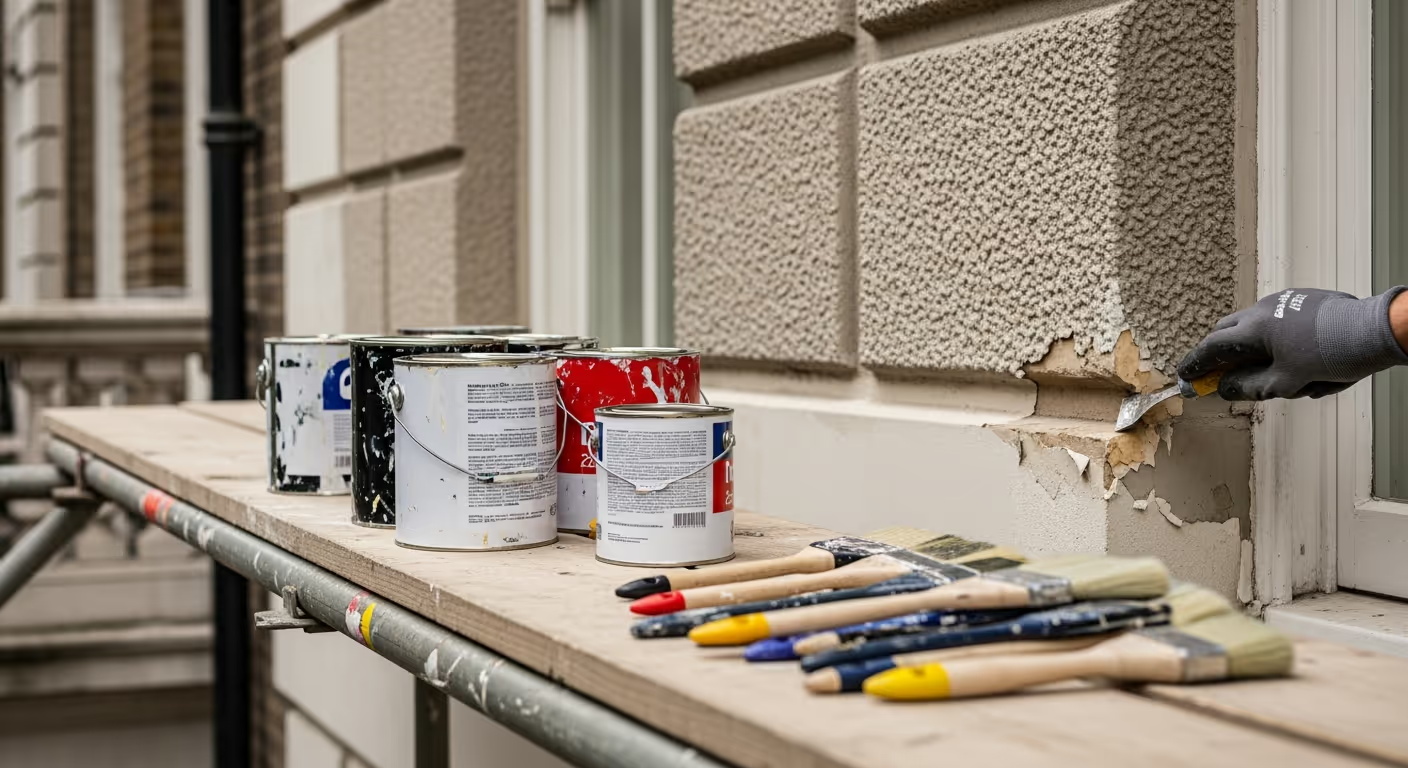
Planning exterior painting for a listed building in Westminster? This guide explains what usually needs checking before work starts, how to plan repairs and paint systems for heritage walls, and how to keep the process smooth when permissions and street access matter.
Short answer: Painting a listed building exterior in Westminster usually needs more planning than a standard repaint. Expect checks around permissions, materials, water entry points, repairs to stucco or masonry, and access on a busy street. The best results come from a survey first, a repair led scope, and a heritage suitable paint system that protects the facade without trapping moisture. If you want help from survey to finish, see our exterior and heritage painting service.
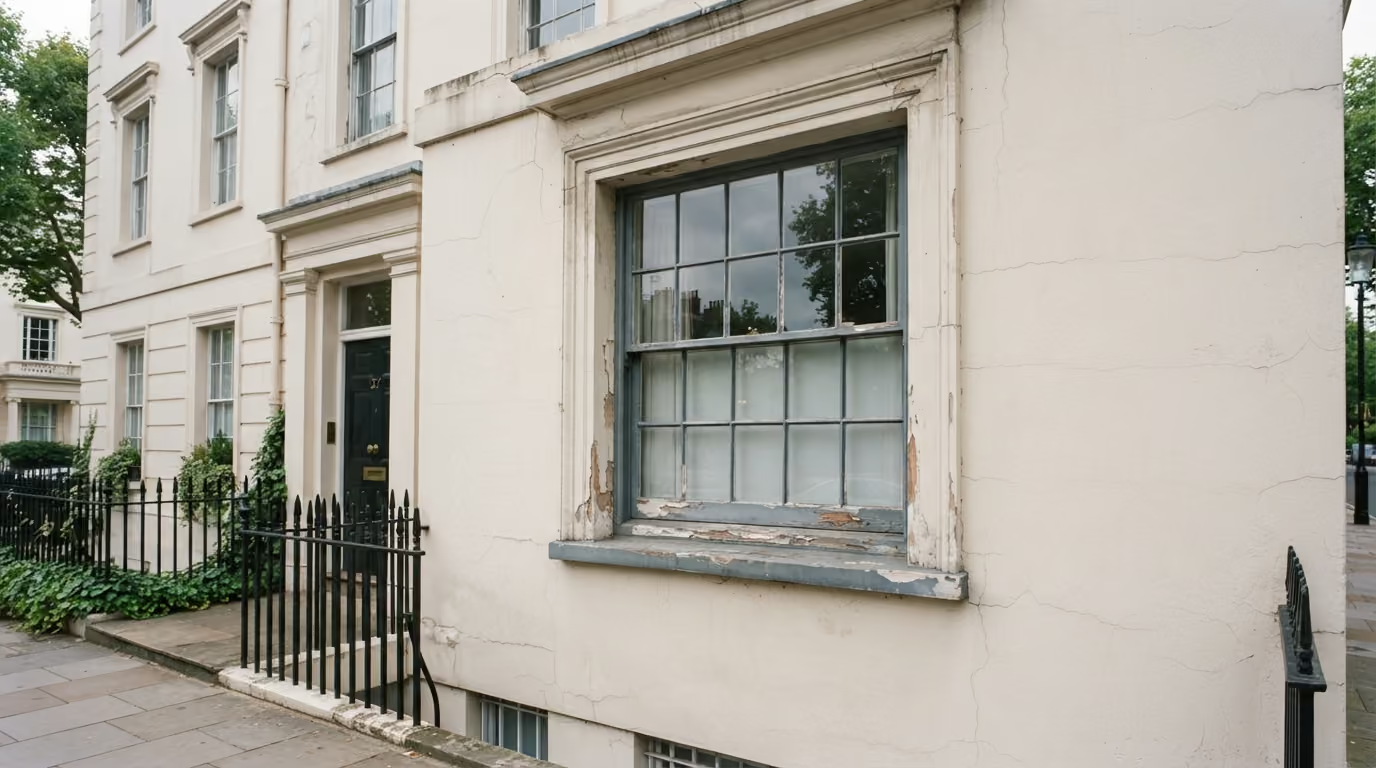
Westminster streets have some of the most recognisable period buildings in London. The facades look calm and consistent when they are well maintained. When they are not, the signs show quickly. Peeling at window reveals, hairline cracking on stucco, staining under cornices, and tired metalwork that has rust pushing through. Owners often assume the answer is simply fresh paint. With listed buildings, the reality is usually more structured.
Listed status is a good thing. It protects character and detail. It also means you need to plan carefully so repairs and coatings suit the building. A paint job that ignores breathability or uses the wrong repair materials can cause repeat failure and can harm the substrate over time. This guide explains what owners and designers should plan for when painting a Westminster listed building exterior, with a focus on practical steps that keep the process smooth and the result refined.
Listed facades often have older materials and more detail. They also tend to have long histories of past repairs and repainting. In many cases, there are multiple layers of coatings, old filler patches, and areas where water has been getting in for years. A simple overcoat rarely fixes these issues.
Three reasons the approach changes:
The goal is not only a clean finish. The goal is a clean finish that respects the building and lasts.
Listed buildings can have rules about what changes are allowed. External painting and repairs can sometimes need consent, depending on the scope and the building. The safest plan is to assume you will need to check before work begins.
Early steps that keep projects moving:
This guide is not legal advice. The exact requirements can vary. The key point is timing. If you start planning approvals after you book a scaffold date, you risk delays and extra cost.
Owners often begin by choosing a colour. On a listed exterior, the smarter order is the reverse. Survey first, then repairs, then system, then colour. A survey helps you understand what the facade needs and where the risks are.
A practical survey usually looks at:
When you have this information, the repaint becomes predictable. Without it, you are guessing, and guessing is where listed building work becomes stressful.

Water is the main cause of exterior paint failure in London. It enters through small cracks, failed joints, and defective drainage. It then pushes coatings off from behind. If you repaint without fixing water paths, the same failure can repeat.
Check these common water entry points:
If you fix the paint but not the water source, you are painting over a live problem.
Many Westminster listed facades use stucco or render. These surfaces often show hairline cracking and areas of past patching. Not every crack is serious, but cracks at corners and around details can let water in.
Things to inspect:
On heritage surfaces, repair materials should be compatible with the existing substrate. Using the wrong repair product can create hard spots, new cracking, or moisture issues over time. Good repairs are shaped and blended so the facade stays calm in side light and details remain crisp.
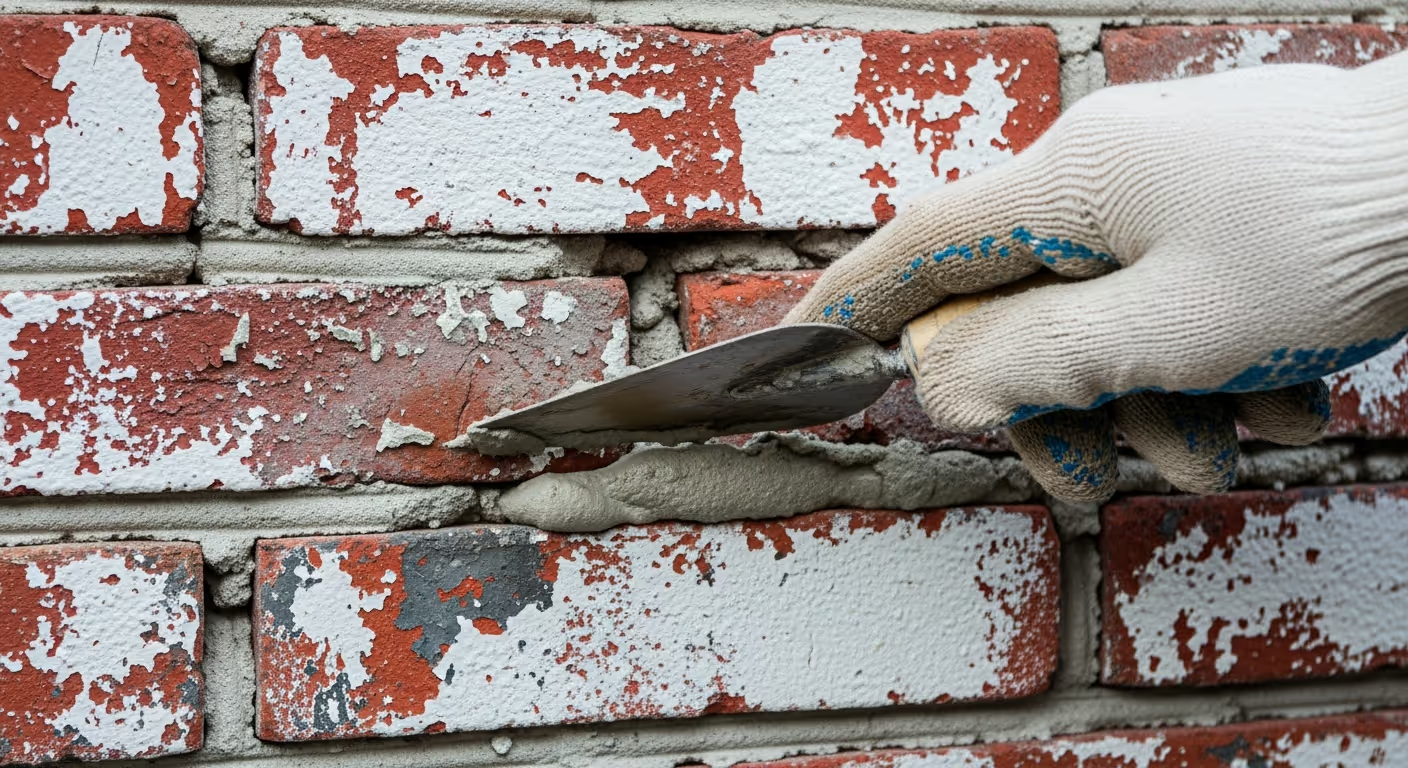
Even if the main elevation is stucco, many listed buildings include brickwork at side elevations, mews walls, or lower levels. Painted brick can look refined, but it needs careful planning because brick is porous and often holds moisture.
Check brickwork for:
If pointing is failing, repainting over it rarely lasts. Repair the joints first, then the paint system has a stable base.
Westminster facades often feature ironwork that defines the building, railings, gates, balcony rails, and small decorative pieces. Rust expands under paint. When it expands, it breaks the paint film and repeats quickly if not treated properly.
Common rust traps:
A lasting result comes from rust removal, correct primers, and proper top coats, not from painting over rust. The aim is a crisp, even finish that stays clean through seasons.
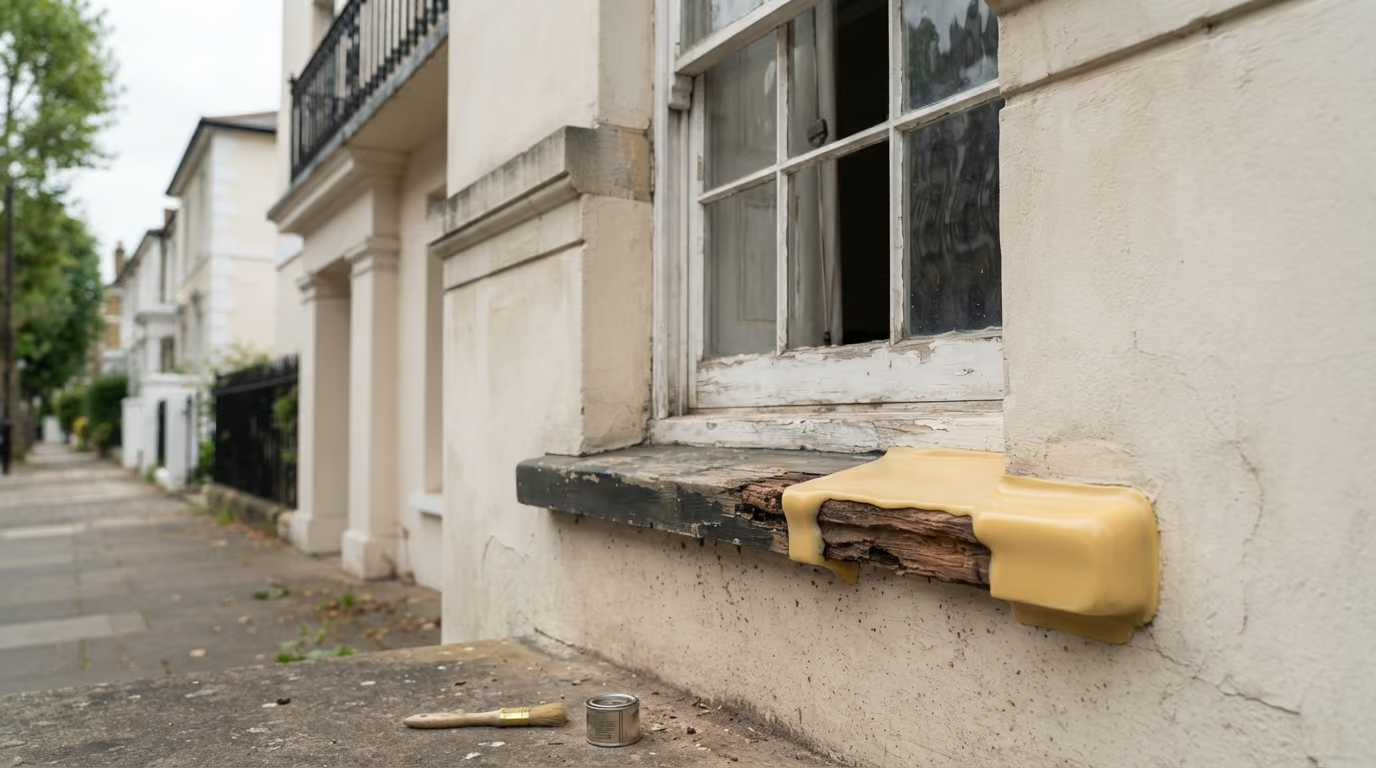
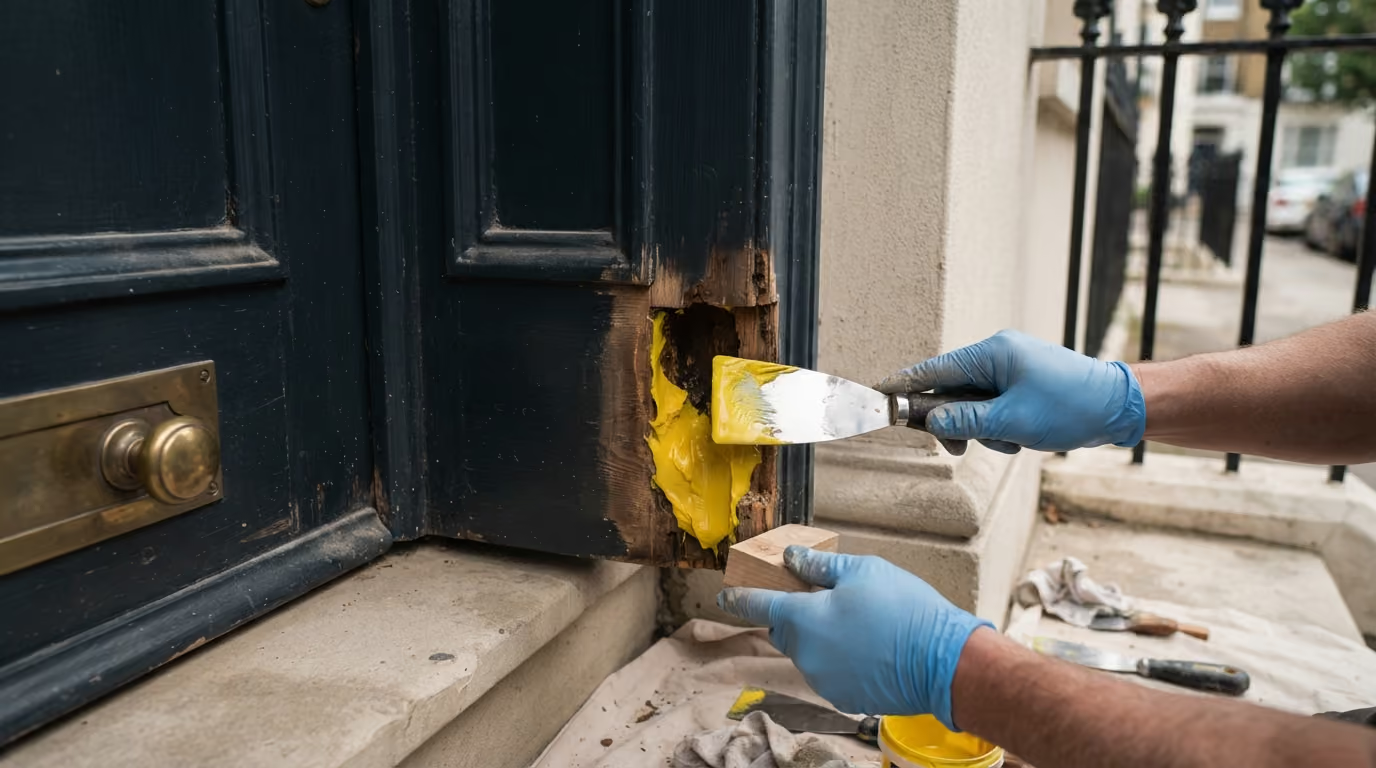
Timber windows and doors often fail first. They move with humidity, they take direct rain, and they include joints that open over time. A listed building also often has original joinery profiles that should be preserved.
Checks that matter before repainting:
Good joinery work keeps edges sharp. It avoids rounding profiles with thick filler and thick coats. This is one reason heritage work benefits from experienced hands.
On many heritage substrates, breathability matters. If moisture is trapped behind a dense coating, blisters can form and the substrate can suffer. A suitable system is chosen based on what the wall is and how it behaves, not only on how glossy the finish looks.
System choice often depends on:
A heritage aware plan aims for a finish that looks refined without suffocating the building.
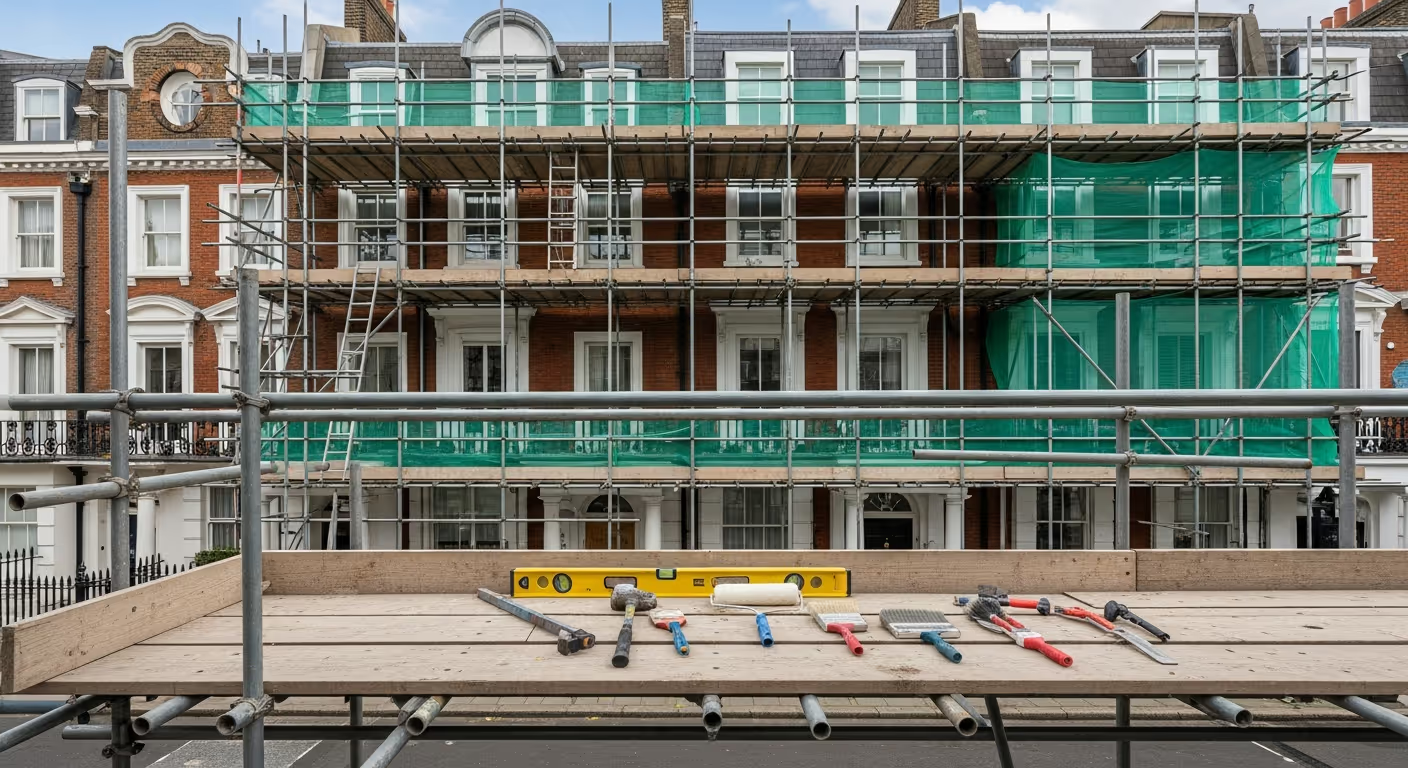
Westminster is busy. Access planning can be as important as the paint itself. Scaffolding, parking suspensions, and neighbour coordination can affect timing and cost.
Practical planning steps:
Good organisation keeps the project calm and reduces friction with neighbours and street activity.
Once repairs and system are clear, colour selection becomes safer. Westminster exteriors often suit classic families, off whites, stone tones, and restrained darker accents for metalwork. The best colour choices also consider the street context and how light hits the facade.
Ways to make colour choice easier:
If you are also updating interiors, it can help to link undertones between exterior and entrance hall. Interior work is covered through our interior painting and decorating service.
Most problems come from rushing early decisions. A survey and a repair led plan prevents the majority of them.
These questions help you compare contractors in a way that reflects quality rather than only speed.
Clear answers usually signal a clear plan.
We carry out exterior and heritage painting across Prime Central London, including Westminster, Chelsea, Kensington, Belgravia, Notting Hill, and Knightsbridge. You can see examples of our finish standard on our projects page, including period properties such as the West London period home and Georgian London interior.
Planning exterior painting for a Westminster listed building? Send photos of the facade, plus close ups of cracks, peeling, staining, and any rust on metalwork. We can advise the repair scope, help you plan the right system, and deliver a calm finish that respects the building. To begin, request a site visit and we will arrange a time that suits you.
Tell us a few details about your project and our team will review the enquiry and come back to you within one working day.