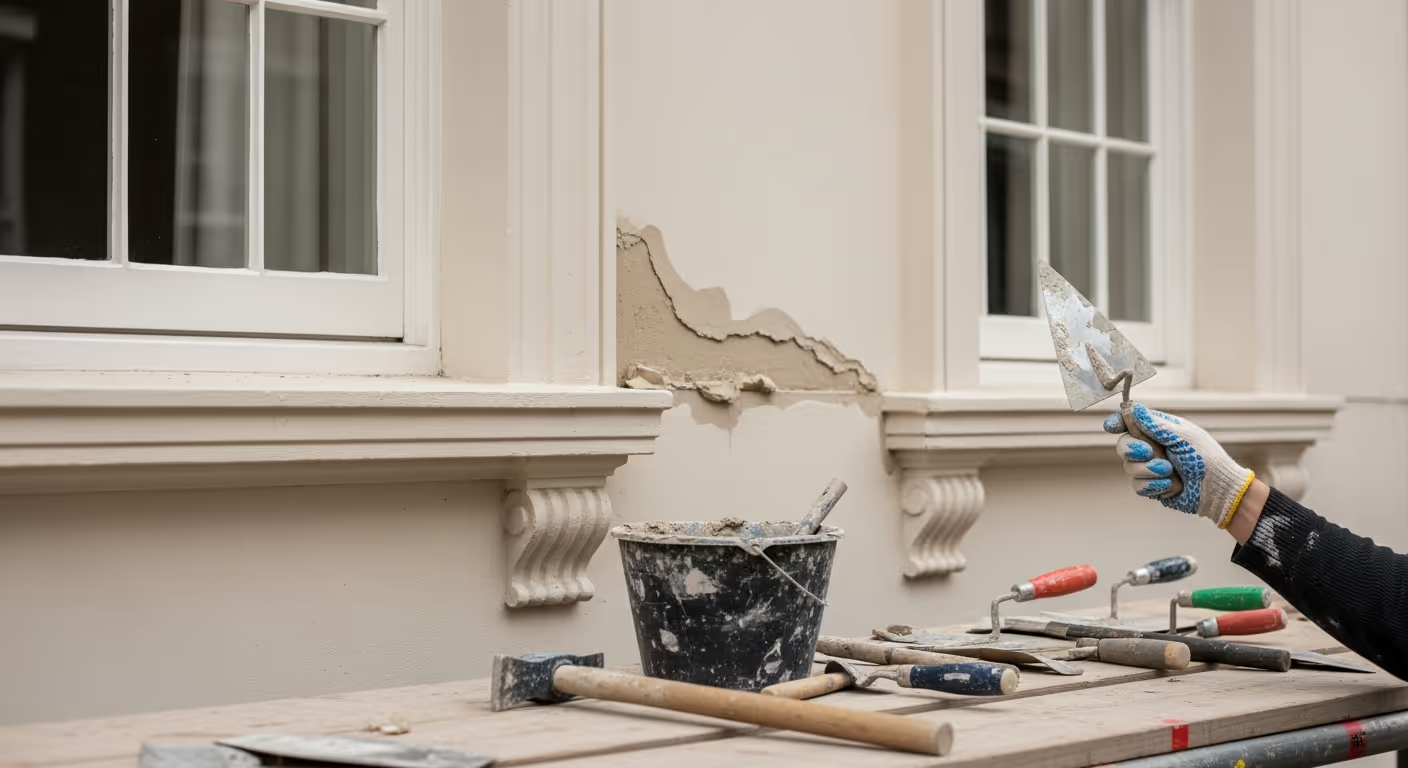
Planning an exterior repaint on a Chelsea period home? This guide explains the heritage repairs that should happen before any top coat goes on, from cracks and failed render to rust, pointing, and water entry points, so the finish lasts longer and looks calm from the street.
Short answer: Before repainting a Chelsea period exterior, fix the causes of failure first. That means dealing with water entry points, repairing cracks properly, replacing failed render or filler, treating rust on metalwork, checking joinery edges, and addressing pointing where brickwork is involved. Paint is the final protective layer, not the repair itself. If you want a survey and a clear plan, see our exterior and heritage painting service.
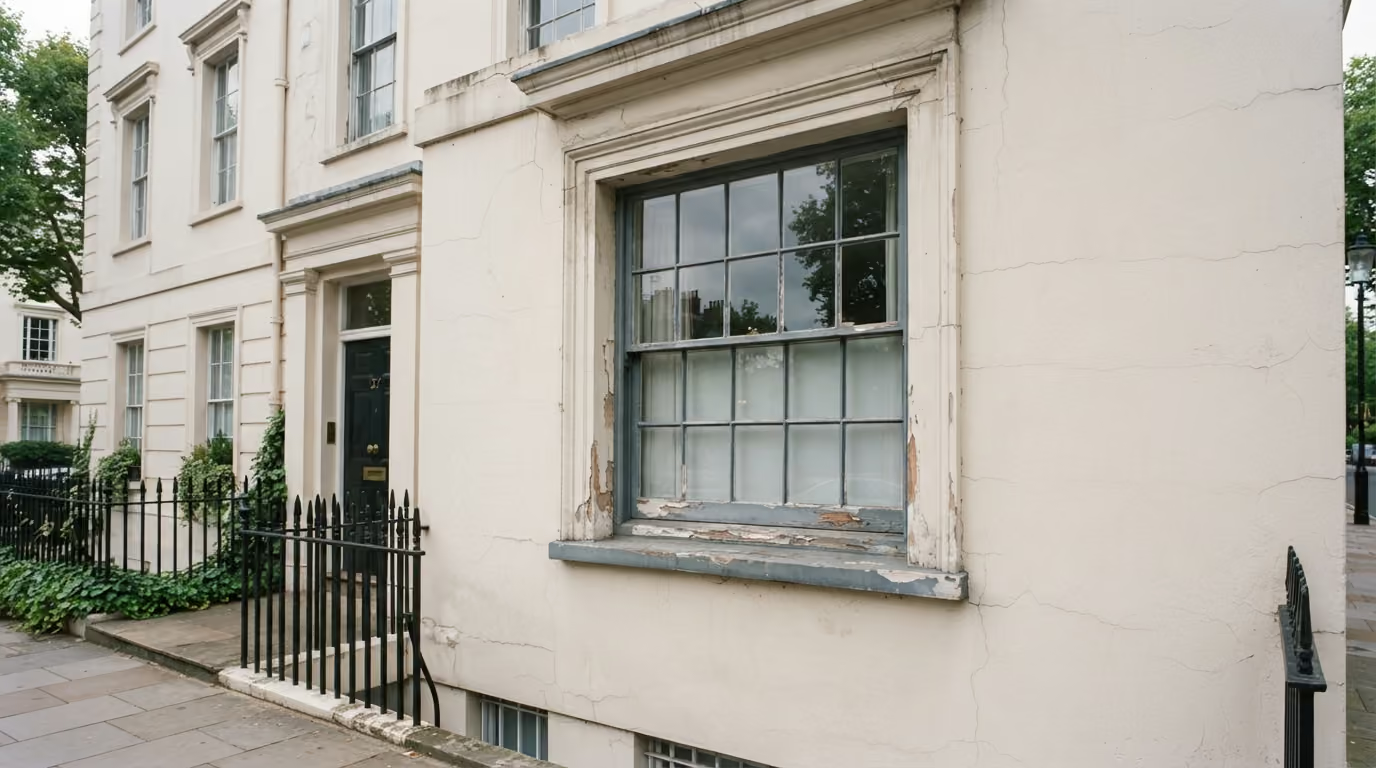
Chelsea streets are full of beautiful period facades. Many look calm and well cared for from the pavement, yet others show familiar signs of stress, peeling around windows, hairline cracks in stucco, rusting railings, and patches where past repairs have failed. In most cases, those issues are not “just paint.” They are small building problems that need attention before you lock them under fresh coats.
This is why heritage exterior work starts with repairs. If you repaint without fixing the weak points, the new finish often fails in the same places, sometimes within a season. This guide explains the key exterior repairs to consider before repainting a Chelsea period home, and how to plan the work so the final result looks refined and lasts longer in London weather.
Owners often focus on choosing a classic off white or a soft stone tone. Colour matters, but it is not the main reason a repaint lasts. A repaint lasts when the substrate is stable and when water is controlled.
Most early paint failures come from:
Fix these first and the paint becomes a strong protective finish. Ignore them and paint becomes a short term cover.
If you fix only one thing before repainting, fix water paths. Water marks and damp spots are not just cosmetic. They are clues to where the facade is being stressed.
Checklist for water sources:
If the water path is not fixed, a new paint system can still blister or peel, even if the application was perfect.
Hairline cracks are common on period stucco. Some are simple surface movement. Some allow water in. The location often tells the story.
Proper repair is not only filling. It is opening where needed, stabilising the area, then blending so the repair disappears in side light. Painting over cracks often leads to “ghost lines” that show again quickly.
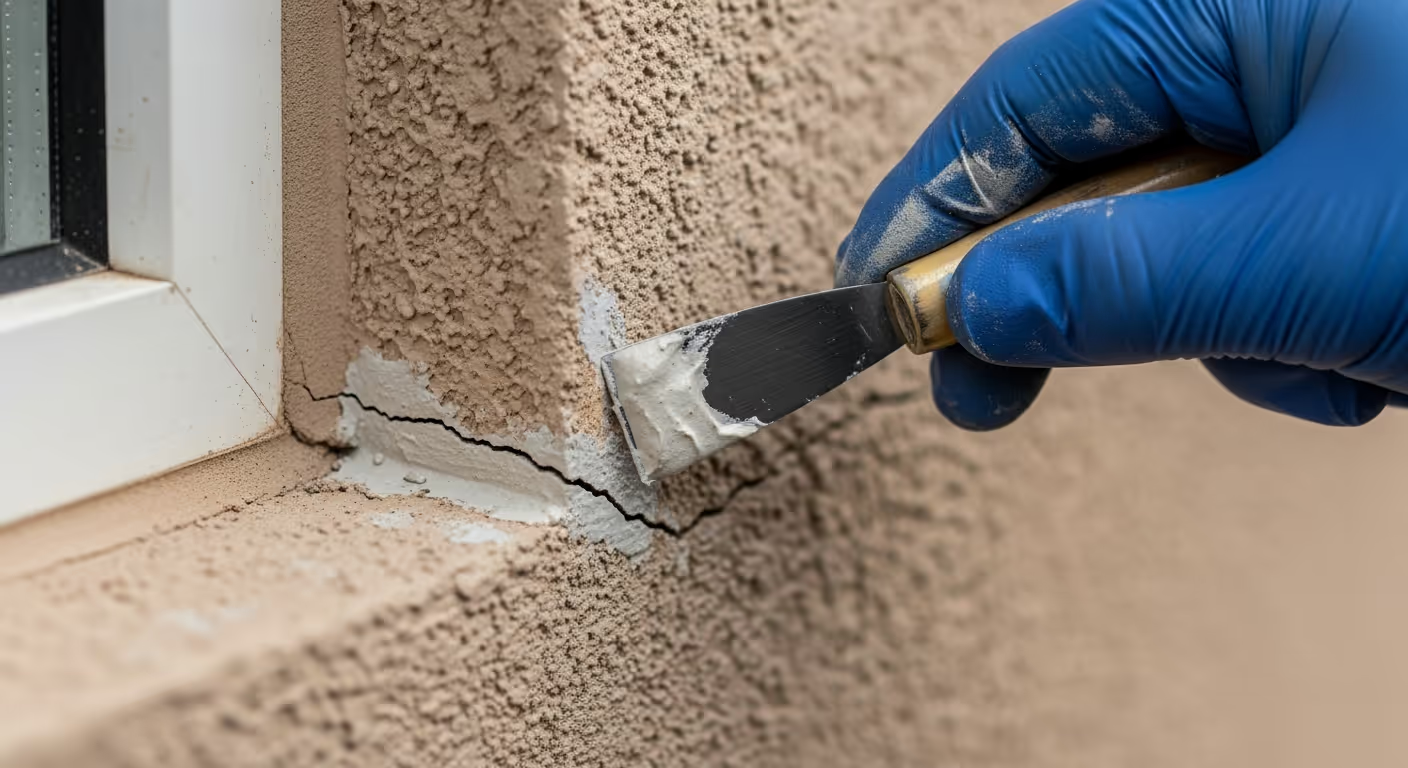
On Chelsea exteriors, you may see patches where past repairs were done in a different material or finished differently. These patches can telegraph through the paint, especially once fresh coats catch the light.
Signs a patch repair may need rework:
A calm facade often needs patch repairs to be feathered and reprofiled, not just covered. This is where heritage experience matters, since period details have shapes that should be preserved, not rounded off with filler.
Some Chelsea homes have brick side returns, mews walls, or basement brickwork that is painted or partly painted. Even if the main elevation is stucco, brickwork can still affect the repaint because pointing and moisture paths matter.
Check brick areas for:
If pointing is failing, repainting over it rarely lasts. Water enters through joints, then breaks the coating. Fix the joints, then the paint system has a stable base.
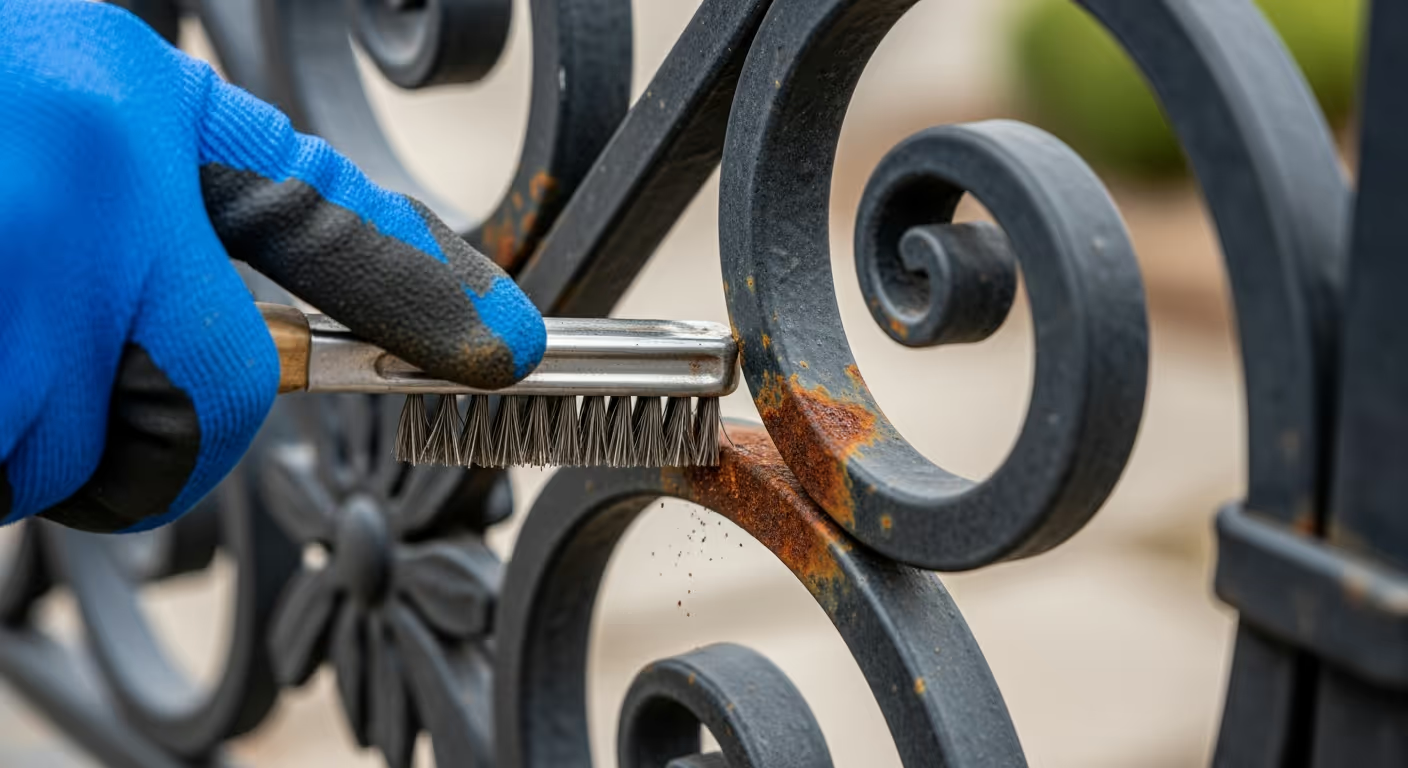
Iron railings and balconies are iconic in Prime Central London, and they are also one of the most common sources of repeat failure. Rust expands. When it expands under paint, it pushes the coating off.
Rust traps to look for:
Good preparation here is not only sanding. It is rust removal, correct primers, and careful top coats. Painting over rust is a short term cover, not a fix.
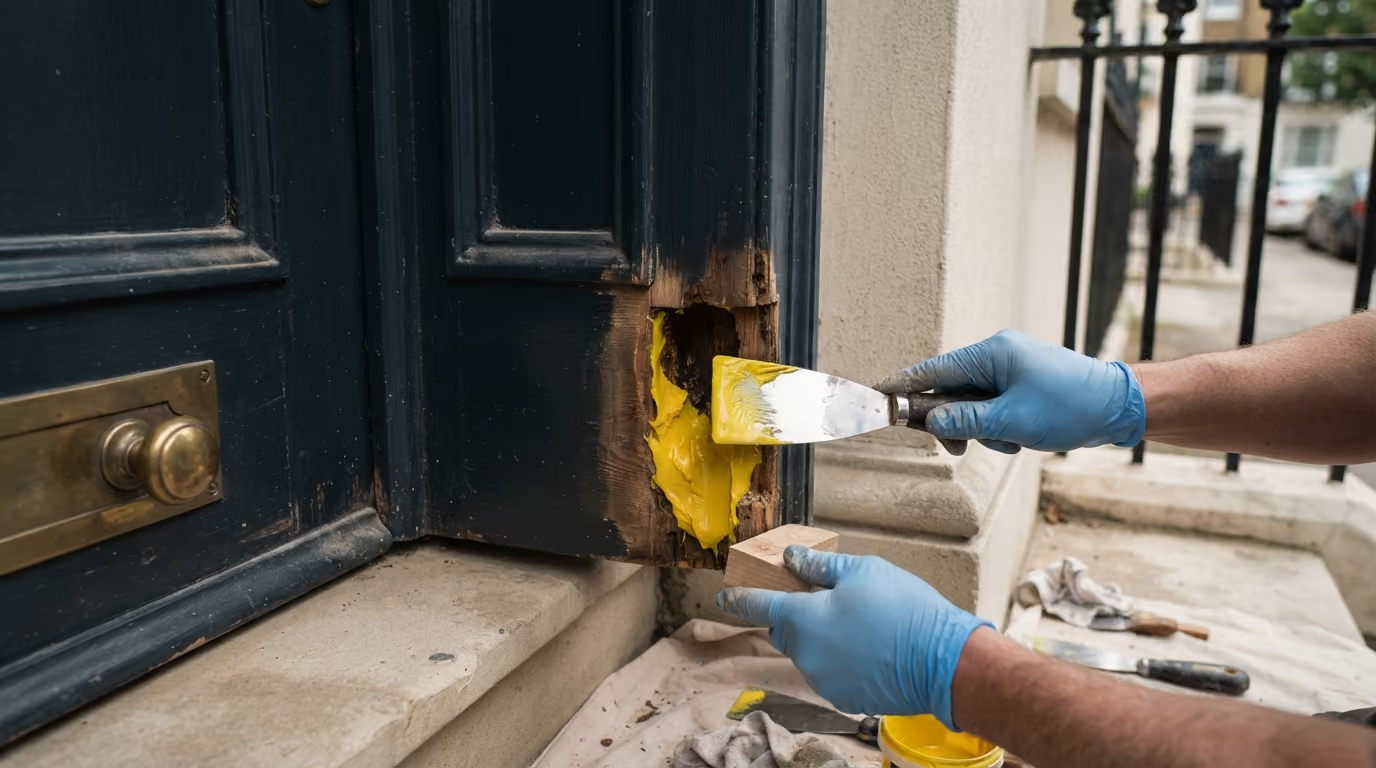
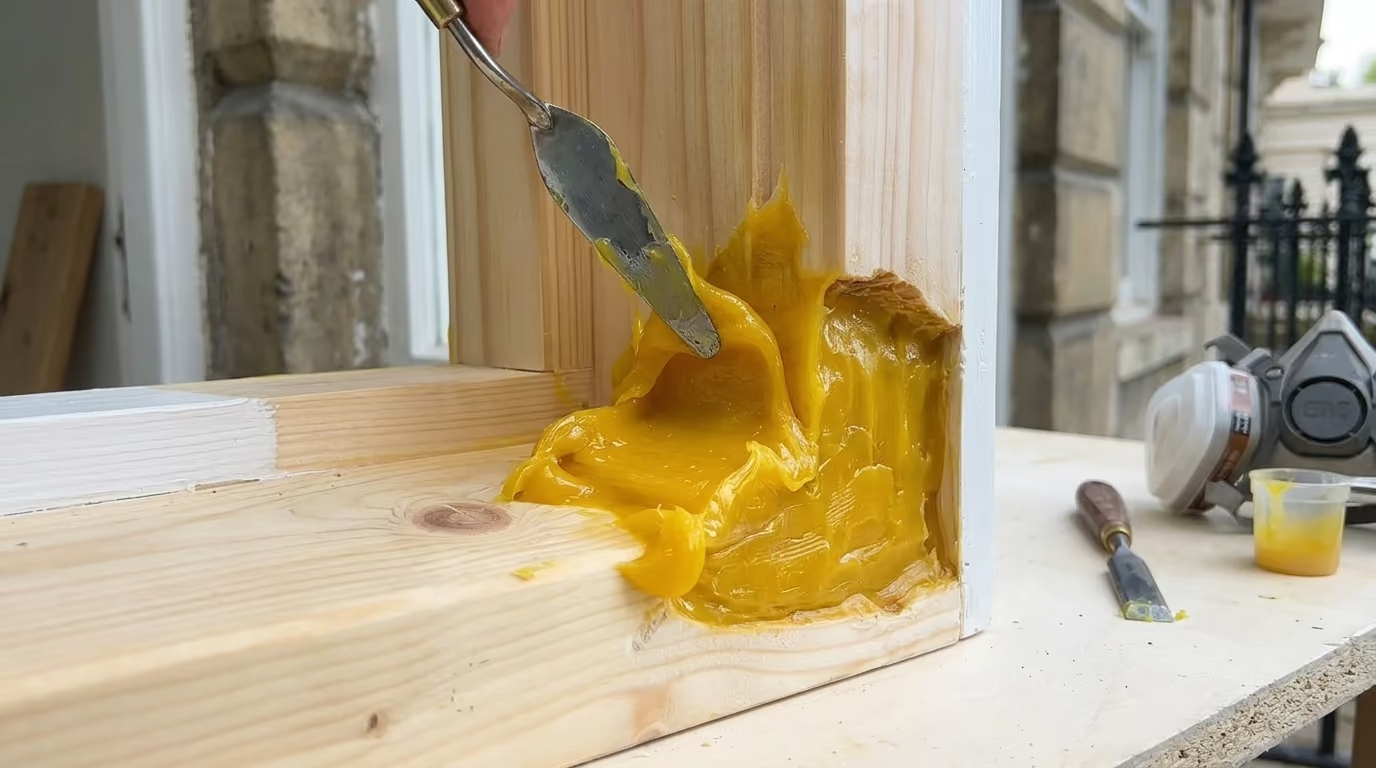
Windows and doors sit on the weather line. They move, they swell, and they are full of joints where paint can fail. If you repaint without addressing those joints, you may see peeling at glazing bars and lower rails again soon.
What to check:
In many cases, correct repair and priming in these areas does more for the repaint lifespan than adding an extra top coat.
Some facades look fine, yet still have a layer of traffic film and algae in shaded spots. If this is not cleaned properly, paint bond can suffer, and the new finish can look dull faster.
Before repainting, aim for a surface that is:
Cleaning is not glamorous, but it is one of the steps that separates a repaint that lasts from one that starts peeling at edges.
Many period walls need breathability. When moisture cannot escape, it can build up behind coatings and cause blistering. This is why system choice matters for stucco and older masonry.
A heritage aware approach considers:
Once these are clear, the paint system can be chosen to protect the wall while respecting how the building behaves.
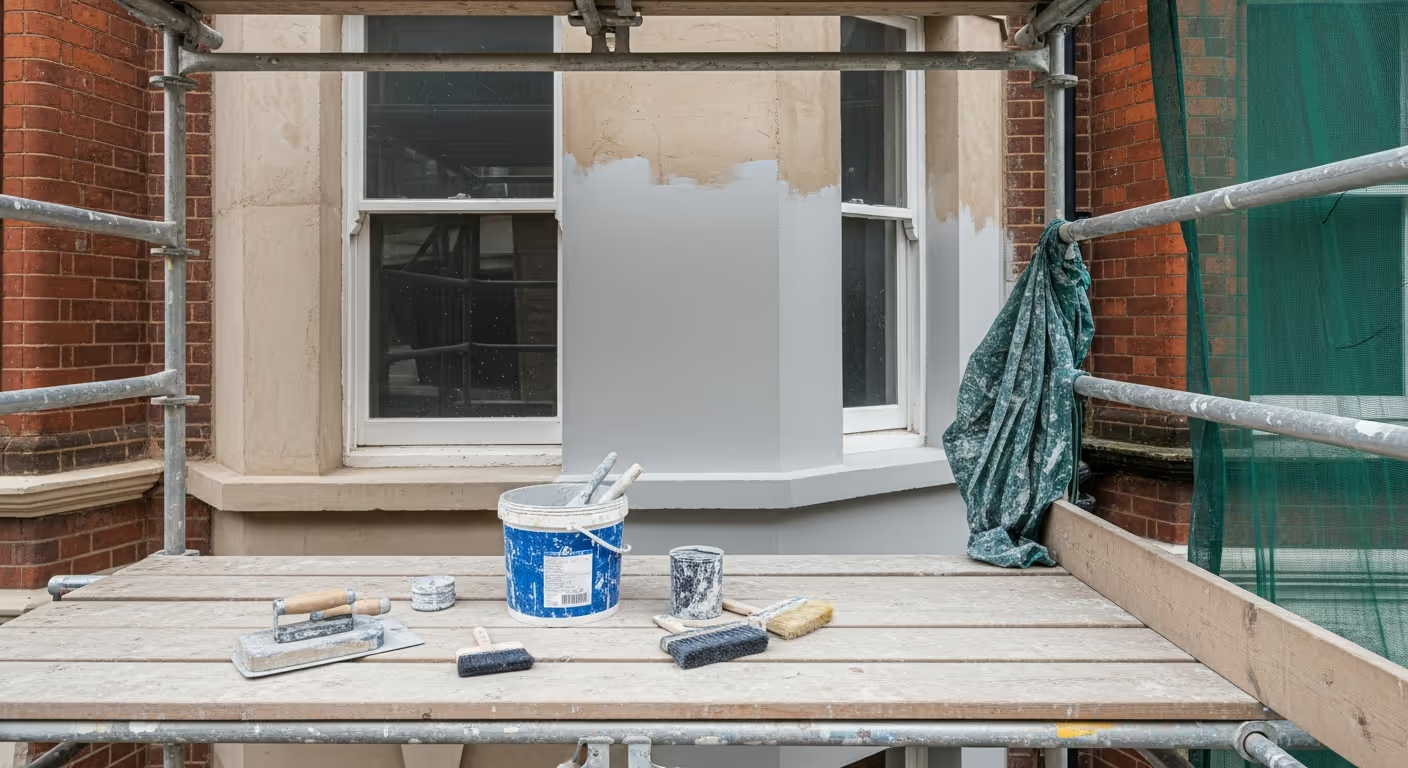
Exterior work in Chelsea often needs coordination. Access, scaffold placement, neighbours, and street activity can all affect the schedule.
A calm plan usually includes:
Rushing is the enemy of heritage work. The facade should look calm and even, not thick with paint build hiding rushed repairs.
If you are comparing quotes or talking to decorators, these questions help you spot who is planning properly.
Clear answers are usually a good sign. Vague answers often lead to vague prep.
We carry out exterior and heritage painting across Prime Central London, including Chelsea, Kensington, Belgravia, Notting Hill, Knightsbridge, and Westminster. You can see examples of our finish level on our projects page, including the West London period home and Super prime residence.
Want a repair first plan for your Chelsea exterior? Send a few photos of the facade, plus any close ups of cracks, peeling, rust, or staining. We can propose the right repairs, then repaint with a system that suits a period property and stands up to London weather. To begin, request a site visit and we will arrange a time that works for you.
Tell us a few details about your project and our team will review the enquiry and come back to you within one working day.