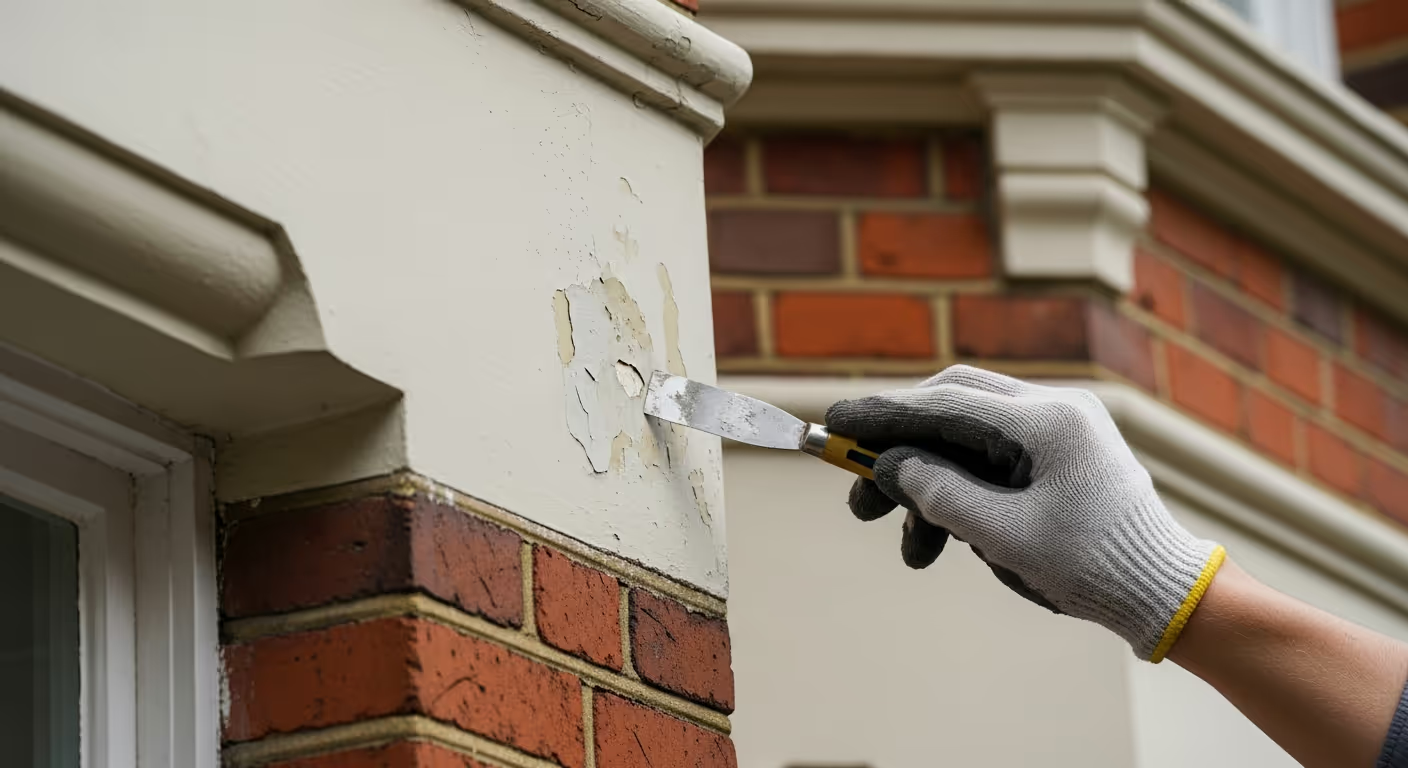
Planning an exterior repaint in Kensington? This checklist explains what to inspect on stucco and brick, how to spot early failure, and what good prep looks like so your finish lasts longer in London weather.
Short answer: A long lasting exterior repaint in Kensington starts with inspection and prep, not with colour. Check for hairline cracks, peeling edges, damp signs, rust around metalwork, and failed past filler. Then plan repairs, cleaning, and a breathable paint system that suits stucco or brick. If you want a survey and a clear plan, see our exterior and heritage painting service.
When an exterior repaint fails early, it is rarely because the colour was wrong. It is usually because water got behind the coating, old layers were not stable, or prep was rushed to meet a deadline. In Kensington, exteriors take a lot of weather. Rain, wind, traffic dust, winter freeze and thaw, and strong sun on clear days. Stucco and brick react differently to that stress, and period details add more places for small failures to start.
This checklist is written for homeowners and designers planning work on Kensington period homes. It is not a legal survey and it is not a substitute for a site inspection. It is a practical guide that helps you spot common problems early, ask the right questions, and plan an exterior repaint that looks calm from the pavement and stays that way.
Kensington homes often mix materials. A front elevation might be stucco with stone details, plus iron railings and timber windows. A side return might be brick. Each needs a suitable approach.
If you are not sure what your facade is made of, take clear photos of the surface texture and details, and get a survey. This step decides the paint system, not just the schedule.
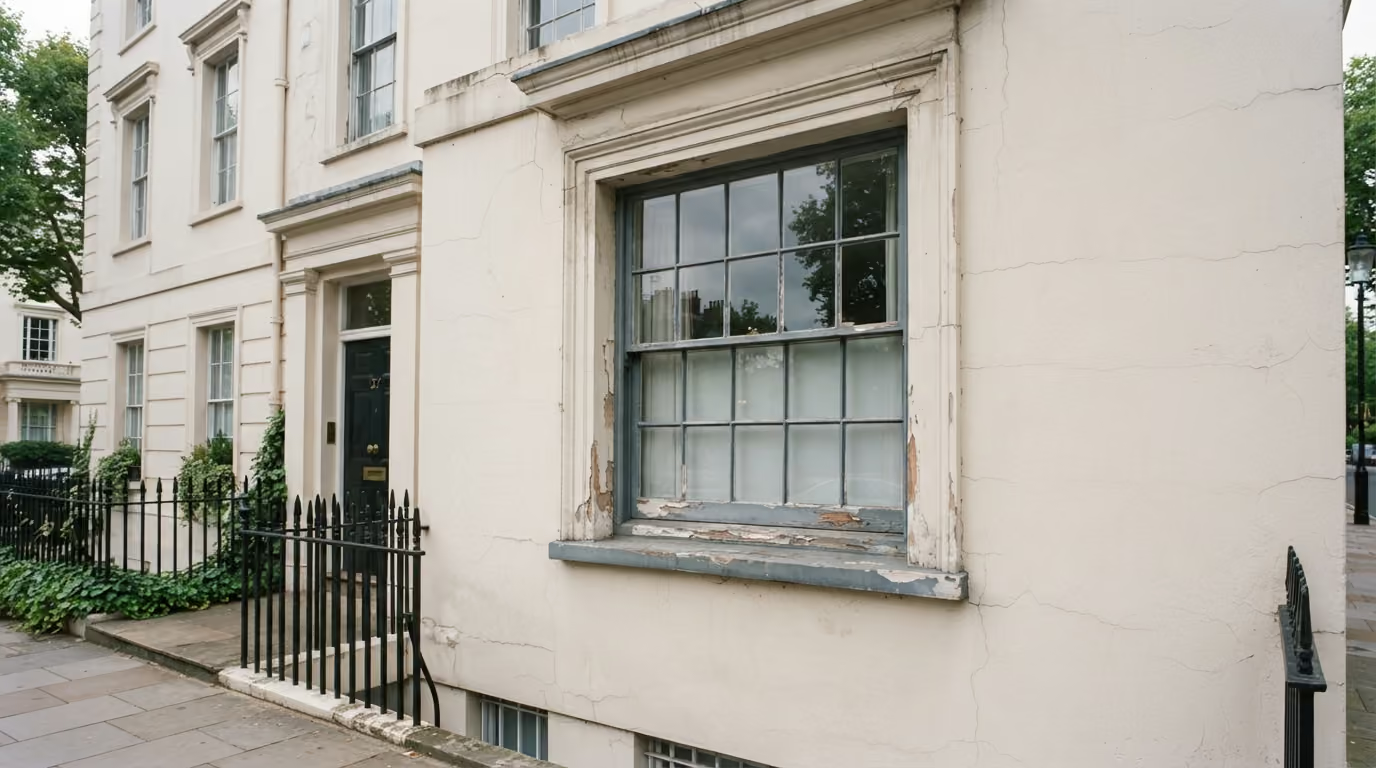
Most repaint issues show small warning signs first. Walk the facade slowly and look for these.
These signs do not always mean the whole elevation is failing. They do mean you should not just paint over them. If you do, the new finish can fail in the same spots, often within one season.
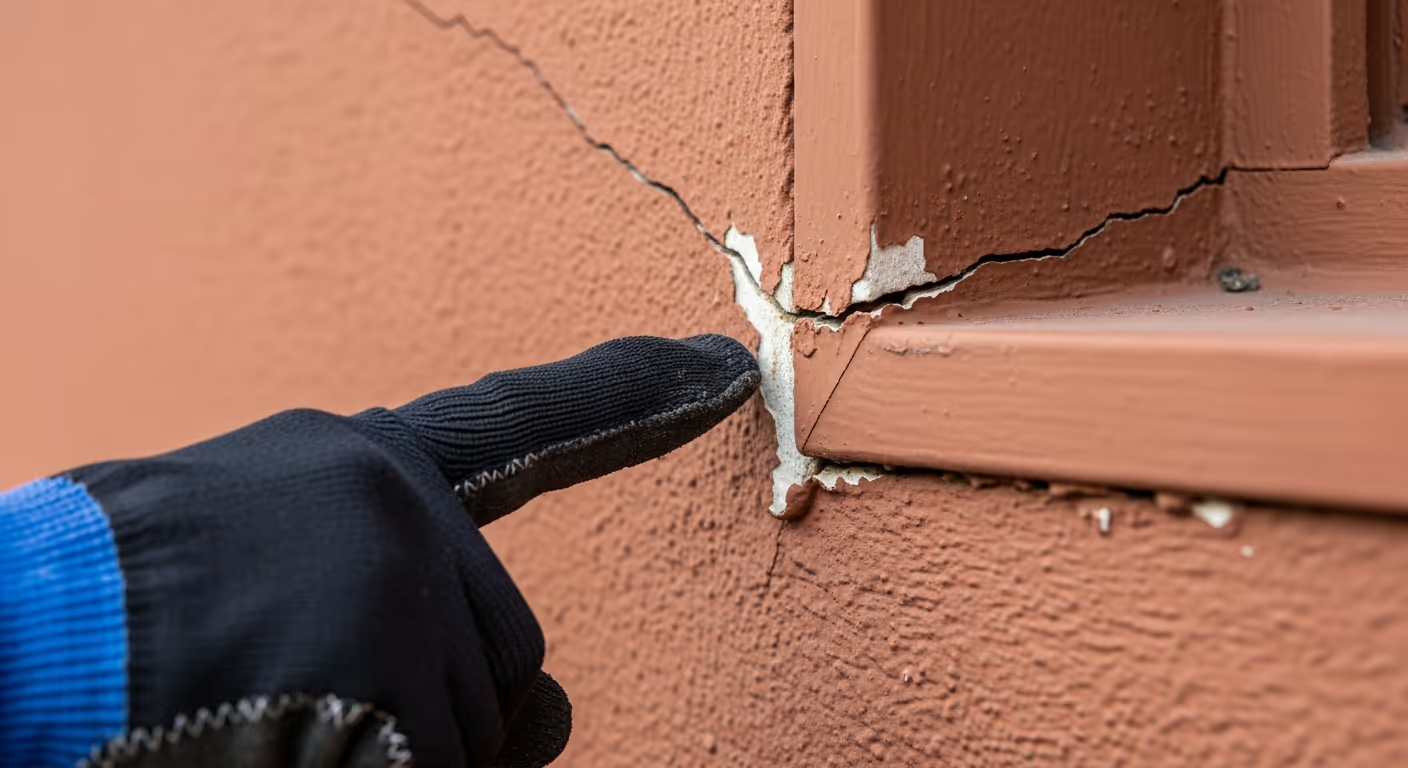
Water is the main enemy of exterior paint. Before choosing any system, check where water might be getting in or sitting.
If a gutter is leaking, repainting the wall below it will not last. Fix the water source first, then repair and repaint. This is one reason exterior and heritage work should begin with a survey, not a colour chat.
Prep is not one step. It is a set of steps that make the surface stable, clean, and ready to accept a new system. Period facades often need more than modern ones because of old repairs and many layers of paint.
Typical prep stages can include:
A proper repaint should not look thick and lumpy. It should look calm. That calm look comes from flattening and blending, not from adding more layers on top of old ones.
Stucco can look beautiful when it is cared for, yet it is prone to fine cracking. Some cracks are cosmetic. Some allow water to enter. The right approach depends on the crack type and the location.
Practical guidance:
Breathability matters for many period walls. When a wall needs to release moisture, a dense film can trap it and create blisters. A suitable heritage approach aims to protect the surface while letting the building behave naturally. This is part of what we cover on our exterior and heritage painting page.
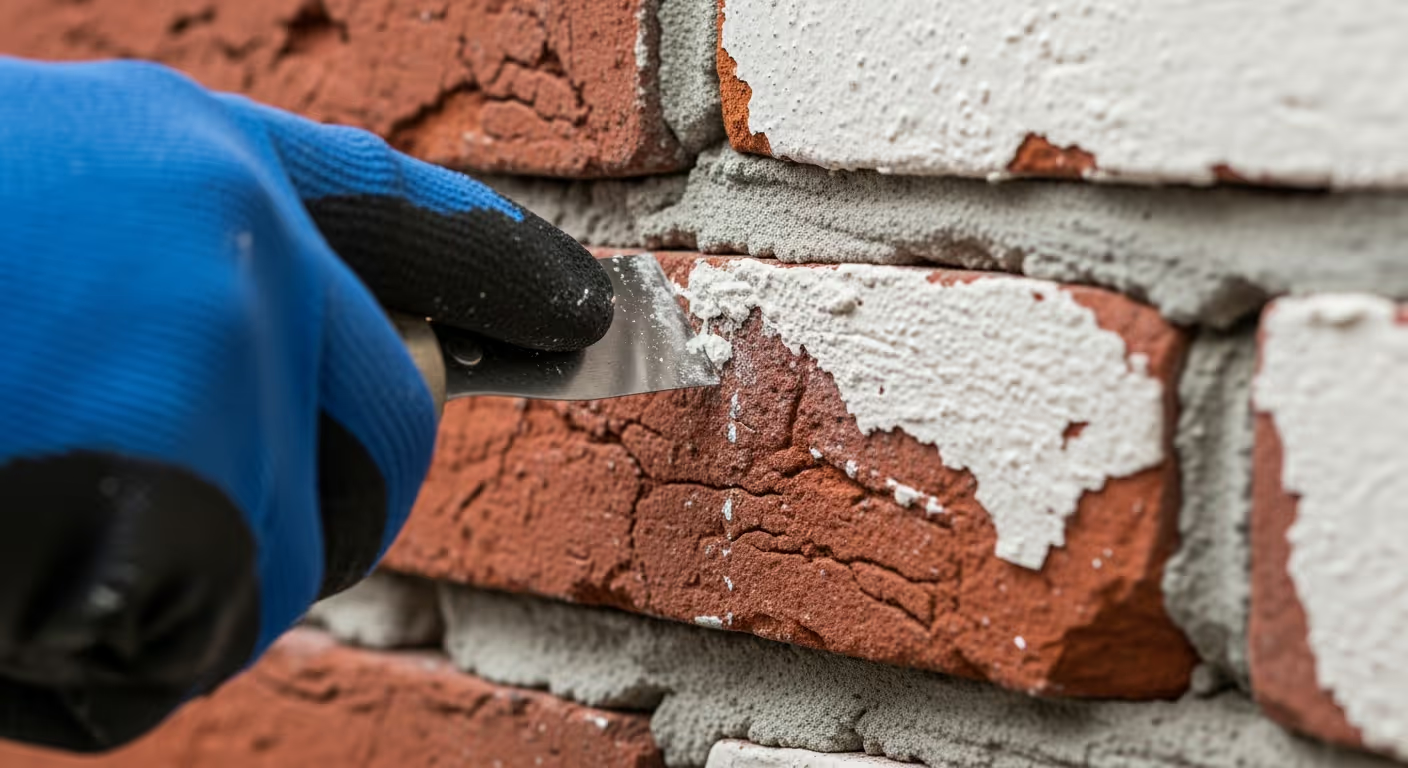
Some Kensington properties have brick facades or side returns that have been painted in the past. Painted brick can look smart, yet it needs careful handling because brick is porous and holds moisture.
Checks for painted brick:
If brick is unpainted and you are considering painting it, it is worth discussing the long term impact. Paint can change how the wall handles moisture. A survey helps you decide if painting is a good idea for that elevation, or if a different finish makes more sense.
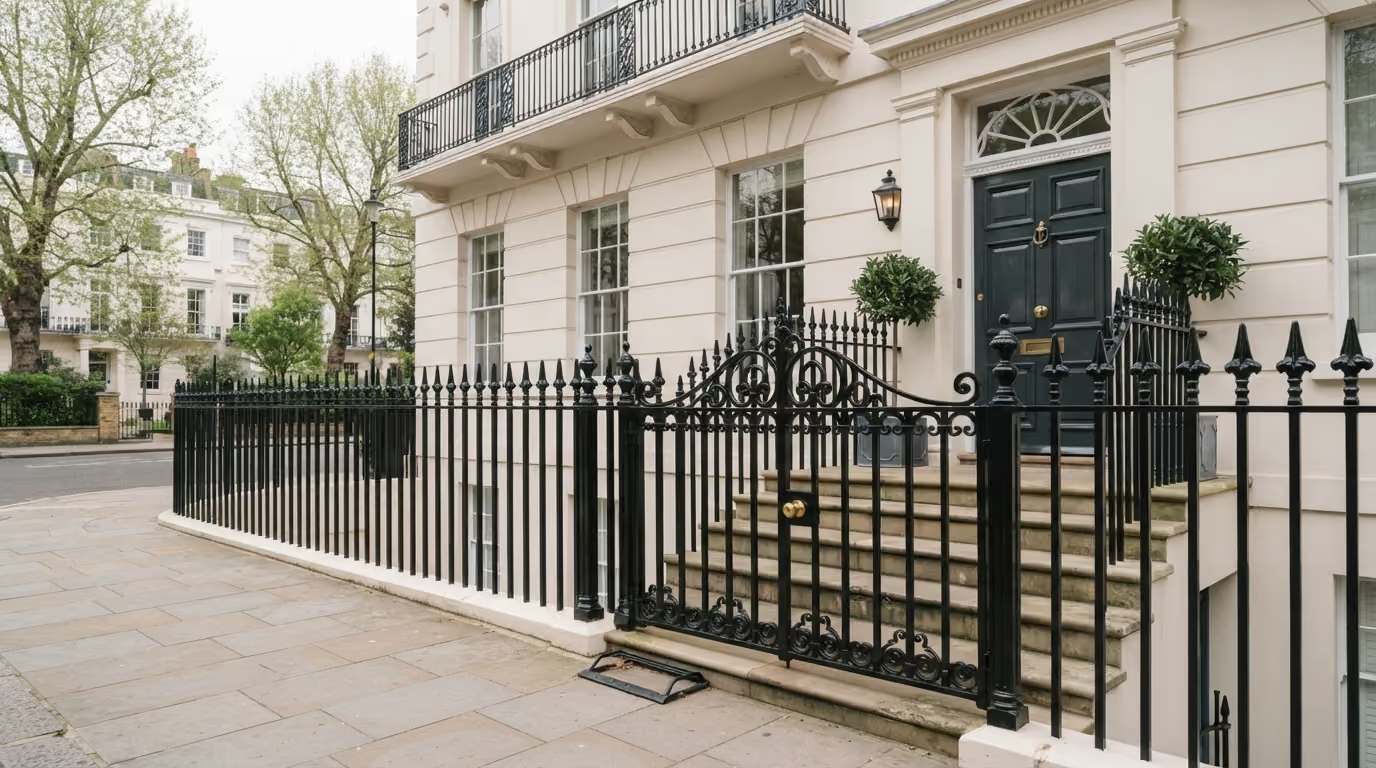
Iron railings and gates are a major part of the Kensington look. They also fail in predictable places, especially where water sits.
Common rust traps:
A clean finish on metalwork comes from rust removal, correct primers, and careful top coats. Painting over rust does not stop it. It hides it for a short time, then it breaks through again.
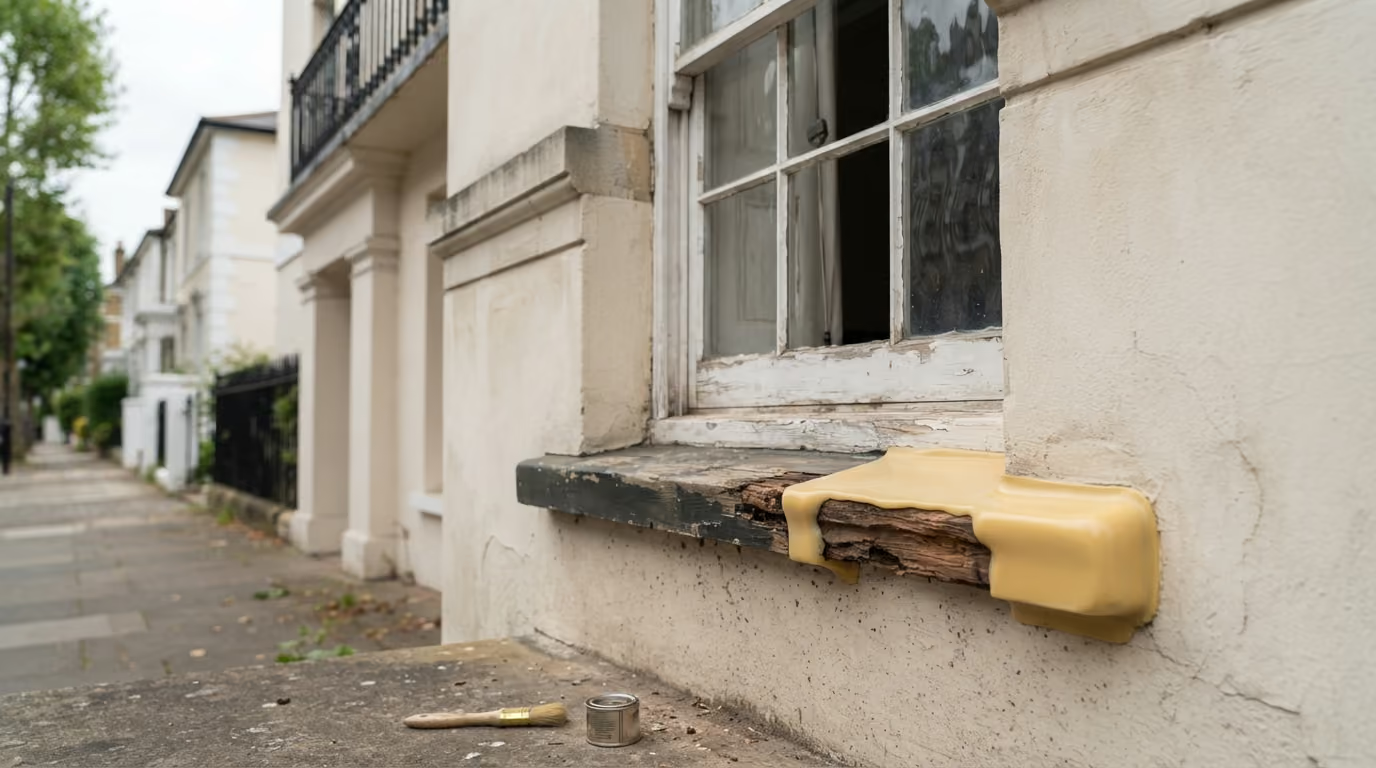
Timber windows and doors often show wear first because they move, they get sun and rain, and they are touched constantly. A good repaint here is about sharp lines and stable bond.
Checklist for joinery:
Joinery is where “quick work” looks obvious. Clean prep and careful finish coats can make the whole elevation feel more expensive, even if the main wall colour stays classic.
For many period exteriors, a softer sheen often looks more natural on stucco and render. High gloss can feel too sharp and can show defects more clearly. Metalwork and joinery may use a different sheen for durability and definition, but the main wall finish often benefits from staying calmer.
The best choice depends on the facade detail, the light, and how perfect the substrate is. On a very flat modern surface, higher sheen can look clean. On textured heritage stucco, a softer look often reads better.
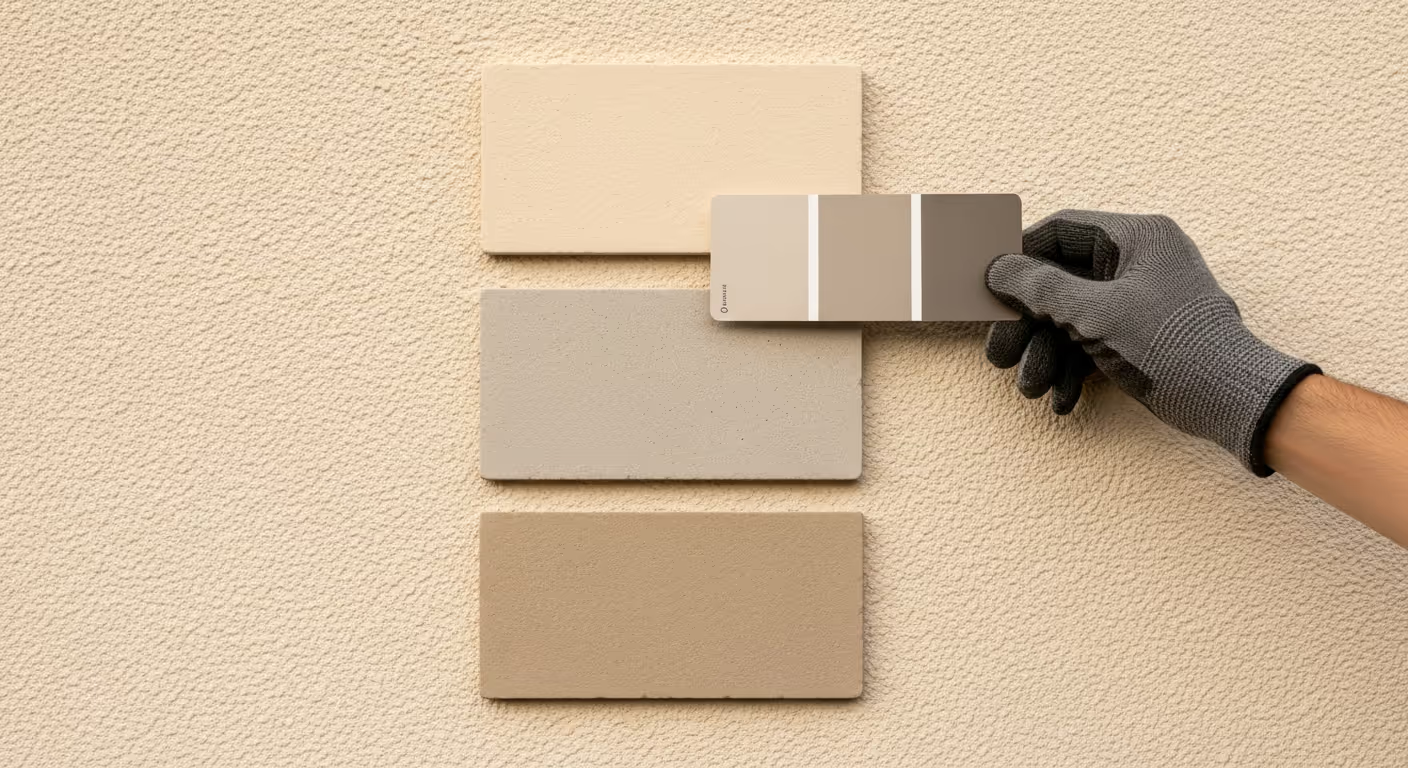
Once the surface plan is clear, colour selection becomes easier. In Kensington, classic families tend to work well because they respect the street and cope with weathering.
The safest way to choose is to test on the wall, even outside. Light and shadow can change the colour a lot. Test patches help avoid a repaint regret.
Exterior work needs sensible timing. Rain can interrupt prep and coating stages. Strong direct sun can affect how paint dries. Wind can carry dust onto wet surfaces. A good schedule builds in flexibility and keeps the work methodical.
If you have a fixed date, for example guests, an event, or a move, it helps to plan early. The best results come when the team can do prep, repairs, priming, and coats without rushing. Rushing is when edges stay rough and failures return quickly.
If you are speaking to contractors, these questions help you understand the plan and the quality level.
Good answers are usually specific. Vague answers often signal vague prep.
We carry out exterior and heritage painting across Prime Central London, with frequent work in Kensington, Chelsea, Belgravia, Notting Hill, Knightsbridge, and Westminster. You can see examples of our finish level on our projects page, including period properties such as the West London period home.
Want a clear plan for your Kensington exterior repaint? Share a few photos of the elevation, plus any close ups of cracks, peeling, or staining. We can advise the right prep and system for your facade, then deliver the repaint with a tidy, heritage aware approach. To begin, request a site visit and we will arrange a time that suits you.
Tell us a few details about your project and our team will review the enquiry and come back to you within one working day.