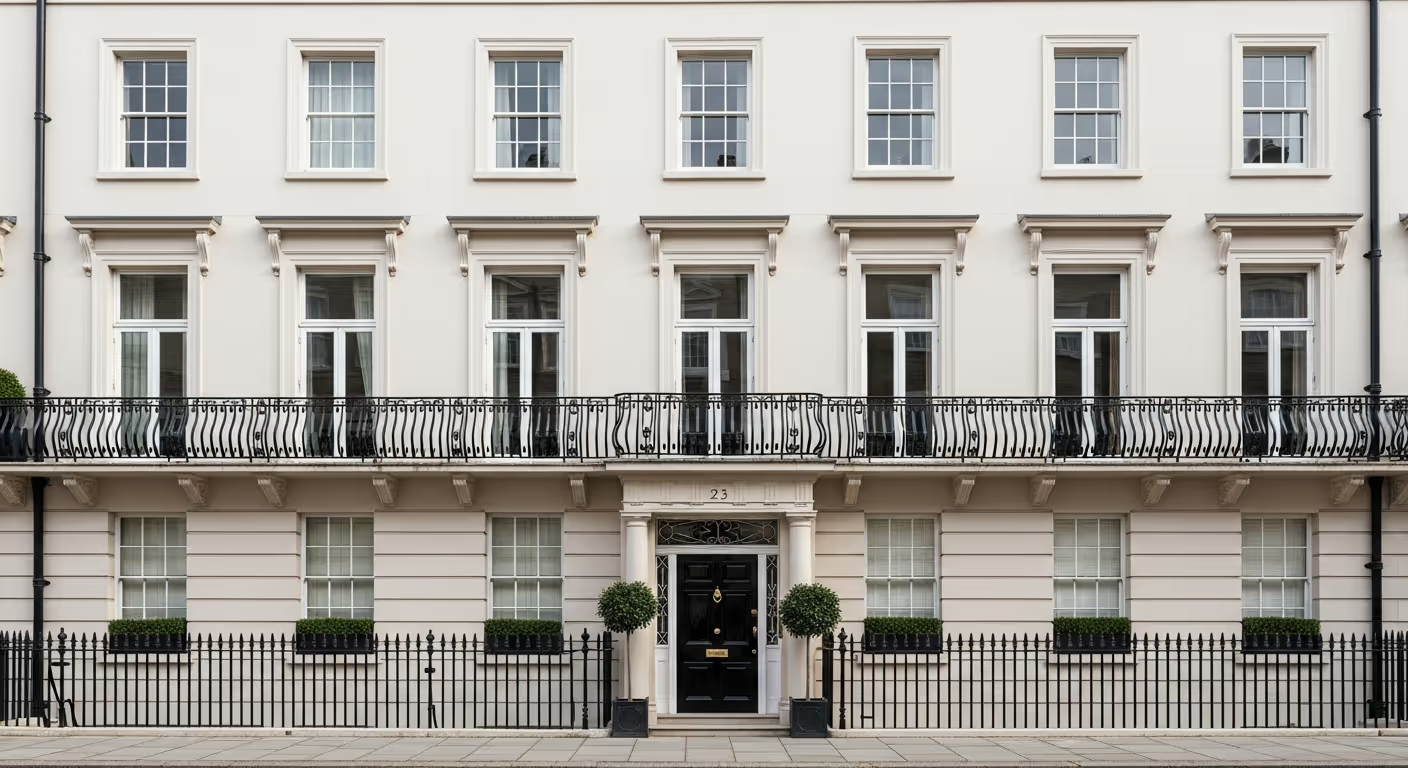
Planning an exterior repaint in Belgravia and want it to look crisp for years? This guide explains what to check on stucco, railings, and front doors, what repairs matter most, and how to plan a repaint that stays calm in London weather.
Short answer: A Belgravia exterior repaint lasts longer when you treat it as protection work, not a cosmetic refresh. Fix water paths first, repair stucco cracks properly, remove loose paint, treat rust on railings, and use a suitable system for heritage walls. Test colour on the actual facade, then paint in a steady sequence so details stay crisp. For a survey and a clear plan, see our exterior and heritage painting service.
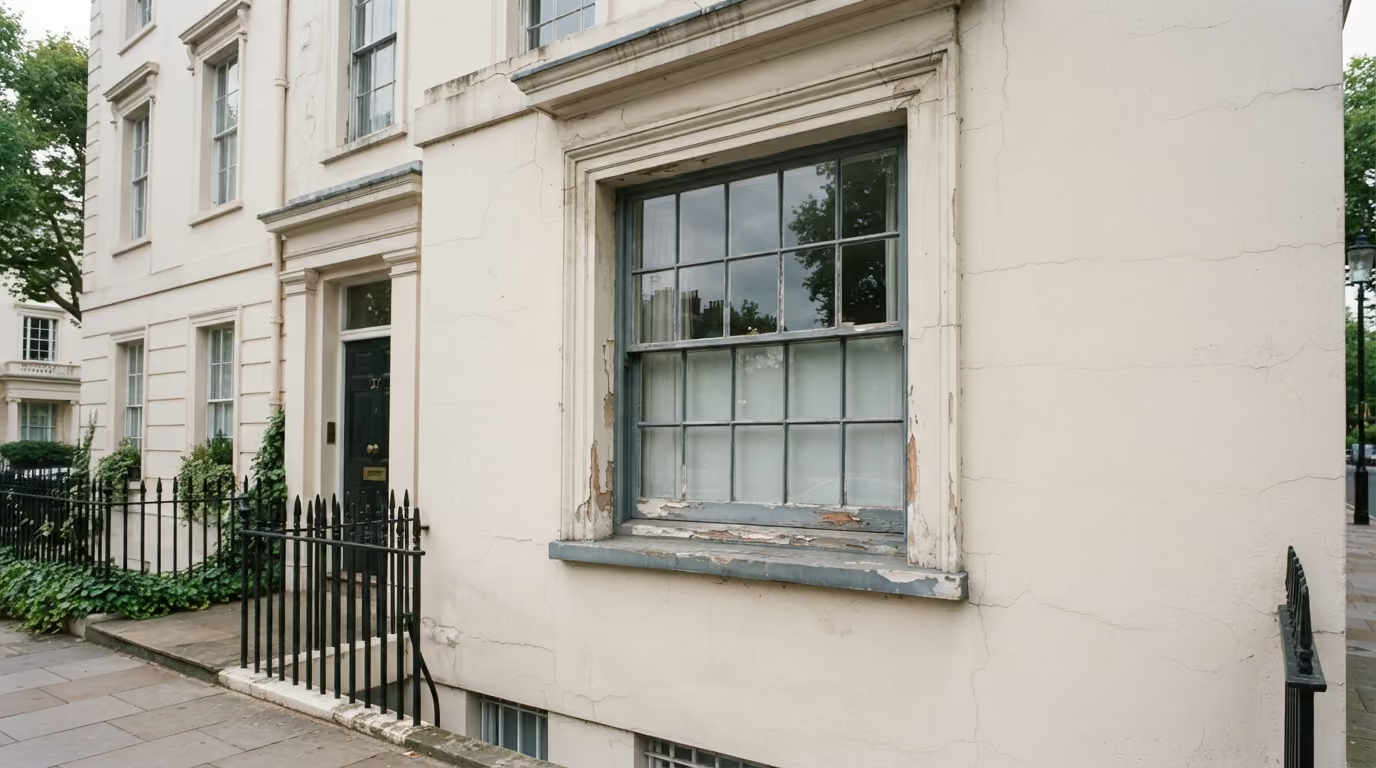
Belgravia streets have a particular calm. Pale facades, crisp railings, and strong proportions that read well from the pavement. When an exterior is freshly and properly painted, it does not scream for attention. It simply looks cared for. When the paint system fails, the signs are equally clear. Peeling at window reveals, hairline cracking on stucco, dark streaks under coping stones, and rust pushing through ironwork.
Owners often ask the same thing. What should we do before we repaint, so we do not have to do it again too soon. This guide answers that in plain English. It covers what to inspect, what usually needs repairing, how to plan colours that suit the street, and how to protect details like railings and doors so the finish stays sharp through seasons.
Many Belgravia exteriors are not one material. A single elevation can include stucco, stone details, ironwork, timber joinery, and sometimes painted brick at lower levels or side returns.
This matters because each surface needs its own prep and paint system. Treating everything the same is how finishes fail early or look uneven.
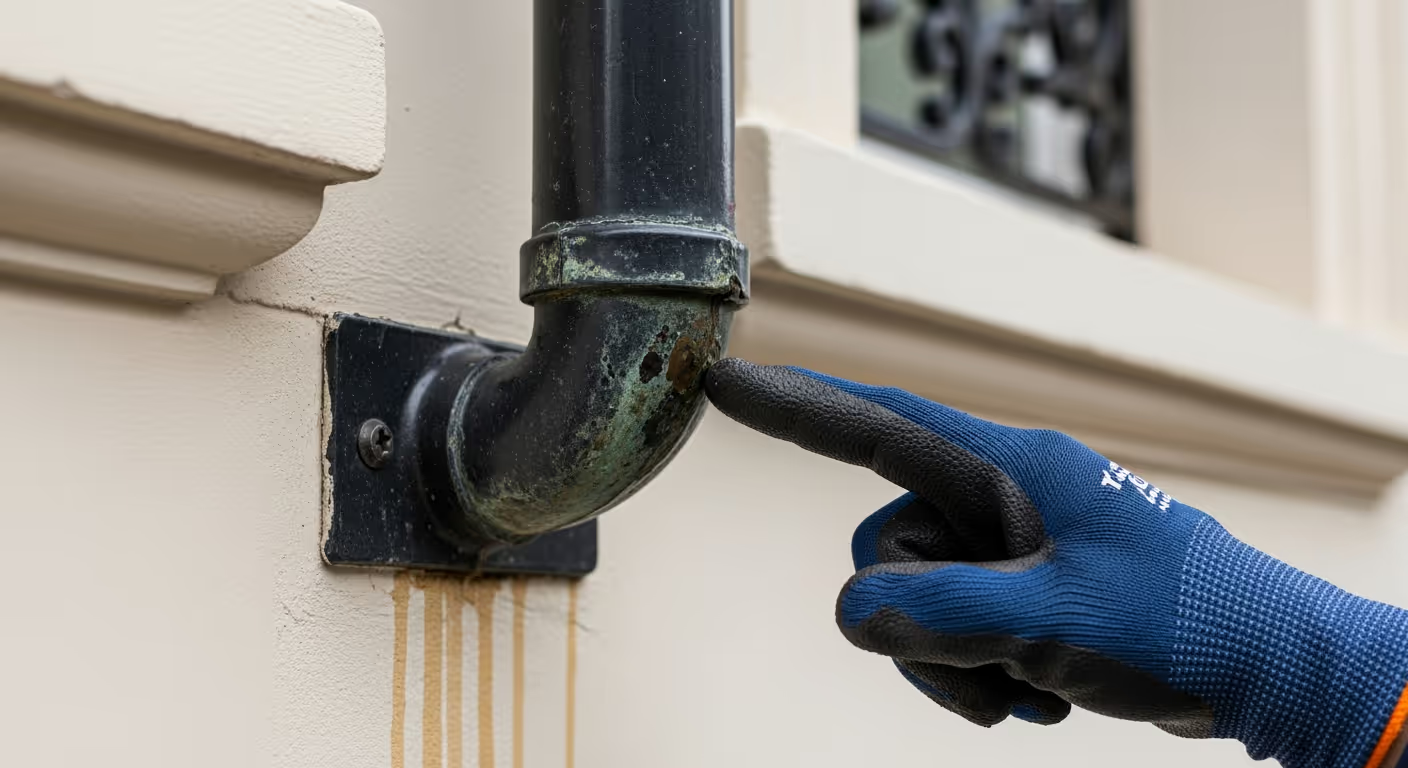
Most exterior paint problems come from water. Not rain on the surface, but water getting behind paint through joints, cracks, and defective drainage. If you repaint without fixing water entry points, the new coating can blister or peel again in the same zones.
Walk the facade and look for:
If you see these signs, fix the cause before you paint. A repaint is meant to protect. It cannot protect when water is still getting in behind it.
Fine hairline cracking on stucco is common on older buildings. Some of it is surface ageing. Some of it allows water in. Location and pattern help you judge it.
A calm facade depends on repairs being shaped and blended, not just filled. Heavy filler and thick paint can round off details and make a terrace look soft and tired.
Belgravia facades often carry a long history of repairs. Some are done well. Some are not. The problem is that fresh paint can highlight old patches, especially in side light or in low winter sun.
Signs a patch repair needs attention:
In many cases, the solution is to rework the patch so it sits flush, then prime correctly so the surface dries evenly. That is how you avoid the patchy look that can make a high end repaint feel cheap.
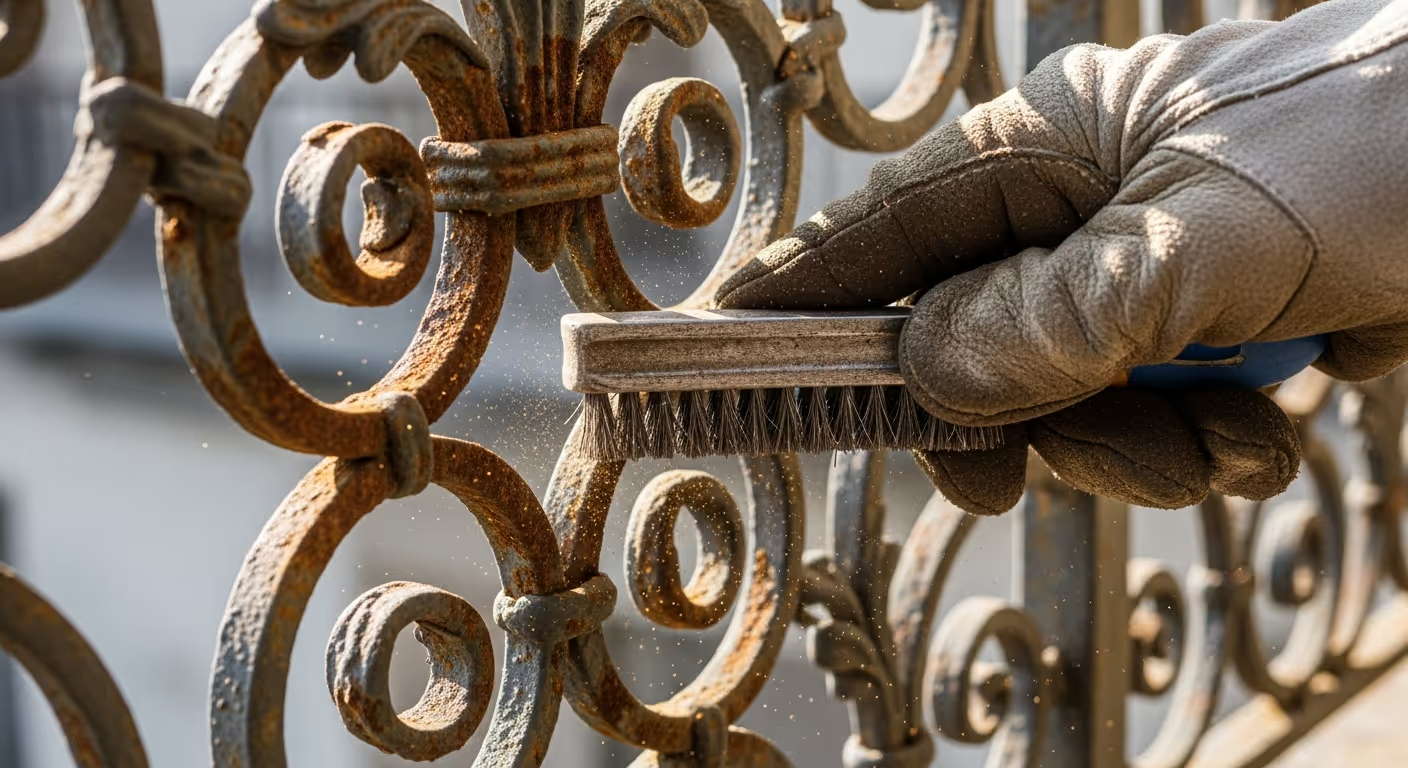
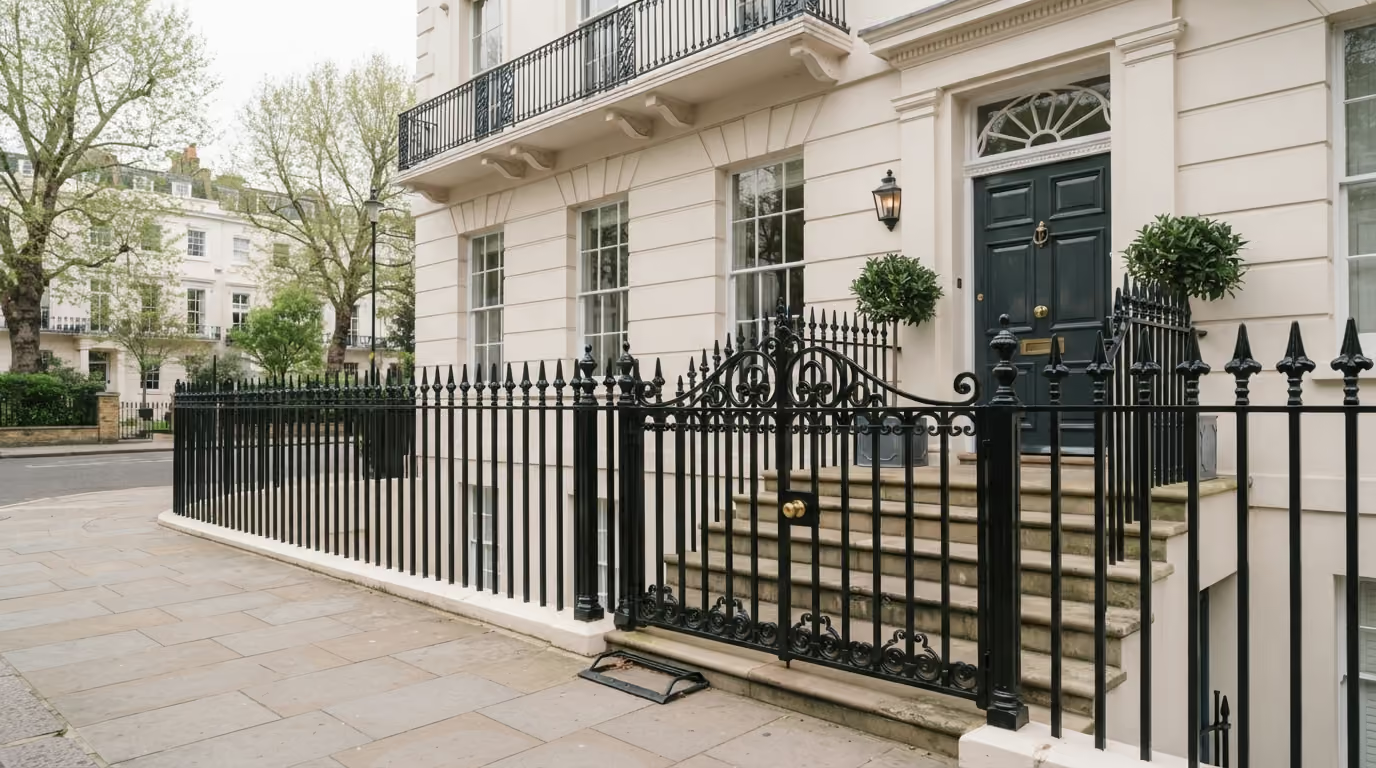
Railings are a major part of the Belgravia look. They also fail in predictable places. Rust expands under paint. When it expands, it pushes the coating off and returns quickly if not treated correctly.
Check these rust traps:
Good railing work includes rust removal, correct primers, and clean top coats. Painting over rust is a short term cover. It will break through again.
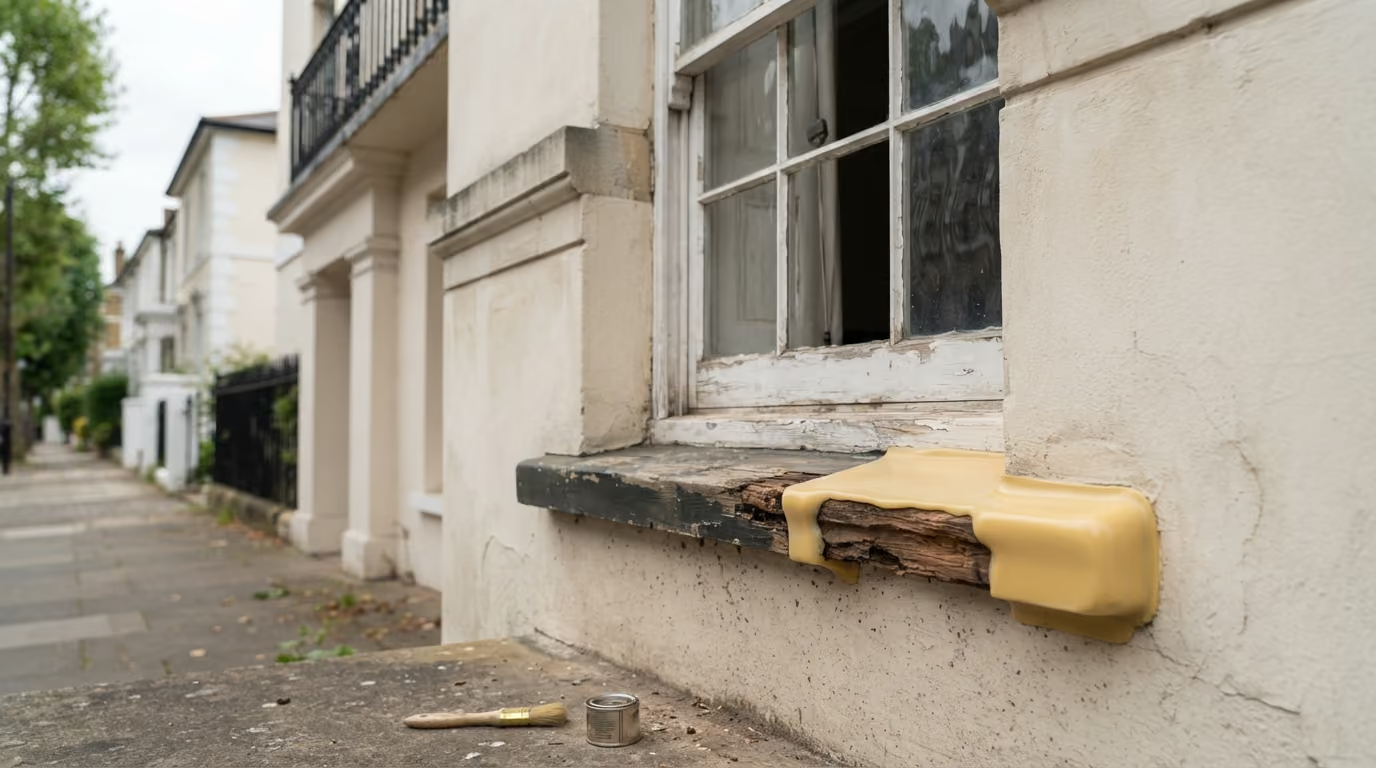
Joinery sits on the weather line and gets the most contact. Even if the main facade colour stays classic, tired windows and doors can make the whole elevation feel neglected.
Check for:
Front doors deserve special care. They are handled every day and seen up close by guests. A clean door repaint includes proper sanding, sharp edges, and tidy hardware protection. If you want a richer statement, door colour is often the safest place to add personality without changing the whole terrace mood.
Belgravia works best when colour choices are calm. Many streets have an established tone range, and the most refined elevations sit comfortably within it.
Colour directions that often work well:
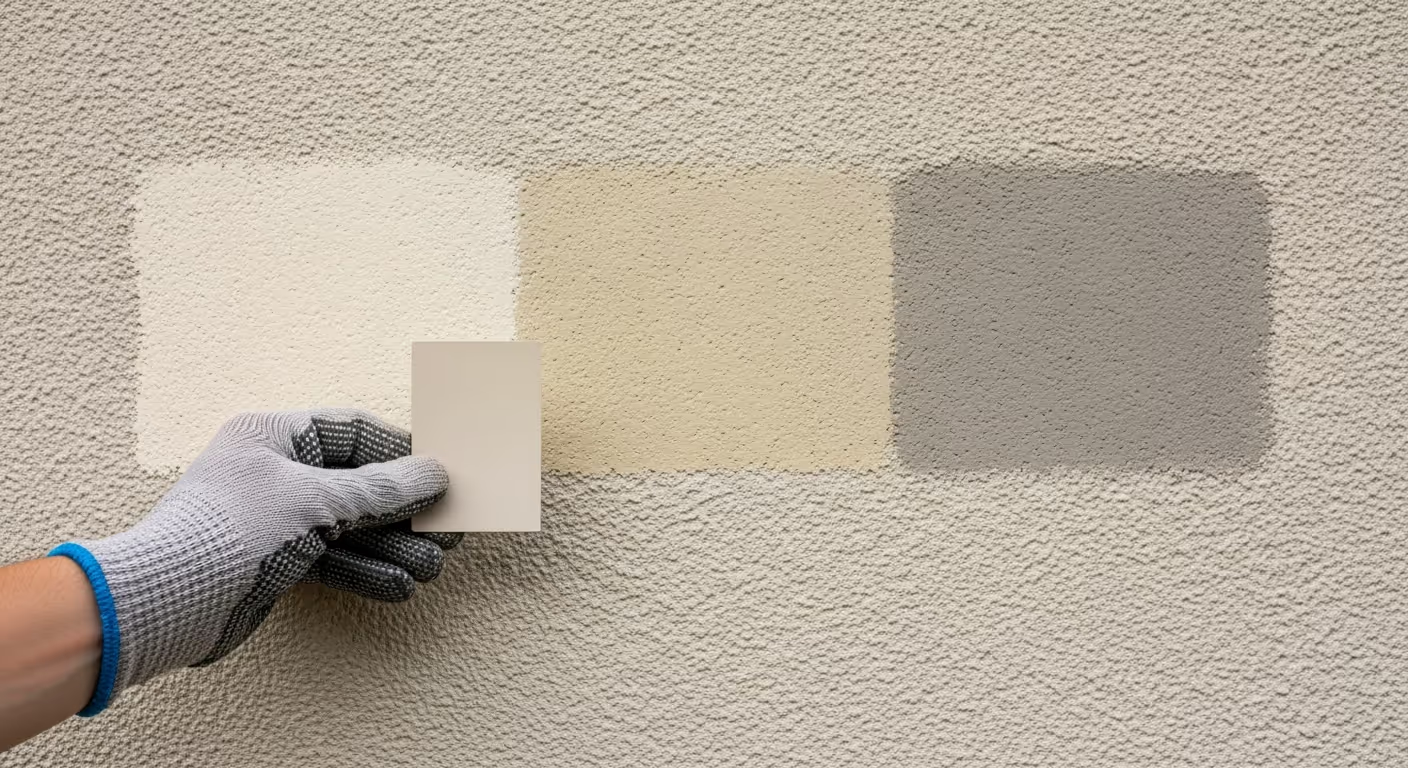
Colour should be tested on the real facade, not decided on a small card. Shade, sun, and surrounding materials change how a colour reads. We recommend two or three test patches in one family and viewing them morning, afternoon, and early evening.
Many period walls need to release moisture. If a dense coating traps moisture, it can lead to blisters and peeling. This is why system choice matters as much as colour.
A suitable plan usually considers:
This is the core of exterior and heritage painting. Protect the building fabric, then apply finish coats. When that order is respected, the repaint tends to last longer and look calmer.
Exterior painting is not only about coats. It is about sequence. A clear sequence keeps edges sharp and avoids rework.
When the order is rushed, you get thick build on details, visible patch edges, and repeat failure at the same joints. When the order is calm, the facade reads as one clean surface.
Belgravia streets are close. Access and scaffold planning matter. A tidy site and clear timing reduce stress for you and your neighbours.
Good planning includes:
These details do not sound like paint. Yet they are part of what makes a premium job feel premium.
Most of these mistakes are avoidable with a survey and a repair led plan.
If you are comparing contractors, these questions help you spot who has a real plan.
Clear, specific answers are a good sign.
We carry out exterior and heritage painting across Prime Central London, including Belgravia, Chelsea, Kensington, Notting Hill, Knightsbridge, and Westminster. You can view our finish standard on our projects page, including homes such as the West London period home and Super prime residence.
Want a clear Belgravia exterior repaint plan? Send photos of the elevation, plus close ups of cracks, peeling, staining, and any rust on railings. We can propose the right repairs and a suitable paint system, then deliver a calm finish that respects the building and the street. To begin, request a site visit and we will arrange a time that suits you.
Tell us a few details about your project and our team will review the enquiry and come back to you within one working day.