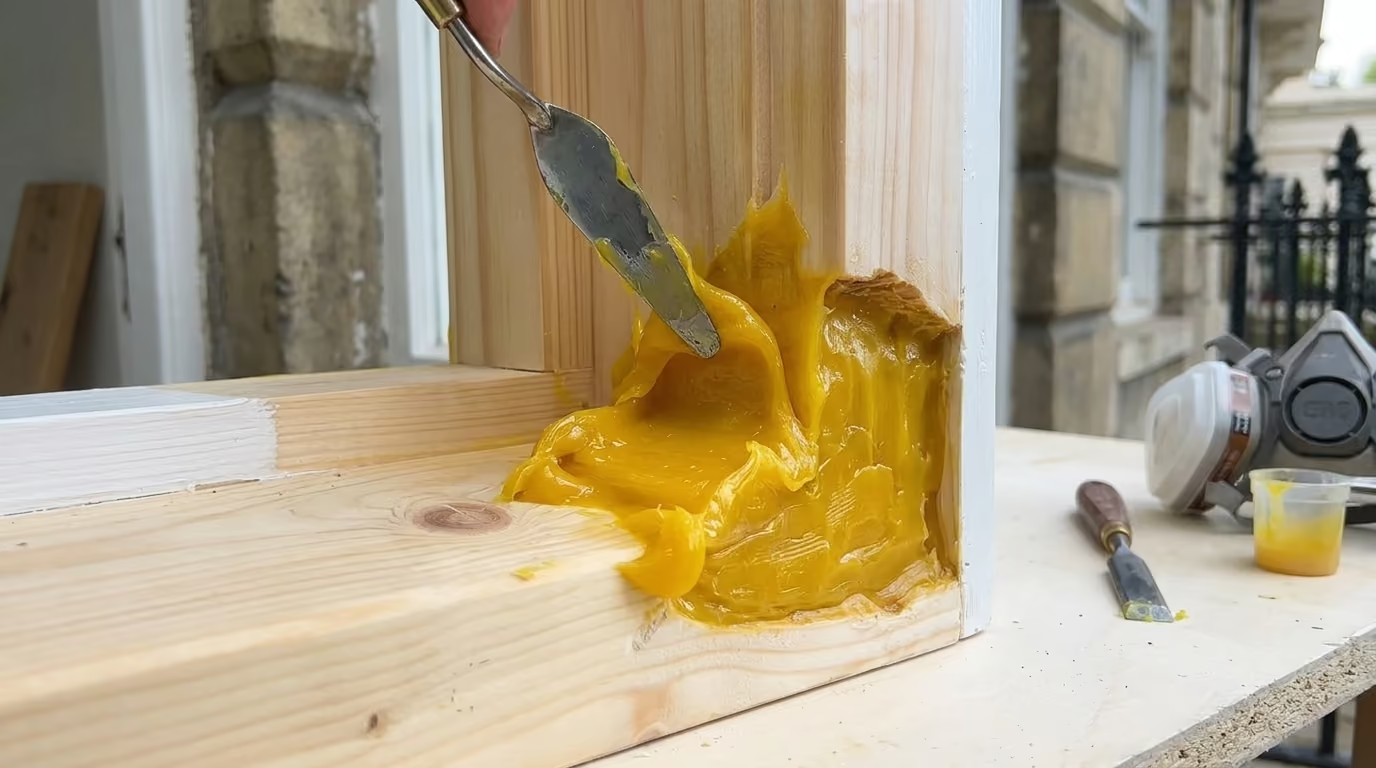
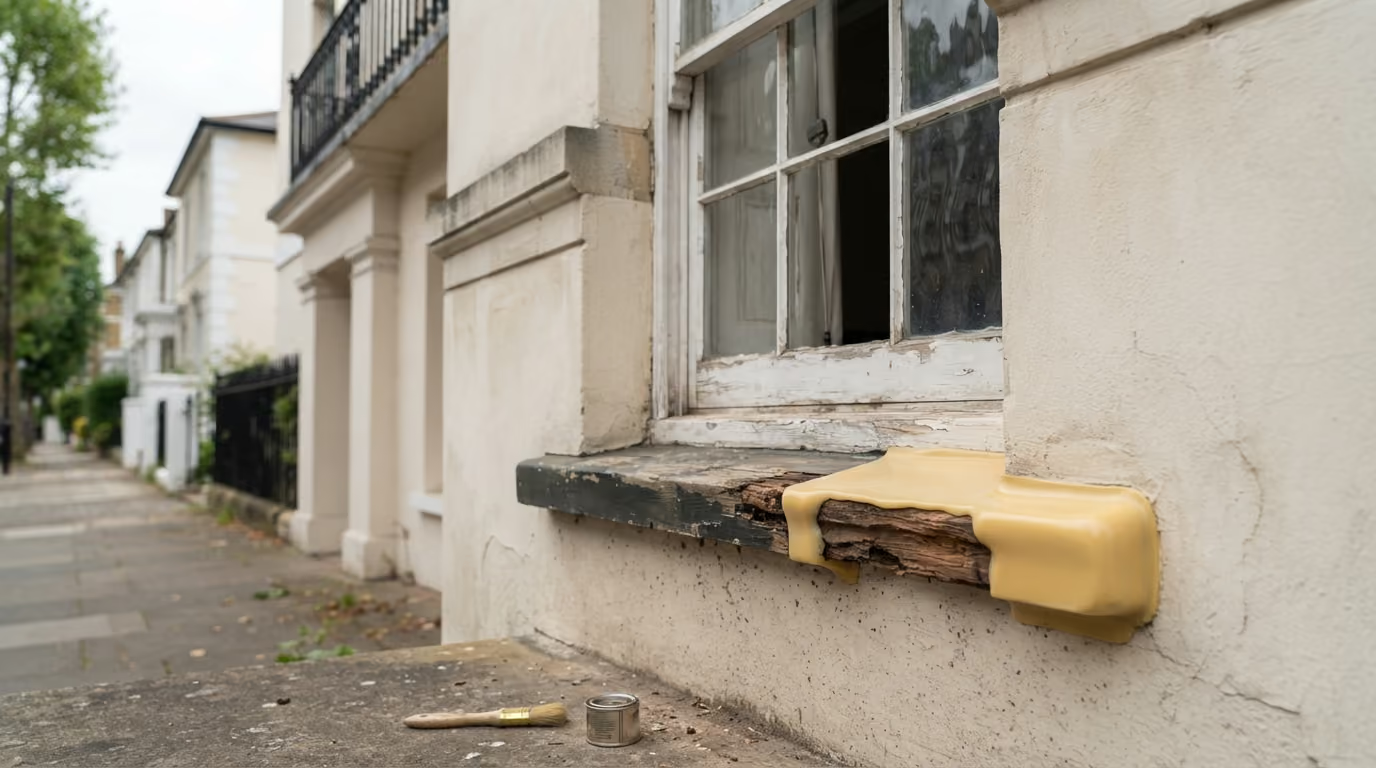
A damaged timber window sill does not always need full replacement. This guide explains how Repair Care repairs work, when localised decay can be restored, why ordinary filler often fails, and how the repaired sill should be prepared and repainted.
The practical answer: A damaged timber window sill does not always need full replacement. When decay is limited and the surrounding joinery remains sound, the affected wood can often be removed and rebuilt using the Repair Care timber repair system. This preserves more of the original window while creating a stable surface that can be shaped, sanded, primed, and repainted. Bellefair is trained and certified to carry out Repair Care timber repairs as part of our exterior and heritage painting service.
Timber window sills are among the most exposed parts of a period property. They sit beneath the glass, project beyond the facade, and receive rain, sunlight, dirt, and changes in temperature throughout the year. Their job is to move water away from the window and the wall below. When the paint system begins to fail or water stops draining properly, the timber can start to soften and decay.
In Kensington homes, this often appears first as peeling paint at the outer corners, cracks along the sill edge, dark staining, or small soft areas beneath the coating. The damage may look minor from the pavement, but it can become more serious if moisture continues entering the timber.
The common response is either to cover the area with filler or assume that the entire sill or window must be replaced. Neither decision should be made without checking the full condition first. Localised decay can often be repaired professionally, allowing sound original timber to remain in place.
This guide explains why timber window sills fail, how Repair Care repairs work, when a sill can be saved, and what needs to happen before the repaired joinery is repainted.
A window sill is designed to direct rainwater away from the glass, frame, and facade. It normally includes a slight slope and a projecting edge so water can run off rather than remain against the timber.
Problems begin when water is allowed to sit, enter an open joint, or reach bare wood beneath a failed paint coating.
Common causes include:
Once water reaches the wood, repeated wetting can lead to decay. The paint may continue hiding the damage for a while, which is why a sill can look reasonable from a distance while feeling soft when inspected closely.
Decay is easier to manage when it is found early. Homeowners should not wait for a visible hole or a large section of missing timber before arranging an inspection.
Warning signs include:
These signs do not automatically mean the whole sill is beyond repair. They indicate that the paint should be opened carefully and the timber assessed.
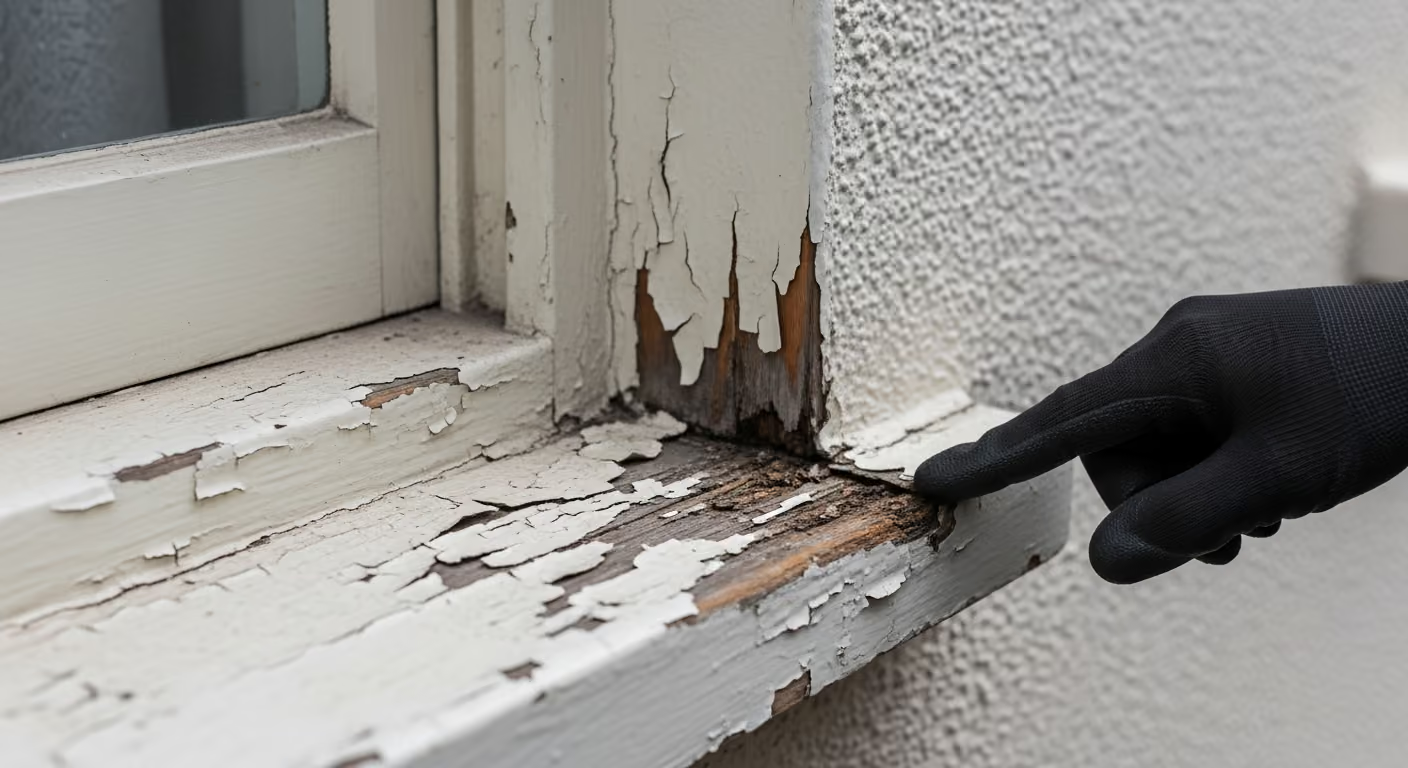
Many damaged sills can be repaired when the decay is localised. The decision depends on how much sound timber remains, whether the window is structurally stable, and whether the original shape can be restored.
Repair may be appropriate when:
Period sash windows were often made using durable timber and careful joinery. Replacing a whole sill or window because one small area has failed can remove a large amount of material that is still performing well.
A professional timber repair allows the damaged section to be treated while the healthy original joinery is retained.
Repair Care provides a strong option for localised damage, but it is not a reason to repair every sill regardless of condition. Some joinery has deteriorated too far for a sensible local repair.
Replacement or more extensive joinery work may be needed when:
Sometimes only the sill section needs replacing while the rest of the window remains. In other cases, a combination of new timber and Repair Care products can be used. The right method depends on the individual window.
Many timber sills have old repairs made with general exterior filler. These repairs may look neat when first painted, but they often crack or separate after repeated exposure to weather.
Several problems can cause this:
Timber expands and contracts as moisture and temperature change. A rigid patch applied over moving or decayed wood may open around the edges. Once water enters the joint, the failure begins again.
A durable repair needs more than a material placed into a visible hole. It needs proper diagnosis, removal of unstable timber, correct preparation, and a repair system suited to exterior joinery.
The exact process depends on the extent of the damage, but a professional timber sill repair normally follows several clear stages.
The sill is checked beyond the obvious damaged area. Paint may need to be removed around the defect so the timber underneath can be examined properly.
The inspection also includes nearby joints, glazing details, frame corners, and the lower rail of the sash. Decay in one area may have begun because water is entering from another point.
Repairing the timber without understanding why it failed can lead to the same problem returning.
The source may be:
The water path should be corrected as part of the wider repair and repainting plan.
Soft and unstable timber is removed until sound wood is reached. The aim is to retain as much healthy original material as possible while creating a stable area for the repair.
Covering decayed timber would leave the repair bonded to a weak base. Removing it properly is essential.
The remaining timber is prepared using the correct Repair Care method. The repair area needs clean, stable surfaces and suitable bonding treatment before the rebuilding material is applied.
The missing section is rebuilt using the appropriate Repair Care compound. Larger repairs may also include a new timber insert.
The repair should recreate:
This stage is important because a sill is functional, not merely decorative. Its shape helps protect the window and facade from water.
After curing, the repair is shaped and sanded to follow the original sill. The transition between repaired and original timber should feel controlled, with crisp edges and a smooth surface ready for decoration.
The repaired area, exposed timber, surrounding paintwork, and joints are then prepared for a new exterior coating system.
The repair should not be treated as an isolated patch. The whole sill and nearby joinery need a consistent protective finish so moisture cannot return through weak edges.
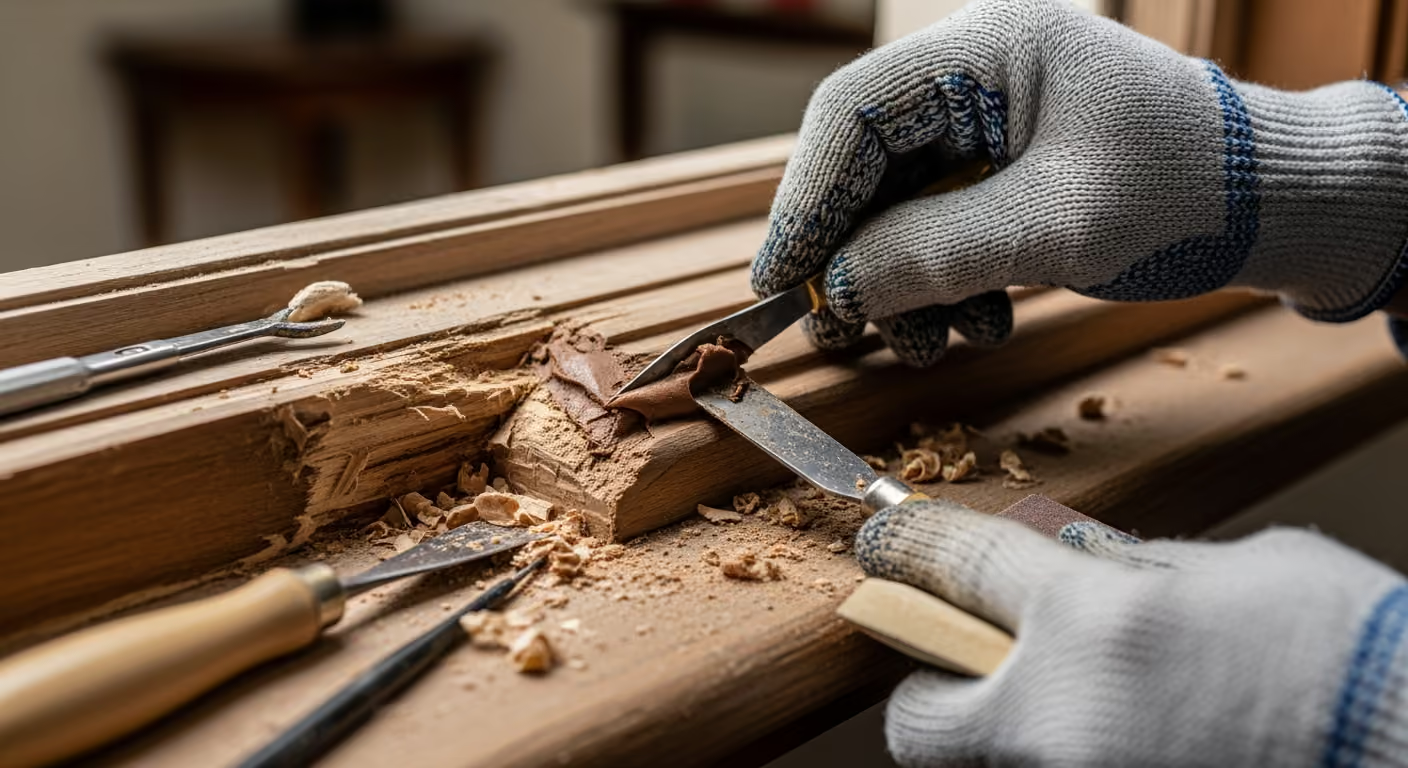
A window sill needs to shed water efficiently. If a previous repair leaves a flat section, hollow, or badly shaped corner, water may remain on the surface instead of running away.
A correct repair should preserve or restore:
This is one reason general filler repairs can fail. They may close a hole without recreating the functional shape of the sill.
Period windows contribute to the appearance of Kensington streets and individual homes. Their proportions, glazing bars, mouldings, and timber profiles are often difficult to reproduce accurately with a standard modern replacement.
Repairing localised sill damage can help retain:
It can also reduce disruption inside the home. Full window replacement may affect internal reveals, shutters, curtains, flooring protection, and decoration. A local repair focuses work on the area that is genuinely damaged.
Repair Care repairs should be treated as a professional timber restoration process, not as normal filling work. The system includes specific methods for inspecting decay, preparing the timber, selecting products, forming repairs, and preventing future failure.
Bellefair is trained and certified to use the Repair Care system. This allows us to assess damaged window sills and other exterior woodwork before carrying out the repair and completing the surrounding exterior decoration.
For homeowners, this means the timber repair can be included within one coordinated plan covering preparation, restoration, priming, and painting.
Even if the decay is limited to the sill, the rest of the window should still be checked. Peeling paint, failed seals, open joints, or exposed edges elsewhere can cause new problems later.
The wider inspection should include:
A complete exterior project should deal with related weaknesses while safe access and protection are already in place.
Once the repair has cured and been shaped correctly, the window needs a suitable exterior paint system. The coating protects both the original timber and the repaired area from weather.
Good repainting preparation includes:
The aim is to create one complete protective surface rather than make the repair look like a separate patch.
The life of any exterior timber repair depends on the original condition, the quality of the repair, exposure, water control, paint specification, and future maintenance.
A repair is more likely to perform well when:
No exterior timber finish should be ignored indefinitely. Regular inspection helps prevent minor coating damage from developing into fresh decay.
Repair Care is not limited to window sills. The system can be used on suitable localised damage across different forms of exterior timber joinery.
This may include:
Each area still needs an individual condition check. Repair is appropriate where enough sound timber remains and the finished section can continue performing safely.
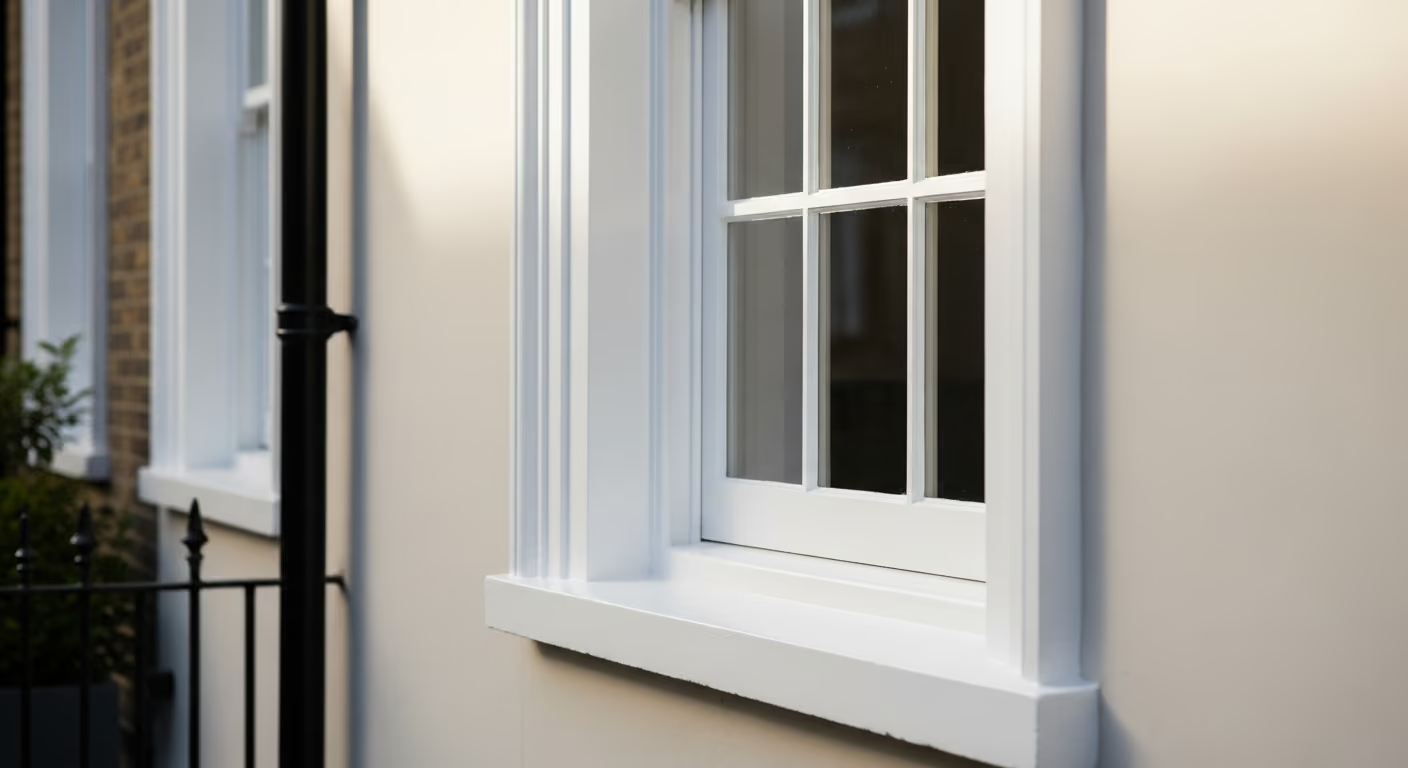
Maintenance is much easier when small issues are found early. Homeowners should inspect exterior timber before the paint has failed across large areas.
Helpful checks include:
A small exposed edge can often be dealt with before water reaches deeper into the timber. Waiting until the wood becomes visibly soft usually increases the repair work required.
A successful sill repair depends on understanding why the damage occurred, not just covering the visible defect.
Can a rotten timber window sill be repaired without replacing the window? Often, yes. If the decay is localised and enough sound timber remains, the damaged section may be removed and rebuilt using the Repair Care system.
Will the repaired section look different after painting? A properly shaped, sanded, primed, and painted repair should blend into the surrounding joinery.
Is Repair Care just an exterior wood filler? No. It is a professional timber repair system used with specific assessment, preparation, bonding, repair, and finishing methods.
Can a complete sill be replaced while keeping the original window? In some cases, yes. The correct approach depends on how much of the sill and surrounding frame remain sound.
Why does paint keep peeling from the same sill corner? Repeated peeling can indicate moisture entry, an open joint, poor drainage, or decay beneath the coating. The cause should be investigated before repainting.
Should the window be repaired before the exterior is painted? Yes. Timber repairs should be completed first so the new exterior paint system has a stable base.
We carry out Repair Care timber repairs and exterior painting across Prime Central London, including Kensington, Chelsea, Belgravia, Notting Hill, Knightsbridge, and Westminster. Our projects often include sash window sills, frames, exterior doors, railings, stucco, and other period details that need careful repair before repainting.
Concerned about a damaged timber window sill in your Kensington home? Send photographs of the full window and close views of peeling paint, cracks, soft timber, open joints, and previous repairs. We can assess whether a Repair Care timber repair may be suitable and plan the restoration as part of a complete exterior painting project. To begin, request a site visit and we will arrange a time that suits you.


Tell us a few details about your project and our team will review the enquiry and come back to you within one working day.