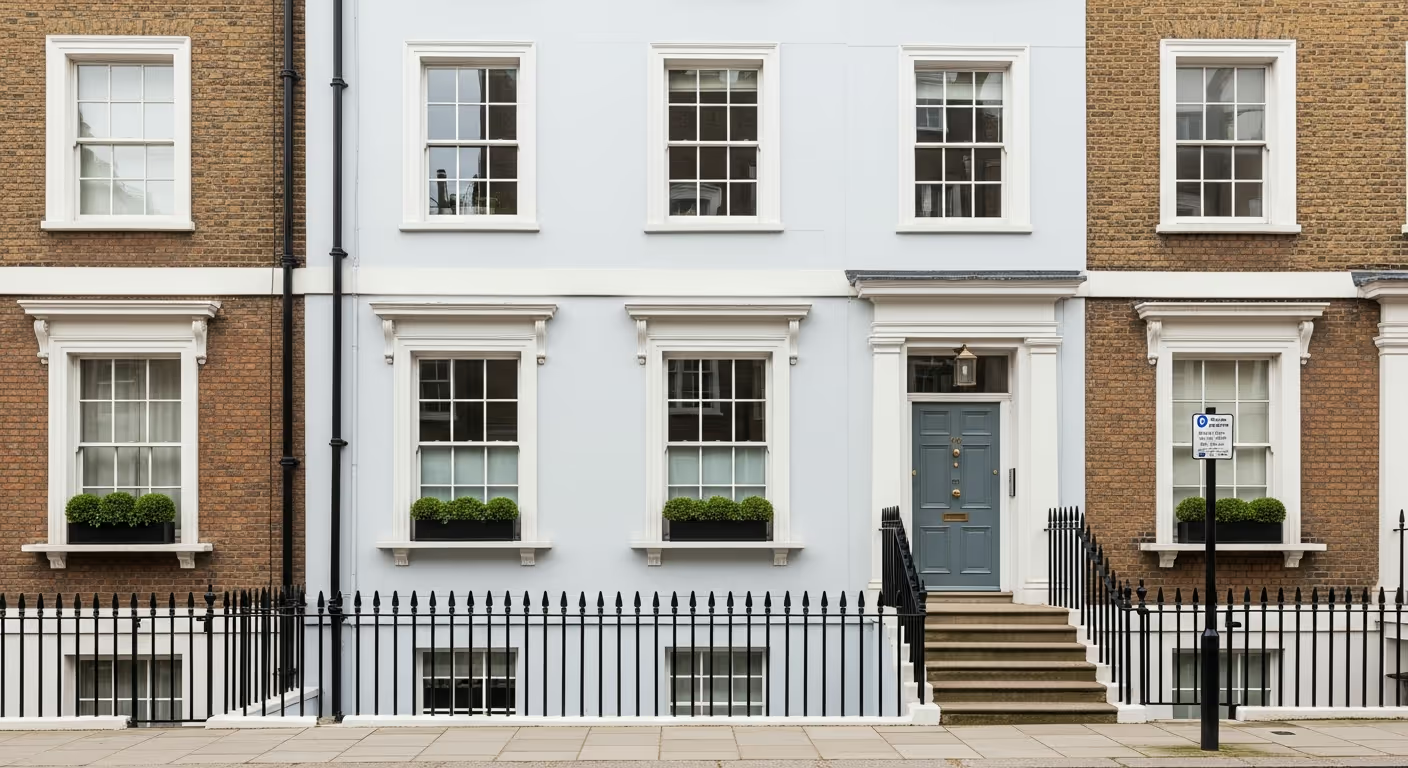
Planning an exterior repaint for a Notting Hill home? This guide explains what to check before work starts, from stucco cracks and painted brick to railings, timber windows, water paths, and colour choices that suit the street.
The practical answer: A Notting Hill exterior repaint should start with the condition of the building, not the colour. Stucco, brick, timber windows, doors, railings, and drainage all need checking before paint goes on. If cracks, peeling, rust, or water marks are ignored, the new finish can fail early. A good exterior repaint protects the property first and improves the look second. For a careful survey and finish plan, see our exterior and heritage painting service.
Notting Hill homes have a very particular charm. Painted stucco facades, brick side elevations, sash windows, black railings, coloured front doors, and details that make each house feel part of the street. When the exterior is well maintained, the whole property feels calm, valuable, and cared for. When the paint starts to fail, the signs can be small at first. A crack near a window. A blister under a sill. A rusty railing joint. A faded front door. A little staining below a gutter.
The mistake many owners make is waiting until the exterior looks obviously tired before taking action. By that point, the work may involve more than painting. It may need deeper repairs, more preparation, and more time on access. This guide explains what to check before repainting a Notting Hill exterior, how to spot early warning signs, and how to plan a repaint that protects the building as well as the look of the home.
Exterior painting in Notting Hill is rarely just a simple coat of paint. Many homes have period materials, older repairs, mixed surfaces, and details that need careful handling. A single property may include painted stucco at the front, brick at the side, timber sash windows, iron railings, and stone steps. Each surface needs its own preparation and paint system.
Careful planning matters because:
The best results come when the exterior is treated as a full system. The facade, windows, railings, front door, and water paths all work together.
Colour is important, but it should not be the first decision. A beautiful colour on an unstable surface will not last. Before choosing off whites, stone tones, railings colours, or front door shades, the exterior needs a proper condition check.
A useful first inspection looks at:
This inspection decides the real project scope. Sometimes the exterior only needs cleaning, preparation, and repainting. Sometimes it needs repairs before paint is even discussed. That difference matters for cost, timing, and long term performance.
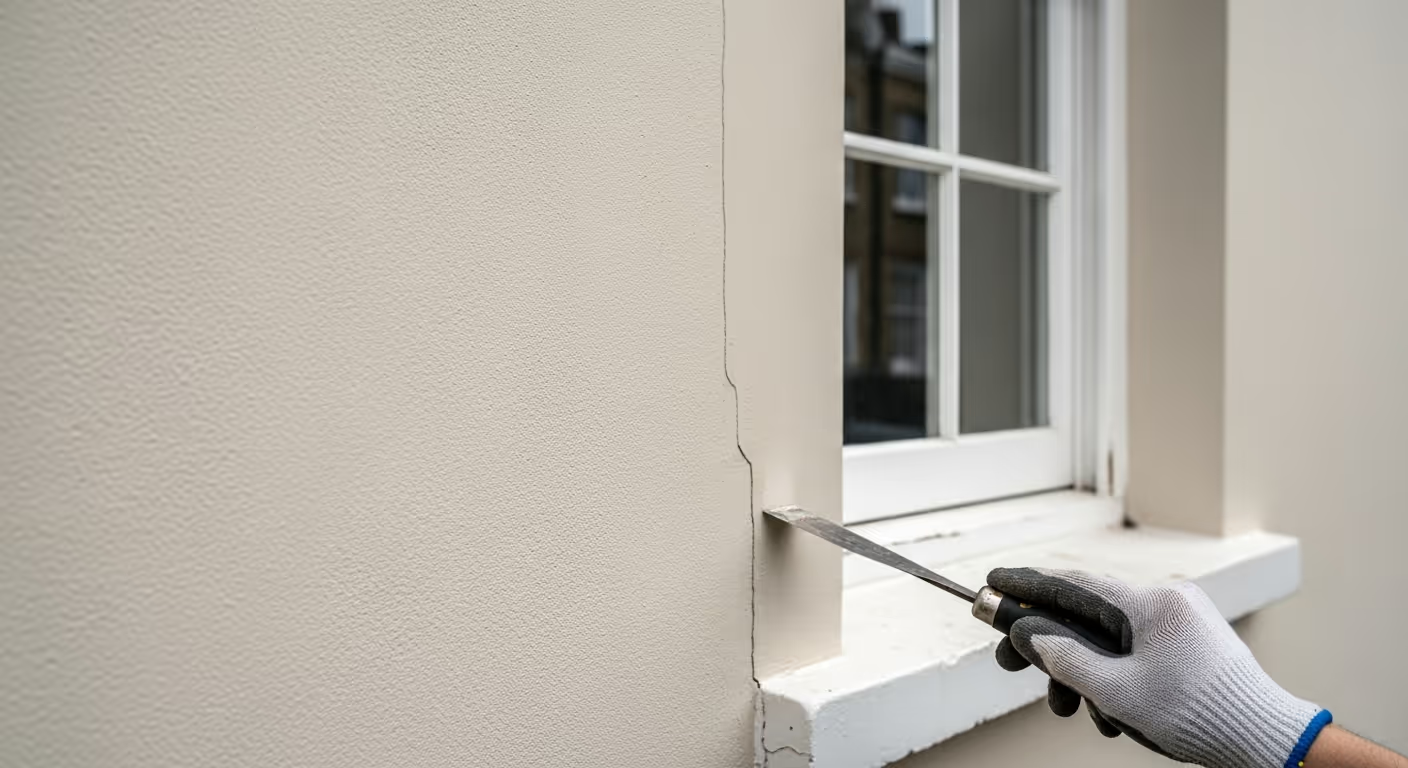
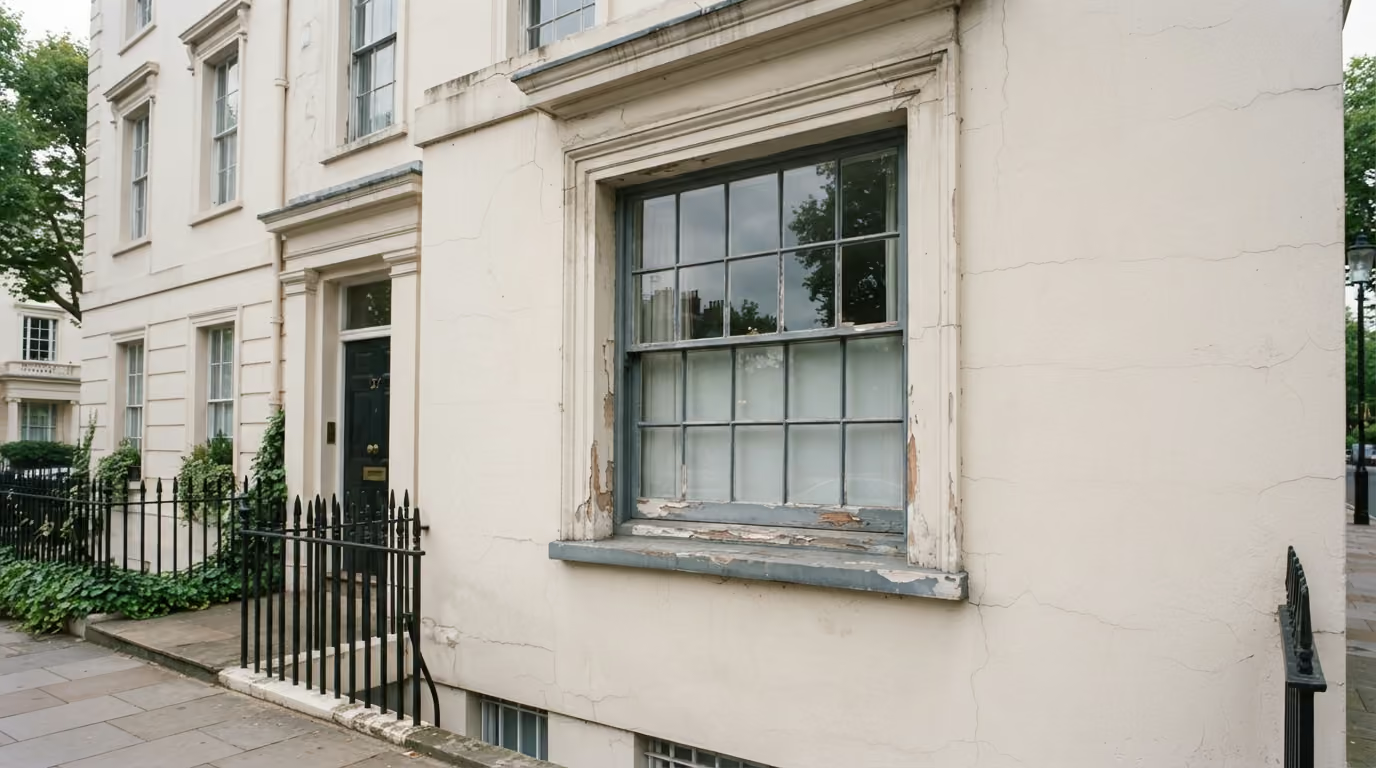
Painted stucco can look calm and elegant from the pavement, but small defects can grow quickly if water enters the surface. Fine cracks are common, but they still need to be assessed before repainting.
Key warning signs include:
A good repaint should deal with these issues before final coats. Cracks should be prepared and repaired properly. Loose paint should be removed back to a sound edge. Patch repairs should be blended so they do not show through the new finish. Painting over visible problems usually leads to the same problems returning.
Many Notting Hill homes include brickwork on side elevations, rear walls, garden elevations, or lower areas. Some brick is left natural. Some has been painted over time. Painted brick needs careful handling because brick can hold and release moisture.
Before repainting brick, check for:
If mortar joints are failing, repainting alone will not solve the issue. Water can keep entering through the joints and push the coating off later. Brickwork often needs repair or pointing checks before a new paint system is applied.
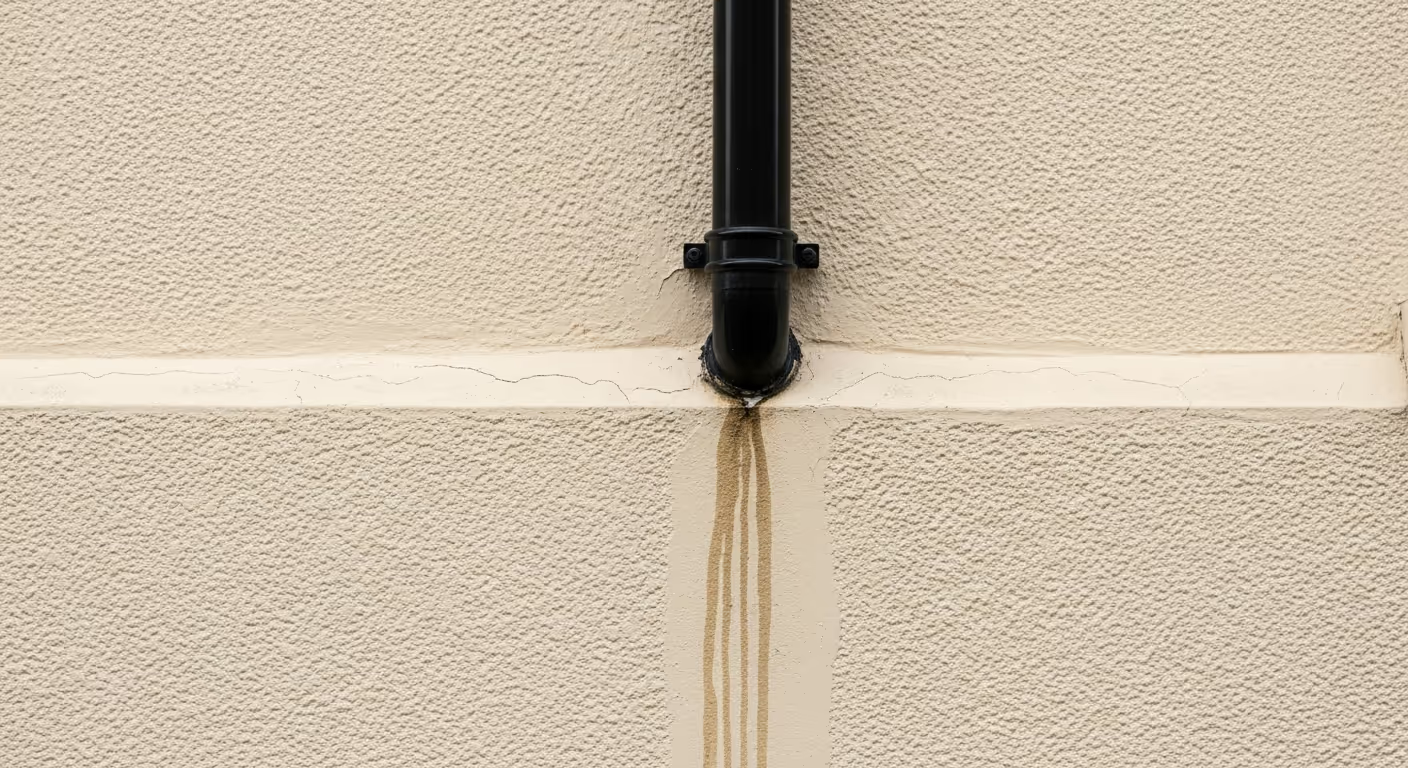
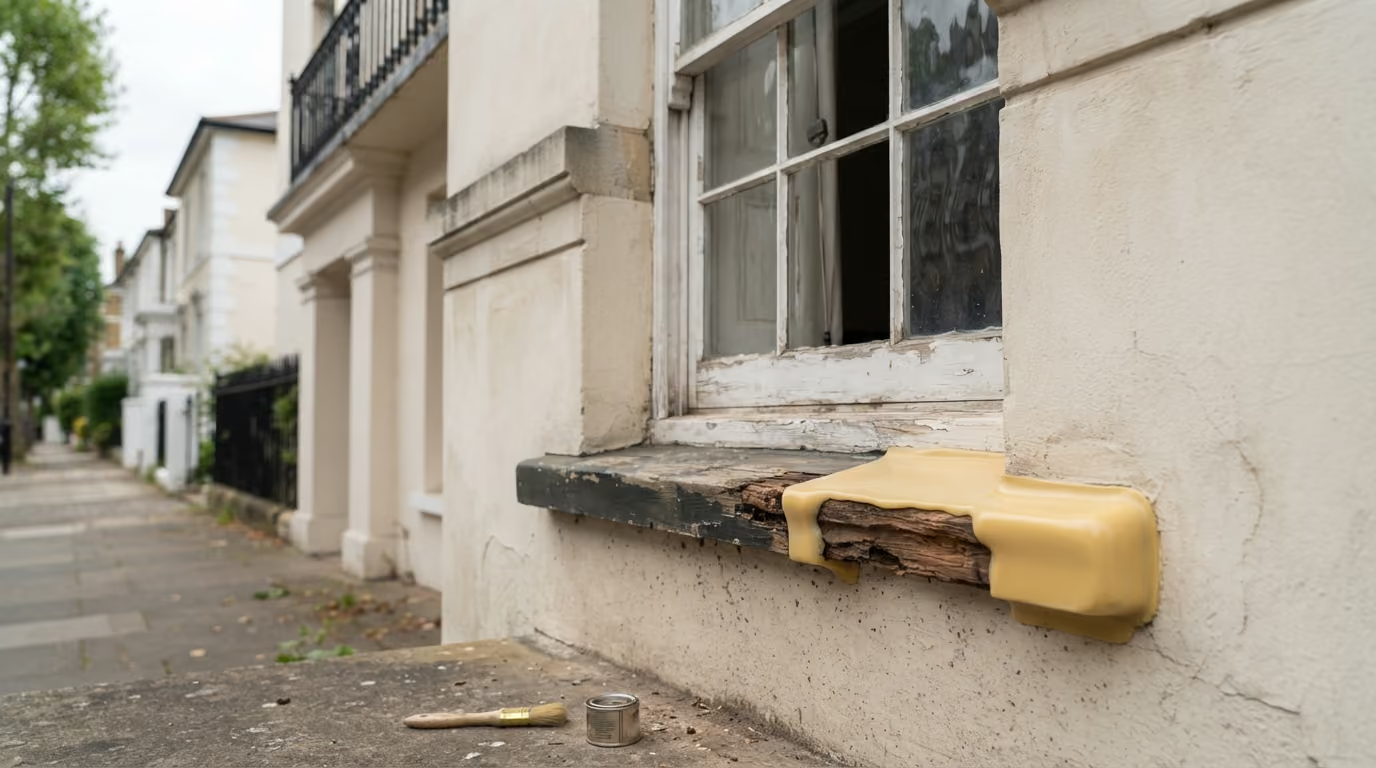
Water is one of the main reasons exterior paint fails early. A facade can be painted beautifully, but if a gutter leaks or water sits on a sill, the new finish may fail in the same area. That is why water checks should happen before painting begins.
Important areas to inspect include:
If a water source is active, it should be fixed first. Paint is a protective finish. It cannot do its job if water is still entering from behind or above.
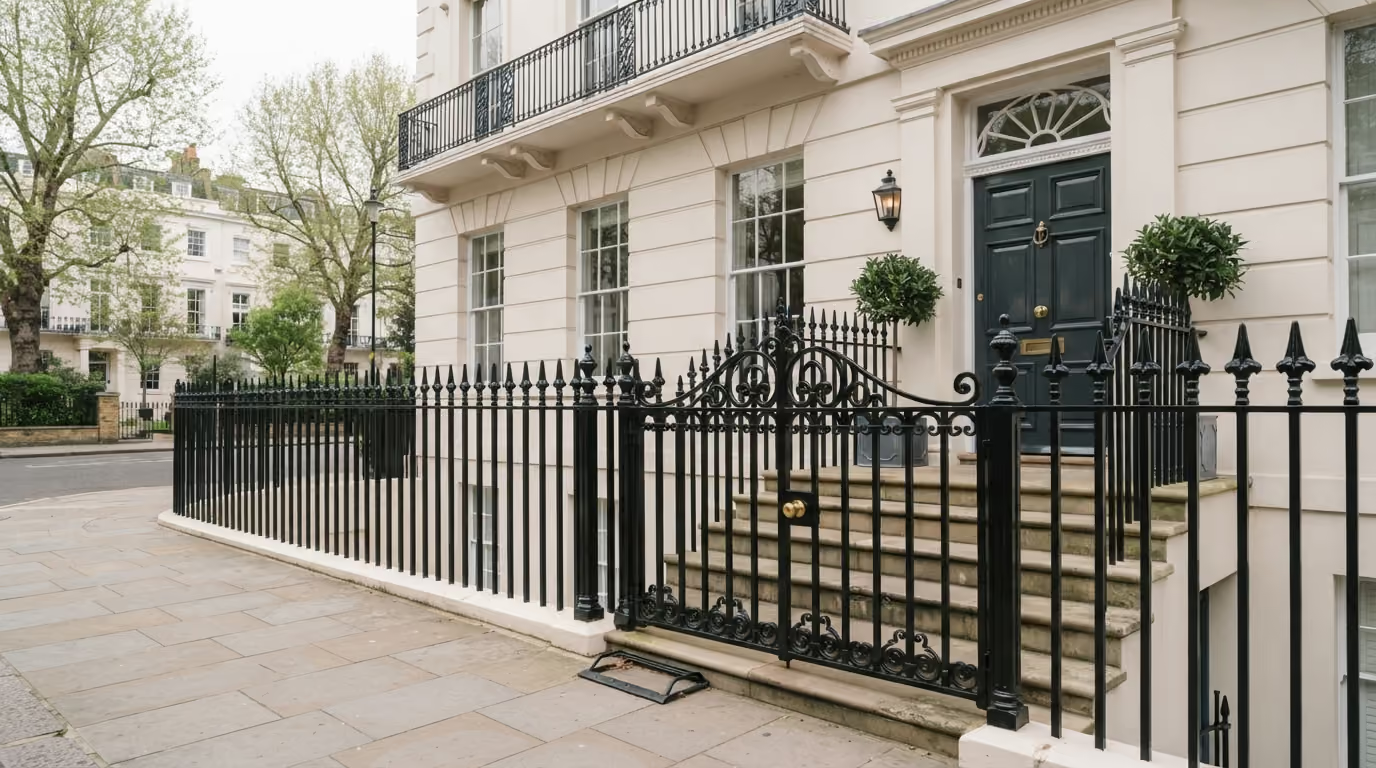
Ironwork is a major part of many Notting Hill exteriors. Railings and gates frame the entrance and often create contrast against pale stucco or brick. They are also one of the areas where poor preparation shows quickly.
Rust often appears at:
Rust cannot simply be painted over. It needs to be removed or treated properly, then primed with the right system before top coats are applied. If this step is skipped, rust can push through the new paint and spoil the finish quickly.
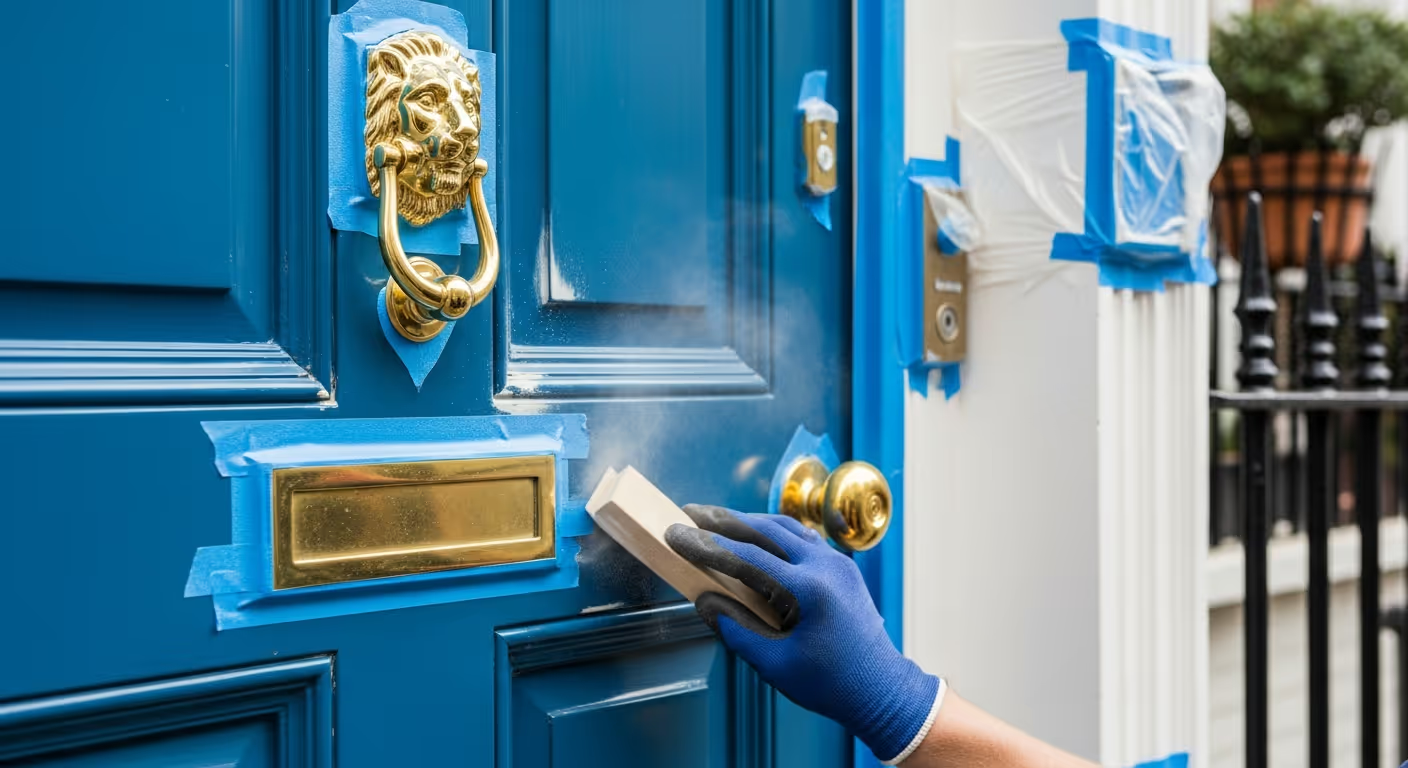
Windows and front doors are some of the most visible parts of a Notting Hill exterior. They are also the parts people see and touch up close. Good joinery painting requires more than a quick top coat.
Before repainting windows and doors, check for:
A freshly painted facade with tired windows still looks unfinished. A good exterior plan should include the joinery, especially where it forms part of the street facing elevation.
Once the surface condition and repair scope are clear, colour becomes much easier to decide. Notting Hill can take a little more personality than some London areas, especially on front doors, but the best exteriors still respect the architecture and the street.
For main facades, strong options often include:
For railings and ironwork, classic choices include:
For front doors, Notting Hill homes can often carry:
The safest method is to test colours on the actual exterior. A colour can look very different in shade, in sun, and beside railings or stone.
Older exterior surfaces often need to release moisture. If a dense coating traps moisture behind the surface, the paint can blister, peel, or fail earlier than expected. This is especially important on period stucco, render, and painted masonry.
A suitable paint system should be chosen based on:
The cheapest paint system is not always the cheapest long term decision. A suitable system costs less than repainting early because the wrong coating failed.
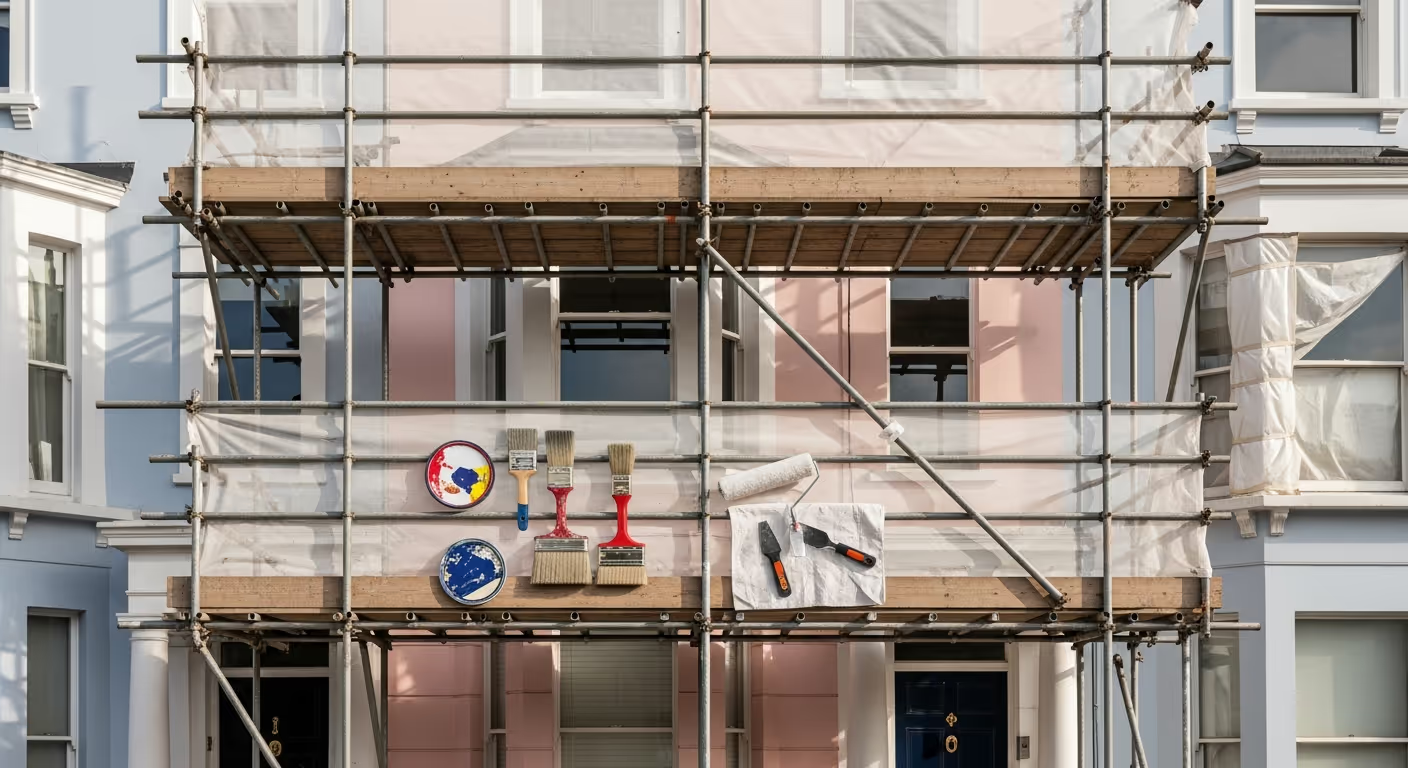
Exterior painting often depends on safe access. Some Notting Hill facades can be reached with simpler access. Others need scaffold, especially where upper floors, railings, basement drops, or detailed repairs are involved.
Access planning should consider:
Timing matters too. Exterior work should not be rushed through poor weather. Rain, high wind, strong direct sun, and cold conditions can all affect preparation and coating stages. A calm schedule usually gives a better finish.
Not every exterior needs immediate repainting. The decision depends on how far the surface has aged and whether early failure is beginning.
The repaint may be able to wait if:
The repaint should be planned soon if:
The best time to act is before small issues spread. Early preparation is usually easier than late repair.
Most exterior failures are not mysterious. They usually come from missed preparation, active water, poor surface checks, or the wrong system for the building.
How do I know if my Notting Hill exterior needs repainting? Look for chalking, peeling, cracking, staining, rust, and tired joinery. If several signs are present, it is time for a survey.
Can I repaint only the front door and railings? Yes, if the main facade is still sound. A front door and railing refresh can lift the entrance, but it should still be planned with the facade colours.
Should brick always be painted if the stucco is painted? No. It depends on the property and the existing condition. Painting brick changes how it handles moisture, so it should be assessed first.
Can exterior work happen while the home is occupied? Usually yes. With proper access, protection, and communication, most exterior projects can be carried out while the home is lived in.
We carry out exterior and heritage painting across Prime Central London, including Notting Hill, Kensington, Chelsea, Belgravia, Knightsbridge, and Westminster. Many of these projects include stucco, brickwork, railings, front doors, windows, and detailed period features where careful preparation is the key to a lasting finish.
Planning an exterior repaint for your Notting Hill home? Send photos of the facade, including close ups of cracks, peeling, stains, railings, windows, and the front door. We can help identify the main issues, advise what should be repaired before painting, and plan a finish that protects the property while keeping the exterior calm and refined. To begin, request a site visit and we will arrange a time that suits you.
Tell us a few details about your project and our team will review the enquiry and come back to you within one working day.