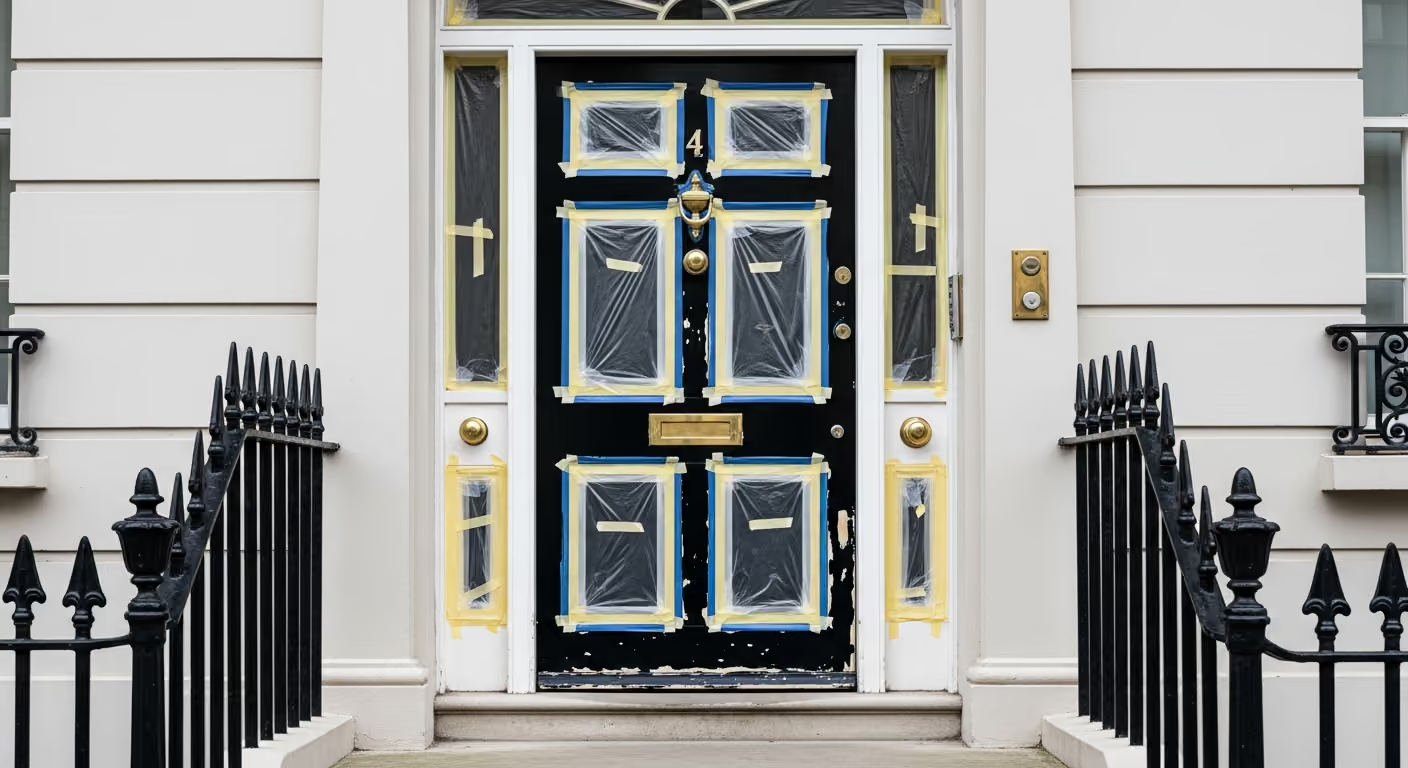
Planning a Chelsea front door repaint? This guide explains how to assess the existing condition, choose a colour that suits the facade and railings, and plan the preparation, primer, sheen, hardware, and timing for a refined exterior finish.
The practical answer: A Chelsea front door repaint is worth planning carefully because the door is one of the most visible parts of the home. The best result comes from proper preparation, repair of chips and cracks, careful sanding, suitable primer, and a colour that works with the facade, railings, stone, and street setting. A front door can be refreshed on its own, but it should still be planned as part of the wider exterior. For a more complete exterior finish plan, see our exterior and heritage painting service.
A front door can change the whole impression of a Chelsea townhouse. It is the first detail guests see up close, the part of the exterior that is touched every day, and often the one feature where the homeowner can introduce a little more personality. A beautifully painted front door can make the entrance feel calm, confident, and well cared for. A tired door can make even a good facade feel neglected.
Repainting a front door may sound simple, but a high end finish depends on much more than colour. The old coating needs to be checked. Chips, dents, cracks, and open joints need attention. Hardware should be removed or protected properly. The right primer and top coat system should be used. The colour should work with the facade, railings, steps, fanlight, and neighbouring properties.
This guide explains how to repaint a Chelsea front door properly, when a simple refresh is enough, when deeper preparation is needed, and how to choose a colour that suits a period home without feeling predictable.
The front door is a small surface compared with the whole facade, but it carries a lot of visual weight. It gives the home its first note of character. It also has to perform well because it is used constantly.
A Chelsea front door often sits among:
That means the door colour and finish cannot be chosen in isolation. A colour that looks beautiful on a sample may feel wrong beside pale stucco, aged stone, or railings. The best front doors look individual, but still belong to the building.
Before choosing colour, check the door properly. A front door is exposed to rain, sun, daily handling, keys, bags, deliveries, and changes in temperature. The existing paint may look acceptable from a distance but show problems close up.
Look for:
This condition check decides how much preparation is needed. A door with sound existing paint may only need careful sanding, spot repair, priming, and repainting. A door with failing coatings or timber issues needs more detailed work before the final finish is applied.
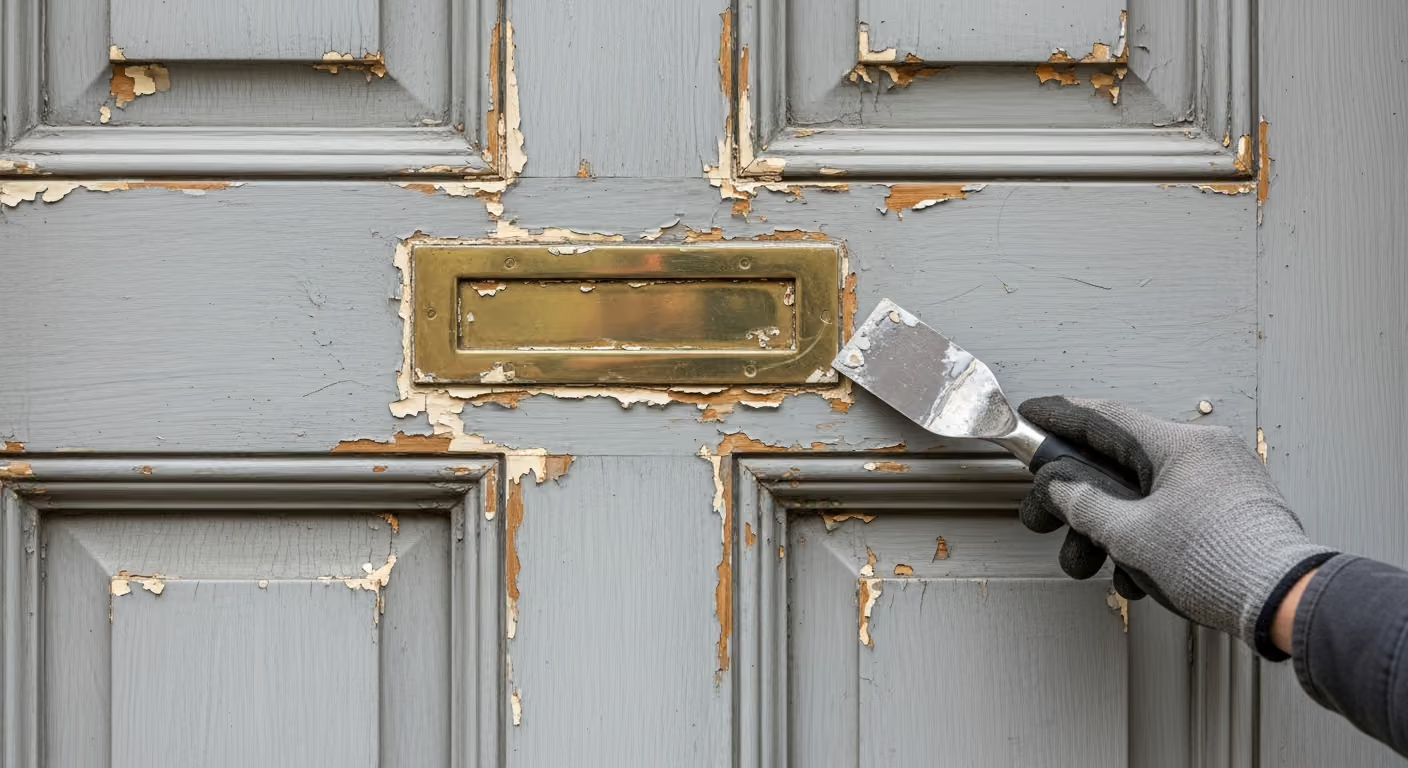
The final coat is only as good as the surface below it. A glossy or smooth front door finish will show dents, ridges, old brush marks, dust, and poor filling. This is why preparation is often the most important part of the job.
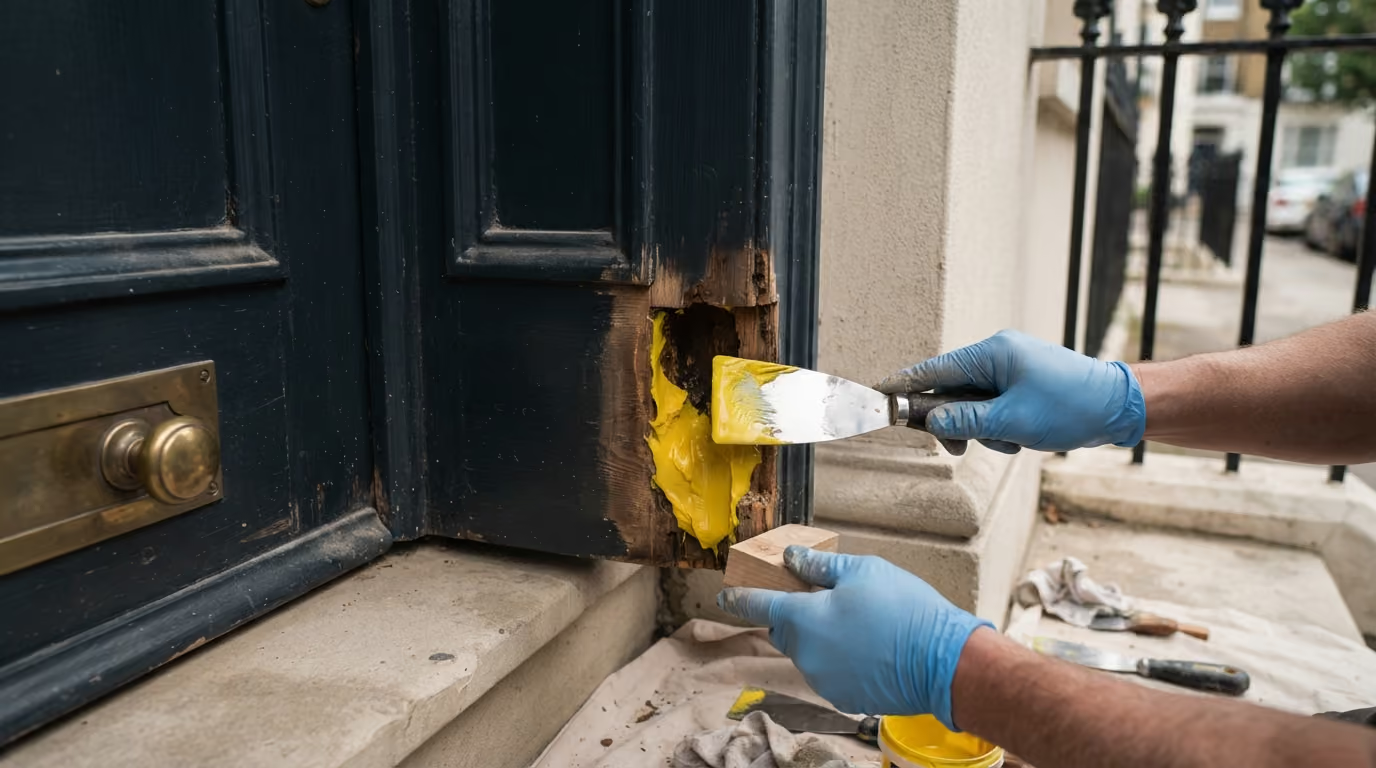
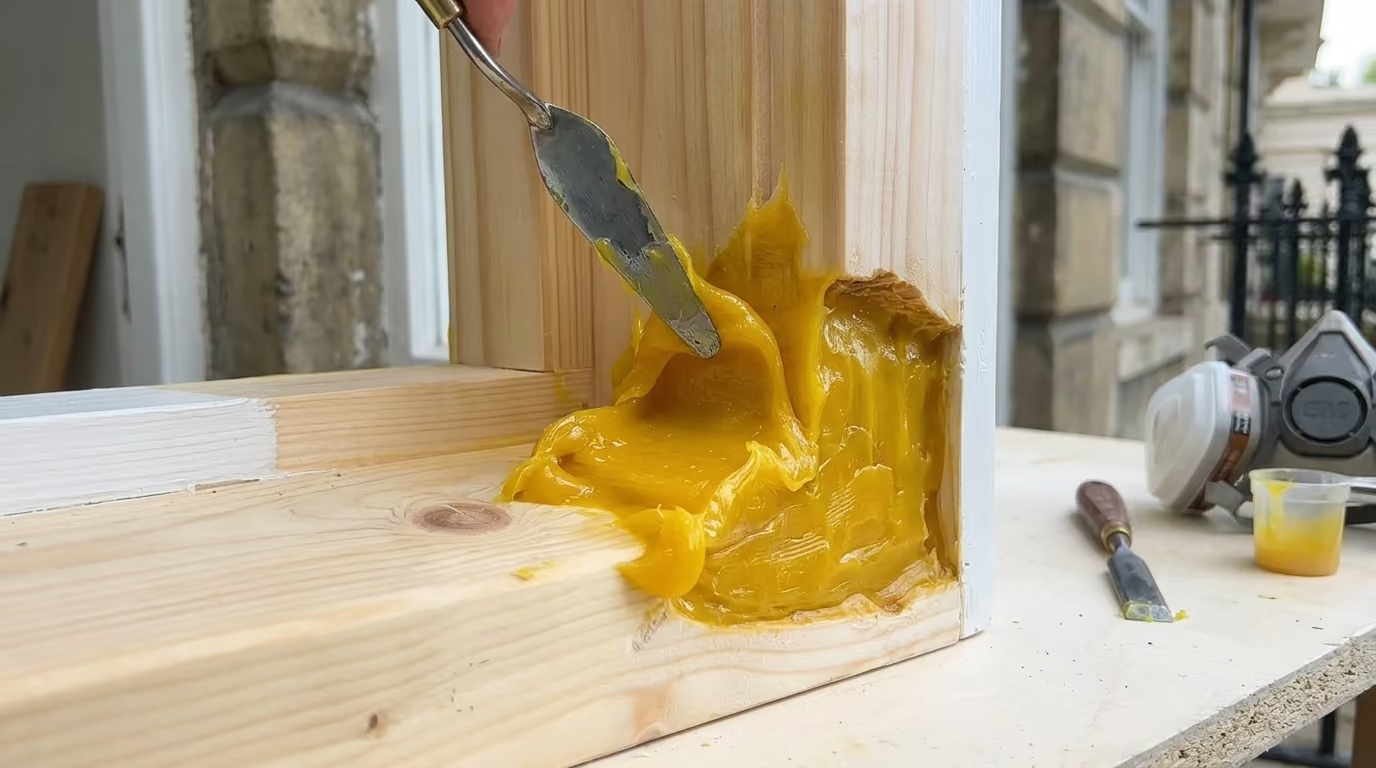
Good preparation may include:
Preparation should not flatten the character of a period door. The aim is to create a smooth, stable surface while keeping the original profile clear. Heavy paint build can make old panel details look soft and tired, so careful sanding is often needed before repainting.
Many front doors can be painted in place, especially when the work is a refresh rather than a full restoration. This is often more practical for occupied Chelsea homes. However, some doors benefit from being removed or partly disassembled if deeper work is needed.
Painting in place can work well when:
More detailed workshop style preparation may be considered when:
The right approach depends on the door condition, security needs, and the finish standard required.
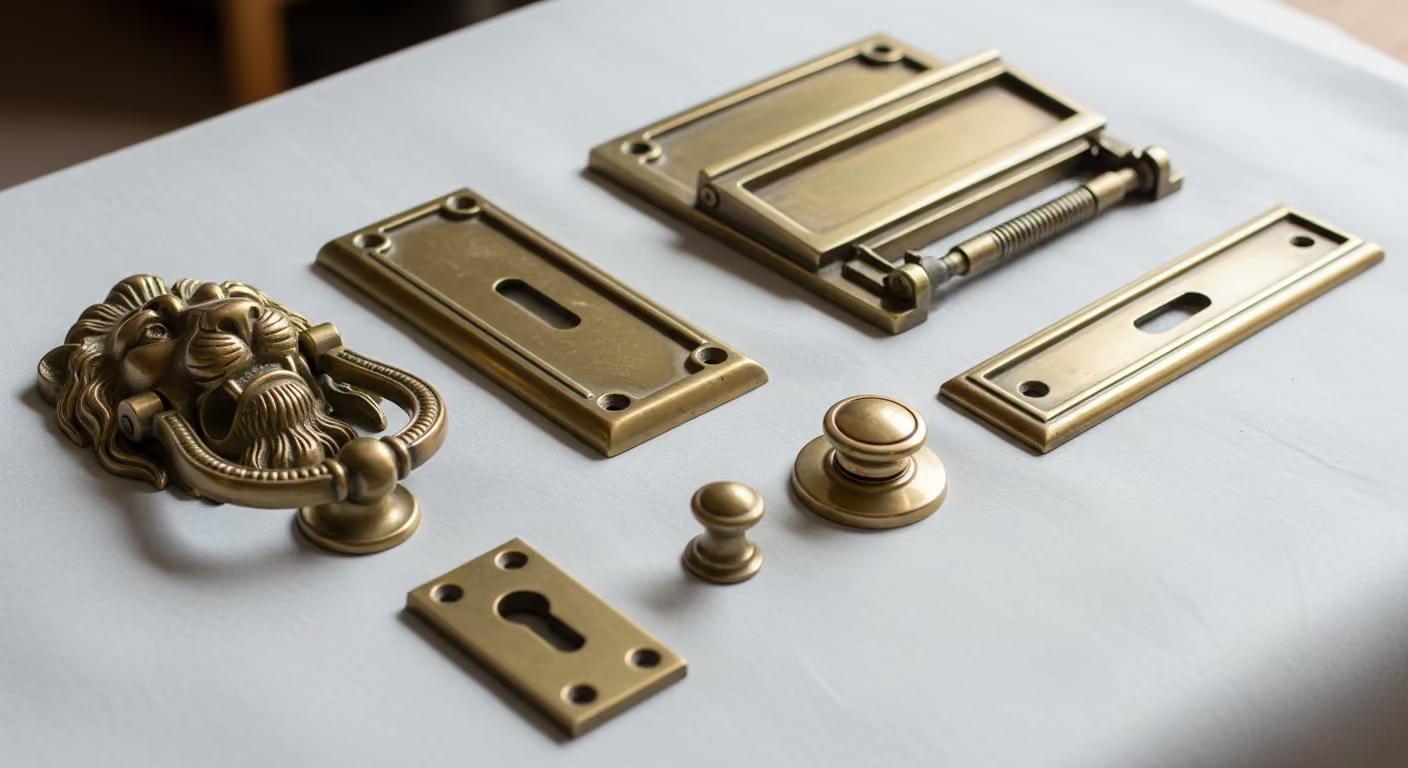
Handles, knockers, letter plates, locks, escutcheons, bells, and house numbers all affect the finished look. If hardware is scratched, tarnished, badly placed, or painted around poorly, the new door finish will not feel complete.
Before repainting, decide whether hardware should be:
Good hardware can make a simple colour feel more considered. A deep green door with aged brass has a very different mood from the same door with polished chrome. A near black door with bronze or black hardware can feel understated and sharp. The hardware should support the door colour, not fight it.
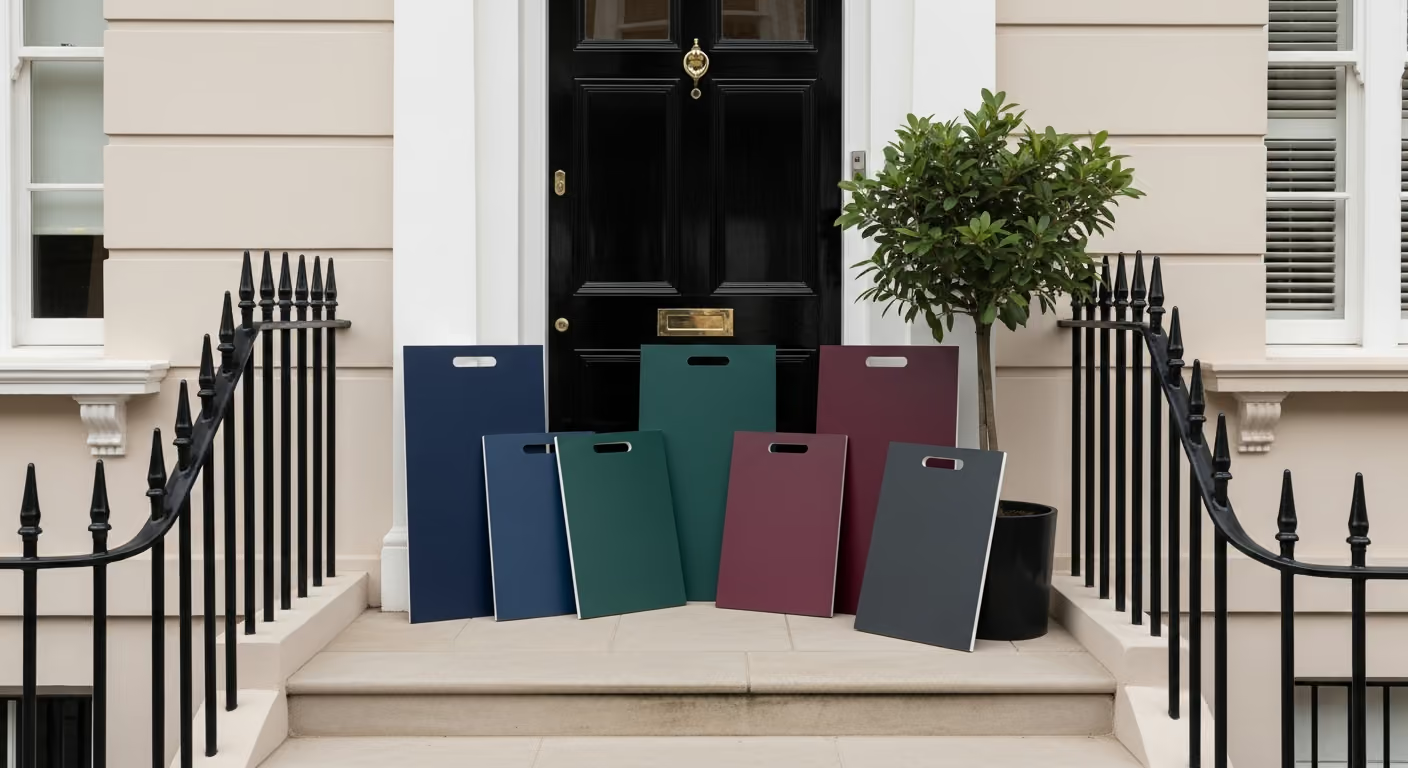
Chelsea front doors can carry more depth and character than many other exterior surfaces. The main facade may need to stay calm and restrained, but the door can often be richer. The best colour still needs to suit the architecture and street.
Strong colour directions include:
Very bright or fashionable colours can look exciting at first, but they may not age well. A front door should feel personal, but not temporary. Muted depth usually works better than novelty.
The same door colour can look very different depending on the facade. A deep green may look perfect against warm off white stucco but too flat against cooler stone. A blue black may look crisp beside pale brick but harsh beside cream render.
Before choosing, compare the colour against:
Testing the colour on or near the actual door is far safer than choosing from a small interior sample. Exterior light changes everything. A colour may look elegant indoors and much brighter outside.
Sheen changes the character of a front door. A high gloss door can look classic and formal, but it demands excellent preparation because it shows every surface flaw. A satin or softer sheen can feel more understated and may be more forgiving, while still looking refined.
When choosing sheen, consider:
A very glossy door can be beautiful, but only if the preparation is good enough. If the door has age, slight movement, or historic texture, a more controlled sheen may look better and feel more appropriate.
A front door repaint should not stop at the central face of the door. Edges, frames, thresholds, and surrounding trim are all part of the entrance. If these areas are tired, the finished result will look incomplete.
Important details include:
The lower part of the door is especially important. Splashback, rain, and daily contact often cause early wear here. Good preparation and coating at the bottom edge can help the finish last longer.
Sometimes a front door repaint is enough. In other cases, the railings or gate need attention too. A perfect front door beside rusty or faded railings can look unfinished.
Check the railings for:
If railings need work, they should be prepared properly. Rust must be removed or treated, then primed and finished with a suitable exterior metal system. Painting over rust is rarely a lasting answer.
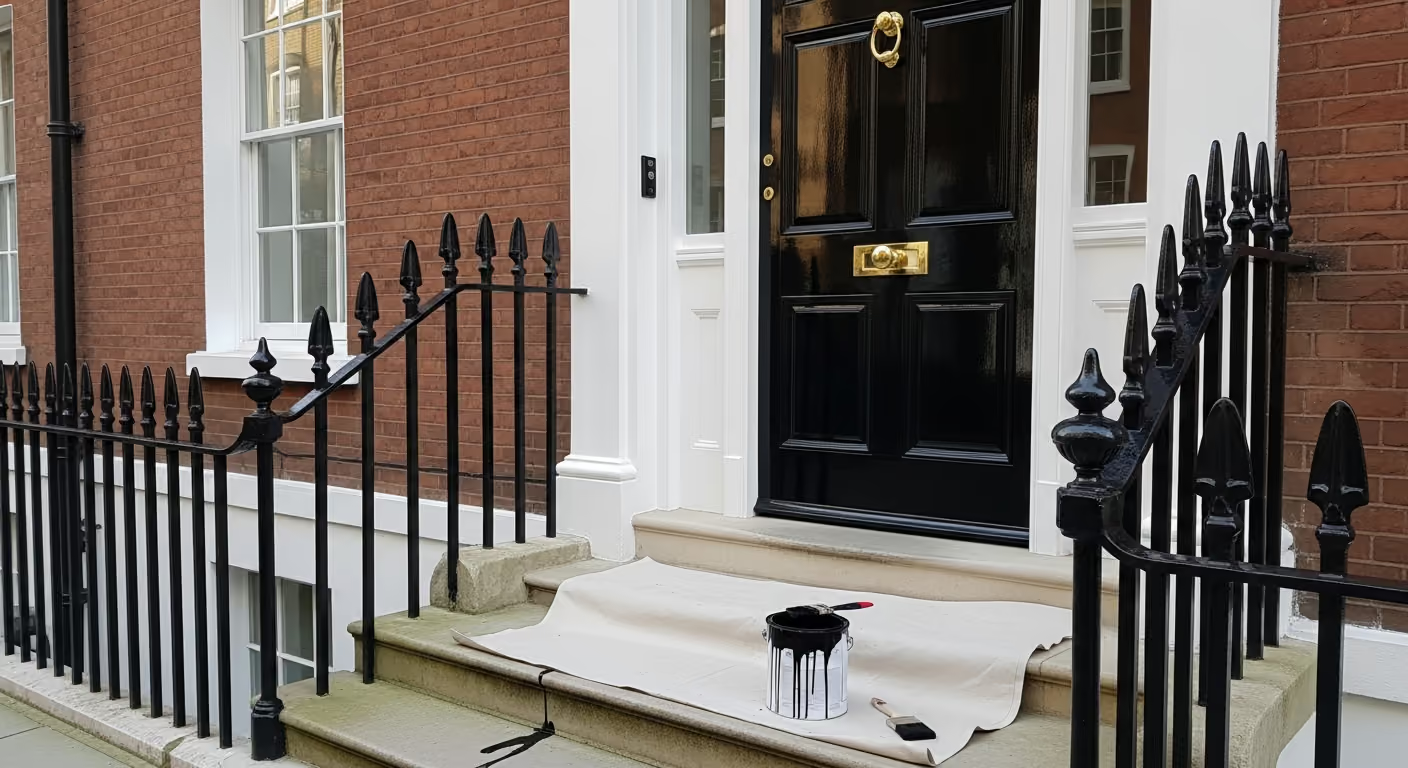
Exterior door painting needs suitable weather. Rain, high humidity, strong direct sun, cold conditions, and wind can all affect drying, adhesion, and finish quality. The door also needs to remain secure and usable, so timing must be practical.
Good scheduling considers:
Rushing a front door repaint because the schedule is tight can spoil the result. The door needs enough time for each stage to cure properly before hardware is refitted and normal use resumes.
A good front door repaint can last well when the preparation, paint system, and maintenance are right. Longevity depends on exposure, daily use, colour depth, sheen, and the condition of the timber below.
The finish will usually last longer when:
Small chips should be addressed early. Once water enters exposed timber, the repair can become more involved. Light maintenance is easier than waiting until the coating fails.
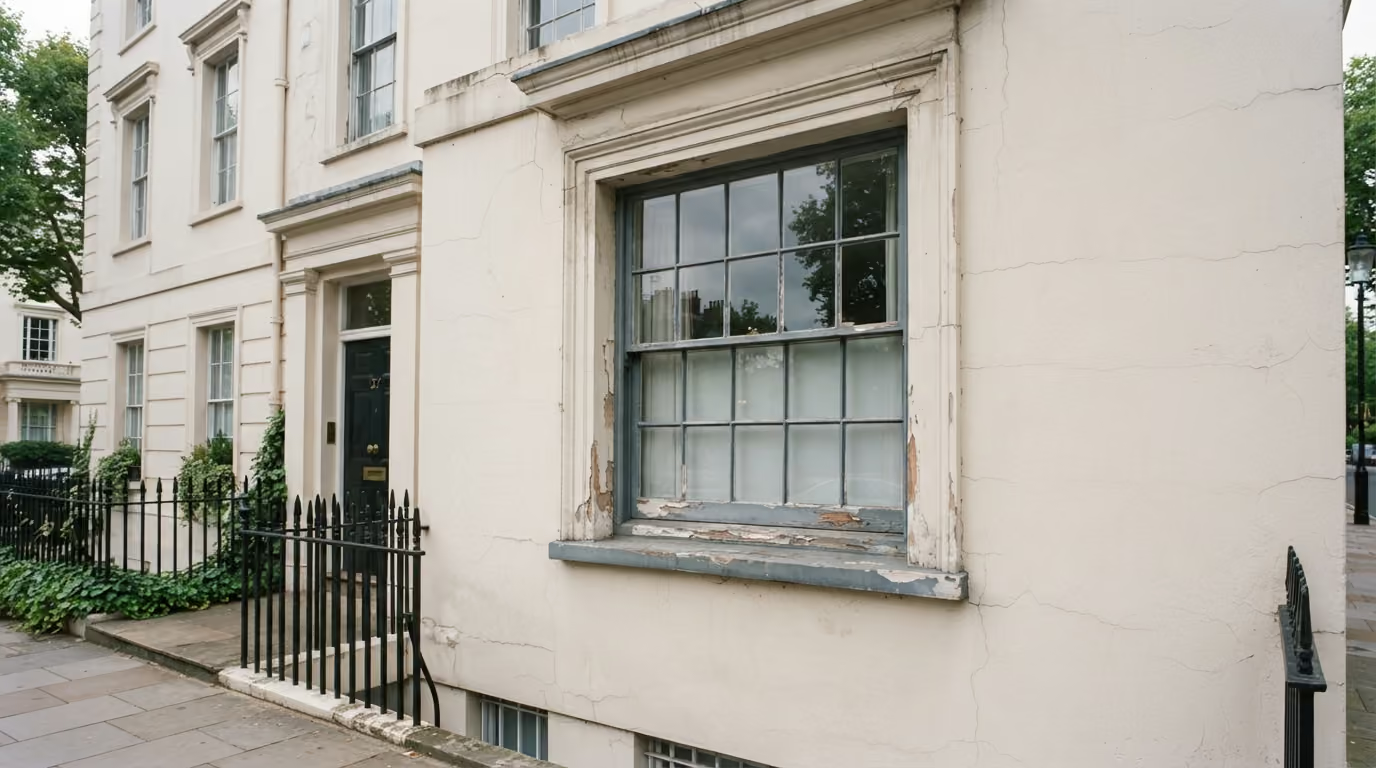
Sometimes the front door is the only tired part of the exterior. Other times, repainting the door highlights issues elsewhere. If the facade is chalky, railings are rusty, windows are peeling, or stonework is stained, it may be better to plan a wider exterior refresh.
A full exterior plan may make sense when:
In that case, the door colour should be chosen as part of the complete scheme. The facade, railings, joinery, steps, and door should feel like one composition.
A front door repaint looks simple from the pavement, but the best results come from patient preparation and controlled detailing.
Can I repaint only the front door? Yes, if the facade, railings, and surrounding trim are still in good condition. The colour should still be chosen to work with the full exterior.
What colour is best for a Chelsea front door? Deep green, near black, charcoal, dark blue, and muted heritage tones often work well. The best choice depends on the facade, railings, hardware, and street setting.
Should a front door be gloss? Gloss can look beautiful, but it needs excellent preparation. A softer sheen may be better if the door has age, texture, or slight surface movement.
Should hardware be removed before painting? Where possible, yes. Removing hardware usually gives a cleaner finish than cutting around it. If it cannot be removed, it should be protected carefully.
We carry out exterior and heritage painting across Prime Central London, including Chelsea, Kensington, Belgravia, Notting Hill, Knightsbridge, and Westminster. Many of these projects include front doors, windows, railings, painted stucco, brickwork, and period exterior details where preparation and colour planning make a visible difference.
Planning a Chelsea front door repaint? Send a few photos of the door, including the full entrance, close ups of chips or peeling, the hardware, railings, and facade colour. We can help assess the preparation needed, advise on suitable colour and sheen, and plan a finish that makes the entrance feel refined, well cared for, and right for the property. To begin, request a site visit and we will arrange a time that suits you.
Tell us a few details about your project and our team will review the enquiry and come back to you within one working day.