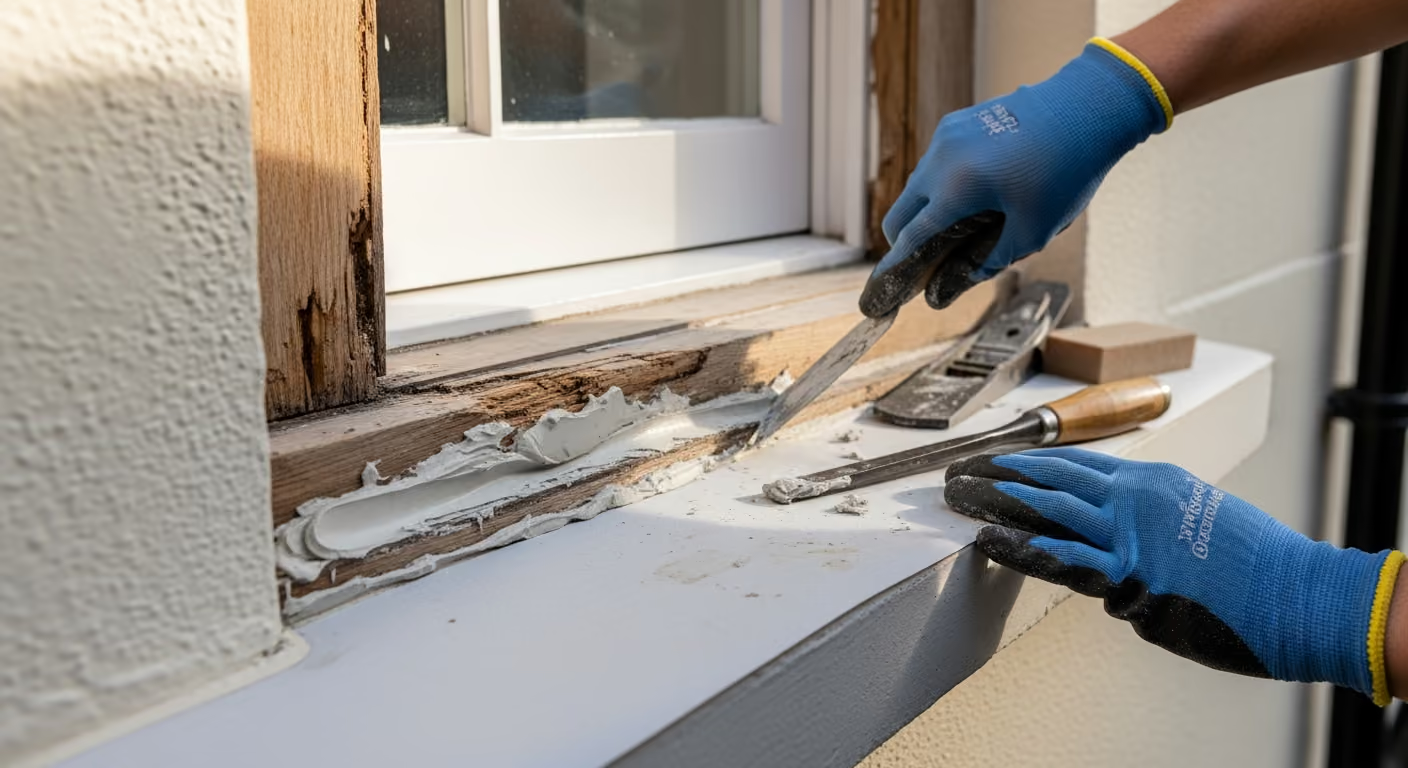
Rotten sash windows do not always need full replacement. This guide explains how Repair Care timber repairs work, when damaged sections can be restored, why ordinary filler is often not enough, and how trained repairs help preserve period exterior woodwork before repainting.
The practical answer: Rotten sash windows do not always need to be replaced. If the surrounding timber is structurally sound and the decay is limited to specific areas, damaged sections can often be removed and rebuilt using the Repair Care timber repair system. This allows more of the original joinery to be retained while creating a stable surface that can be sanded and repainted. Bellefair is trained and certified to carry out Repair Care repairs as part of our exterior and heritage painting service.
Discovering rot in a sash window can make replacement feel inevitable. A sill may feel soft beneath the paint. A lower corner may be cracking. Paint may keep peeling from the same area, even after previous decoration. From the outside, the damage can look serious enough to suggest that the entire window needs to be removed.
In many Chelsea, Kensington, Belgravia, Notting Hill, Knightsbridge, and Westminster homes, replacement is not always the only option. Period windows were often made from good quality timber and form an important part of the building’s character. When the decay is localised, a professional timber repair can preserve much more of the original joinery.
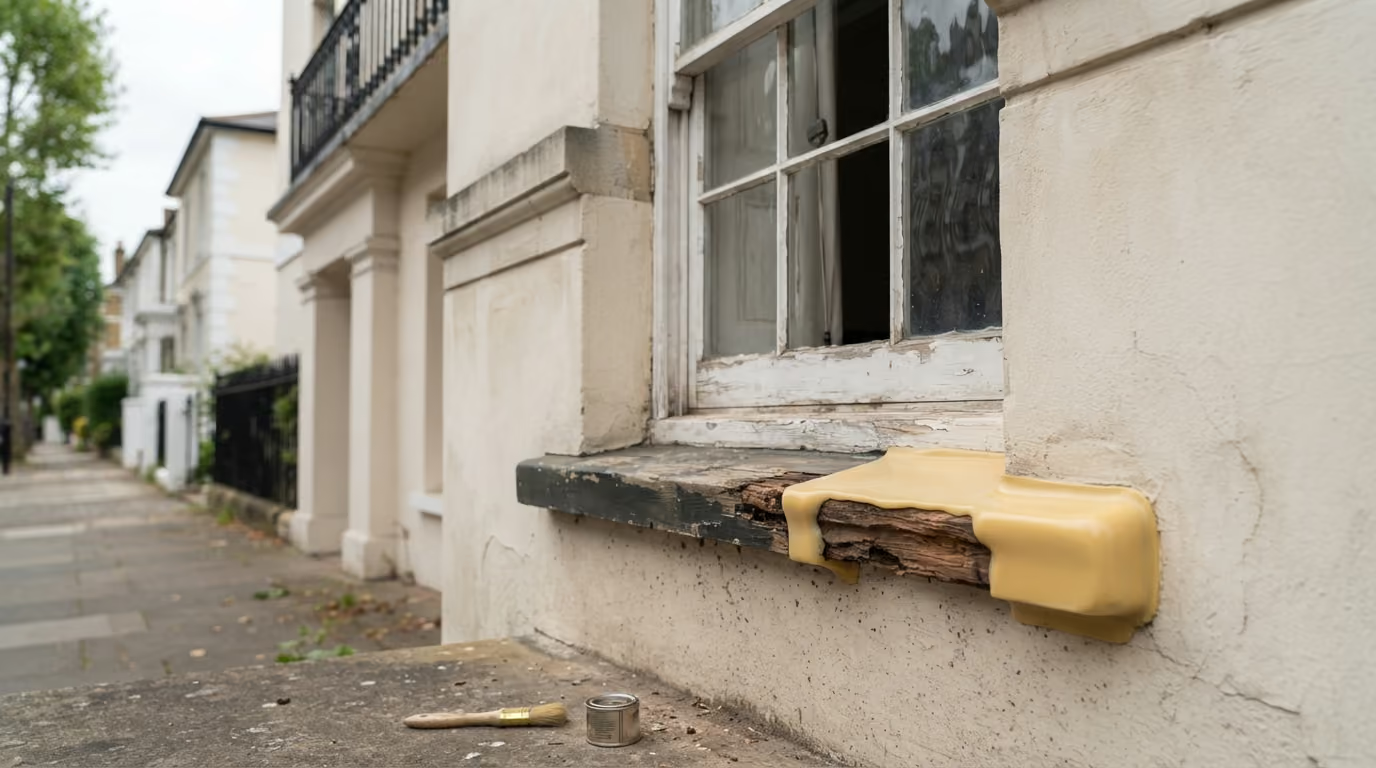
Repair Care is a specialist system used to repair decayed and damaged wood. Rather than covering rot with ordinary filler, the damaged timber is assessed, unstable material is removed, and the affected section is rebuilt using products designed for professional timber restoration. The repaired area can then be shaped, sanded, primed, and painted as part of the wider exterior decoration.
This guide explains when a rotten sash window can be repaired, how the Repair Care process works, why ordinary filler is often not enough, and when replacing part or all of the window may still be the better decision.
Timber decay usually begins when moisture repeatedly enters the wood and cannot escape quickly enough. Paint protects exterior joinery, but once that protective coating cracks or opens, water can reach the timber beneath.
Common causes include:
The visible damage is often only part of the story. Peeling paint may indicate moisture beneath the coating. A small crack may lead into a larger soft section. This is why the area needs to be inspected rather than simply sanded and painted over.
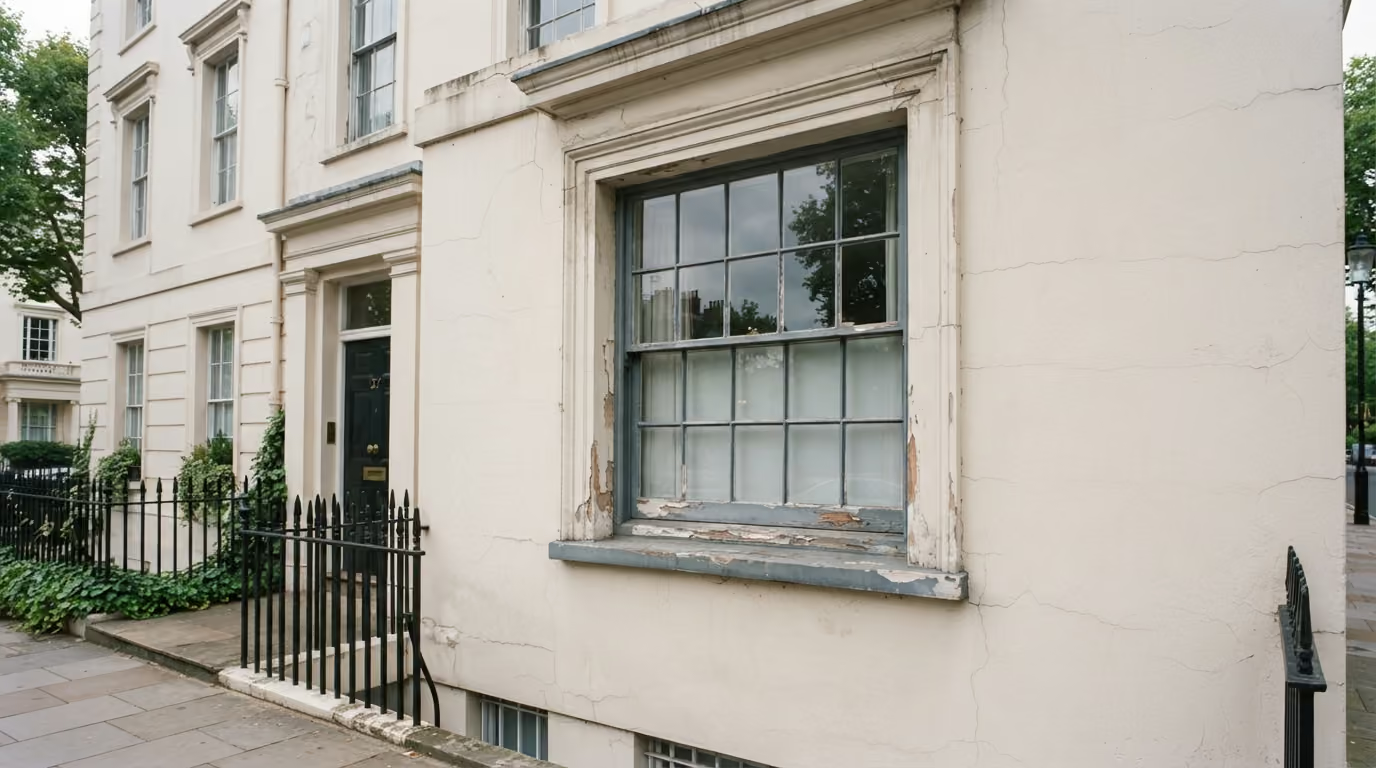
Wood rot does not always appear as an obvious hole. Early signs can be subtle, especially when several layers of paint cover the joinery.
Look for:
Lower sections are often affected first because they receive more rain and hold water for longer. Sills, bottom rails, joints, and lower frame corners deserve particular attention during an exterior inspection.
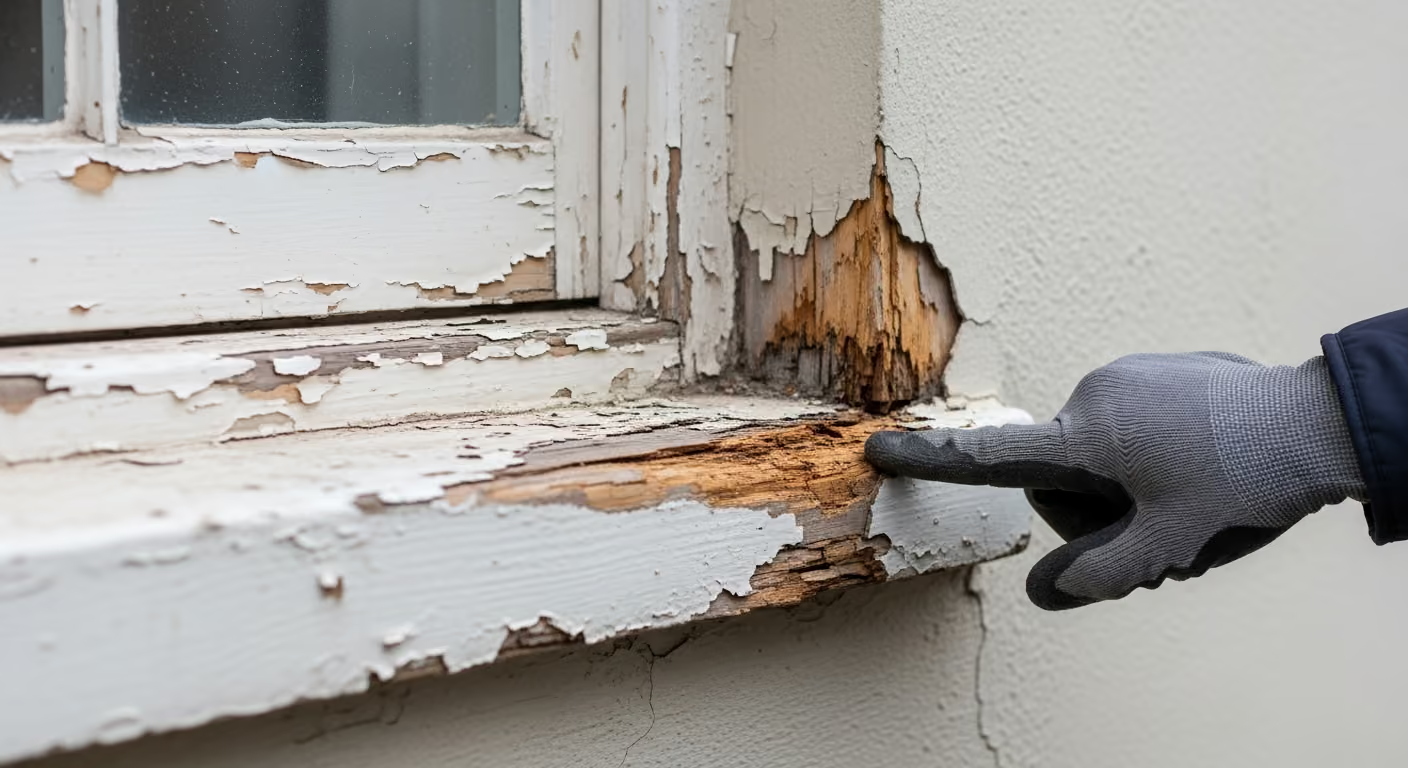
In many cases, yes. The decision depends on the location and extent of the decay, the condition of the surrounding timber, and whether the window still functions properly.
A repair may be suitable when:
Repair is particularly valuable in period properties where the window proportions, glazing bars, profiles, and timber details contribute to the architectural character. Retaining sound original material can often produce a more sympathetic result than replacing the whole unit unnecessarily.
However, repair is not automatically the right answer. If decay has spread through most of the frame, the window is badly distorted, or the joinery no longer operates safely, partial or complete replacement may be more appropriate.
Repair Care is a professional timber restoration system designed for repairing and maintaining decayed or damaged wood. Its repair compounds are used with a defined preparation process so that unstable timber is removed and the repair is bonded to a suitable surface.
The system is commonly used on exterior joinery such as:
The aim is not to hide damaged wood beneath a surface filler. The aim is to remove the decay, establish a stable repair area, rebuild the missing section, and prepare it for a new protective paint system.
It is common to find previous repairs made with basic filler. These may look acceptable when first painted, but they can crack, shrink, separate from the timber, or allow water to return around the edges.
Exterior timber naturally responds to temperature and moisture. It expands and contracts throughout the year. A repair material that behaves very differently from the surrounding wood may struggle at the joint between the two surfaces.
Ordinary filler can also be used incorrectly over timber that is still soft or damp. In that situation, the visible hole may be covered, but the cause of the failure remains. Moisture continues to affect the wood beneath the repair, and the paint may begin to crack again.
A professional Repair Care repair involves much more than filling a visible defect. The damaged timber is investigated, decay is removed, moisture is considered, and the repair is shaped as part of a complete system.
The exact method depends on the window and the scale of the damage, but a professional repair normally follows a clear sequence.
The first step is to identify how far the decay extends. Paint may need to be removed around the area so the timber can be examined properly. The visible defect should not be treated as the full boundary of the problem.
The inspection also looks for the original source of moisture. This may involve failed paint, an open joint, damaged putty, poor drainage, or water entering from another part of the window.
Soft and unstable wood is removed until a sound repair surface is reached. Applying a repair compound over active decay would leave a weak base and increase the risk of future failure.
The goal is to retain as much healthy original timber as possible while removing material that can no longer support a durable repair.
The timber must be suitable for repair. Moisture levels, open joints, and nearby defects need to be considered before the repair material is applied.
If an active leak, failed seal, or drainage problem is present, that issue must also be addressed. Rebuilding the timber without correcting the water path would leave the repair exposed to the same cause of damage.
The sound timber is prepared according to the Repair Care method. The correct bonding product is used where required so the repair compound can connect properly with the existing wood.
The damaged area is rebuilt using a suitable Repair Care compound. The material can be shaped to recreate the original sill, frame, edge, corner, or moulded profile.
For larger repairs, the method may include inserting a new timber section as part of the repair. This allows extensive localised damage to be addressed without automatically replacing the entire window.
Once cured, the repair is shaped and sanded so it follows the original joinery. The edges should blend into the surrounding timber, and important profiles should remain crisp.
The objective is not merely to close the damaged area. The repair should restore the correct form of the window so water can run away and the finished paintwork looks controlled.
The repaired joinery is then prepared for decoration. Bare timber, repaired sections, surrounding paintwork, joints, glazing details, and edges are treated as part of the wider exterior painting system.
A durable repair still needs a suitable protective coating. The paint system helps shield the timber and repaired area from moisture and weather after the restoration is complete.
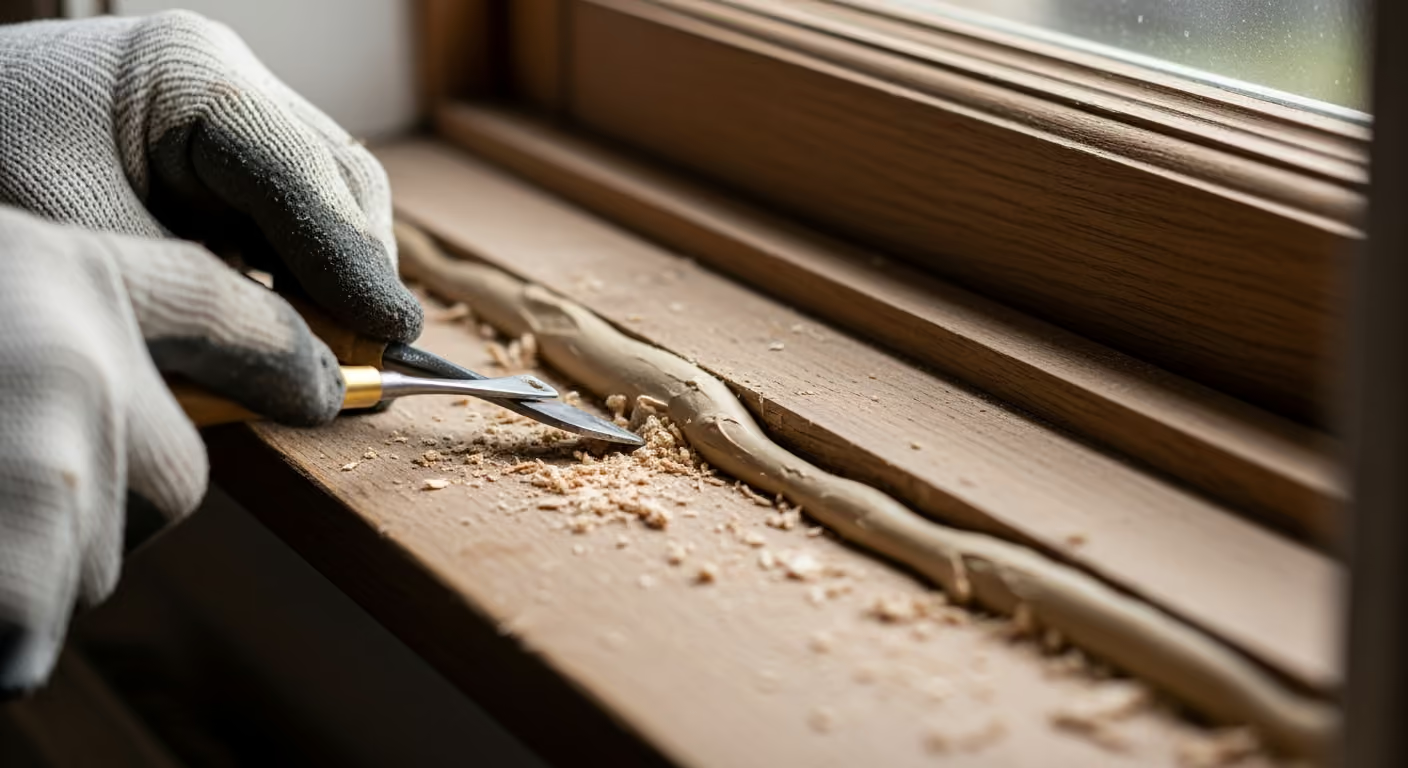
Repair Care is not simply a product that should be applied like general purpose filler. The system includes methods for identifying decay, preparing timber, choosing the correct repair approach, applying the products, and preventing the same failure from returning.
Bellefair is trained and certified in the Repair Care system. This means our team can assess damaged exterior woodwork and carry out repairs using the recognised preparation and application process before completing the exterior decoration.
For homeowners, this provides greater confidence that the repair is being treated as a technical part of the project rather than a cosmetic patch hidden beneath new paint.
Replacing an entire sash window because of one rotten sill corner can remove a large amount of timber that is still perfectly sound. Where repair is appropriate, keeping the original joinery has several advantages.
Repair can help:
This is particularly relevant in heritage properties where modern replacement joinery may not match the original detail. A well planned local repair can protect both the fabric and appearance of the building.
Repair Care offers a valuable way to preserve timber, but not every window should be repaired. A responsible inspection should also recognise when replacement is the better route.
Replacement or major joinery work may be needed when:
In some cases, only one component needs replacement. A sill, lower rail, or small timber section may be renewed while the rest of the original window is retained. The decision should be based on condition rather than a fixed rule.
Exterior painting should never be used to disguise active timber decay. If soft wood is simply filled lightly and painted, the new finish may look good at first but fail again as moisture and movement continue beneath it.
Before exterior decoration begins, timber windows should be checked for:
Completing the repairs first gives the new paint system a stable base. It also prevents a freshly painted facade from being spoiled by window defects that return soon afterwards.
Yes. The same principles can be applied to suitable areas of damaged exterior doors and frames. Lower door sections, thresholds, frame corners, and joints can all suffer from water exposure and repeated wear.
As with windows, the damage needs to be inspected properly. Localised decay may be repairable, while widespread structural damage may require joinery replacement.
A repaired exterior door can then be prepared and repainted as part of the entrance scheme, including the frame, threshold, hardware, and surrounding exterior details.
A good repair addresses the damaged section, but future maintenance still matters. Timber windows remain exposed to London weather, so their protective coating and water shedding details need to be kept in good condition.
Helpful maintenance includes:
Exterior maintenance is usually easier and less costly when problems are found early. A small open joint can often be addressed before it develops into a larger section of decay.
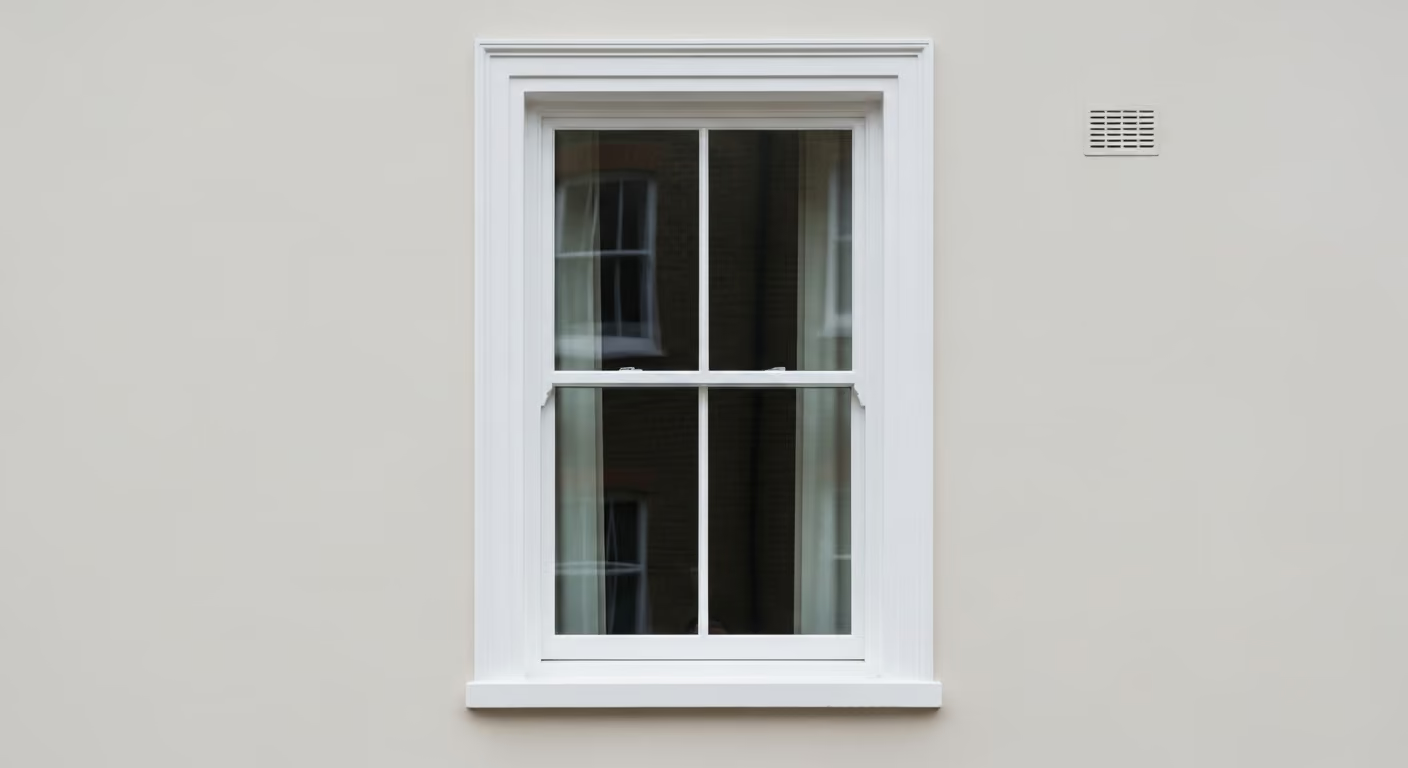
The most important step is diagnosis. Once the cause and extent of the damage are understood, the right balance between repair, partial replacement, and decoration becomes much clearer.
Can a rotten sash window sill be repaired? Often, yes. If the decay is localised and the surrounding timber remains sound, the damaged section may be removed and rebuilt using the Repair Care system.
Will the repair be visible after painting? A properly shaped, sanded, and painted repair should blend into the surrounding joinery. The quality of preparation and profile matching is important.
Is Repair Care the same as wood filler? No. It is a professional timber repair system with specific products and working methods for assessing, preparing, rebuilding, and finishing damaged wood.
Does the whole window need replacing if one corner is rotten? Not necessarily. Localised damage can often be repaired while the sound original timber is retained.
Can the repaired window be painted afterwards? Yes. Once the repair has cured and been prepared correctly, it can be primed and painted as part of the exterior decoration.
Can Repair Care be used on listed or period properties? Timber repair can be especially useful where retaining original joinery is important. Any listed building requirements and permissions should still be considered before work begins.
We carry out Repair Care timber repairs and exterior painting across Prime Central London, including Chelsea, Kensington, Belgravia, Notting Hill, Knightsbridge, and Westminster. Our exterior projects often include sash windows, timber sills, exterior doors, frames, railings, stucco, and other period details that need careful repair before decoration.
Concerned about rotten sash windows or damaged exterior woodwork? Send us photographs of the affected area, including close views of peeling paint, soft timber, open joints, sills, and glazing details. We can assess whether a Repair Care timber repair may be suitable and plan the repair as part of a complete exterior painting project. To begin, request a site visit and we will arrange a time that suits you.
Tell us a few details about your project and our team will review the enquiry and come back to you within one working day.