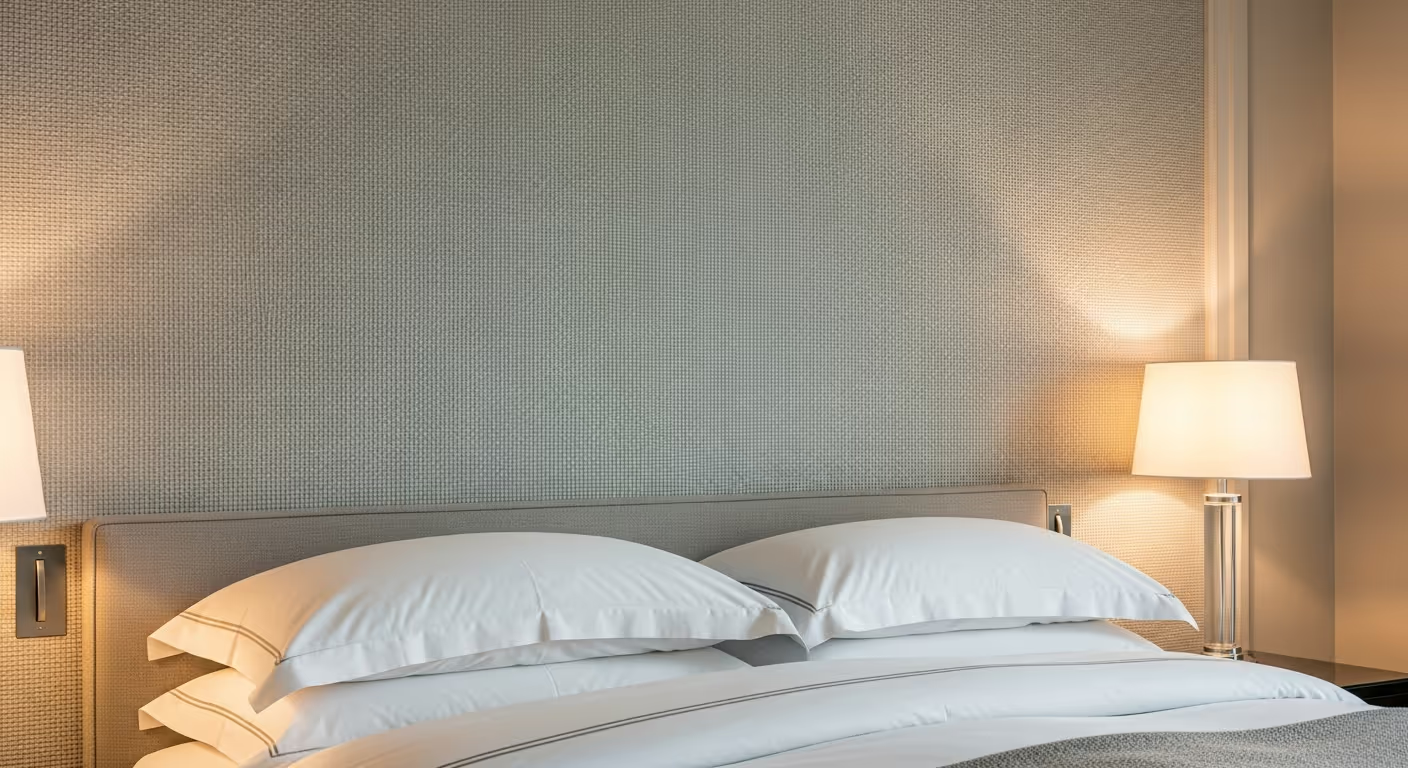
Want a calmer bedroom in Belgravia? This guide explains textile wallcoverings like silk, linen, and grasscloth, how they differ from fabric backed vinyl and upholstered panels, and how to get a clean, high end finish that lasts.
Short answer: Textile wallcoverings (silk, linen, grasscloth, and other natural fibre papers) are a strong choice for Belgravia bedrooms when you want warmth, texture, and a more tailored look than paint. They need careful wall prep and thoughtful seam planning, since natural fibres can show joins more than smooth wallpaper. Fabric backed vinyl is a different product, aimed at heavy duty use, and upholstered wall panels are a padded joinery style finish, not wallpaper. If you want a bedroom finish that looks refined and calm, start with the right category and the right installation plan. For professional installation, see our wallpaper service.
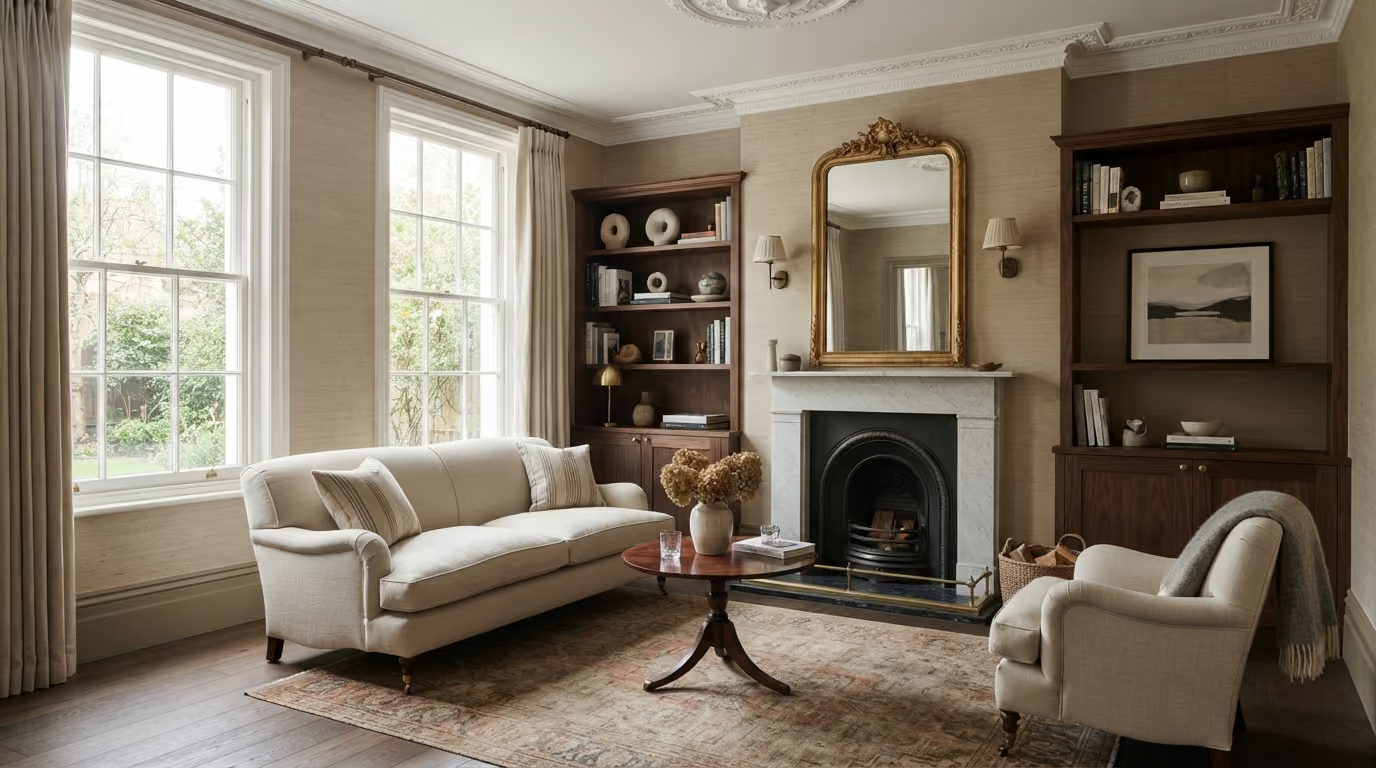
In Belgravia, bedrooms are often treated as quiet rooms, not show rooms. People want softness, better acoustics, and a finish that feels more personal than a flat coat of paint. This is where textile wallcoverings shine. They bring subtle texture that changes with light, they soften hard lines, and they can make a bedroom feel more complete, even with a simple colour palette.
Yet the wording matters. Many people say “fabric wallpaper” and mean several different products. In the trade, these are not the same thing. If the terminology is mixed, it can sound unsure and it can lead to the wrong spec for the room. This guide keeps it clean and clear. We focus mainly on textile wallcoverings for bedrooms, and we separate fabric backed vinyl and upholstered wall panels so you can choose the right approach with confidence.
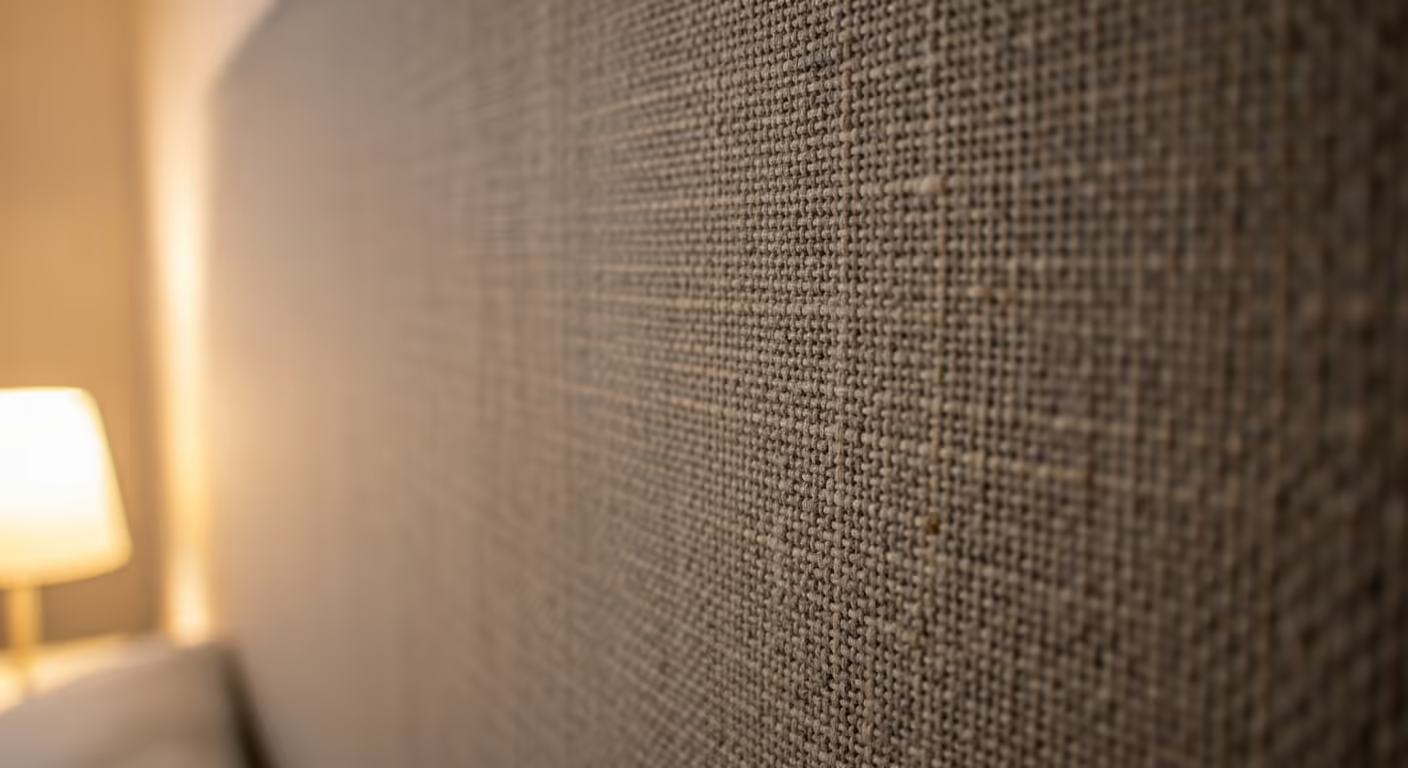
Textile wallcoverings are wallpapers made with natural fibres, woven materials, or textiles as the visible surface. The backing and build varies by brand, but the key point is this. The wall surface you see has a textile look and feel. Common examples include:
These finishes are popular in Belgravia bedrooms because they add depth without needing bold pattern. In many rooms, the texture becomes the “design” while the colour stays simple.
This is where the clarity helps. These next two are valid finishes, but they are not the same as textile wallcoverings.
Fabric backed vinyl is a different product type. It is typically specified where durability and cleaning matter most, often in hospitality, corridors, and commercial settings. The surface is vinyl, and it is built to cope with wear, cleaning, and high traffic. It can look very smart, but it is not chosen for the same reason as textile wallcoverings in a bedroom.
In simple terms, fabric backed vinyl is often about performance first. It can still be tasteful, but the goal is usually wipeability and resilience.
Upholstered wall panels are not wallpaper. They are panels made with a padded layer and fabric stretched over the face, often set into a frame system. They can look stunning behind a headboard, and they can improve acoustics. They also have a different cost and build process. This is closer to joinery and upholstery work than to wallpaper hanging.
For most Belgravia bedrooms, textile wallcoverings are the easiest way to get softness and texture without turning the project into a full joinery package. Upholstered panels can still be a great choice when you want a strong headboard wall feature.
Bedrooms are one of the best places to use textile wallcoverings because the room is lower traffic and the light is often gentle. In Prime Central London homes, bedrooms also tend to have good ceiling height and strong detailing, which textile finishes complement well.
Clients often want the bedroom to feel softer than a hallway or kitchen. Paint can do that with the right colour, but textile wallcoverings add another layer that is hard to copy with a roller.
Many textile wallcoverings include natural variation. Grasscloth is the obvious example. It can have slight shifts in tone and weave, and that is normal. Silk and linen style finishes can also vary a little depending on the run and the light direction.
That variation is part of the charm, but it should be understood at the start. If you want a perfectly uniform wall, a smooth paper or paint may suit you better. If you want a wall that feels alive and tactile, textile wallcoverings are often a better fit.
Textile wallcoverings are honest. If the wall is uneven, you will see it. If past repairs are proud, you will notice it under side light. If the base is dusty or unstable, the bond can suffer.
Our prep process follows a simple logic. Make the wall flat, stable, and suitable for the adhesive and lining system.
In Belgravia period properties, lining is often what makes the difference between “nice” and “very clean.” It reduces the risk of the wall texture telegraphing through the textile surface. It also helps seams sit quieter when the final wallcovering is thicker or more textured.
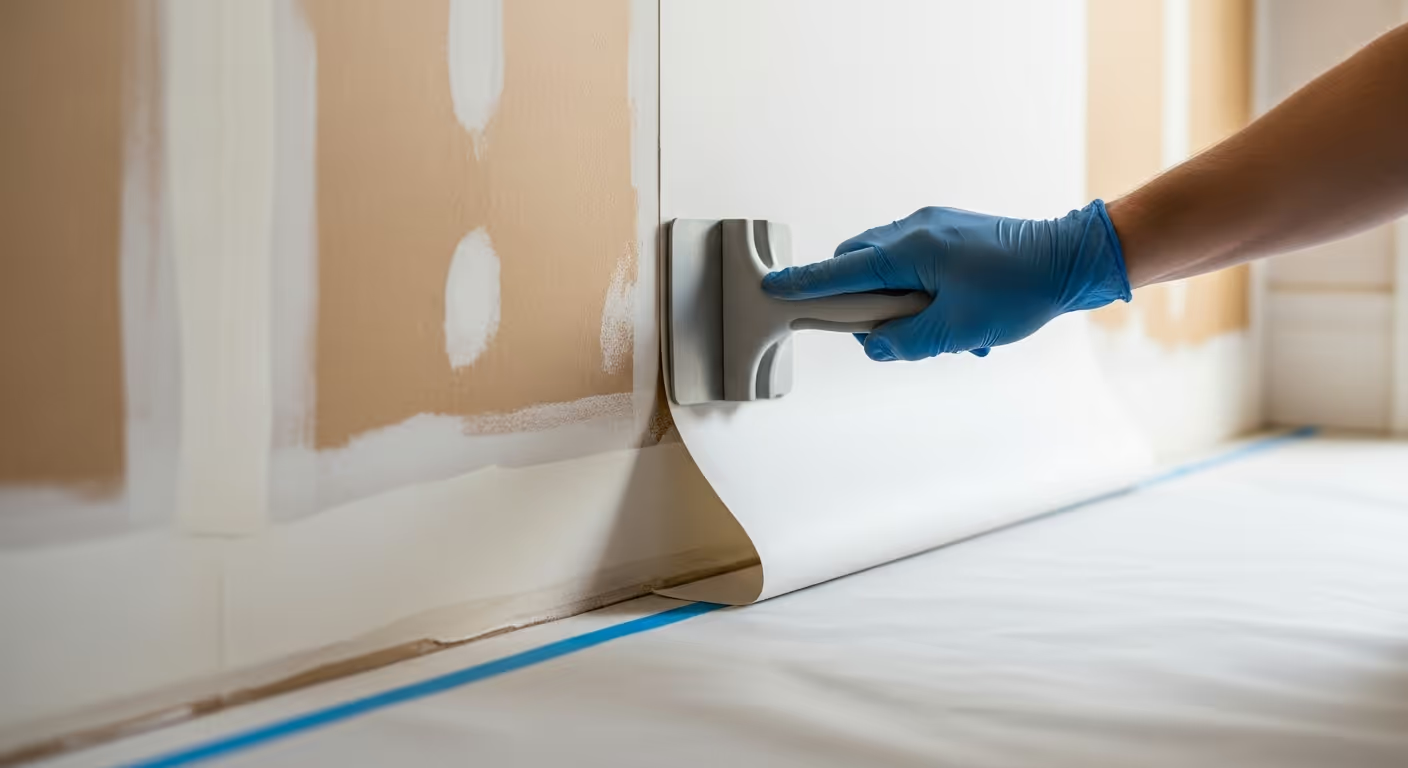
Textile wallcoverings can show seams more than smooth papers. This is not always a fault. It is often a natural result of texture meeting texture. The goal is to reduce seam visibility with correct prep, correct paste, correct booking time when needed, and careful setting out.
Ways we keep seams calm:
Grasscloth deserves extra care. Since it is a natural material, it can have stronger texture and it can show joins more clearly. That does not mean it is wrong for a bedroom. It means the client should expect a natural, artisanal look, not a perfectly invisible join like smooth vinyl.
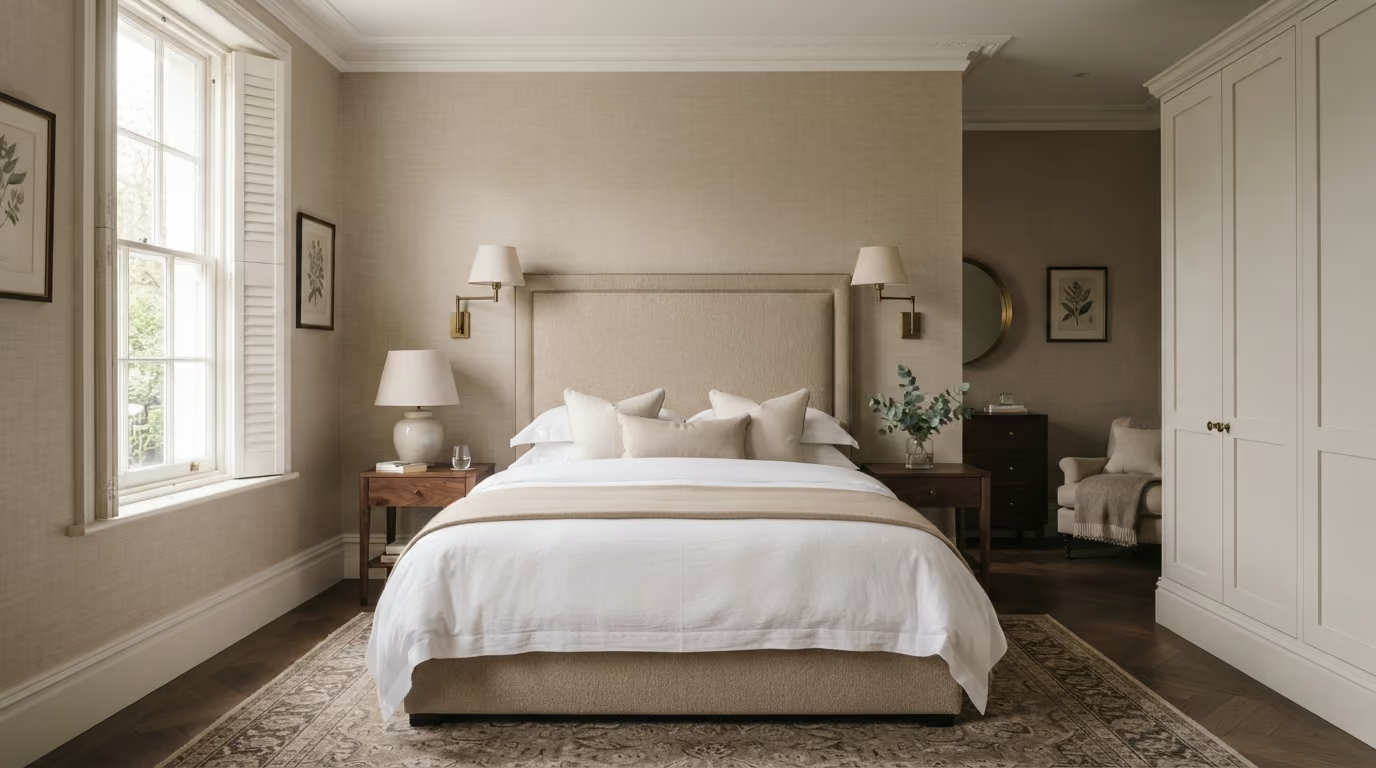
Many Belgravia clients choose textile wallcoverings for the headboard wall only. It gives the impact where you see it most, and it reduces cost and seam count. It also keeps the rest of the room flexible for art and furniture changes.
Full room wraps can look beautiful too, especially in a calm neutral. A full wrap makes the room feel fully lined and softened. It can also be the right choice when the room is large and you want the walls to read as one complete envelope.
A simple rule helps:
Textile wallcoverings often look best when the colour is calm. The texture does the work, so the colour can stay restrained. In Belgravia bedrooms, these directions tend to age well:
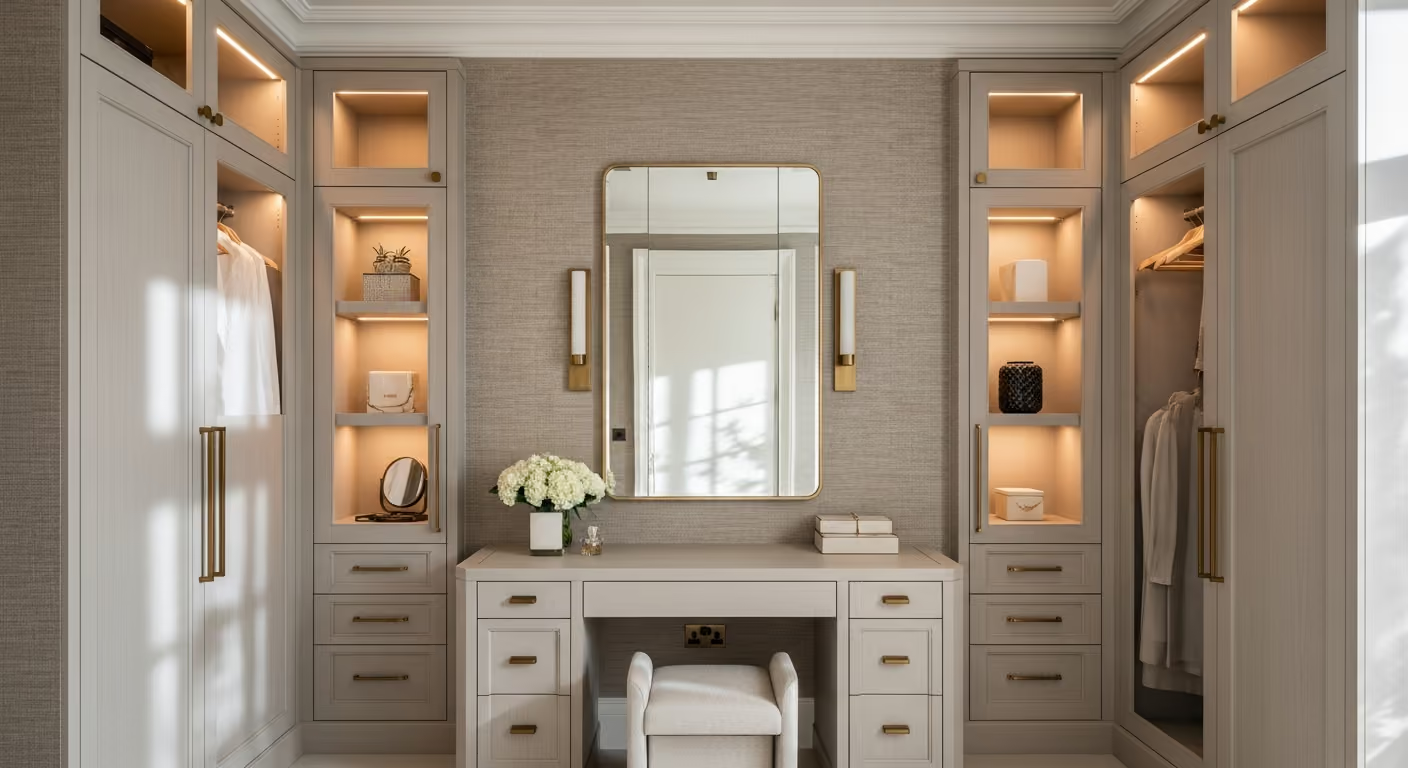
If your bedroom links to a hallway or dressing room, it helps to keep a shared colour family so the home flows. Where clients pair wallpaper with paint, we often support that through our interior painting and decorating work, so trims and walls read as one scheme.
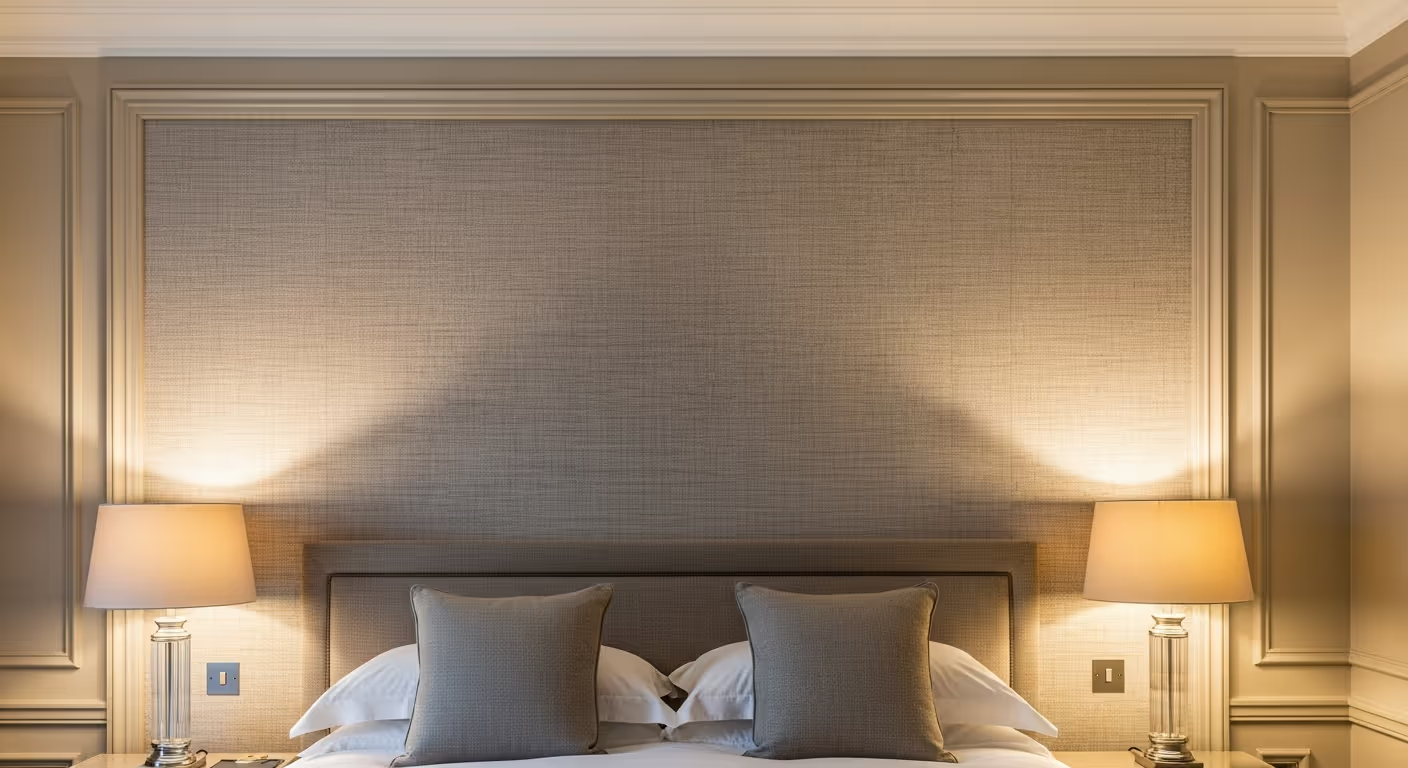
Lighting can make or break a textured wall. A strong wall light close to a seam can highlight it. A bedside lamp can make the weave glow warmly. Natural daylight can show the texture as a quiet movement across the wall.
Before final choice, we suggest checking a sample in your own room with:
This avoids the common problem where a sample looks perfect in a showroom, then reads cooler or shinier once it meets your real bedroom lighting.
Most of these issues are easy to prevent. The fix is calm preparation and trade correct installation, not a different wallpaper brand.
Are textile wallcoverings suitable for all bedrooms? In most cases yes, especially on headboard walls and calmer rooms. If the room has high contact or frequent cleaning needs, a different finish may suit better.
Will seams show? They can on textured and natural fibre products. With correct prep and layout, seams should sit quietly, but they may not disappear fully like a smooth paper.
Is fabric backed vinyl better for durability? Often yes, but it is a different category and usually chosen for heavy duty use, not for the tactile bedroom look of textile finishes.
Are upholstered wall panels better than wallpaper? They are different. Panels can look amazing and improve acoustics, but they are a different build and budget. Textile wallcoverings are usually the simpler route to a refined bedroom wall.
We install wallpaper across Prime Central London, with frequent projects in Belgravia, Chelsea, Kensington, Notting Hill, Knightsbridge, and Westminster. If you want to see the standard of finish we aim for, you can view our projects, including homes such as the Super prime residence and Georgian London interior.
Thinking about textile wallcoverings for a Belgravia bedroom? Share a few photos of the room, your preferred colour direction, and whether you want a feature wall or a full wrap. We will reply with a clear plan for wall prep, lining where needed, and a tidy installation schedule. To begin, request a site visit and we will set a time that works for you.
Tell us a few details about your project and our team will review the enquiry and come back to you within one working day.