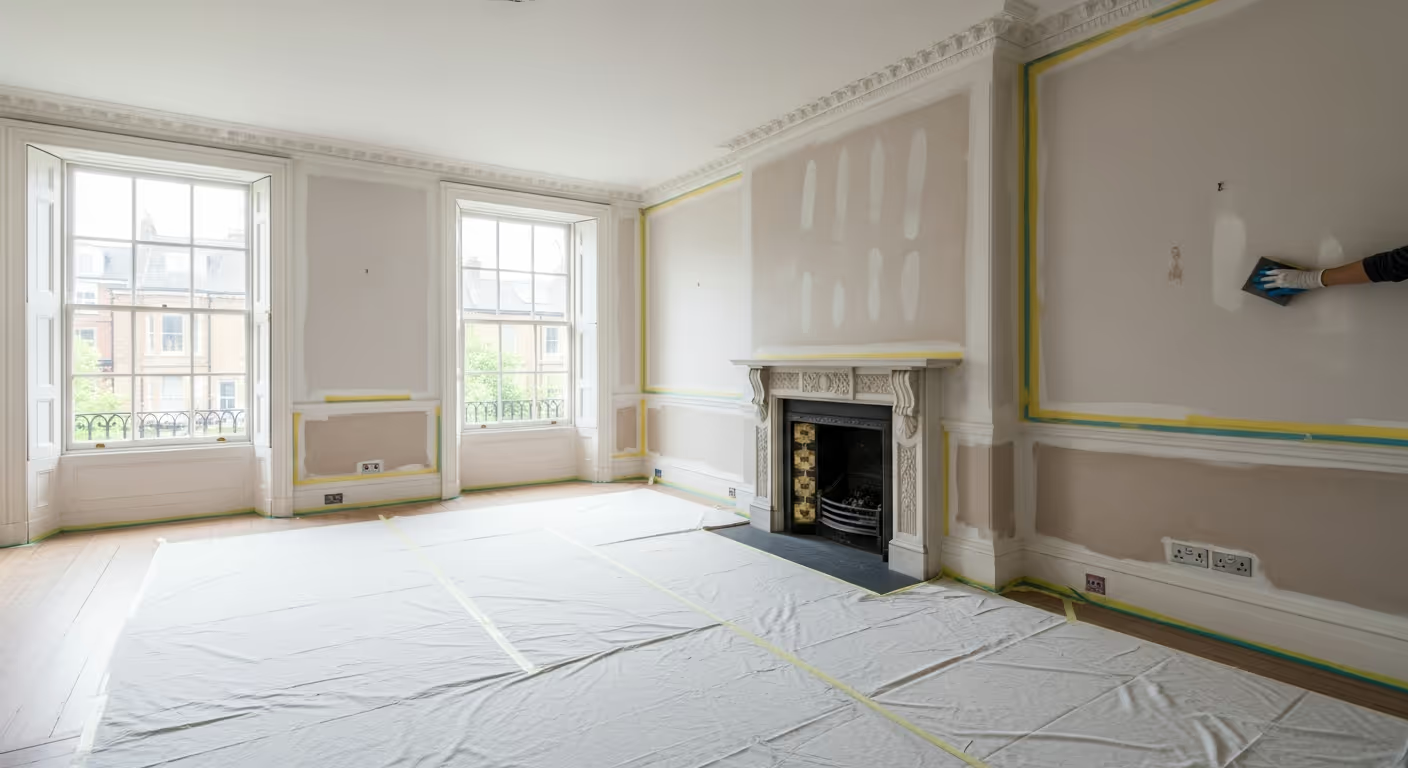
Chelsea drawing rooms often have tall windows, period details, and strong side light that can reveal every flaw. This guide explains how to plan the prep, colour, finish, and sequence so the room looks calm, refined, and beautifully finished in daylight and evening light.
The practical answer: A flawless Chelsea drawing room finish comes from preparation, not just paint. Strong light from sash windows will show old filler edges, wall ripples, uneven sanding, poor cut lines, and rushed repairs. The best result starts with a proper wall and ceiling check, careful crack repair, flat sanding, correct priming, and a finish choice that suits the room’s light and daily use. For professional planning and delivery, see our interior painting and decorating service.
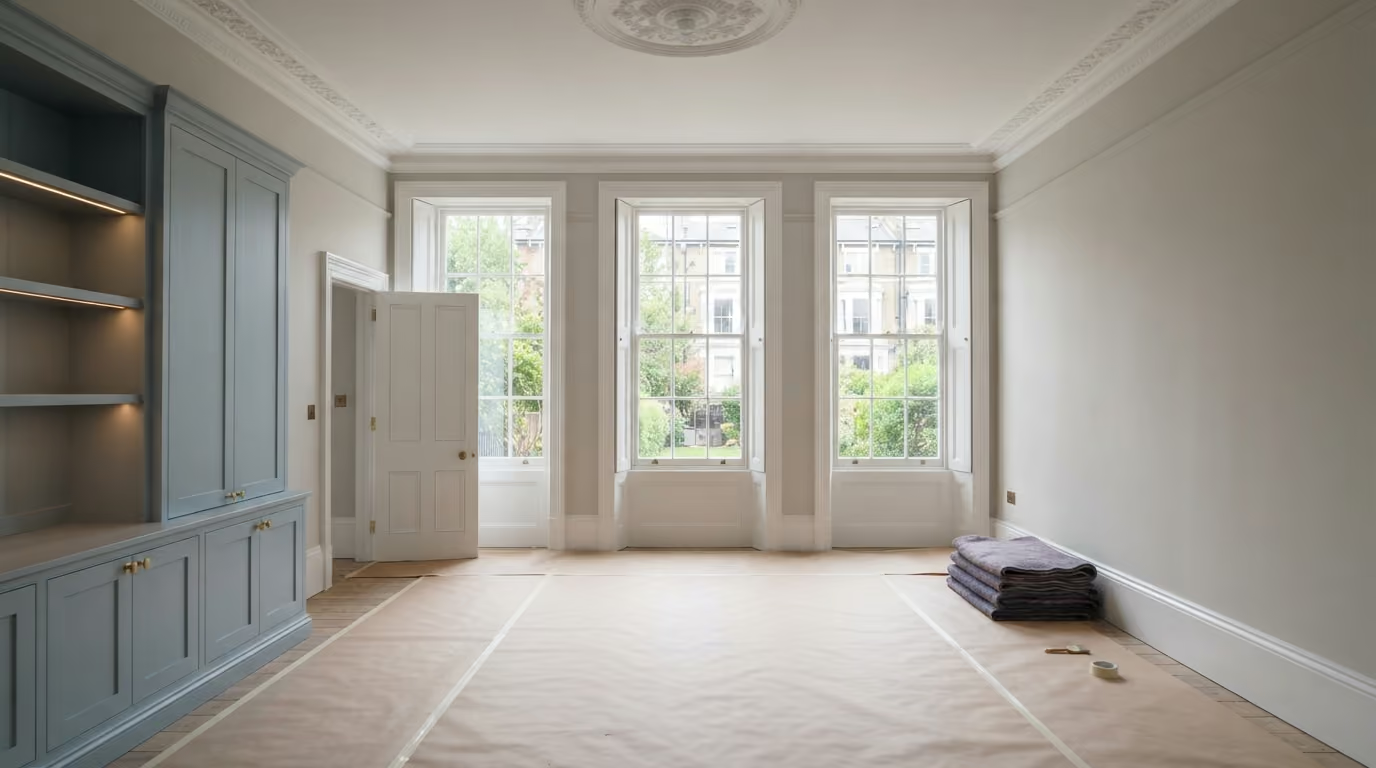
A Chelsea drawing room is often the room where the whole home shows its character. It may have tall ceilings, fine cornices, sash windows, a fireplace, original shutters, panelled doors, and carefully chosen furniture. It is a room for quiet evenings, guests, art, and conversation. That also means every detail matters. A wall that looks fine in a hallway can look uneven in a drawing room. A small ceiling crack can become obvious above a chandelier. A poor paint edge around a cornice can make the whole room feel less finished.
This guide explains how to paint a Chelsea drawing room to a high standard. It covers surface preparation, wall flaws, ceiling repairs, trim, colour testing, finish choice, and sequencing, so the room looks refined in both daylight and evening light.
Drawing rooms tend to have better light than many other parts of the home. Tall sash windows bring in daylight from one side, and evening lamps create side light from another. This kind of light is beautiful, but it is also honest. It catches raised filler, old brush marks, ripples in plaster, and uneven sheen.
Common issues that show in strong light include:
In a high value Chelsea home, these small flaws can change how the whole room feels. A flawless finish is really a calm finish. Nothing jumps out. Nothing catches the eye for the wrong reason.
Before colour or paint finish is discussed, the walls and ceiling should be checked properly. This does not need to be dramatic. It simply means looking closely at the room under the light that will reveal the truth.
A useful check includes:
This early check decides the real scope. A drawing room may need only a careful repaint, or it may need more repair work before any final coats go on.
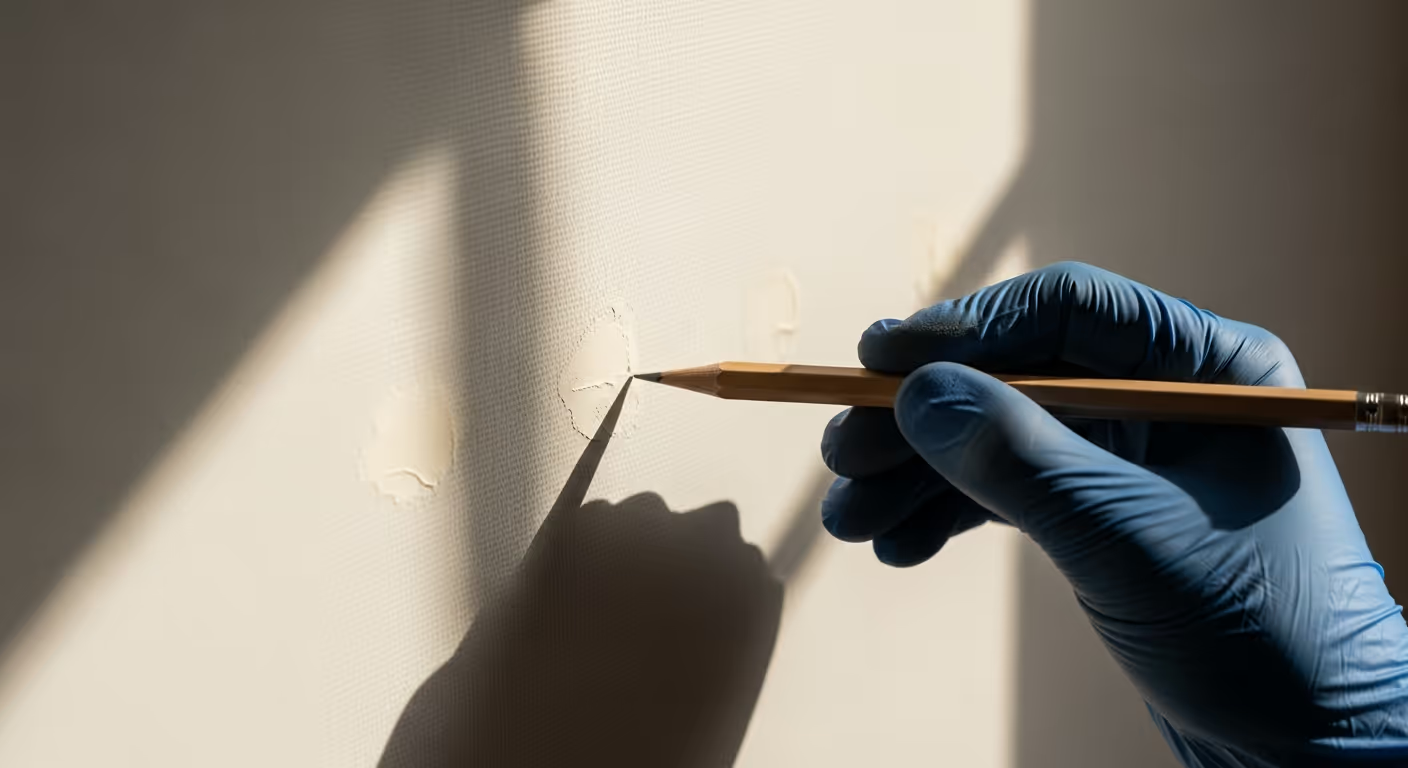
Premium painting is not only about using a good brand of paint. The wall must be made ready for that paint. In a drawing room, wall preparation often takes more time than the final coating stage.
Good wall preparation usually includes:
The goal is a wall that reads as one surface. If repairs are treated as isolated spots, they can still show once the room is finished. A high end drawing room needs the whole surface to behave evenly.
Ceilings are often painted quickly, but in a drawing room they deserve proper attention. A Chelsea drawing room ceiling may include a ceiling rose, cornice, or old plaster movement. Once the walls look fresh, any ceiling issue becomes more visible.
Before repainting the ceiling, check for:
Old stains should be treated with the right blocking system before ceiling paint goes on. Hairline cracks should be repaired properly, not just covered. If the ceiling has visible patches, it is usually better to repaint the full ceiling rather than trying to touch in one area.
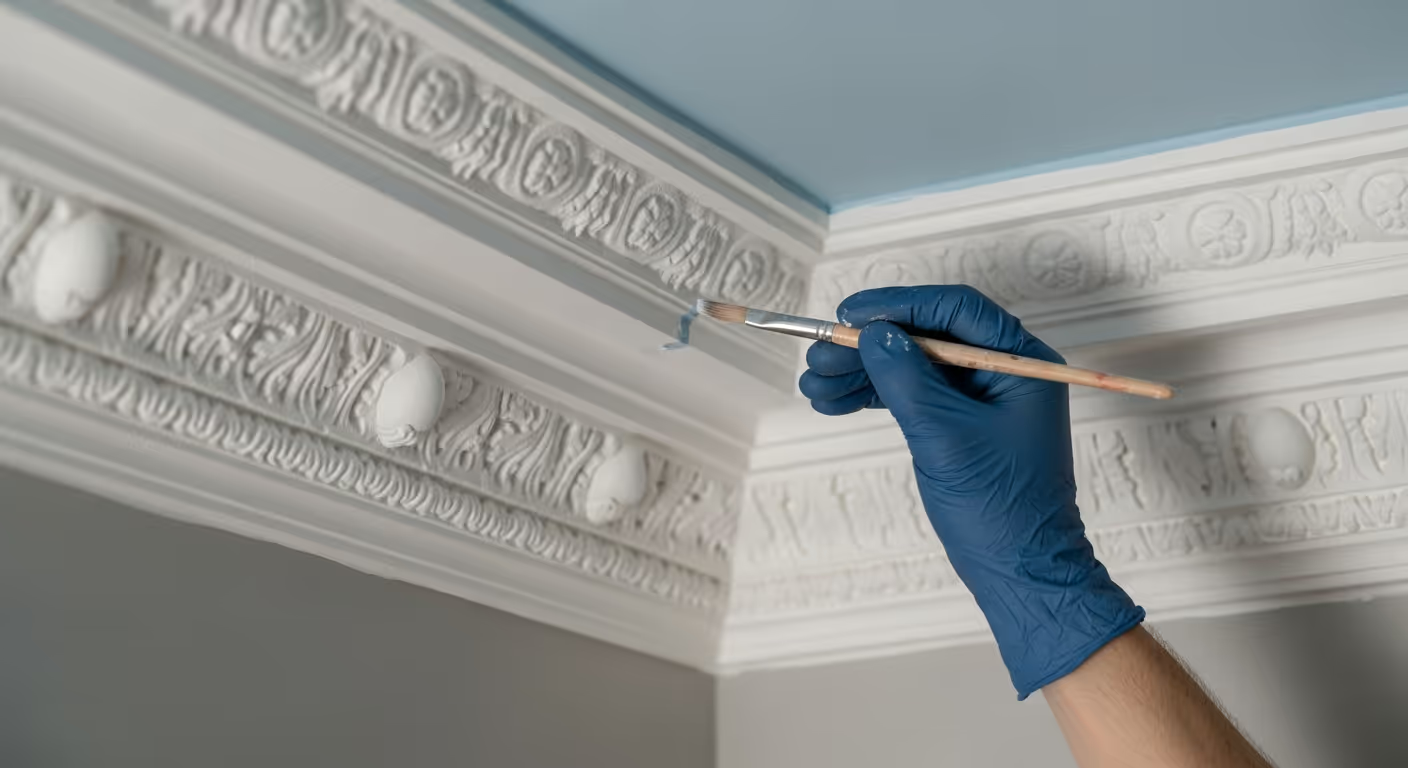
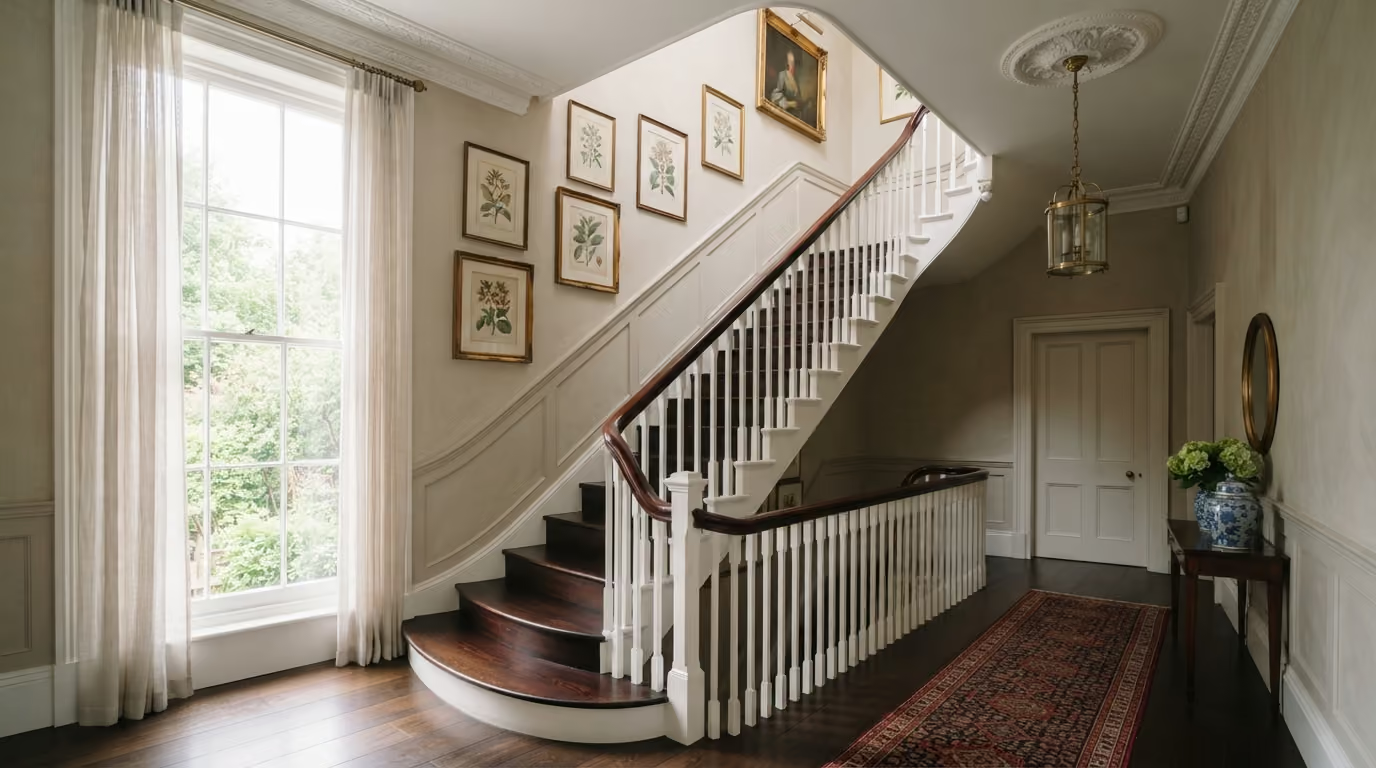
One of the quickest ways to make a period room look tired is to bury plaster details under heavy paint. Cornices, ceiling roses, picture rails, and mouldings should look crisp, not thick and rounded.
Careful work around plaster detail means:
In many Chelsea homes, these details are part of the room’s value. The paint should refresh them, not hide them.
The finish level changes how the room reads in light. A very reflective finish can show every flaw. A very flat finish can look calm, but it must still be applied carefully. In a formal drawing room, the usual aim is a soft, refined wall that does not glare.
When choosing a finish, think about:
In many drawing rooms, a calm matt finish works beautifully because it keeps glare low and supports art, furniture, and plaster detail. If the room is busier, a more practical finish may be considered, but it should still suit the light and wall condition.
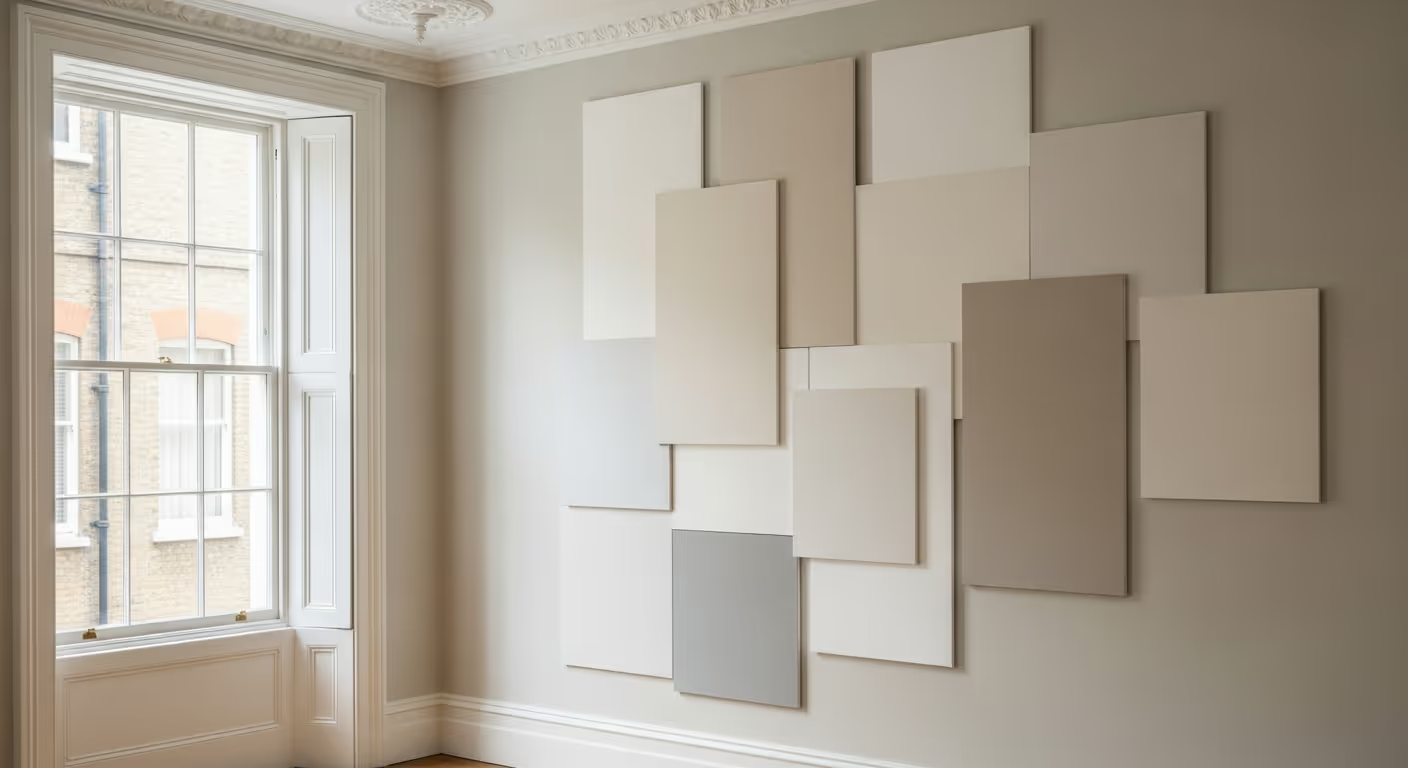
Colour should be tested in the actual room, not chosen from a small card. Drawing rooms often change dramatically from morning to evening. A soft neutral can feel warm in lamplight and cooler in daylight. A pale shade can disappear if the room is bright. A deeper shade can look elegant at night but heavy on a grey morning.
Colour directions that often work well include:
Very bright whites can look harsh in period rooms. Cool greys can feel flat in low London light. Softer whites and warm neutrals usually feel more relaxed and more expensive.
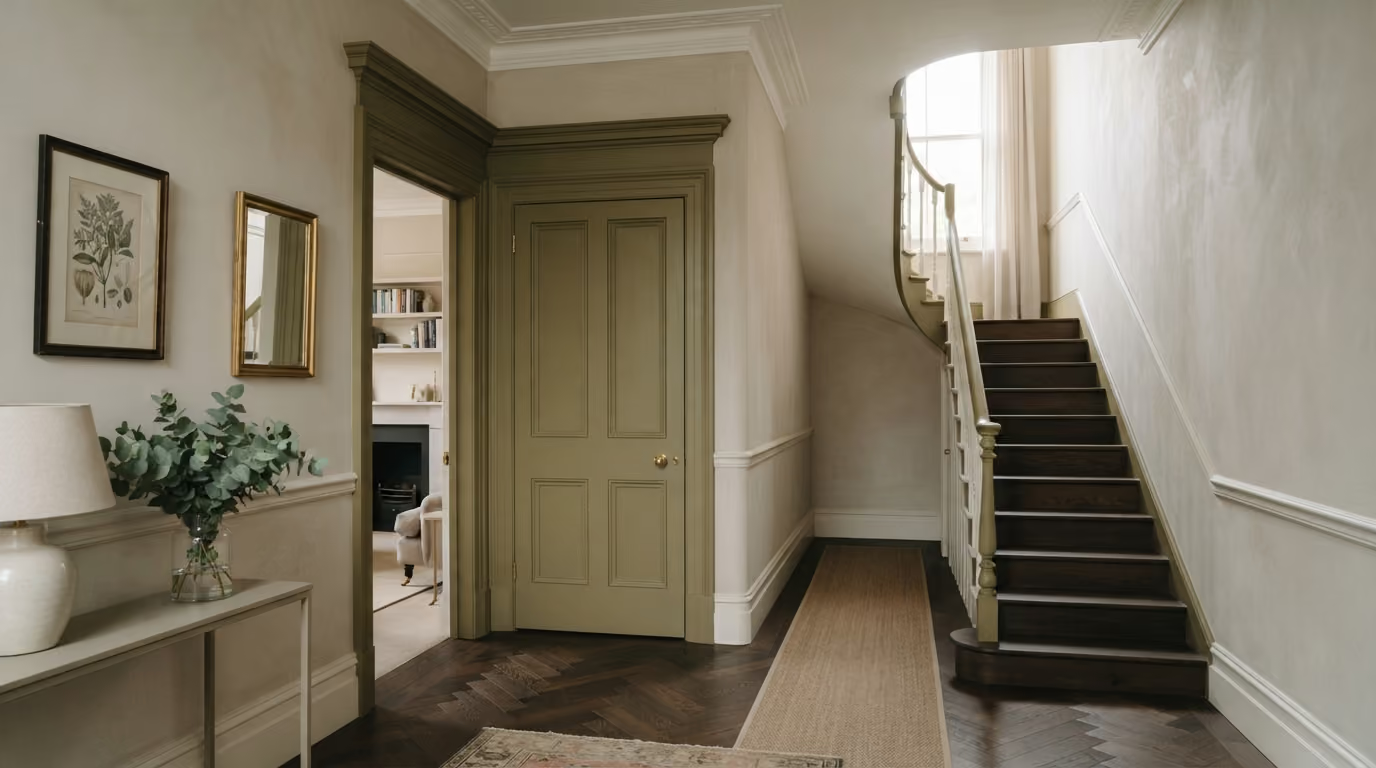
Drawing rooms often include important woodwork. Doors, frames, skirting, shutters, window boards, built in shelving, and fire surrounds can all affect the final result. If the walls are perfect but the trim is chipped or rough, the room will not feel finished.
Woodwork preparation usually includes:
Some woodwork can be finished by brush with excellent results. For larger built in pieces or very smooth joinery, spraying may be considered as part of a fine finish plan. This is especially useful if the room has shelving, cabinets, or panelled joinery that needs a cleaner surface.
A Chelsea drawing room does not always need standard paint on every wall. Some rooms benefit from a specialist finish, such as Bauwerk limewash, which can add mineral depth and softness. Others may include wallpaper in a quieter adjoining space.
A simple way to decide is to ask what the walls need to do:
The best rooms often feel layered, but not busy. One feature finish is usually enough. The rest of the scheme should support it.
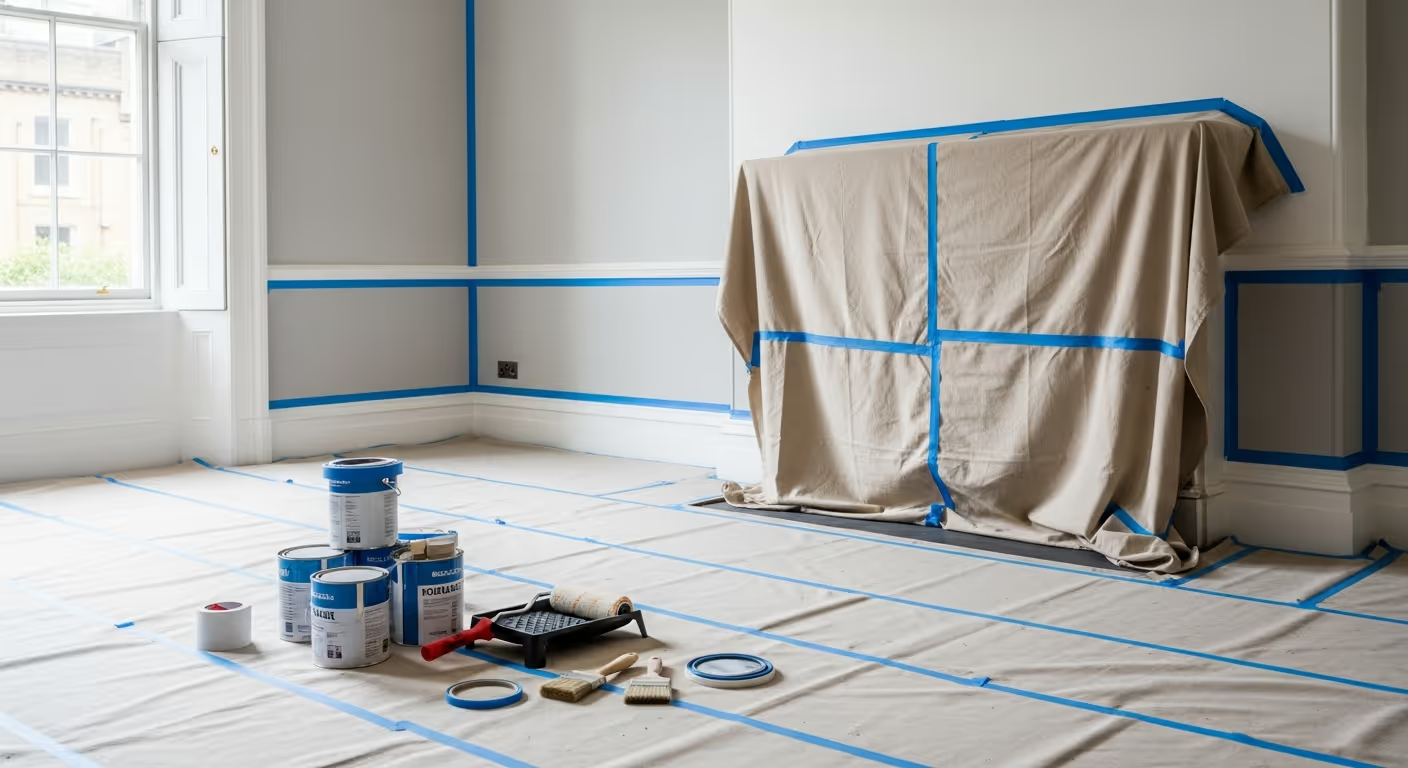
The order of work affects both quality and stress. A calm sequence helps the room stay protected and keeps the finish clean.
A typical drawing room sequence looks like this:
This order keeps fresh surfaces clean and avoids unnecessary rework. It also helps the room feel controlled while work is happening.
Most of these mistakes are avoidable. They happen when a drawing room is treated like a quick repaint rather than an important room in the home.
Do drawing room walls need to be perfectly smooth? They need to be smooth enough for the light and finish choice. Strong side light shows more, so prep should be more detailed than in a low visibility room.
Should the ceiling be pure white? Not always. Softer whites often work better in period rooms because they feel less harsh beside cornices and warm wall colours.
Can old cracks be hidden permanently? Many can be repaired very well, but older buildings can still move over time. Proper repair gives a far better result than painting over the crack.
Should woodwork be sprayed? It depends on the amount and type of joinery. Large, visible built ins often benefit from spraying. Smaller trim can still look excellent with careful brush work.
We carry out interior painting and decorating across Prime Central London, including Chelsea, Kensington, Belgravia, Notting Hill, Knightsbridge, and Westminster. Many of these projects involve drawing rooms, reception rooms, period ceilings, plaster details, and fine interior finishes where preparation is the key to the final result.
Want a flawless finish for your Chelsea drawing room? Send a few photos of the walls, ceiling, cornices, and main light sources. We can help assess the preparation needed, advise on colour and finish, and plan the work so the room looks calm and refined in both daylight and evening light. To begin, request a site visit and we will arrange a time that suits you.
Tell us a few details about your project and our team will review the enquiry and come back to you within one working day.