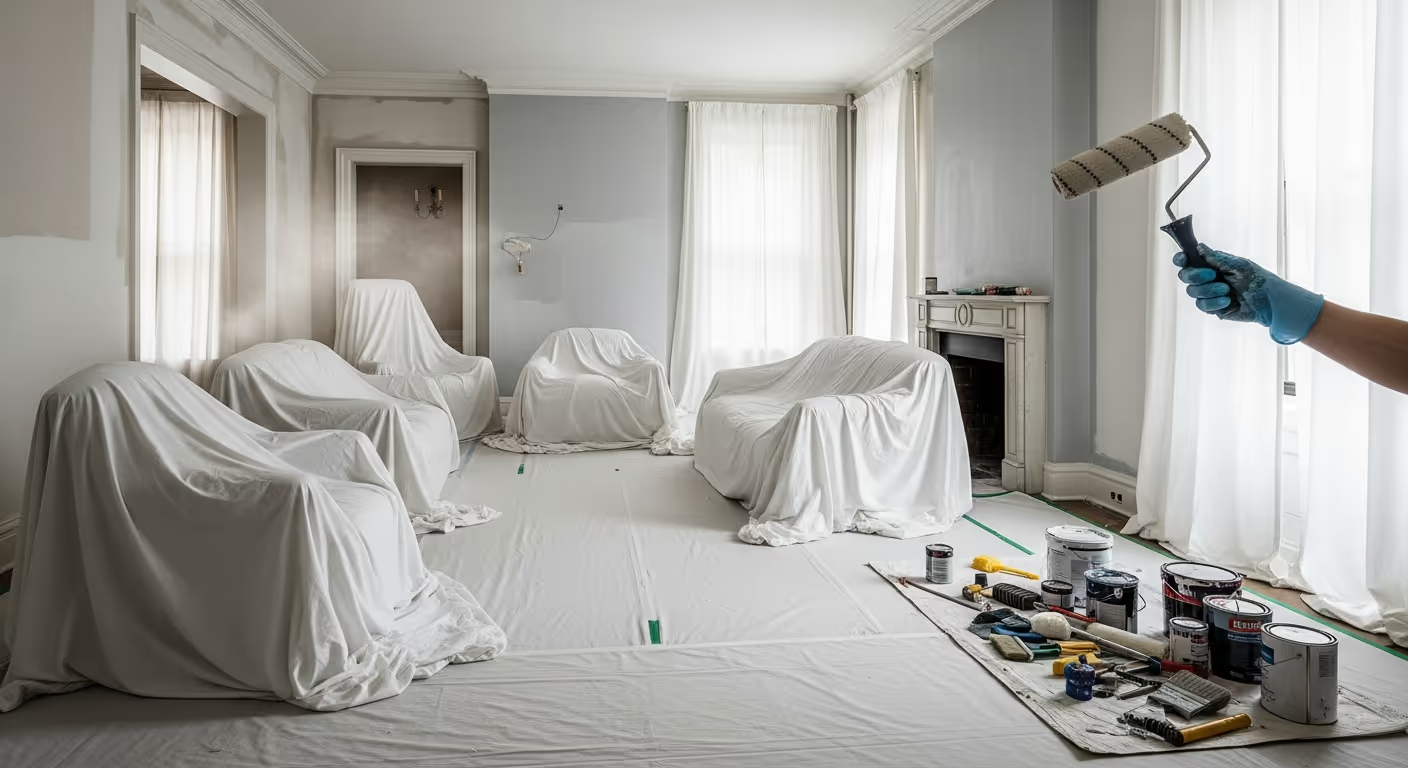
Want to repaint your Chelsea townhouse but do not want to move out? This guide explains how to plan a room by room schedule, protect floors and furniture, control dust, and keep daily life calm while achieving a high end finish.
Short answer: Yes, most Chelsea townhouses can be repainted while you live in them. The key is a phased plan, strong protection, tidy daily pack down, and clear decisions on colours and finishes before work starts. The calmest approach is to move through the home in zones, keep one clean route open at all times, and finish each zone fully before starting the next. If you want help building a practical schedule and delivering a clean finish, see our interior painting and decorating service.
Many owners in Chelsea put off an interior repaint for one reason. They think the house must become unliveable. That fear is understandable. Townhouses are tall, storage is often tight, and daily life has to keep moving. Yet a repaint does not need to feel like chaos. With the right plan, most clients stay at home during the work and still enjoy the results without the stress.
This guide explains how we repaint lived in homes across Prime Central London, with a focus on Chelsea townhouses. You will see how to plan zones, how to protect your home properly, what decisions to make early, and how to avoid the common mistakes that create delays and frustration.
Chelsea homes often have a mix of period character and modern use. You might have tall ceilings, cornices, and old plaster, plus busy family life, home working, and frequent visitors. This mix creates three practical challenges.
The solution is not to rush. The solution is to plan the work as a sequence that respects how the home is used.
Zone based repainting means dividing the house into manageable sections and completing each one fully before moving on. This keeps disruption contained and makes the home feel predictable day to day.
A typical Chelsea townhouse zone plan looks like this:
The order can change based on your layout and your diary. Many clients prefer finishing bedrooms first so they can enjoy calm rooms early on. Others prefer finishing the main reception floor first because it is the most visible space.
When you live in the home during a repaint, you need a reliable route for daily life. This route is the path you use to move between floors, reach the kitchen, and get in and out of the house.
We keep that route clean by:
This single step reduces stress more than almost anything else. It stops the feeling that the whole house is under construction.
Delays often come from decisions made too late. Living in the home during a repaint means you do not want long pauses while you think about colours or change your mind about details.
Before work begins, aim to decide:
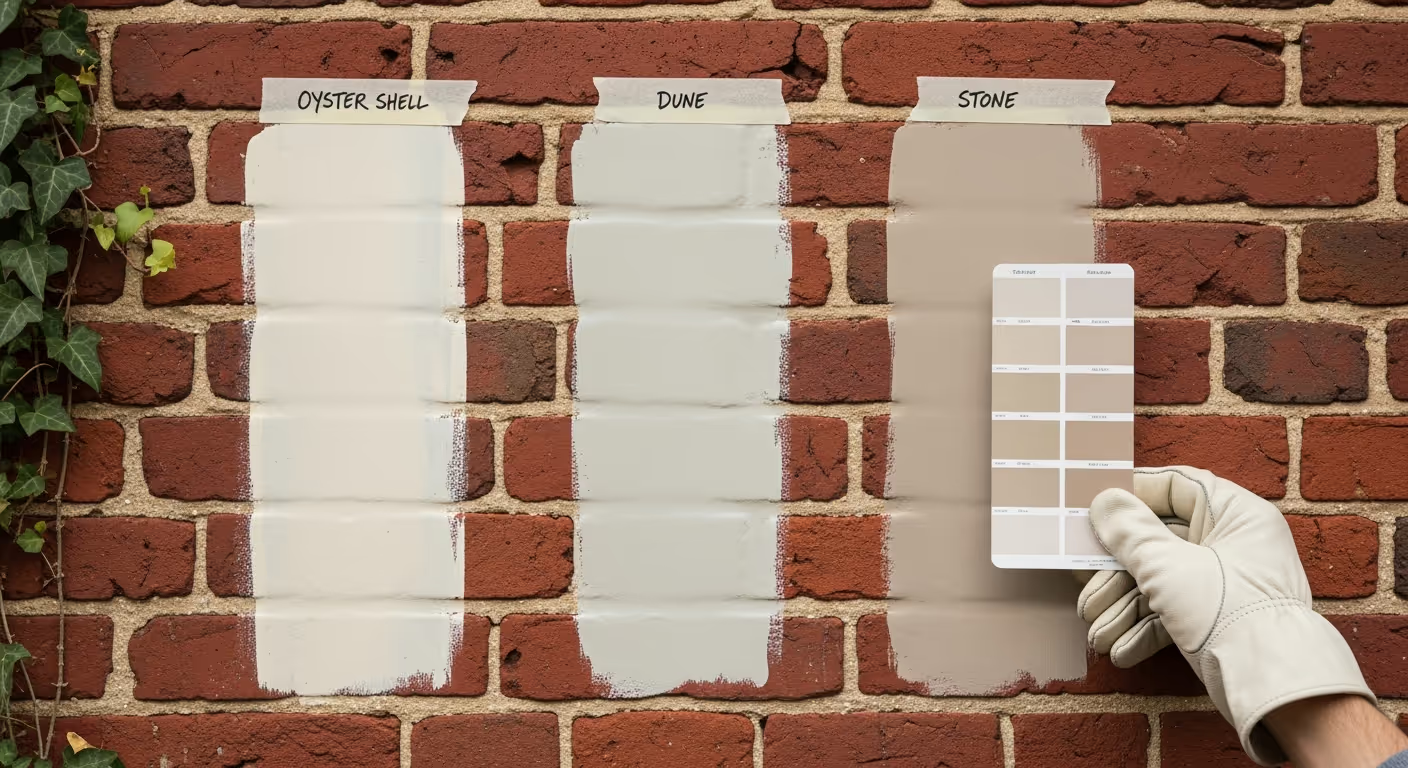
If you want sample panels, plan them early. This is true for paint colours, and even more true for limewash, where the wall base and the light can change the final look.
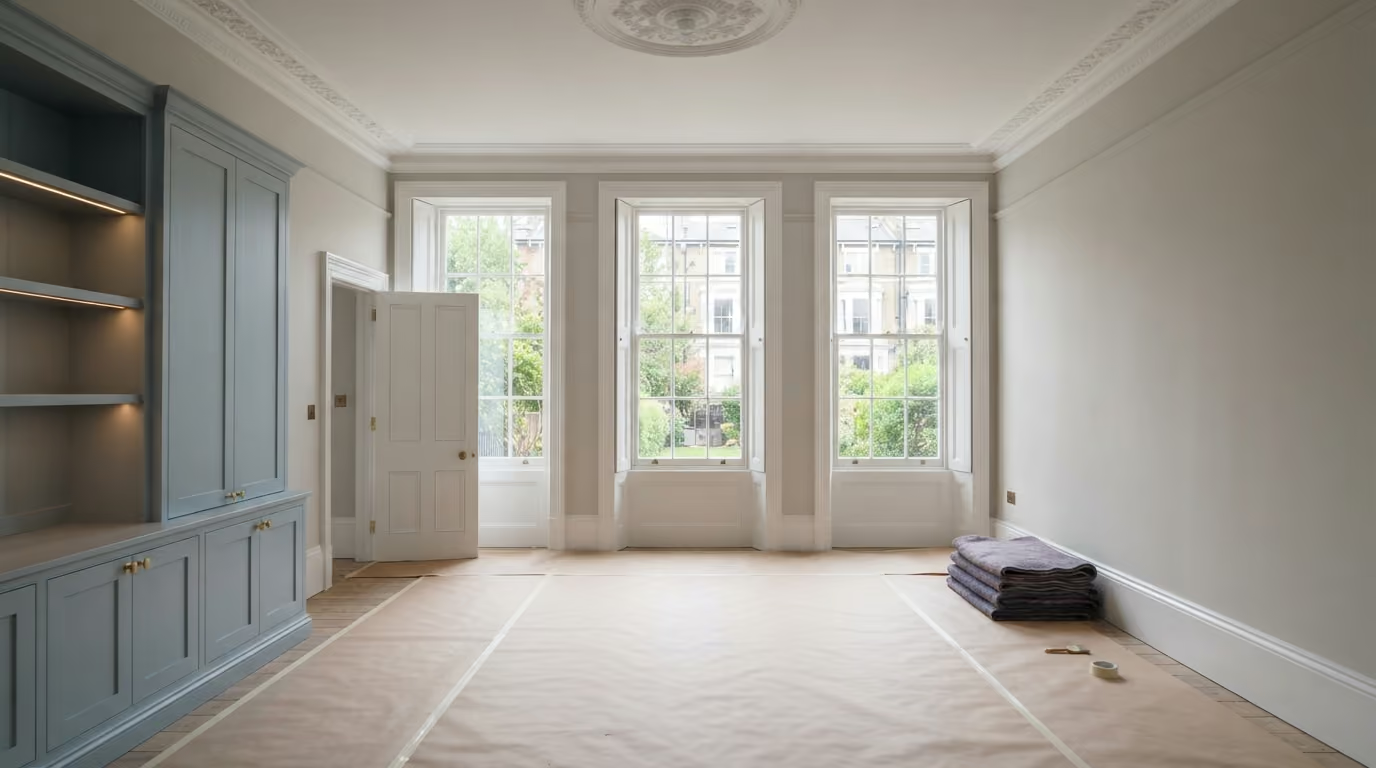
Protection is not only about avoiding paint splashes. It is about keeping dust and mess contained so your home still feels like home.
In a lived in Chelsea townhouse, we focus on:
We also plan daily tidy ups. Many clients stay in the home during the work. That only works when each day ends with clear floors, safe routes, and a clean feel.
Dust is often the biggest worry. Sanding old paint, filling walls, and prepping woodwork can create fine dust. With the right approach, it stays controlled.
Simple methods that help:
If you have allergies or sensitive rooms, say so early. We can plan the sequence to keep those spaces calm until later in the project.
Chelsea period homes often have hairline cracks, old repairs, and slightly uneven walls. These may be hidden by older layers of paint, then become more visible once a fresh coat goes on. This is why prep is a key part of quality.
Typical prep work includes:
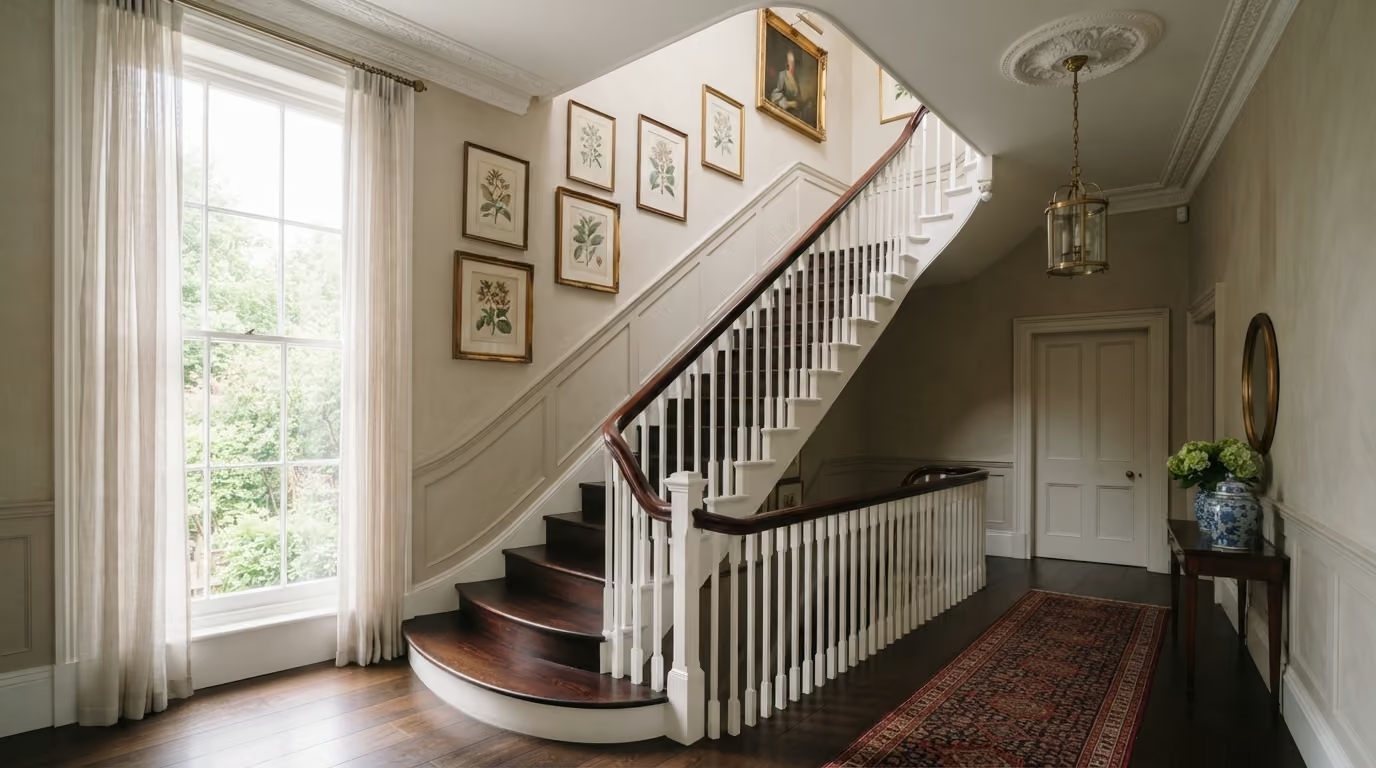
In strong side light, small issues can show. This is also why choosing the right wall finish matters in busy areas. For example, in hallways we use matt or soft sheen on walls based on how the space is used, as you saw in our hallway guide.

You can keep the home usable if you plan around what you need each day. Most clients need at least one working bathroom, one usable bedroom, and access to the kitchen.
We plan around this by:
If you work from home, we can treat your office as a protected zone and schedule it at a time that fits meetings and deadlines.
Every home is different, yet most successful repaints follow a similar rhythm. Here is a simple example for a multi floor home.
Ceilings first is a common rule because it avoids drips or marks onto finished walls. Woodwork often comes last in each room to keep edges crisp.
In Prime Central London homes, woodwork can be a major part of the job. Doors, skirting, and frames take time in prep. When this is rushed, the whole room can look rushed.
If you want a very smooth finish, talk about options early. Some clients choose a brushed finish, some choose a sprayed approach in certain areas. The right method depends on the amount of joinery and how lived in the home is during the work. Either way, prep remains the foundation.
The fix is a clear plan and a simple daily routine. When each day ends with a tidy zone and a clear route, clients feel calm and the project stays on track.
Many Chelsea homes have different moods across floors. A calm way to keep coherence is to link rooms through undertones and trim colour.
Ways we do this:
If you want inspiration for how a refined interior finish can sit with period features, have a look at our Georgian London interior and Central London residence projects.
We repaint lived in homes across Prime Central London, including Chelsea, Kensington, Belgravia, Notting Hill, Knightsbridge, and Westminster. Many projects are period homes where tidy working, protection, and a high end finish matter just as much as speed. You can browse more examples on our projects page.
Want to repaint your Chelsea townhouse while living in it? Send a few photos of each floor and tell us which rooms must stay usable each day. We can propose a zone plan, a realistic schedule, and a clean protection approach that keeps the home calm while the finish level stays high. To begin, you can request a site visit and we will arrange a time that suits your diary.
Tell us a few details about your project and our team will review the enquiry and come back to you within one working day.