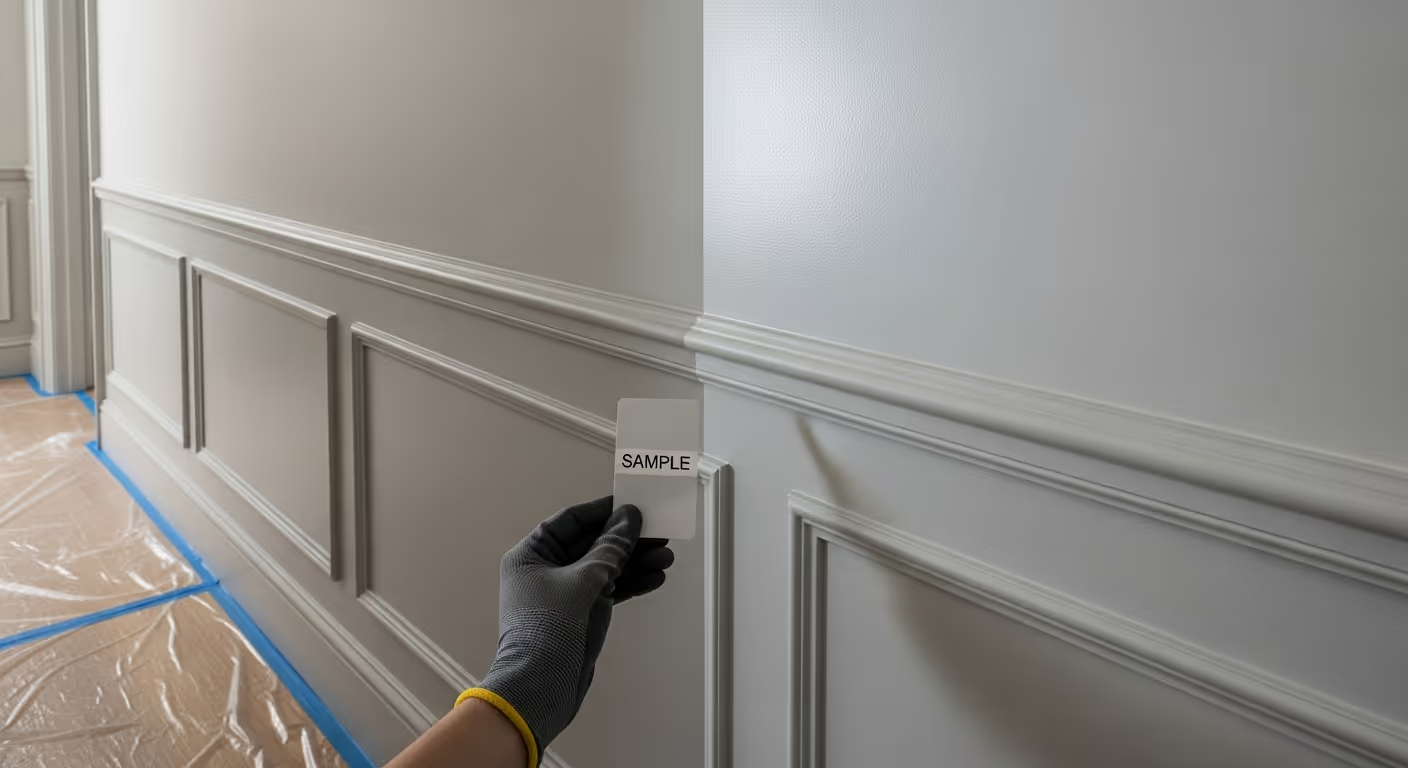
Not sure if your Chelsea hallway walls should be matt or soft sheen? This guide explains how each finish looks in London light, how they handle marks, and how to choose the right one for your home so the hallway stays calm and refined.
Short answer: In Chelsea hallways, matt gives the softest, most traditional look and hides small wall flaws better. Soft sheen is easier to wipe and can handle daily marks more calmly, but it can show wall texture and repairs more in side light. The best choice depends on how busy your hallway is and how flat your walls are. Many Chelsea homes use matt in quieter entrance halls and soft sheen in high traffic routes and stair runs, keeping the colour family consistent. If you want help choosing finishes and delivering clean lines, see our interior painting and decorating service.
Chelsea hallways do a lot of work. They are the first impression when you open the front door, and they are the most used space in the home. Coats brush the walls, bags knock the corners, prams skim past skirting, guests touch the wall at turns, and daily life leaves marks even in the most careful household.
This is why the wall finish matters so much. Not the colour only, but the finish level. A finish that looks perfect in a reception room may not be the right choice for a hallway that sees heavy daily use. At the same time, a finish chosen only for durability can look harsh or too reflective in a period townhouse. The goal is simple. A hallway that stays calm, looks refined, and is practical to live with.
This guide explains matt and soft sheen in plain terms, how they look in Chelsea light, how they behave with marks, and how to choose a finish that fits your home and your routine.
Paint finishes describe how much light a wall reflects. That reflection changes how the wall looks and how it wears.
Neither is “better” in every case. They solve different problems. Matt is often chosen for mood and softness. Soft sheen is often chosen for practical care in busy areas.
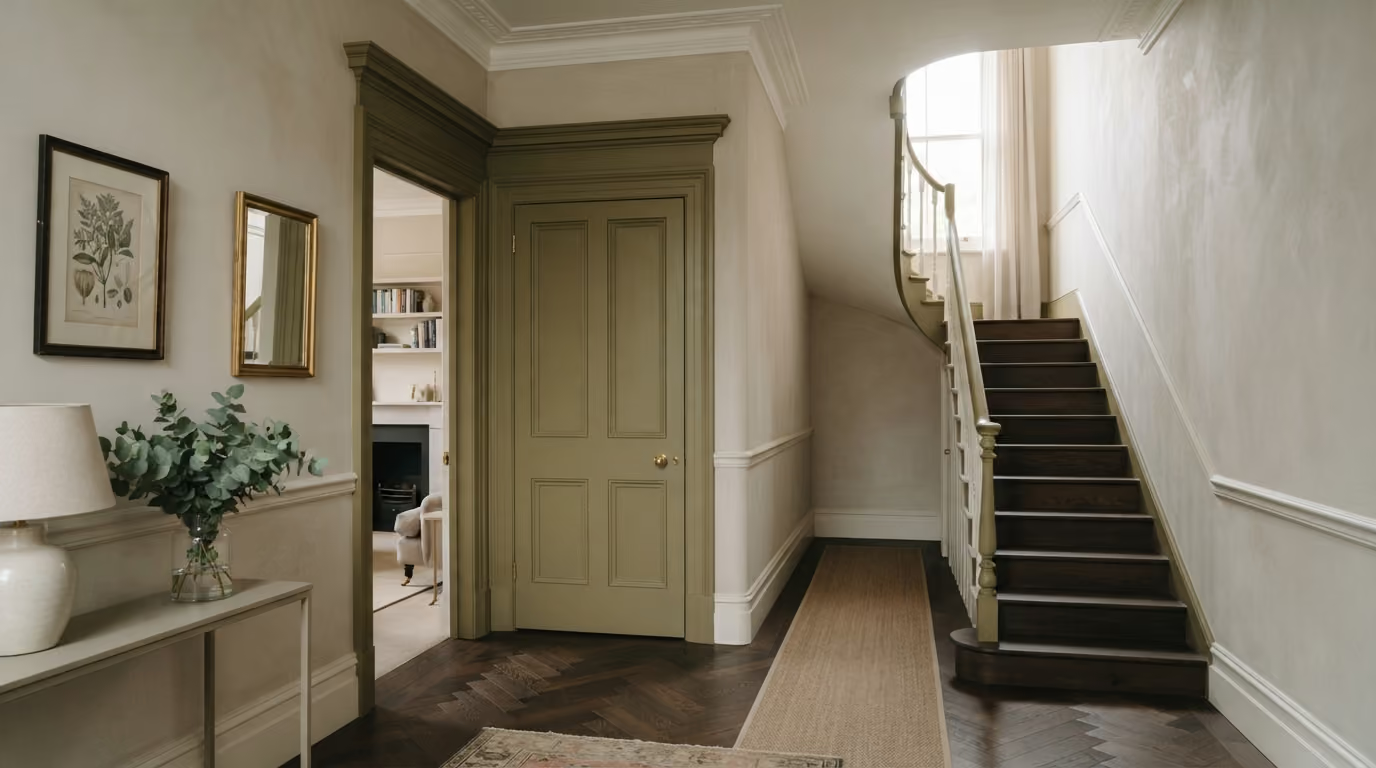
Chelsea homes often have features that reveal paint differences quickly.
In other words, the hallway is where finish decisions stop being theoretical. You see the effects every day.
Matt is popular in period properties because it reads as calm and traditional. It suits cornices, panelling, and older plaster detail. It does not bounce light around, so the walls feel quieter and more consistent.
Matt works well when:
The trade off is care. Some matt paints can mark more easily and can burnish where people touch the wall repeatedly. Burnishing is when the wall develops shiny patches from contact and wiping. It can happen near light switches, corners, and narrow turns.
Soft sheen sits in a sweet spot for many hallways. It has a gentle reflectance that can make the space feel a little brighter, and it can be easier to wipe when life gets busy.
Soft sheen works well when:
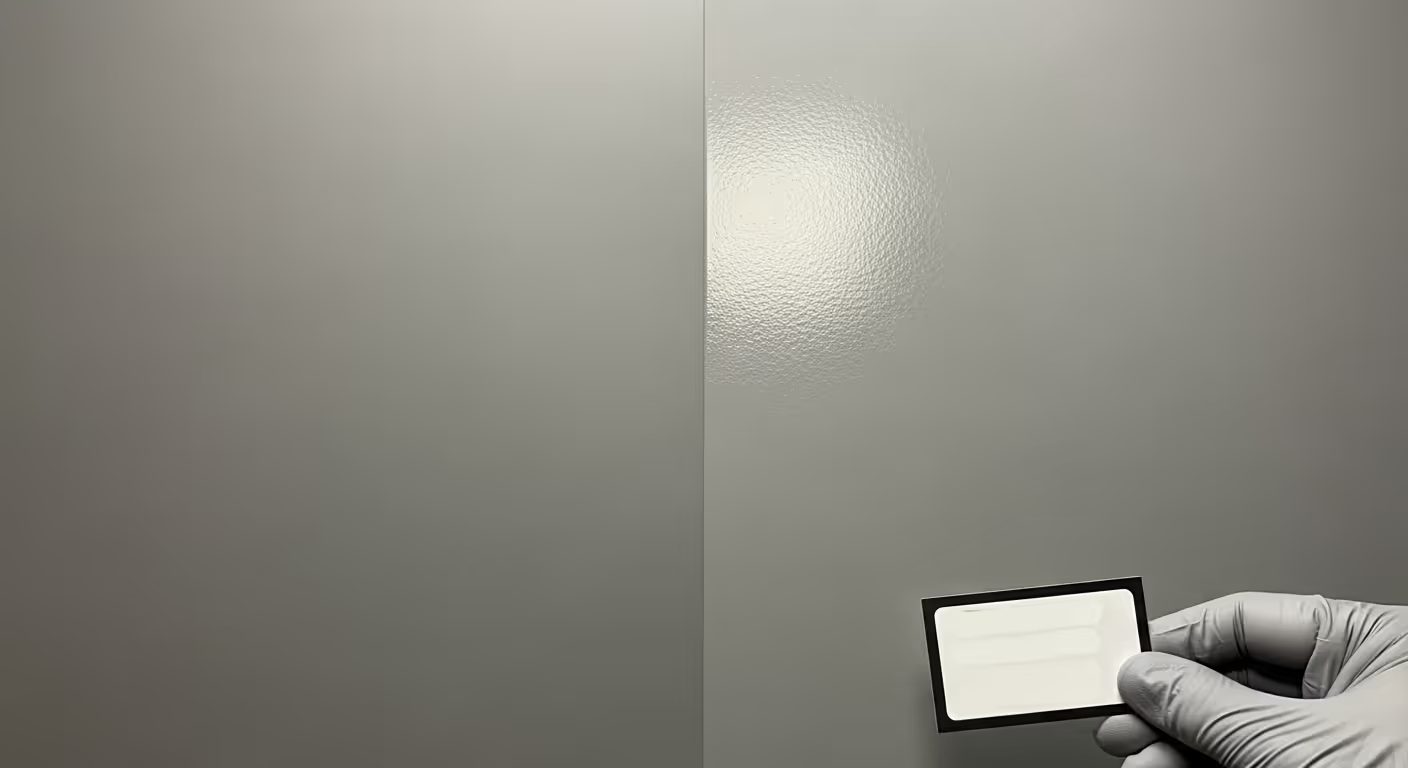
The trade off is that soft sheen can show wall issues more. If the wall has patch repairs, ripples, or uneven sanding, the slight reflectance can catch light and reveal it. This does not mean soft sheen is a bad choice. It means prep matters more.
Most clients choose soft sheen because they want a finish that can be wiped. That is a fair reason, but it helps to know what you are really cleaning.
Common hallway marks include:
Soft sheen tends to handle gentle wiping more easily. Matt can still be cleaned, but repeated wiping can create shiny patches over time, especially in narrow routes. If you know your household will wipe walls often, soft sheen is usually the calmer choice long term.
If your walls are very flat and well prepped, you have more freedom. If your walls have old repairs and uneven texture, finish choice matters more.
Soft sheen tends to highlight:
Matt tends to hide these better. That is why some period homes choose matt for walls and put durability elsewhere through good circulation planning and careful protection of corners.
If you want a clear way to decide, use this method.
Then apply these practical rules:
If you are not sure, sample panels solve most doubts. Paint a decent sized patch of matt and soft sheen in the same colour and check them morning and evening. The difference becomes obvious quickly.
Finish and colour work together. The same finish can feel different in pale tones versus deep tones.
If your Chelsea hallway is quite dark, soft sheen can help bounce a little light. If your hallway has strong wall lights or stair glazing, matt can reduce glare and keep things calm.
A common concern is consistency. Owners want the hallway to relate to reception rooms, not feel like a different house.
Ways to keep coherence:
If you are using a feature finish like Bauwerk limewash in reception rooms, the hallway can still link through undertone. A warm stone limewash room can flow into a warm stone hallway paint, with matt or soft sheen chosen for use, not only for mood.
Finish choice is only half the story. Hallways look expensive when the base is calm and the edges are crisp.
Prep steps that matter most:
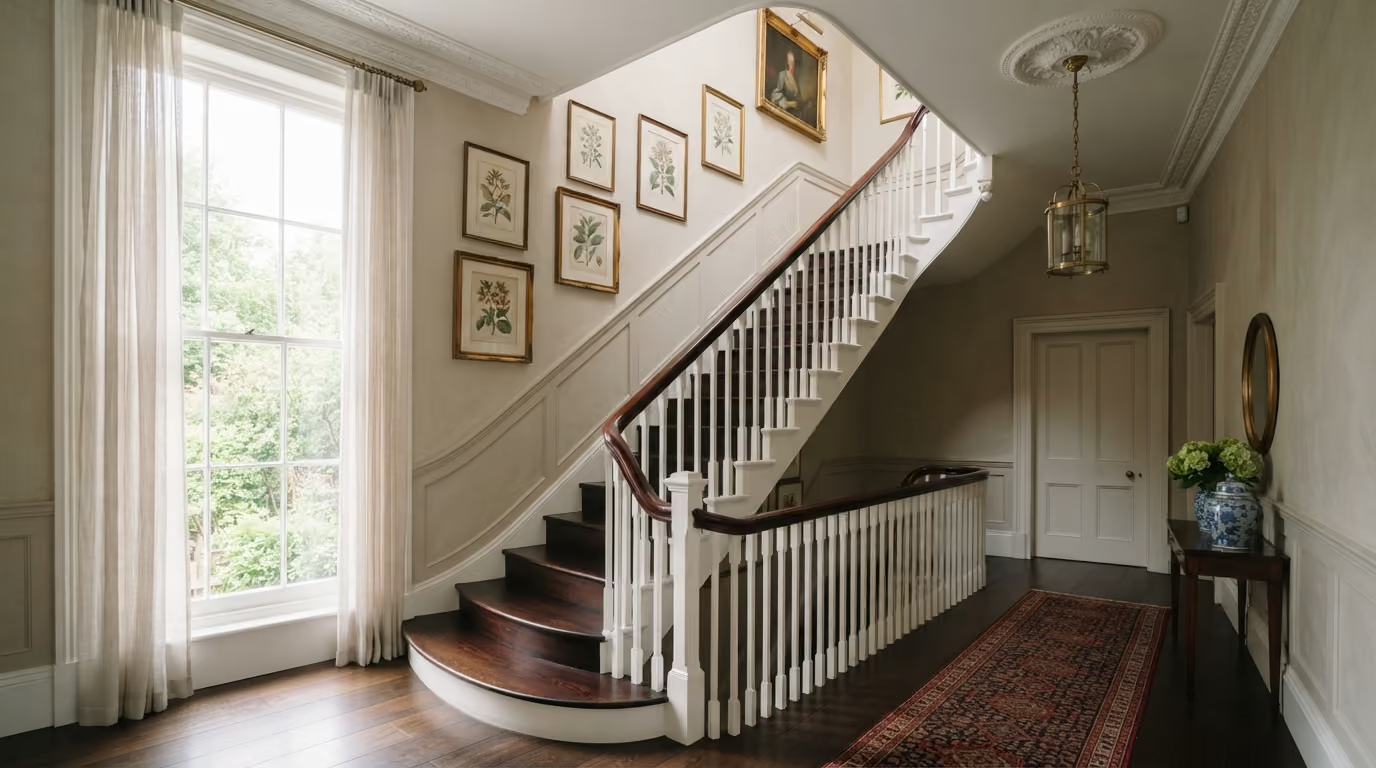
In Chelsea period homes, stair walls often carry the most visible side light. This is where careful sanding and priming pays back every day.
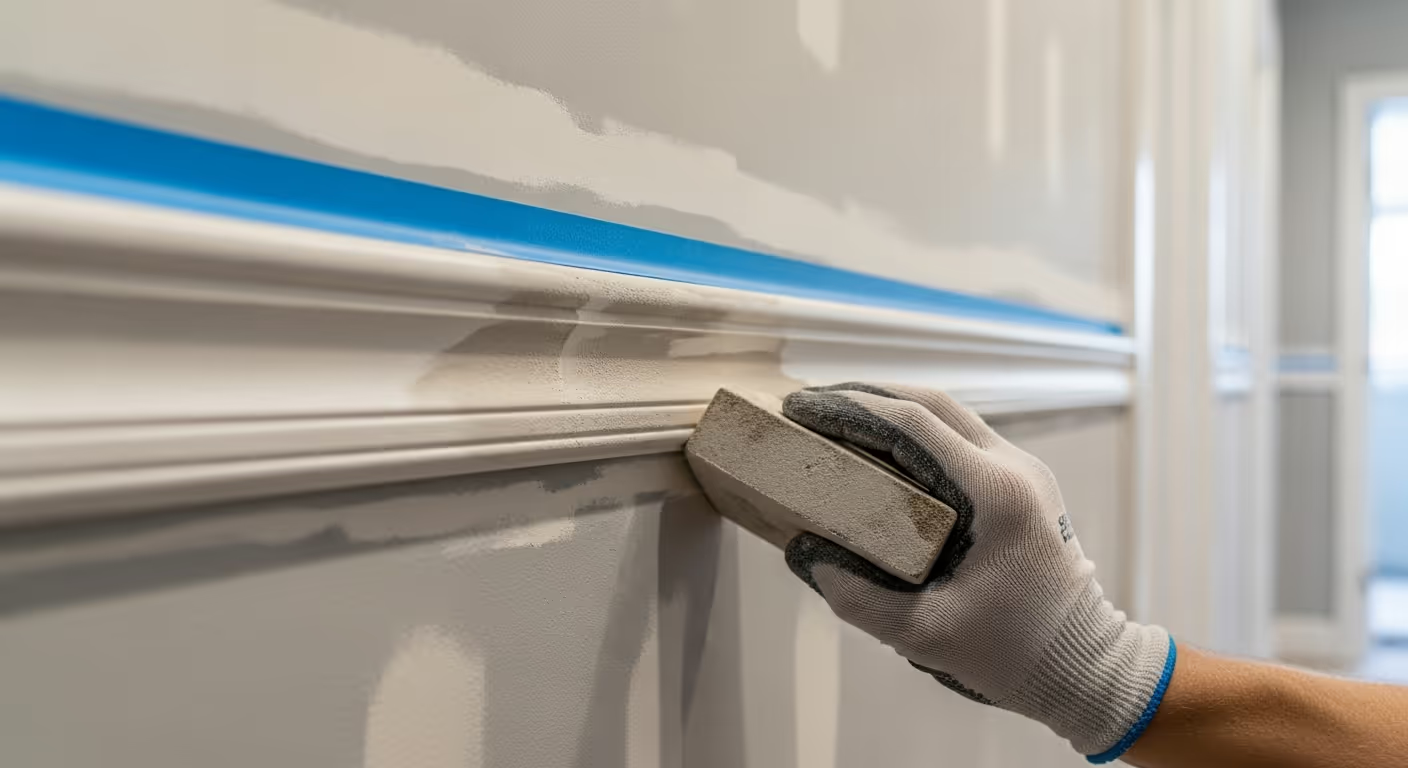
Hallways have a lot of joinery. Doors, frames, skirting, handrails, and sometimes panelling. Woodwork finish choice is separate from wall finish choice, but the two need to look good together.
To keep the hallway feeling refined:
If you are repainting walls and woodwork together, a single plan helps the project feel tidy. That is a core part of our interior painting and decorating approach.
Here are common Chelsea hallway situations, with finish choices that usually work well.
If the hall is mainly used by the household and sees limited traffic, matt often looks best. It keeps the walls soft and hides small imperfections. You can still keep practical care by using good mats and protecting high contact corners.
Soft sheen tends to be the smarter choice. It handles wiping better and stays cleaner looking. The key is stronger prep, since side light will reveal bumps if the wall base is not flattened properly.
Matt can keep the entrance calm and let reception rooms shine. If the hallway is busy, soft sheen can still work, but match undertones carefully so the flow feels intentional.
Matt often helps reduce glare and makes the corridor feel calmer. If you need wipeability, soft sheen can work, but the wall needs to be very flat.
Most regret comes from one thing, no test. A simple test patch removes uncertainty.
Can I use matt everywhere and still keep it practical? Sometimes, yes, if traffic is low and you do not wipe walls often. In busy homes, soft sheen tends to stay cleaner looking with less visible wear.
Will soft sheen look shiny? Soft sheen is not high gloss. It has a gentle reflectance. The key is the product choice and the wall prep. On a flat wall it can look very refined.
Should I use the same finish on every wall in the hallway? Usually yes, for consistency. If you have panelling, you can treat it as woodwork and keep wall finish consistent above it.
Do I need to repaint the whole hallway if only one wall is marked? Not always. Local repairs can work, but finish differences can show in side light. A site check helps decide the calmest solution.
We repaint hallways and staircases across Prime Central London, including Chelsea, Kensington, Belgravia, Notting Hill, Knightsbridge, and Westminster. You can see examples of our interior finish standard on our projects page, including the Central London residence and Georgian London interior.
Want help choosing matt or soft sheen for your Chelsea hallway? Send a few photos of the hallway and stairs, plus a note on daily traffic and lighting. We can advise the best finish for your walls, confirm a colour plan that links with nearby rooms, and deliver a crisp result with tidy protection and clean lines. To begin, request a site visit and we will arrange a time that suits you.
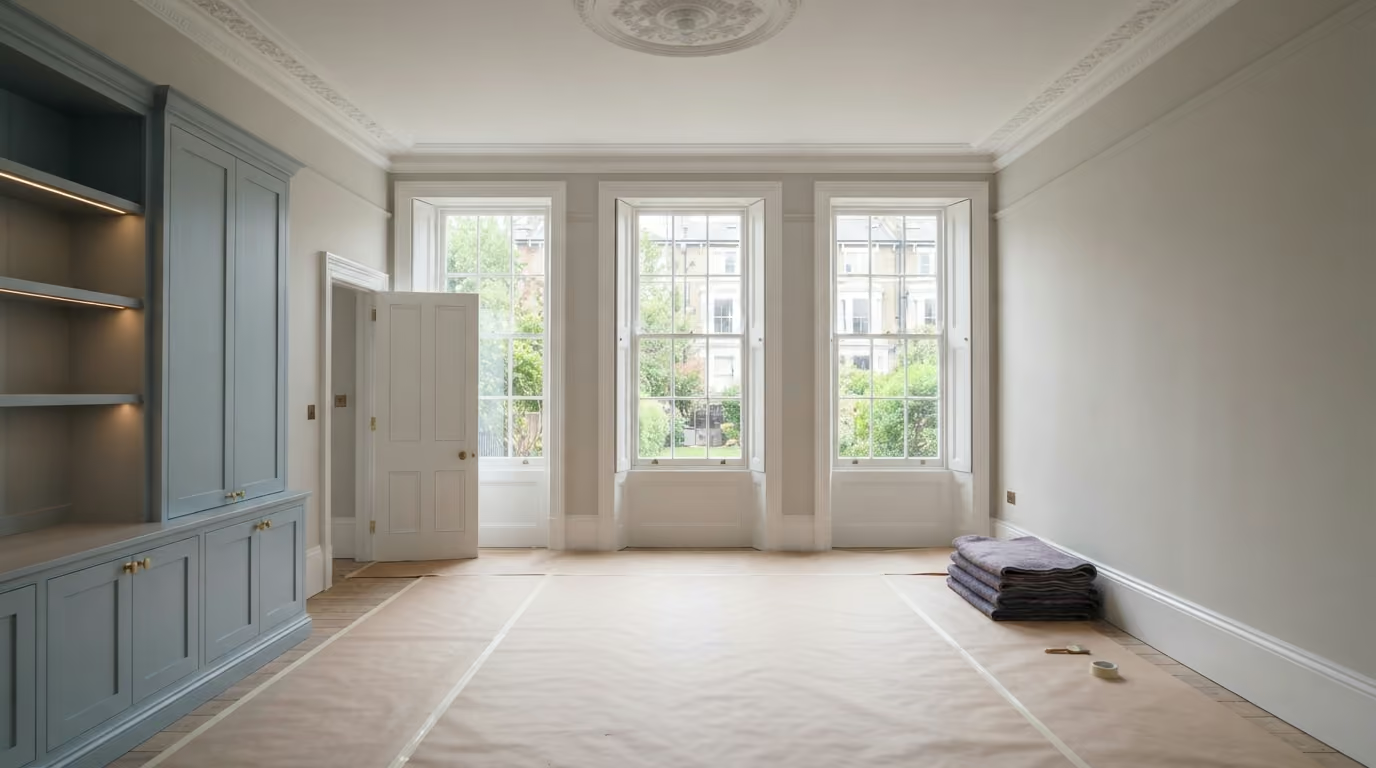
Tell us a few details about your project and our team will review the enquiry and come back to you within one working day.