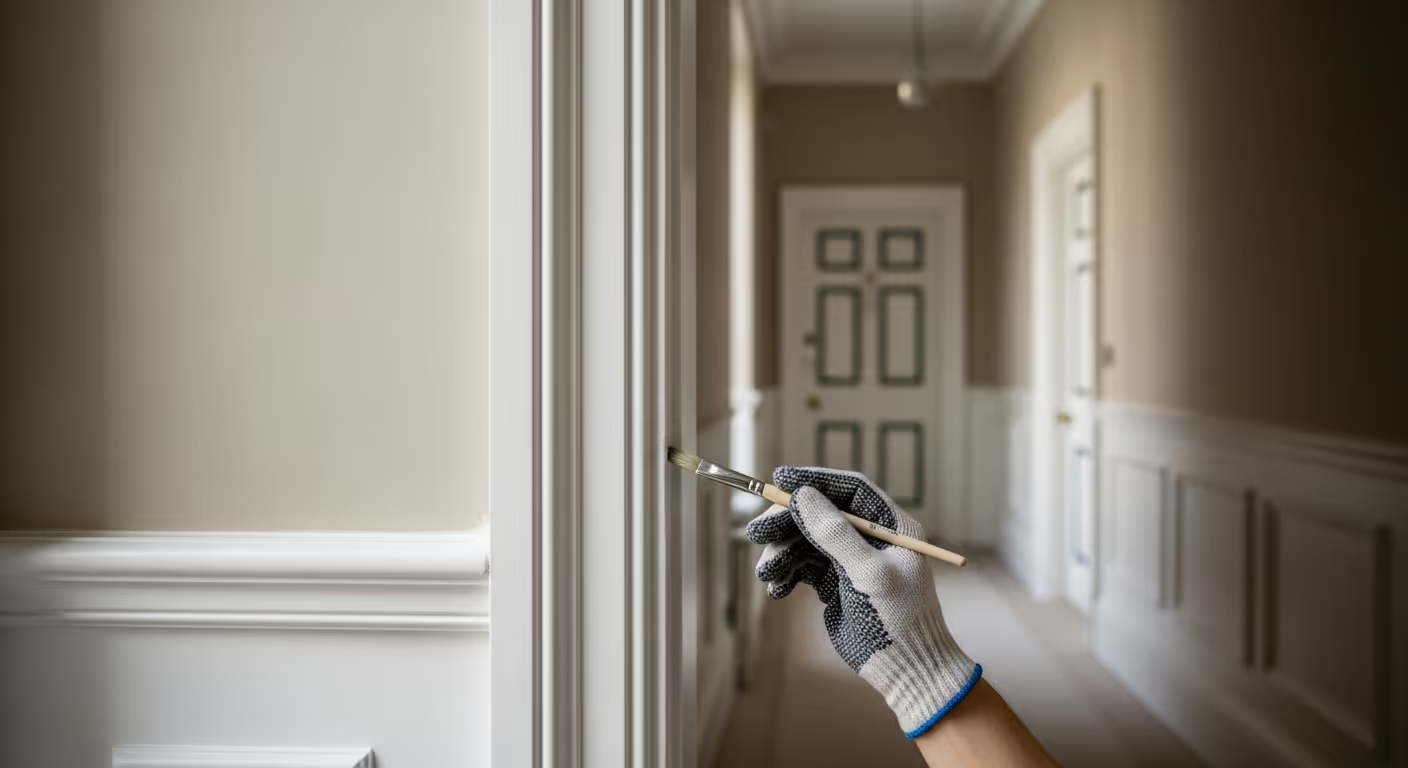
Not sure when your Belgravia doors, skirting, and frames need repainting? This guide explains the signs to watch for, how long a proper finish can last, and how to plan a tidy refresh that keeps your home looking sharp without turning life upside down.
Short answer: In Belgravia homes, well finished woodwork can look great for years, but high touch areas like door edges, handrails, and stair skirting usually need attention sooner than quiet rooms. The best time to repaint is when you see gloss loss, scuffs that will not clean off, visible chips, or sticky doors from paint build up. A calm refresh plan is to treat the busy zones first, then work room by room. If you want a professional finish that lasts, see our interior painting and decorating service.
Woodwork is the outline of your interior. Doors, architraves, skirting, shutters, and handrails frame every room. When they look crisp, the whole house feels looked after. When they look tired, even a beautiful scheme can feel a little dull. In Belgravia, homes often have tall skirting, panelled doors, and detailed mouldings, so the quality of the finish is hard to hide.
The tricky part is timing. Many owners wait too long, then end up with chips, rough edges, and layers that make doors stick. Others repaint too early, without fixing the real issues, and the finish fails again quickly. This guide gives a clear way to judge when woodwork needs repainting, what to fix before the first coat goes on, and how to plan the work so it feels tidy and predictable.
People often think only of doors and skirting, but woodwork includes more than that. In Prime Central London homes, these items usually fall into the woodwork plan:
Each of these wears differently. A guest bedroom wardrobe door may look perfect for years. A hallway door edge can show marks within months. That is why it helps to look at woodwork by “touch level” rather than by room name.
There is no single number that fits every home, but good woodwork finishes last longer when the prep is right and the product system suits the surface. In a Belgravia home with careful daily use, some areas can look strong for a long time. In a busy family home with frequent visitors, the same areas can show wear much earlier.
Instead of guessing a timeline, use these factors to predict when repainting is likely:
A good decorator will plan around these realities. The goal is not to repaint everything constantly. The goal is to keep the high wear zones crisp, so the whole home still reads as well cared for.
If you are wondering whether it is time, these signs are the best guide. Most owners spot them in the hallway and stairs first.
If you see one small mark, you may only need a local repair. If you see several of these across the same zone, it is usually time for a proper refresh.
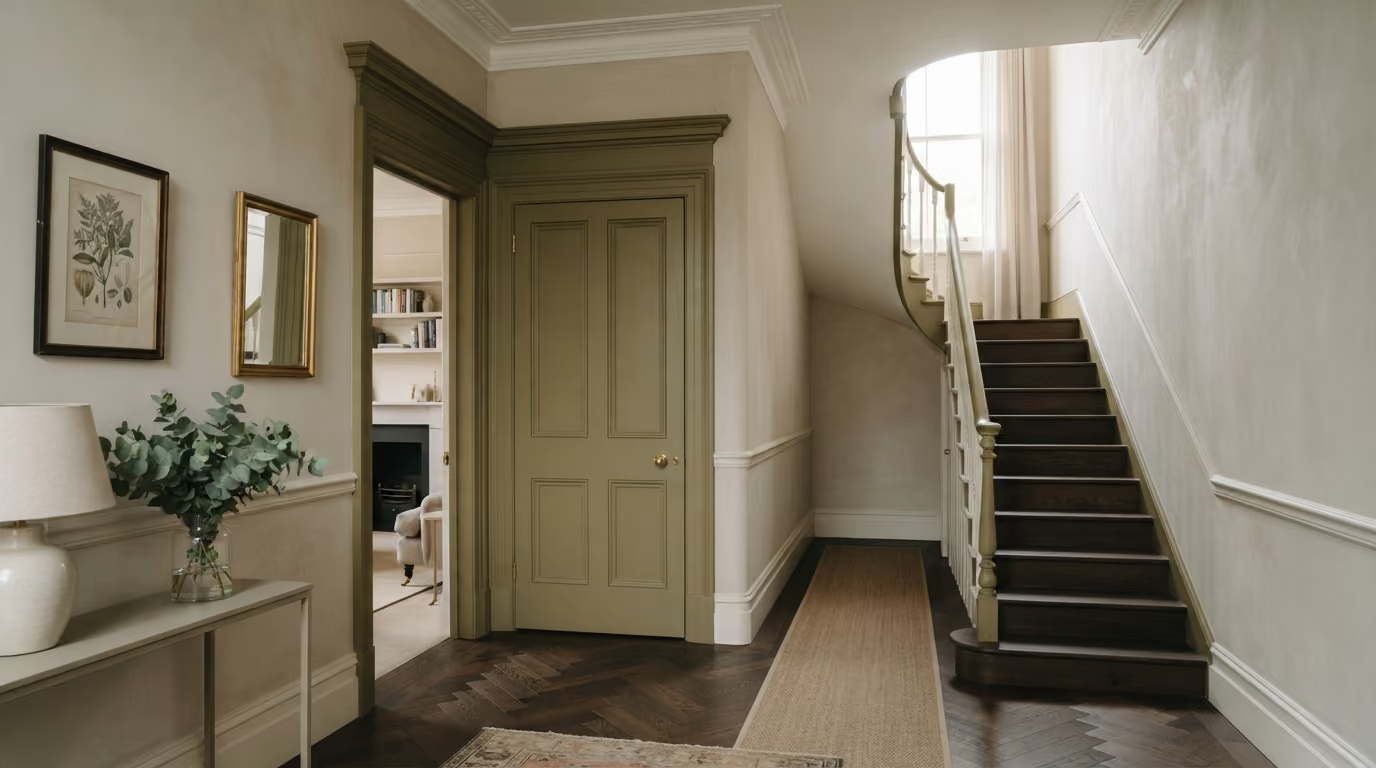
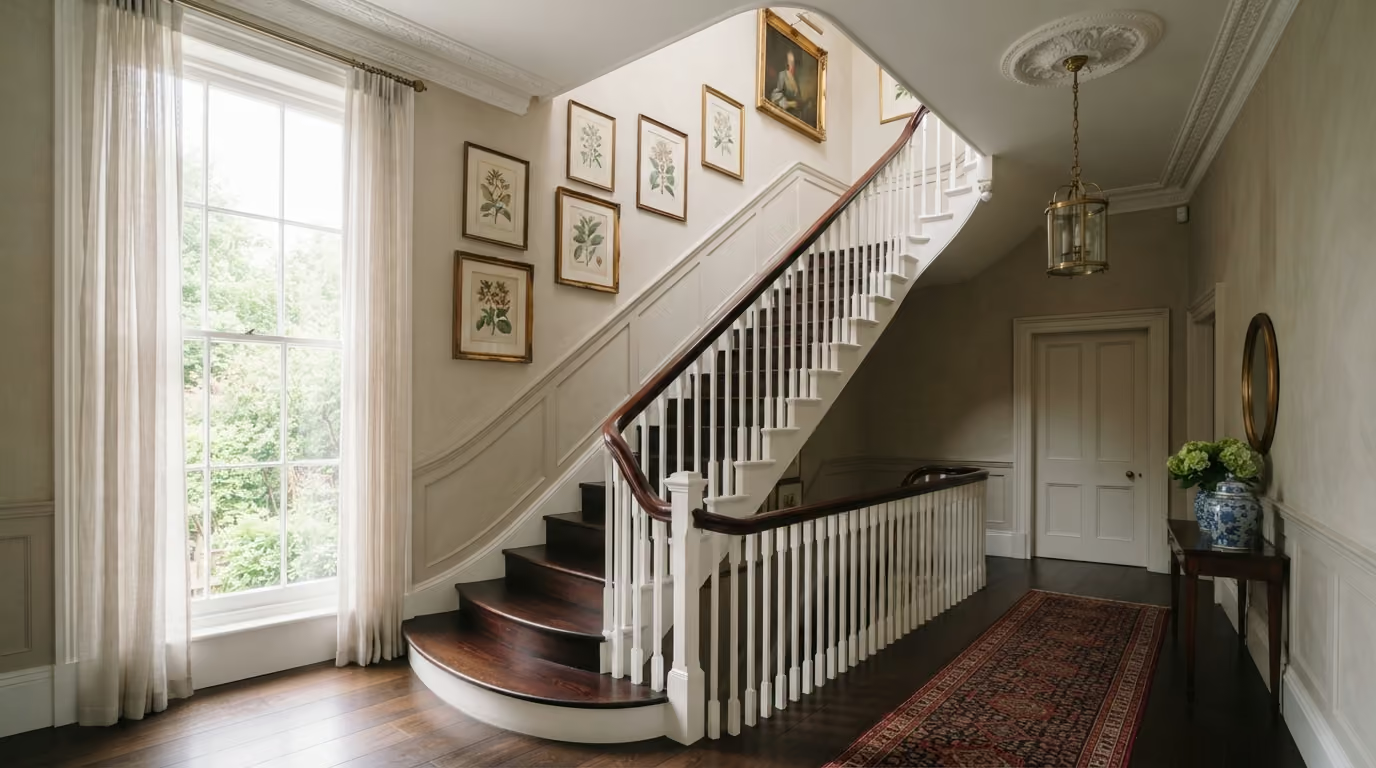
Hallways and stairs are the high traffic spine of the home. Even if the rooms are quiet, the hall sees constant movement. In Belgravia, hallways are often narrow, with tight turns and stair runs where people brush the wall and the trim without noticing.
High wear zones in most homes:
If you are repainting hallway walls at the same time, keep your finish choices consistent with the system you use. Your client rule for hallway walls is matt or soft sheen. Woodwork is a separate finish choice, and the exact system depends on the joinery and the use of the space.
Two woodwork repaints can use the same colour and still look completely different. The difference usually comes from prep and edge control.
Here is what changes the result the most:
If you want to see the kind of refined finish this creates, you can look through our projects page. Period interiors like the Georgian London interior show how crisp lines and calm surfaces lift the whole space.
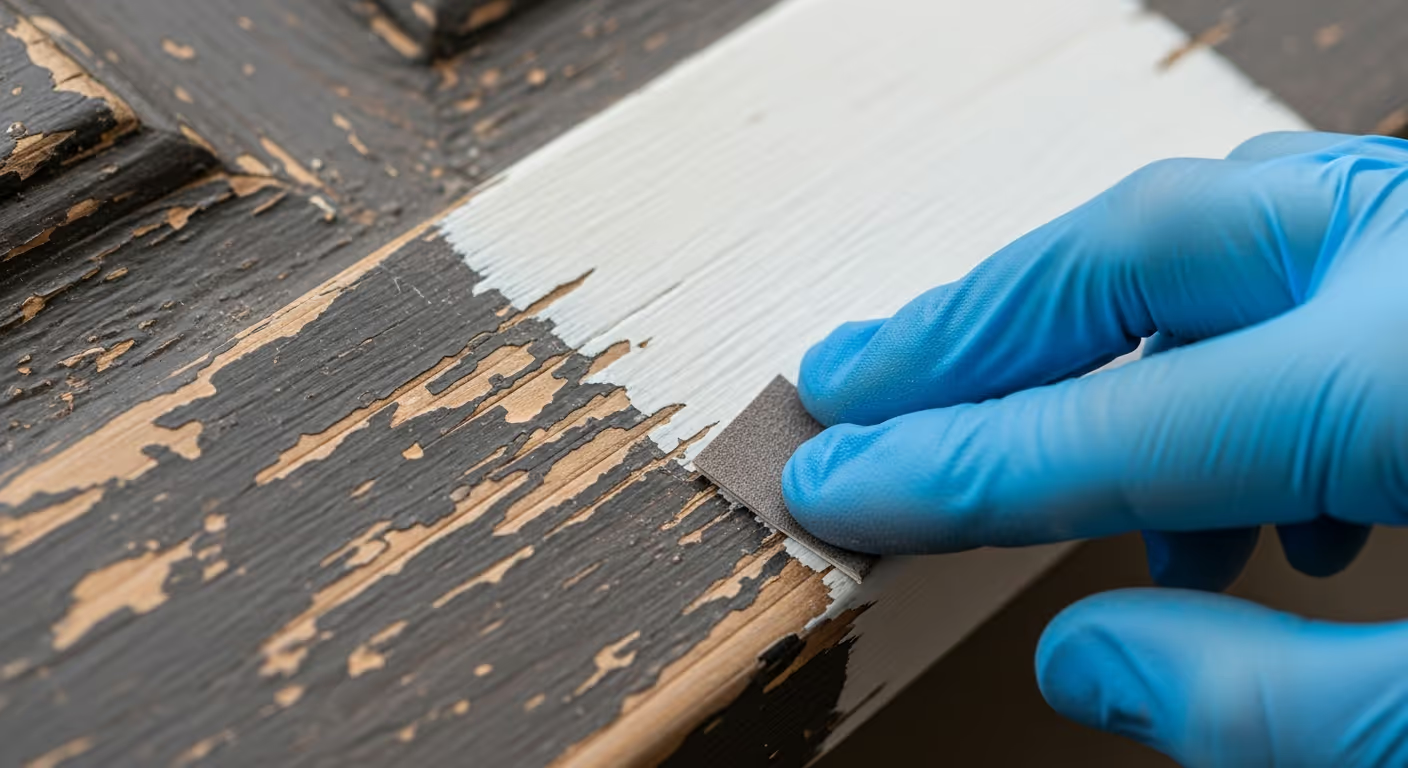
Woodwork prep sounds simple, but doing it properly is what makes the finish last. In most Belgravia homes, we focus on these steps.
Skipping these steps often causes the same issues to return. A quick coat can look good for a week, then chips appear again in the same places.
If you do not want to repaint the whole home at once, this room by room view helps you prioritise.
This is the highest impact zone because it is the first thing you see. Fresh skirting, clean door frames, and tidy handrails make the entire house feel cared for. Even when bedrooms are untouched, this zone can lift the mood of the home immediately.
These rooms often have the strongest lighting. Side light can show every brush mark and every dent. A crisp repaint here can make panelling and door sets look tailored.
Bedrooms are usually lower contact, so a repaint can be planned less often. Many owners choose to refresh only the door, the frame edges, and the window boards first, then do full runs later.
These zones can be tough on finishes due to frequent wiping and daily use. If you have painted cabinetry or busy doors, these may need earlier attention than bedroom joinery.
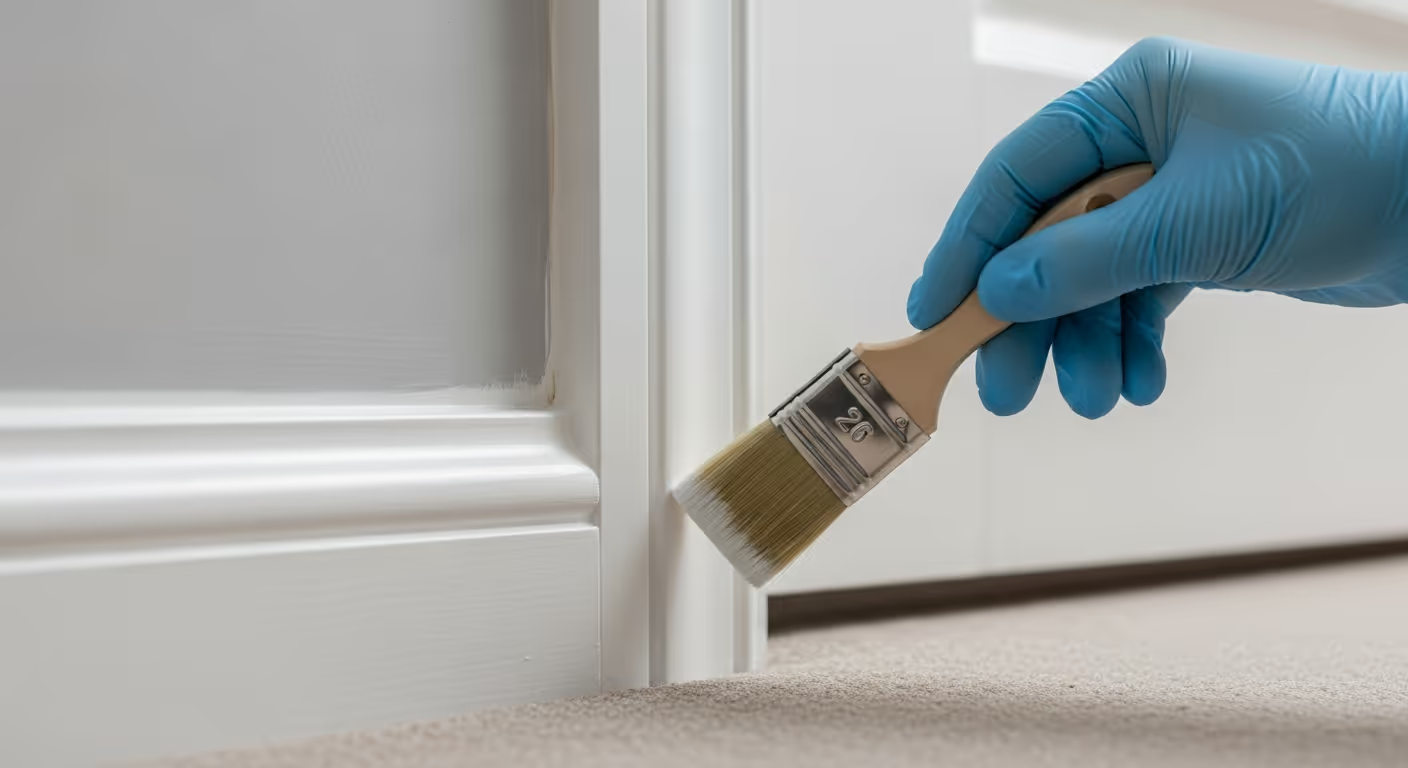
Owners often ask if they can avoid a full repaint by touching up. Sometimes yes, but it depends on what the damage is and how old the existing finish is.
Touch ups can work when:
Full repaint is usually better when:
If you are not sure, photos help. Many decisions can be made from a quick survey, then confirmed on site.
Belgravia homes are often lived in during decorating. A calm plan is to work in phases and finish each phase fully.
A simple phased approach:
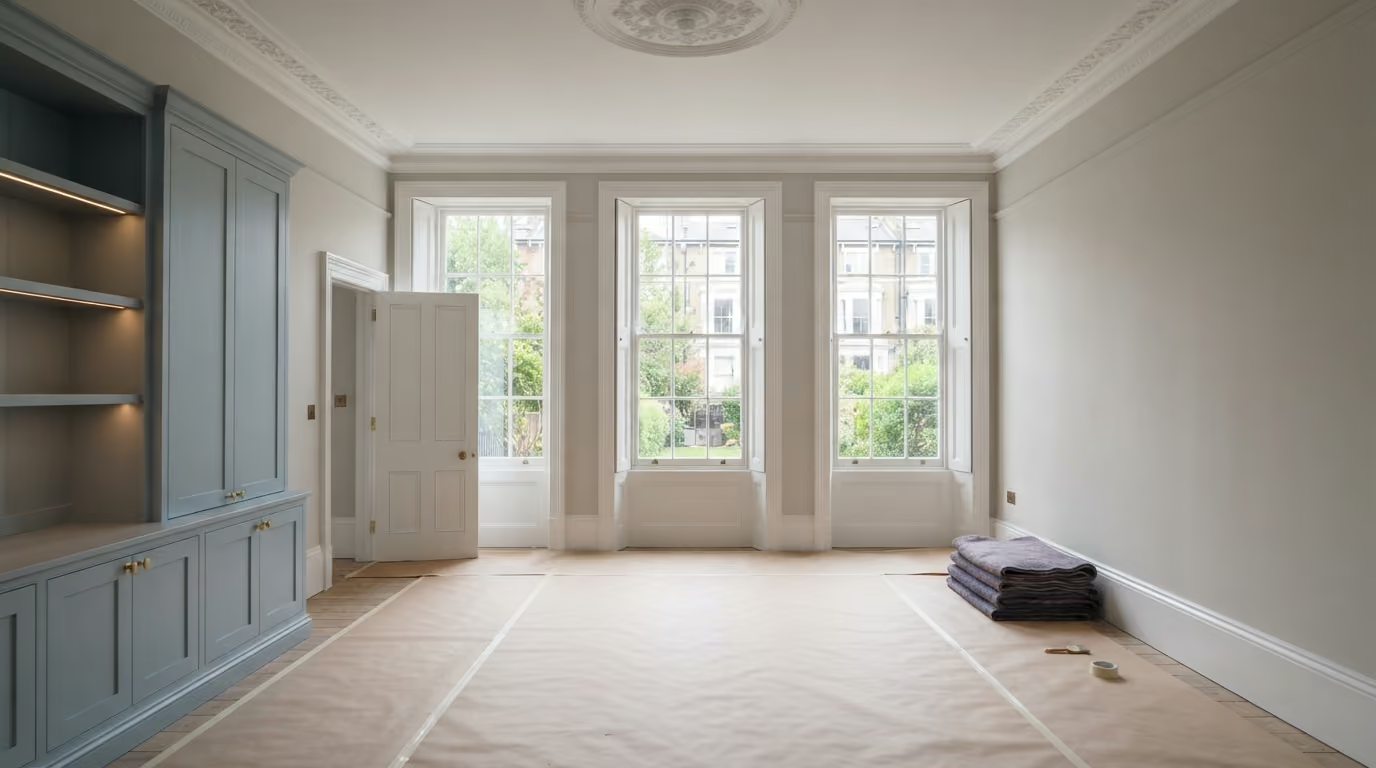
Protection matters. Floors should be covered properly, furniture grouped and covered neatly, and a clean route kept open where possible. If you are doing walls at the same time, woodwork planning should be built into the sequence so lines stay crisp.
Is it normal for white woodwork to yellow? Yes, it can happen over time, especially in low light zones and on older coatings. A repaint refresh brings it back to a clean look.
Why do door edges chip more than flat panels? Door edges get constant contact and knocks. They also often have thinner paint build if past repaints were rushed.
Can you repaint woodwork without repainting walls? Yes. It is common to refresh trims and doors first, then do walls later. The key is protecting walls during the woodwork work and keeping cut lines clean.
How do I stop doors sticking after repainting? Correct prep helps. Paint build in the wrong places can cause sticking, so the approach should include careful sanding and correct clearance at edges.
We repaint interior woodwork across Prime Central London, including Belgravia, Chelsea, Kensington, Notting Hill, Knightsbridge, and Westminster. You can view examples of our interior finish standard on our projects page, and if you want to discuss your home, you can contact us for a site visit.
Want to refresh your Belgravia woodwork? Send a few photos of your doors, skirting, and stairs, and tell us which areas get the most daily use. We can suggest a phased plan, advise what can be repaired versus fully repainted, and deliver a crisp finish that suits your home. To begin, request a site visit and we will arrange a time that works for you.
Tell us a few details about your project and our team will review the enquiry and come back to you within one working day.