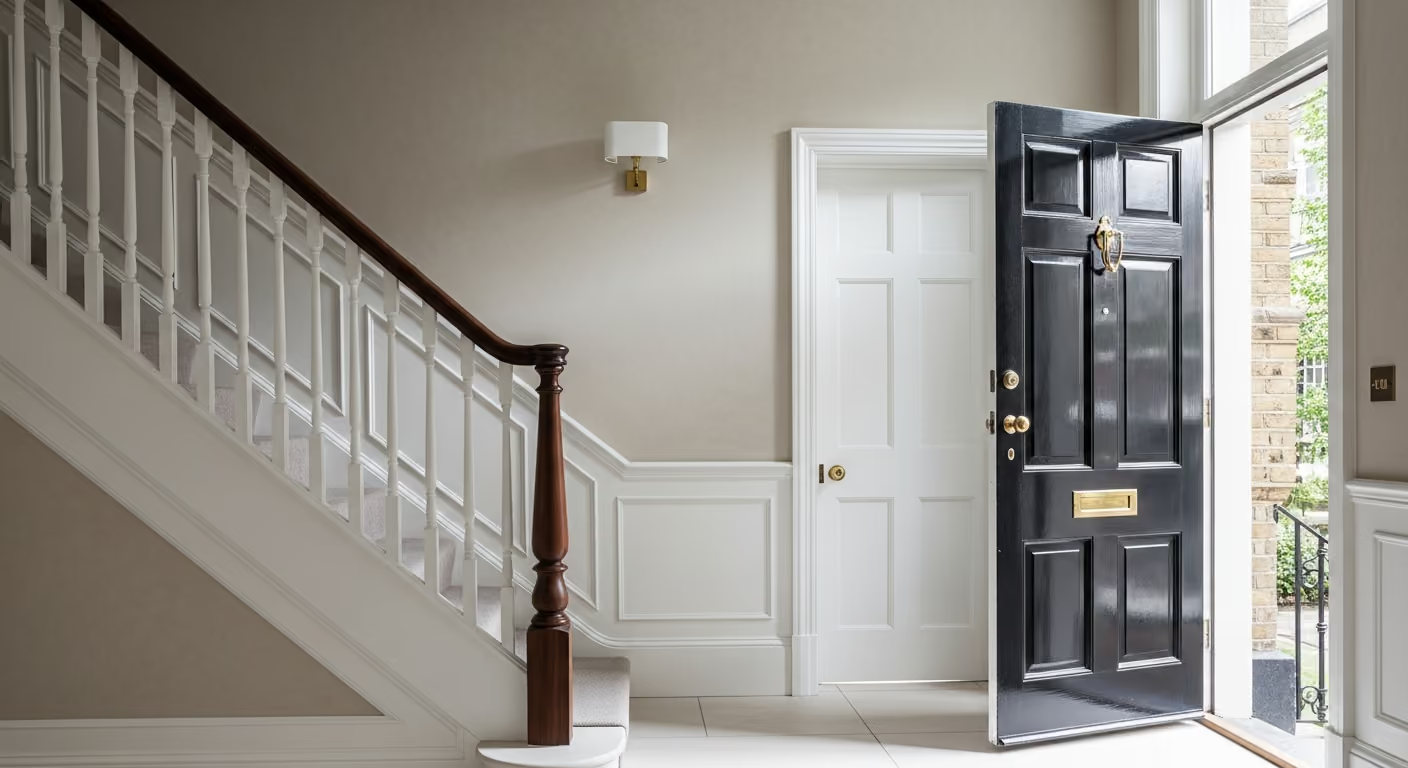
Thinking about Bauwerk limewash for a Chelsea entrance hall? This guide explains when the finish works well, when matt or soft sheen paint may be more practical, and how to plan colour, wall preparation, lighting, and daily use.
The practical answer: Bauwerk limewash can work beautifully in a Chelsea entrance hall when the space needs softness, depth, and a more natural feel than standard paint. It is best suited to entrance halls with lower wall contact, good wall preparation, and a clear plan for corners, skirting, doors, and daily use. If the hall is narrow, busy, or often touched by bags, coats, and deliveries, a more practical matt or soft sheen paint may be better for the main walls. For a careful finish plan, see our Bauwerk limewash service.
An entrance hall sets the tone for a Chelsea home. It is the first space guests see, the place where the architecture begins to speak, and the area that connects the rest of the interior. A hall can feel elegant and calm, or it can feel tight, flat, and overly practical. The finish on the walls plays a large part in that first impression.
Standard paint can look clean and classic. Wallpaper can add pattern and texture. Bauwerk limewash sits somewhere between the two. It brings mineral depth and soft movement without turning the hall into a heavily decorated space. That makes it tempting for Chelsea entrance halls, especially in homes with period details, tall ceilings, cornices, stone floors, staircases, or beautifully painted doors.
But an entrance hall is also a working space. It handles coats, bags, umbrellas, deliveries, pets, shoes, and daily movement. That means limewash should be chosen with care. This guide explains when Bauwerk limewash makes sense in a Chelsea entrance hall, when another finish may be better, and how to plan the colour, preparation, and details so the result feels refined rather than risky.
An entrance hall may look simple, but it often works harder than many other rooms. People pass through it every day. Walls near the front door, stairs, switches, and coat storage can get touched often. Narrow areas can get scuffed by bags and furniture. Corners can be knocked. Lower walls can mark more quickly than expected.
This matters because Bauwerk limewash is chosen for its soft mineral character. It is beautiful, but it is not the same as a hard wearing washable wall paint. In a formal entrance hall with enough space and careful use, it can be excellent. In a very narrow or heavily used hall, it may need to be limited to certain areas or replaced with a more practical finish.
Before choosing limewash, check:
A good finish choice starts with real use, not only with the look.
Bauwerk limewash works best in halls where the walls can be treated with a little respect. It suits entrance spaces that are elegant, controlled, and not constantly knocked. In Chelsea homes, this might mean a wider hallway, a formal entrance, a stair hall with good proportions, or a space where the main wall areas are not touched every day.
It can work especially well when:
In these settings, limewash can make the entrance feel warmer and more atmospheric. It can soften a formal space and make the walls feel quietly alive.
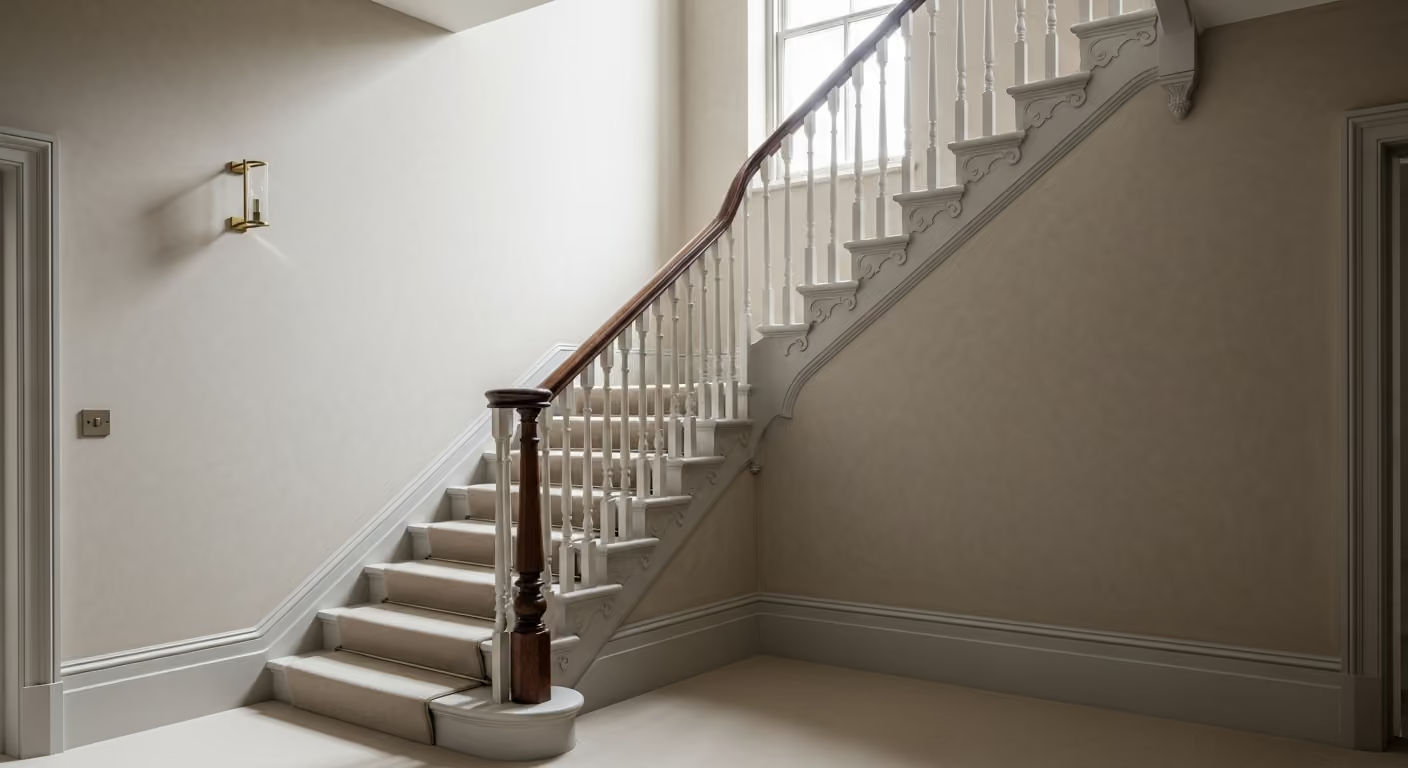
Some entrance halls need practicality more than softness. If the space is narrow, busy, or used by children, pets, deliveries, and daily family traffic, a standard paint finish may be easier to live with. This is especially true on lower walls and corners.
Limewash may not be the best option when:
In these cases, it may still be possible to use limewash in a controlled way. For example, it can be used above panelling, on a stair wall, or in a quieter part of the entrance, while more practical paint is used in the highest contact areas.
One of the best ways to use limewash in a busy entrance hall is above panelling. The lower wall takes most of the contact, while the upper wall carries the softer decorative finish. This can be a very elegant solution in Chelsea homes with traditional joinery, dado rails, or panelled hallways.
This approach works well because:
For this to work, the colours need to be planned together. The panel colour, trim colour, and limewash tone should feel related. If the lower wall is too cold or too bright, it can make the limewash look dull or yellow. If it is too dark, the hall can feel heavy.
Entrance halls often have less natural light than reception rooms or bedrooms. That means colour choice needs careful testing. A limewash colour that looks perfect in a bright room can feel muddy or too deep in a hallway.
Good colour directions often include:
Very cool greys can feel flat in a shaded hallway. Strong beige can feel heavy if there is not enough light. The safest choices usually have warmth, but not too much yellow. The colour should feel elegant in daylight and calm under evening lighting.
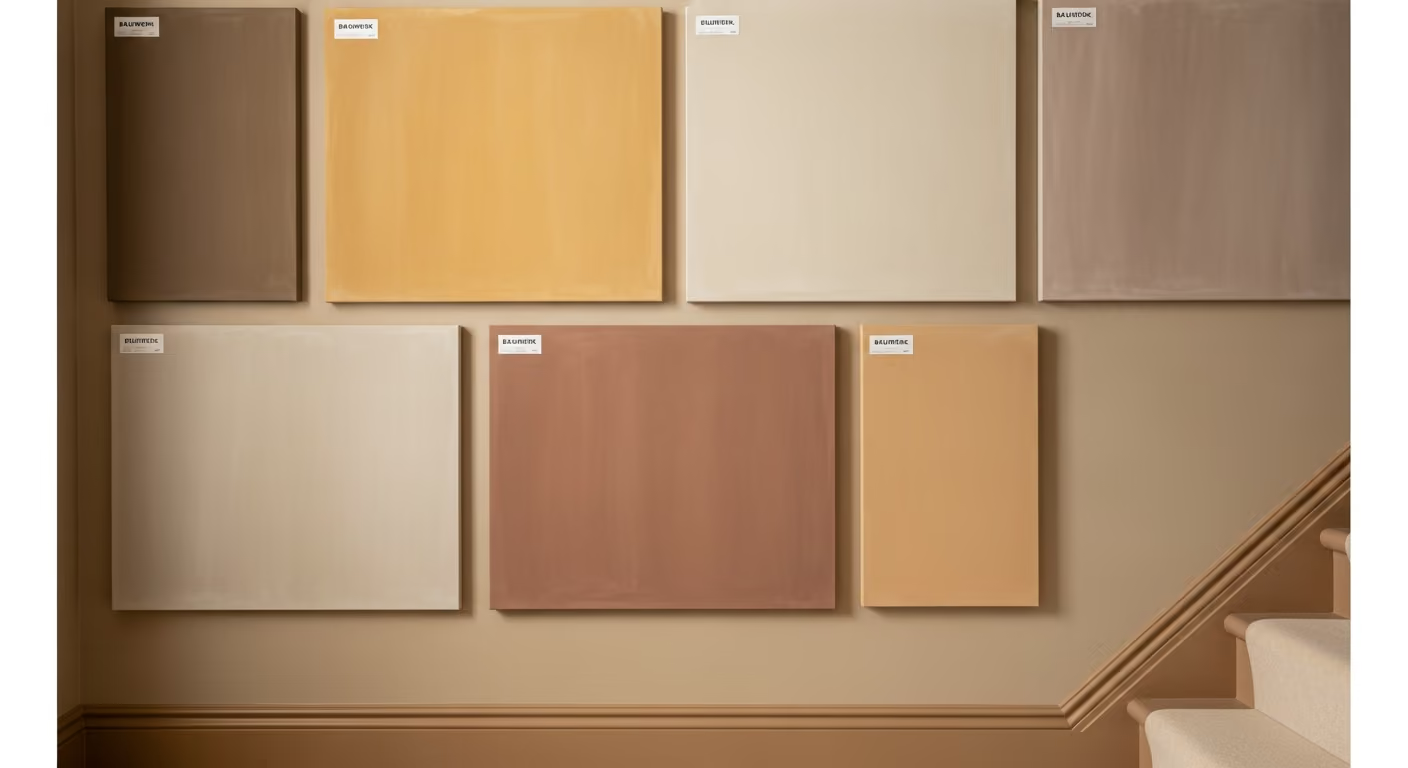
Sampling matters with every limewash project, but it matters even more in entrance halls. Halls often have changing light. The wall near the front door may be bright for part of the day. The stair wall may be in shadow. The area near internal doors may only be lit by lamps or ceiling lights.
Test samples in several places:
The darkest area is often the most important. If the limewash looks good there, it will usually work elsewhere. If it looks dull, cold, or too heavy in the darkest area, choose a softer or warmer tone.
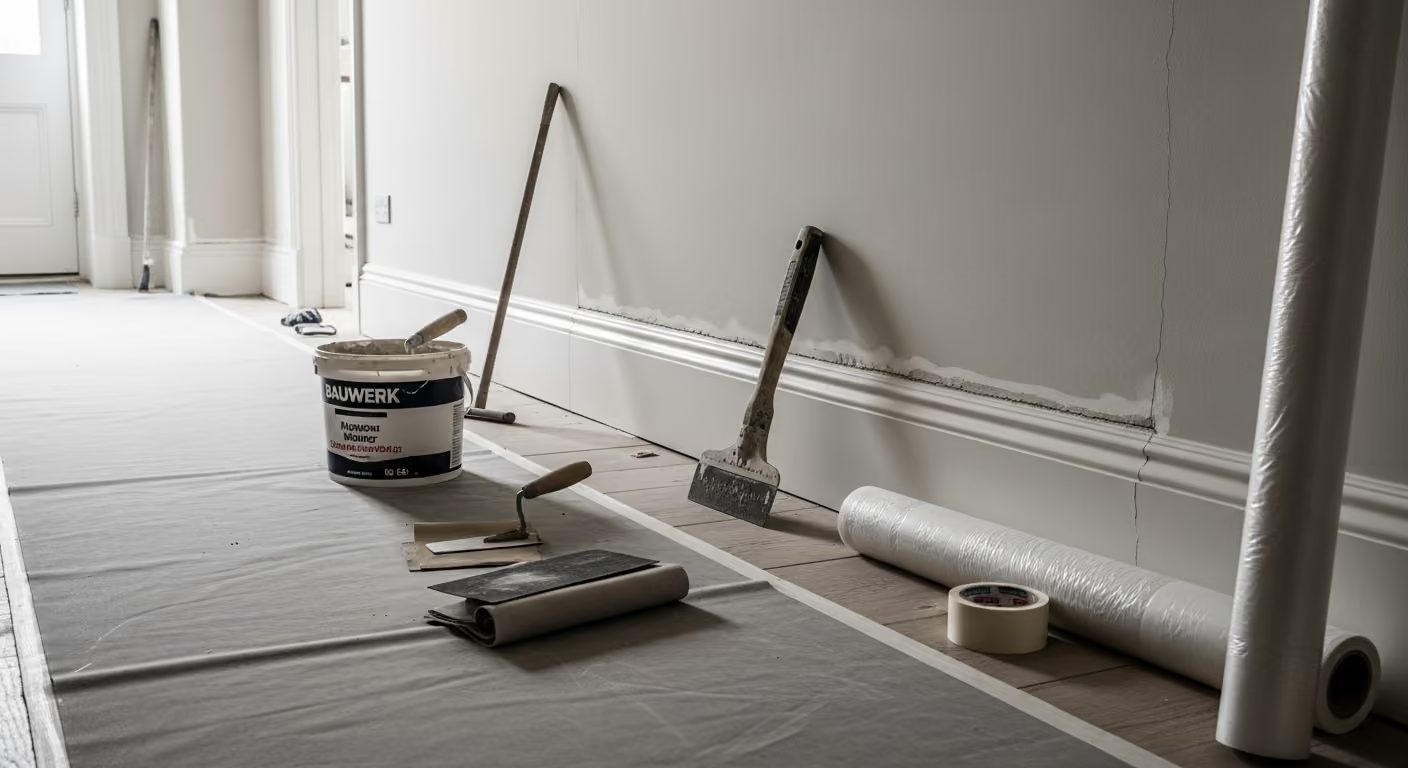
Bauwerk limewash needs a suitable base. It is not a way to hide bad walls. If the hall has old filler, cracked plaster, uneven paint, or mixed surfaces, those issues need to be addressed before the final finish.
Good preparation can include:
Entrance halls often have many junctions. Doors, frames, skirting, stairs, switches, corners, and ceiling lines all need clean preparation. The softer the wall finish, the more important the surrounding detail becomes.
A staircase can make limewash look beautiful because the wall catches light at different angles. A stair wall often has height, movement, and long views from the entrance. This gives the limewash room to show its natural variation.
However, stair walls can also be high contact areas. Hands, bags, furniture, and daily movement can all affect the surface. If there is no handrail or if the wall is regularly touched, limewash may need careful placement.
Good stair hall planning includes:
A limewashed stair wall can be stunning, but it should be planned around how the staircase is actually used.
Limewash has softness and movement. That means the trim around it needs to be crisp. Skirting, architraves, doors, stair strings, and handrails create the frame for the finish. If the woodwork looks tired, the limewash will not feel as refined.
Before applying limewash, check whether the woodwork needs:
A soft mineral wall beside chipped skirting does not create a high end result. The wall finish and woodwork need to be planned together through interior painting and decorating.
Lighting is very important in a limewashed hallway. The finish changes depending on how light moves across it. Wall lights can bring out texture. Ceiling lights can flatten it. Lamps can make warm tones glow. Poor lighting can make even a good colour feel dull.
Before choosing the final colour, check it under:
If the hallway has very little natural light, a lighter limewash tone may be better. The finish will still bring movement, even in a softer colour.
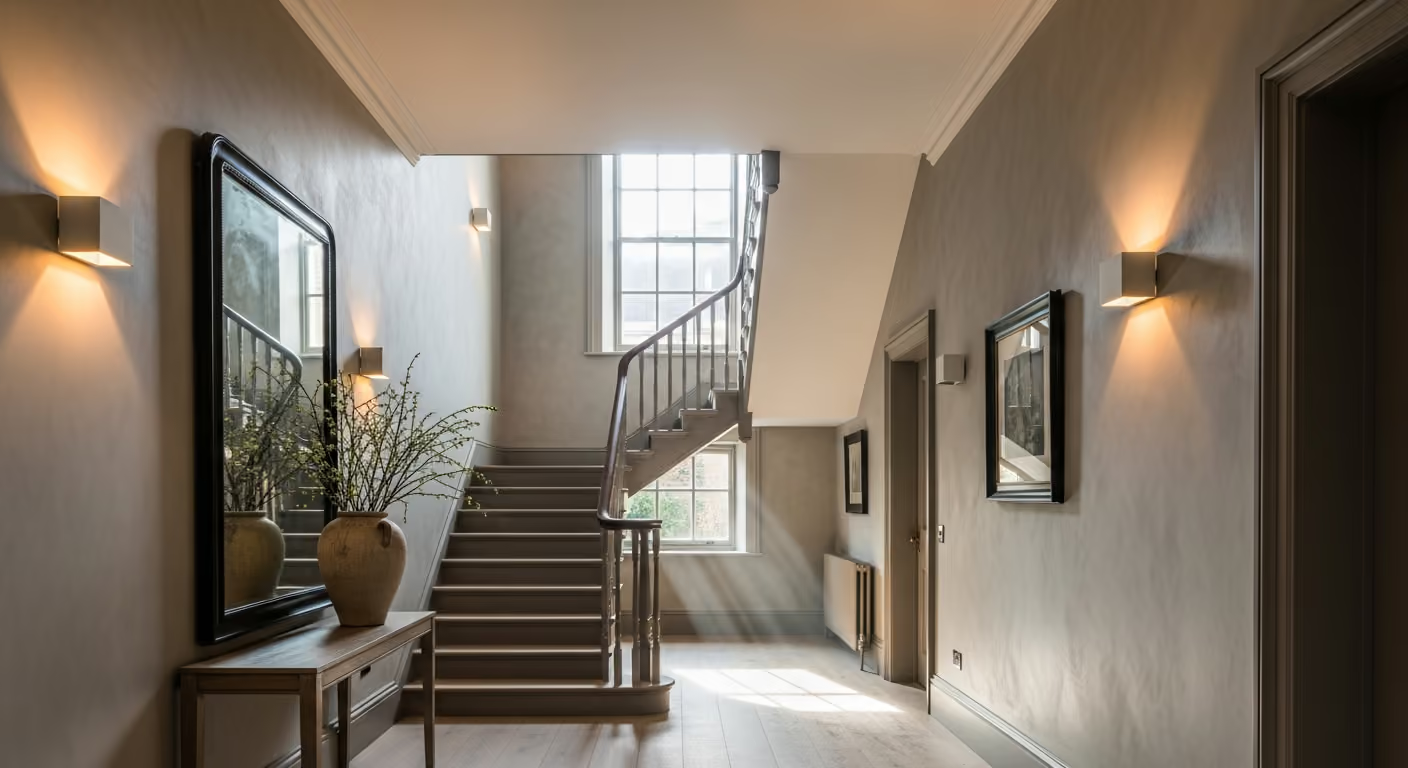
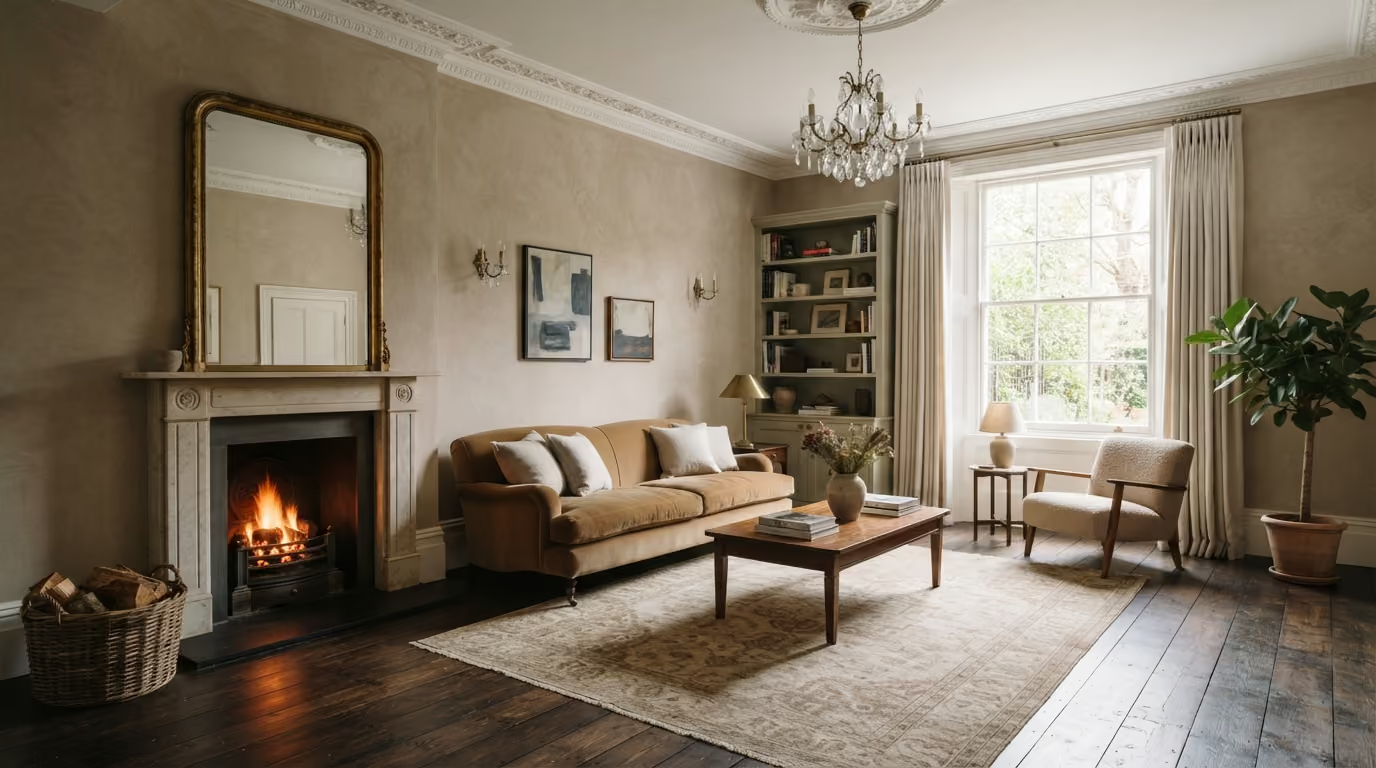
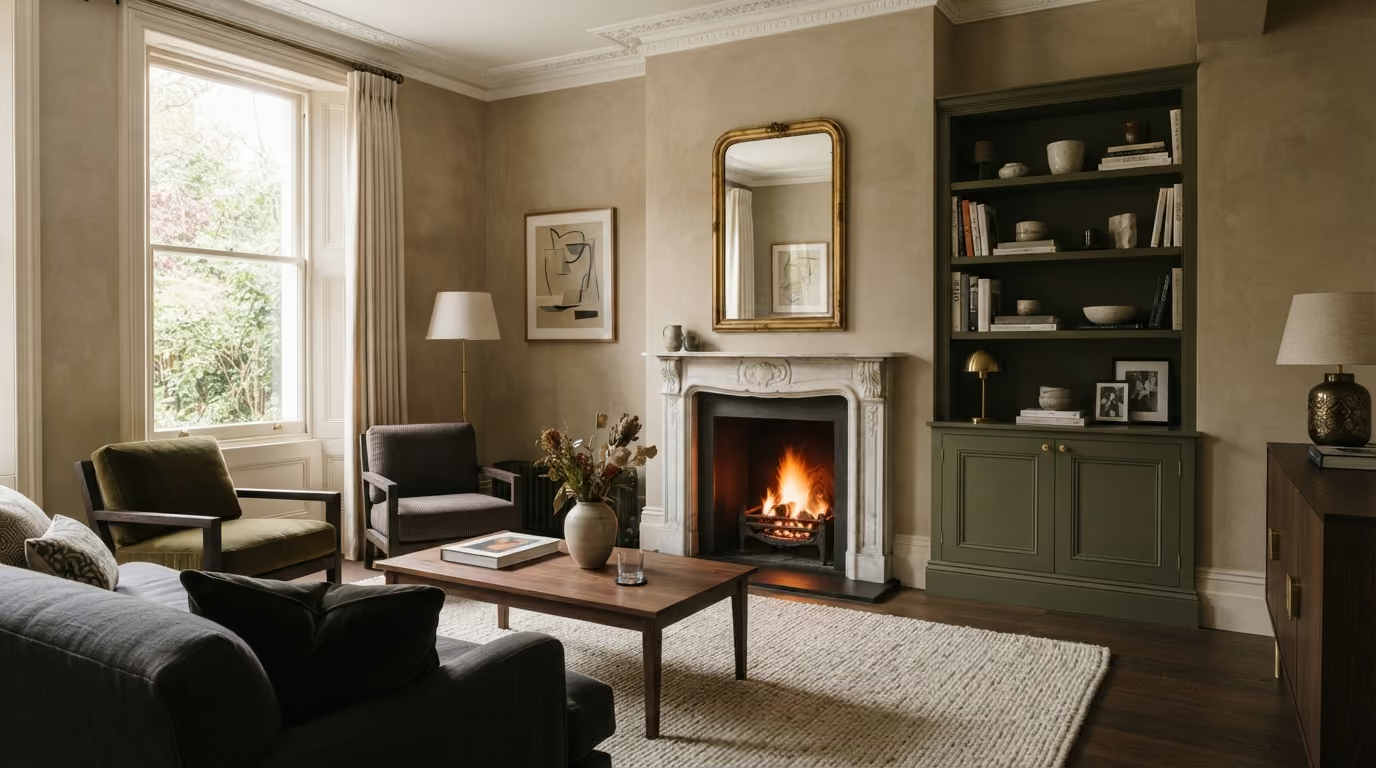
An entrance hall connects the whole home, so the limewash should not feel isolated. It should relate to the reception room, staircase, kitchen, and bedrooms beyond. This does not mean every room needs the same finish. It means the colours should belong together.
A good flow can be created by:
If nearby rooms use wallpaper, the hall limewash should not compete with it. If a reception room uses a soft painted finish, the limewash can give the entrance more depth while still feeling connected.
Limewash does not touch up in the same way as standard paint. Because the surface has natural movement, small touch ups can sometimes blend, but they can also show depending on colour, location, and light. This is one reason to think carefully before using it in a very high contact hallway.
To reduce future issues:
The best maintenance plan is prevention. Put the finish where it can stay beautiful.
There are times when a standard paint finish is simply the better choice. For busy hallway walls, matt or soft sheen can give the right balance of appearance and practicality. These finishes are often more suitable when regular cleaning or more durability is needed.
Paint may be better when:
This does not make limewash wrong. It simply means the finish should match the room. A practical hallway can still be beautiful with the right matt or soft sheen paint and a carefully chosen colour.
Most problems can be avoided by asking one simple question early. Is this wall mainly decorative, or does it need to work hard every day?
Is Bauwerk limewash suitable for a Chelsea entrance hall? Yes, in the right setting. It works best in halls with lower wall contact, good preparation, and a clear plan for corners, skirting, and daily use.
Will limewash mark easily in a hallway? It can mark more easily than some practical paint finishes, especially in high contact areas. That is why placement matters.
Can limewash be used above panelling? Yes. This is often a very smart option because the lower wall can be more durable while the upper wall carries the softer limewash finish.
What colours work best in a Chelsea hall? Warm stone, soft putty, gentle clay neutrals, and softened off whites often work well. The final choice should be tested in the hall’s darkest areas.
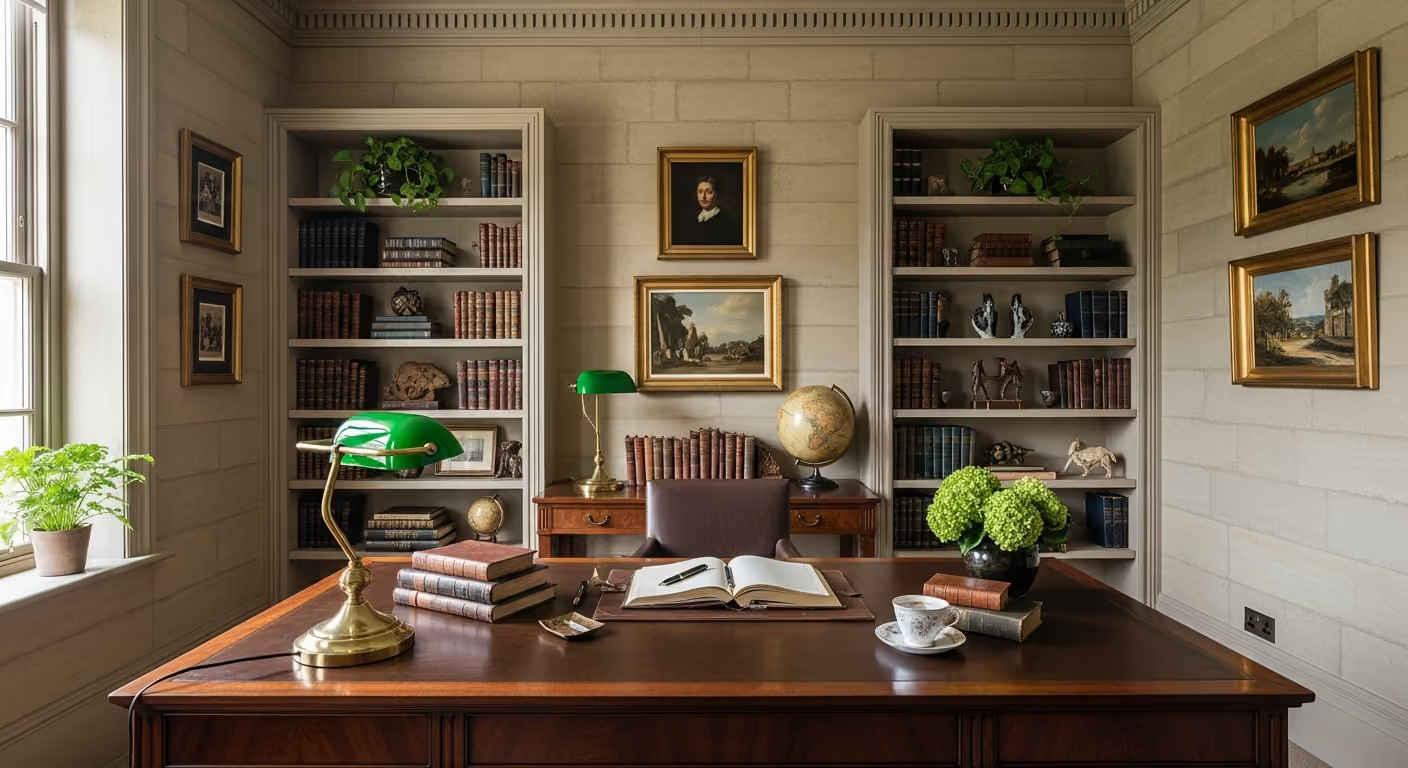
We carry out Bauwerk limewash projects across Prime Central London, including Chelsea, Kensington, Belgravia, Notting Hill, Knightsbridge, and Westminster. Many of these projects involve entrance halls, stair halls, reception rooms, dining rooms, bedrooms, and studies where the finish needs to feel calm, refined, and suited to real use.
Thinking about Bauwerk limewash for your Chelsea entrance hall? Send a few photos of the hallway, including the front door area, staircase, skirting, corners, and the darkest wall sections. We can help judge whether limewash is suitable, advise where a more practical finish may be better, and plan a colour scheme that feels warm, refined, and practical for the way you live. To begin, request a site visit and we will arrange a time that suits you.
Tell us a few details about your project and our team will review the enquiry and come back to you within one working day.