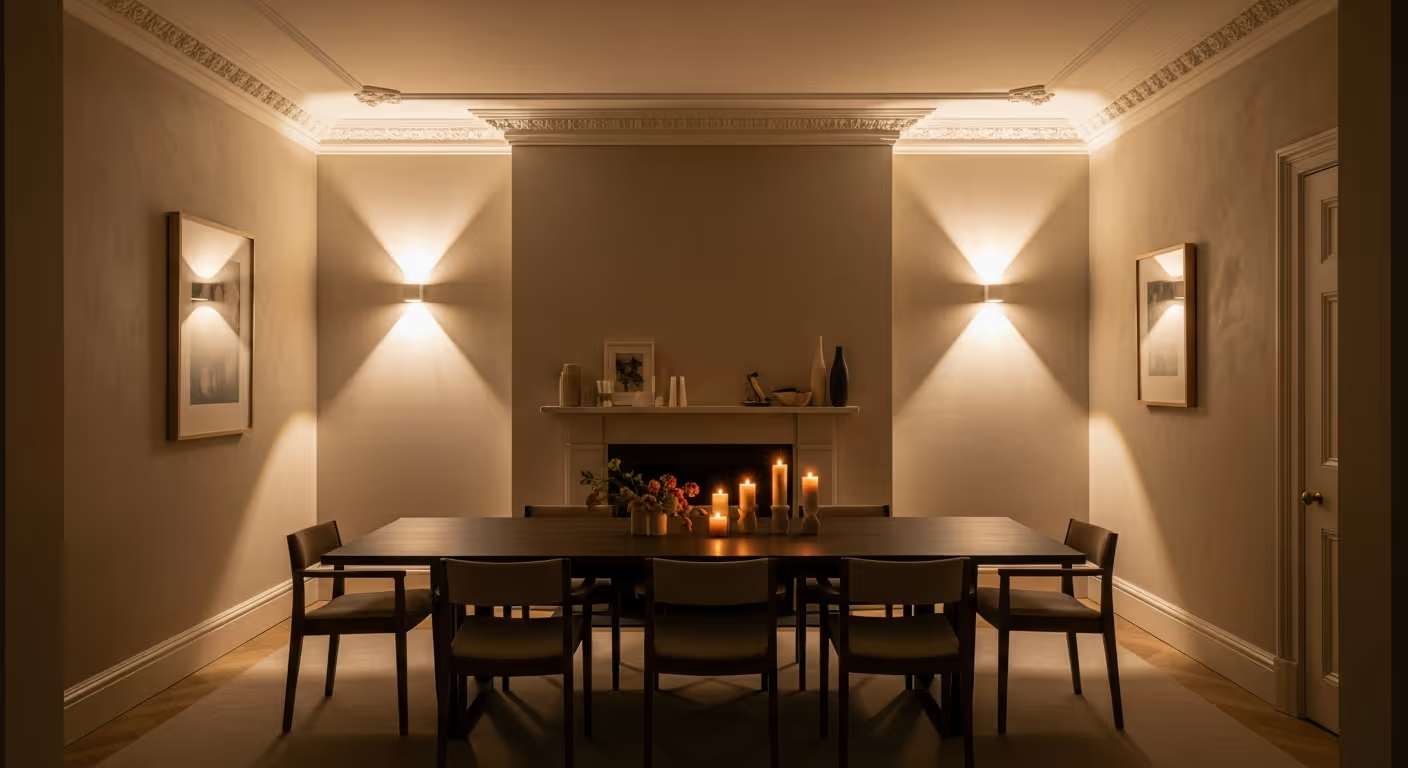
Thinking about Bauwerk limewash for a Belgravia dining room? This guide explains how the finish works in evening light, which colours feel calm and refined, and how to plan the wall preparation so the room feels warm, elegant, and built for real use.
The practical answer: Bauwerk limewash can work beautifully in a Belgravia dining room when you want depth, warmth, and a softer finish than standard paint. It is best suited to rooms with good wall preparation, controlled lighting, and lower daily wall contact. The key is to choose a colour that feels calm in both daylight and evening light, test large sample panels, and prepare the walls properly so the finish looks softly varied rather than patchy. For a full finish plan, see our Bauwerk limewash service.
A dining room is one of the best places to use a finish with atmosphere. It is not a hallway that gets knocked every hour. It is not a kitchen that needs constant wiping. It is a room where light, texture, furniture, and mood matter. In a Belgravia home, that makes Bauwerk limewash a strong option, especially if the room has period detail, tall windows, cornices, a fireplace, or a more formal evening use.
Standard paint can look clean and refined, but it often gives a flatter surface. Wallpaper can add pattern and texture, but it can feel too decorative if the room already has strong furniture, art, or lighting. Limewash sits in a beautiful middle ground. It gives the walls movement and mineral depth without turning the room into a patterned space. That is why it can be such a good fit for dining rooms, where the walls should support conversation, candlelight, and a sense of quiet luxury.
Dining rooms usually have lower wall contact than hallways, staircases, and family rooms. Chairs may sit near the walls, and guests may move around the table, but the walls are not usually being touched or wiped every day. That makes the room more suitable for a finish that is chosen for beauty and atmosphere rather than maximum durability.
Bauwerk limewash works well in dining rooms because:
In a Belgravia dining room, these qualities can make the whole room feel more settled. The walls become part of the mood rather than a plain background.
The main reason people choose limewash is the way it looks on the wall. It does not create one perfectly even sheet of colour. It has natural movement, soft tonal shifts, and a very matte surface. This is not a flaw. It is the character of the finish.
In a dining room, that movement can be very flattering. During the day, light from sash windows can bring out the mineral texture. In the evening, lamps can make the surface feel warmer and more intimate. A standard painted wall may look clean, but limewash can make the room feel more lived in, more tactile, and more considered.
The goal is controlled variation. The wall should feel calm and natural, not patchy or uneven in a bad way. That difference comes from surface preparation, colour choice, and good application.
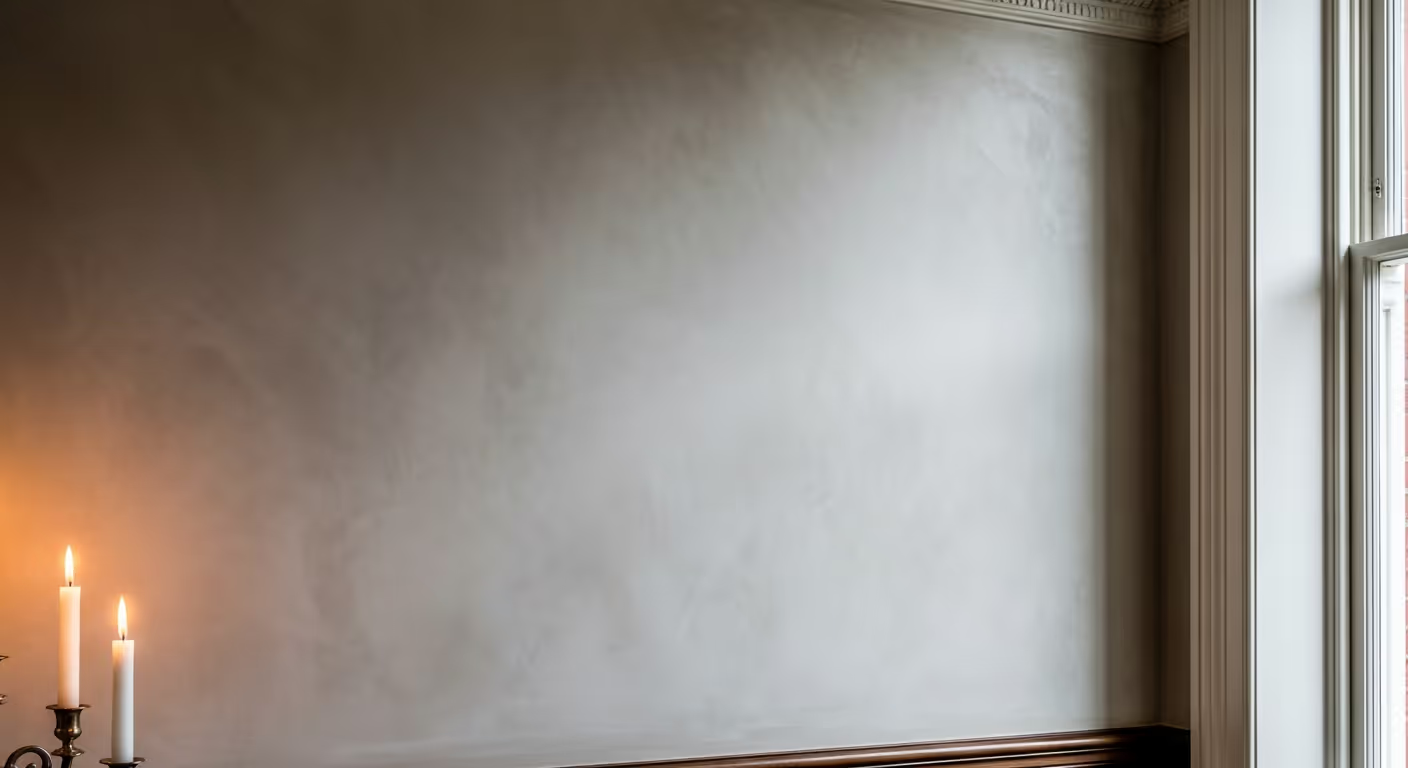
Dining rooms can take slightly richer colours than bedrooms or hallways because they are often used in the evening. Still, the safest colours are usually muted and grown up. Bauwerk limewash already brings depth, so the colour does not need to be loud.
Good colour directions often include:
Very cool greys can be risky in London dining rooms, especially if the room already has limited daylight. They can feel flat or cold when the weather is grey. Very creamy tones can also shift too yellow under warm lamps. This is why sample panels matter so much.
A dining room should be tested at the time it is actually used. Many people choose colours in daylight, then use the room mainly at night. That can lead to surprises. A tone that feels balanced at midday can become too warm, too dull, or too deep under evening lighting.
Before choosing the final colour, check samples under:
Limewash can look especially beautiful in low light, but only when the undertone is right. A warm stone or putty shade may glow softly. A cool grey may fall flat. A clay tone may feel rich and intimate, or too strong if the room is small. The sample stage solves most of these questions before the full room is painted.
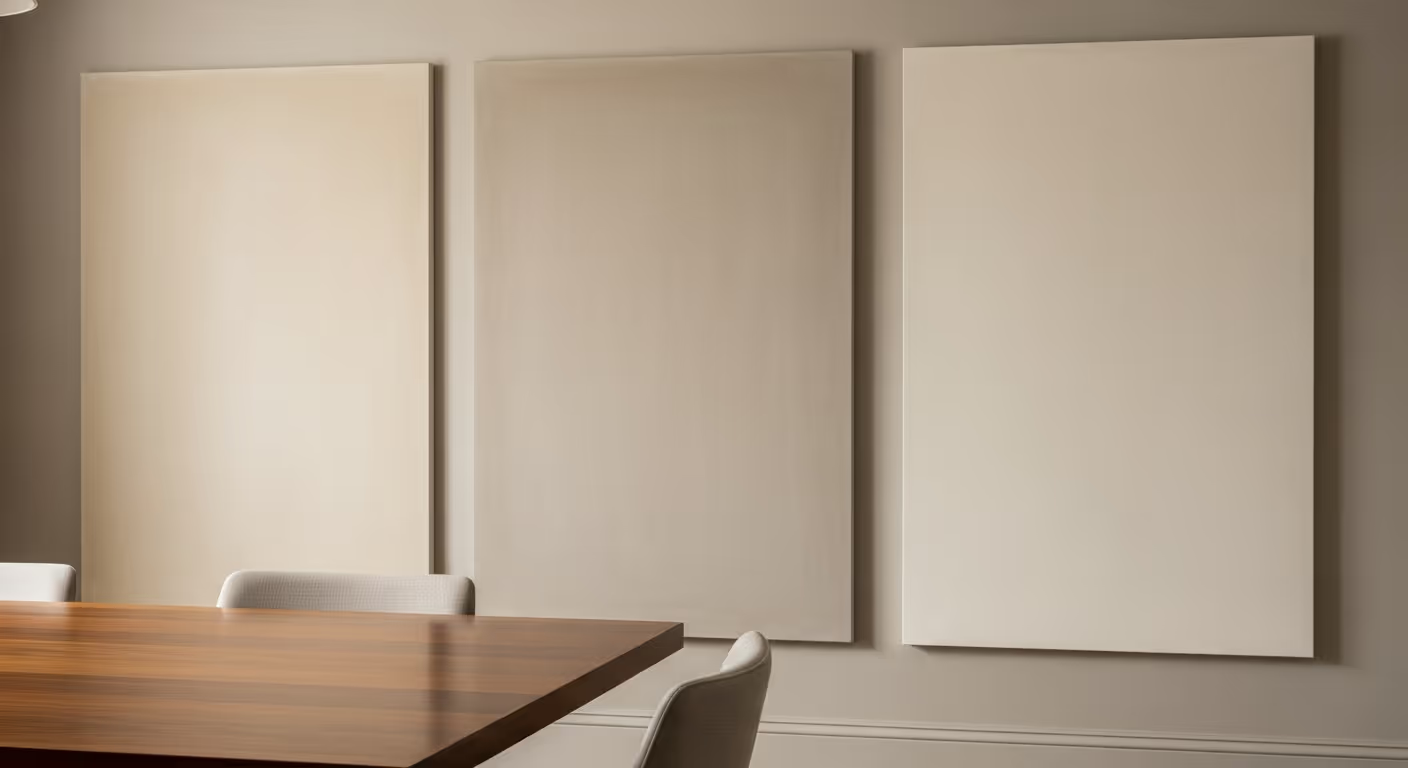
Small cards are not enough for limewash. The finish needs to be seen on the real wall, in the real light, at a size large enough to judge the movement. A sample card can show the colour family, but it cannot show how the wall will feel.
A good sample process should include:
The table view matters. You experience a dining room while seated, so the colour should feel good from that height and angle, not only from close up.
Bauwerk limewash is not a shortcut for poor walls. It needs a suitable base. If the wall has old repairs, uneven suction, loose paint, or mixed coatings, the finish can dry unevenly. That can create the wrong kind of patchiness.
Good preparation often includes:
This is especially important in Belgravia period homes, where walls may have years of older paint, plaster repairs, and small movement cracks. The finish will only look as calm as the base allows.
A dining room wall finish should not be chosen alone. It needs to work with the table, chairs, curtains, rug, art, lighting, and any fireplace or joinery. Limewash is very good at supporting natural materials, but the undertone still needs to be right.
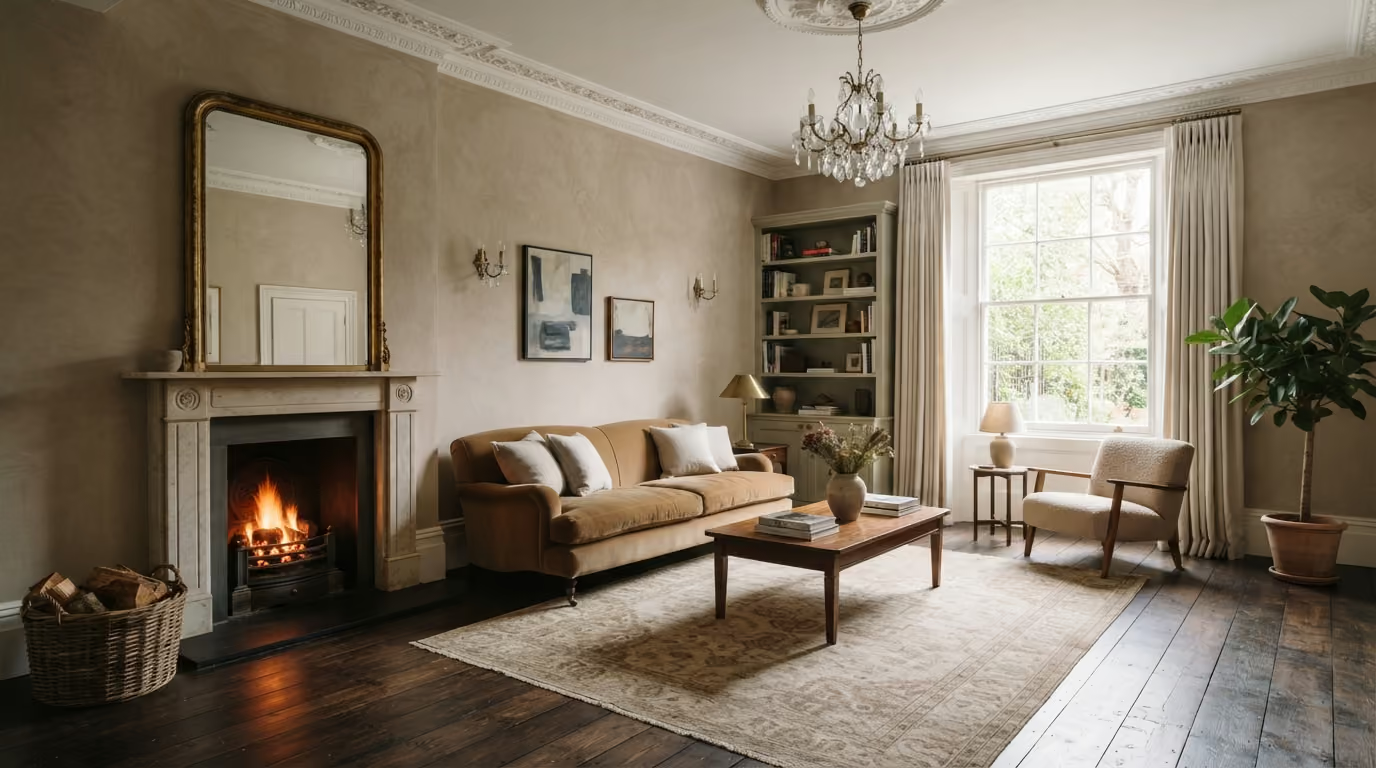
Warm stone and putty tones often work well with:
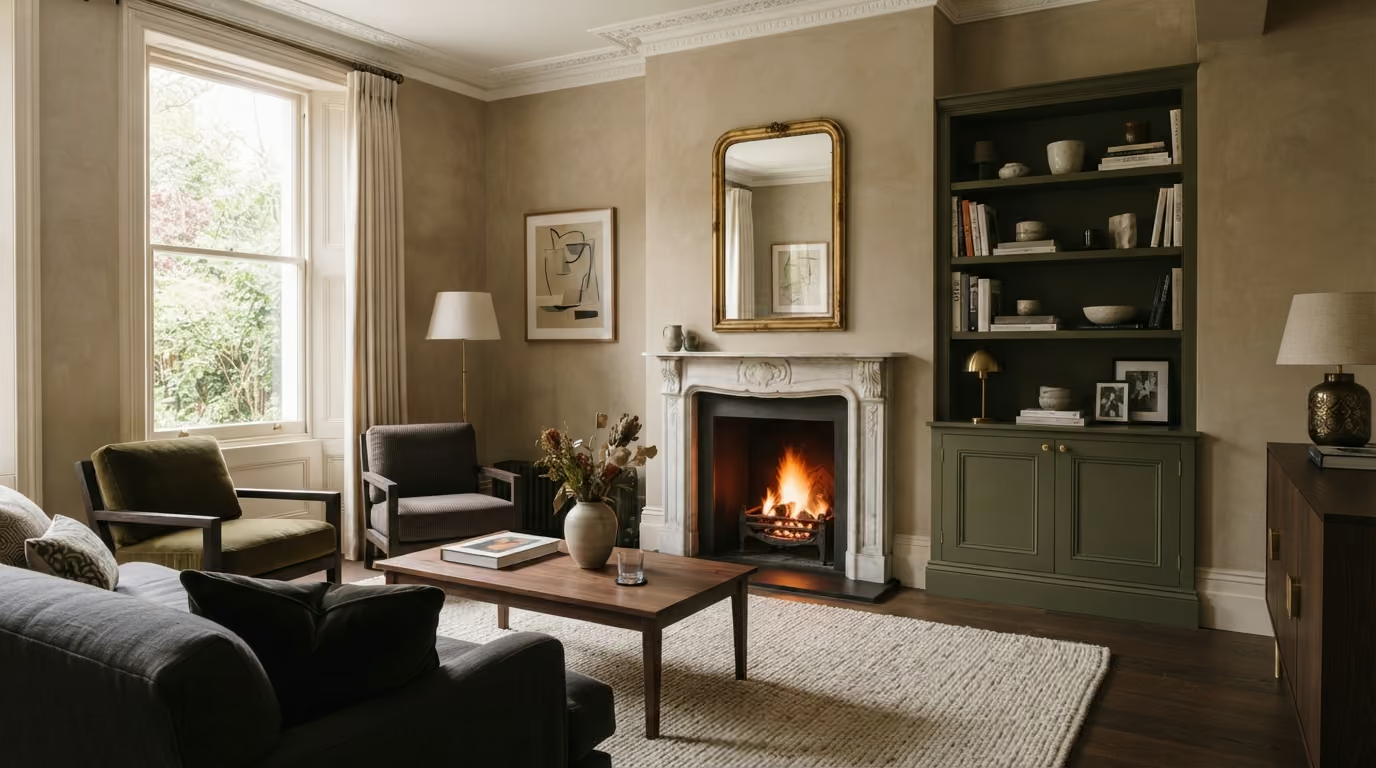
Muted green grey or olive grey can work well when the room has:
The key is to choose a wall colour that supports the furniture rather than fighting it. Limewash has enough character on its own, so the colour can stay quiet.
In a dining room, a full limewash room can look beautiful when the colour is calm and the space has good proportions. It creates an enveloping feeling that suits evening use. But a full room is not the only option.
You might choose:
For many Belgravia homes, the best result is a full room or upper wall treatment, with woodwork kept crisp and consistent.
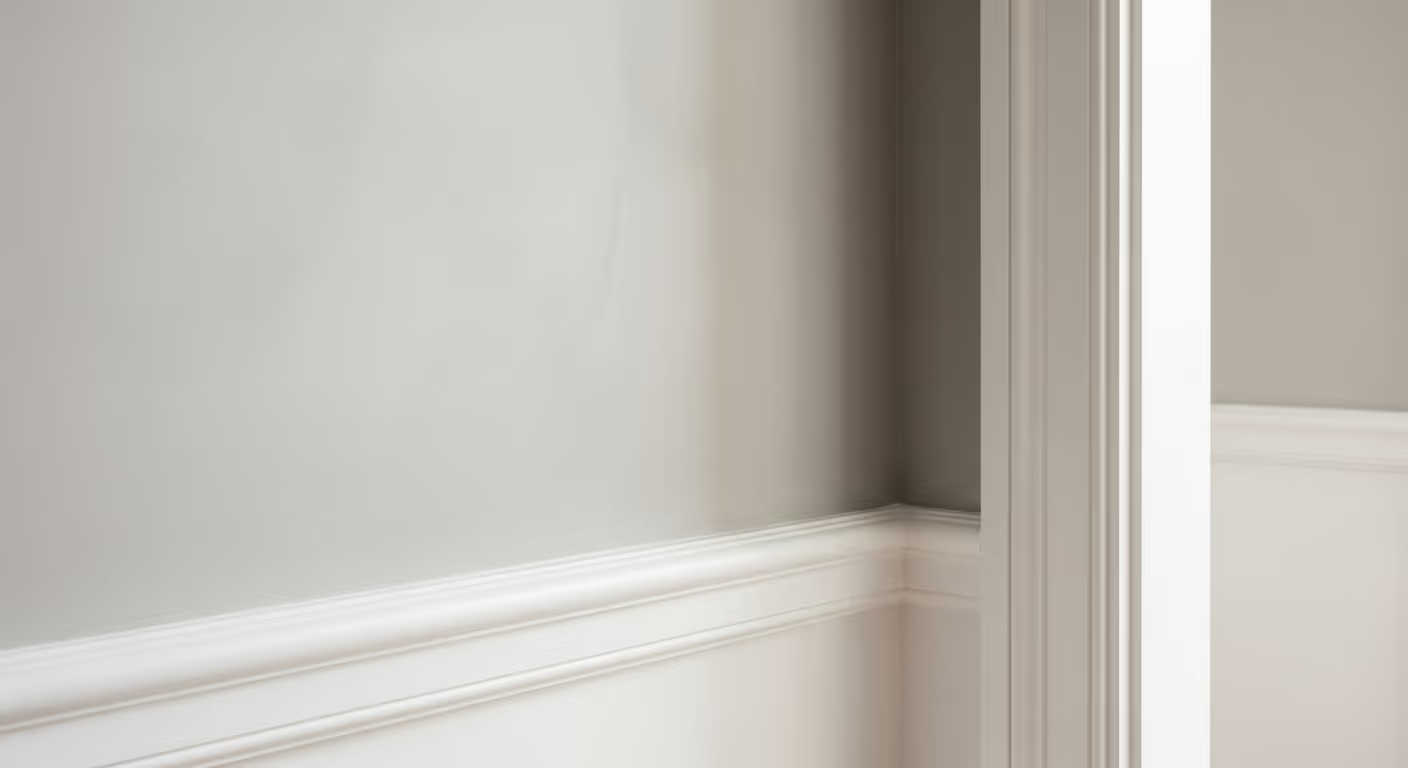
The trim colour can make or break a limewash dining room. Skirting, architraves, doors, shutters, and cornices frame the walls. If the trim is too cold, it can make a warm limewash look yellow. If the trim is too creamy, it can make a stone limewash look grey or dull.
Good trim planning means:
If the dining room connects to a hallway or reception room, the trim can help the spaces feel related even if the wall finishes change.
In most dining rooms, limewash is practical enough when the room is used normally. It is not designed for heavy scrubbing or constant wall contact, but a dining room usually does not need that kind of finish.
To keep it looking good:
If the room is used by children every day or doubles as a high traffic family space, a standard painted finish may be easier. But for a formal or semi formal dining room, limewash is often a strong fit.
Bauwerk limewash is beautiful, but it is not always the best answer. A standard paint finish may make more sense if the room needs regular cleaning, if the walls are unsuitable for limewash without major preparation, or if the client wants a very uniform result.
Standard paint may be better when:
A good finish choice should match real life. Limewash is best when the room can support its softer character.
A Belgravia home often has a clear flow from hallway to reception room to dining room. If one room uses limewash and the others use paint or wallpaper, the scheme still needs to feel connected.
You can create flow by:
For hallway walls, matt or soft sheen remains the practical route. The hallway can still connect beautifully to a limewash dining room if the colour family is right. If wallpaper is used in another room, the same rule applies. Match warmth and tone, not the exact surface.
Most disappointment comes from rushing the early decisions. A careful sample and preparation process prevents the majority of problems.
Is Bauwerk limewash suitable for a formal dining room? Yes. Formal dining rooms are often one of the best places for it because they benefit from atmosphere and usually have lower wall contact than hallways or kitchens.
Will the finish look patchy? It should show soft, natural movement. It should not look randomly patchy. Poor preparation or uneven suction is often the cause when limewash looks wrong.
Can limewash work with a fireplace? Yes, very well. It can sit beautifully around fireplaces and period details, provided the wall is prepared correctly and the colour works with the surround.
Should I use limewash or wallpaper in a dining room? Choose limewash if you want quiet depth without pattern. Choose wallpaper if you want stronger texture, repeat, or decorative detail.
We carry out Bauwerk limewash projects across Prime Central London, including Belgravia, Chelsea, Kensington, Notting Hill, Knightsbridge, and Westminster. Many of these projects involve dining rooms, reception rooms, bedrooms, and studies where clients want a calm, mineral finish with more depth than standard paint.
Thinking about Bauwerk limewash for your Belgravia dining room? Send a few photos of the room, including the windows, lighting, fireplace, and any furniture or fabric samples you want to keep. We can help choose a suitable colour family, plan sample panels, and prepare the walls properly so the finished room feels warm, refined, and calm. To begin, request a site visit and we will arrange a time that suits you.
Tell us a few details about your project and our team will review the enquiry and come back to you within one working day.