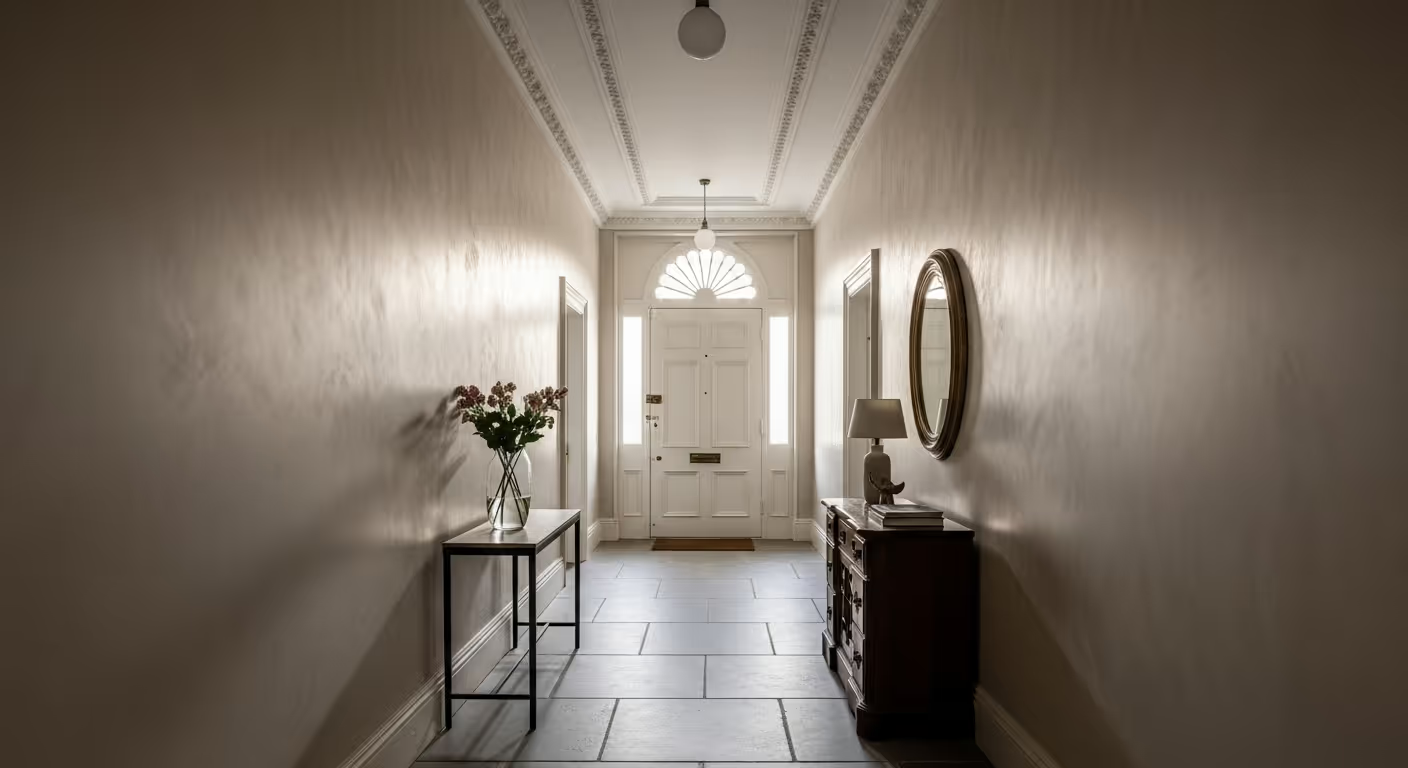
Thinking about Bauwerk limewash for a Kensington hallway but worried it may be too delicate for everyday life? This guide explains where limewash works in hallways, where it does not, and how to decide if the look is worth the extra care in a busy London home.
Short answer: Bauwerk limewash can look beautiful in a Kensington hallway, but it is usually best for calmer entrance spaces rather than the busiest traffic zones. Limewash gives a soft mineral depth that suits period details very well, yet it needs more thoughtful use than standard hallway paint. If your hallway is narrow, heavily used, or cleaned often, standard paint in matt or soft sheen is usually the safer choice. If the hallway is more of an elegant entrance than a hard working family route, limewash can be absolutely worth it. For help planning the right finish, see our Bauwerk limewash service and our interior painting and decorating service.
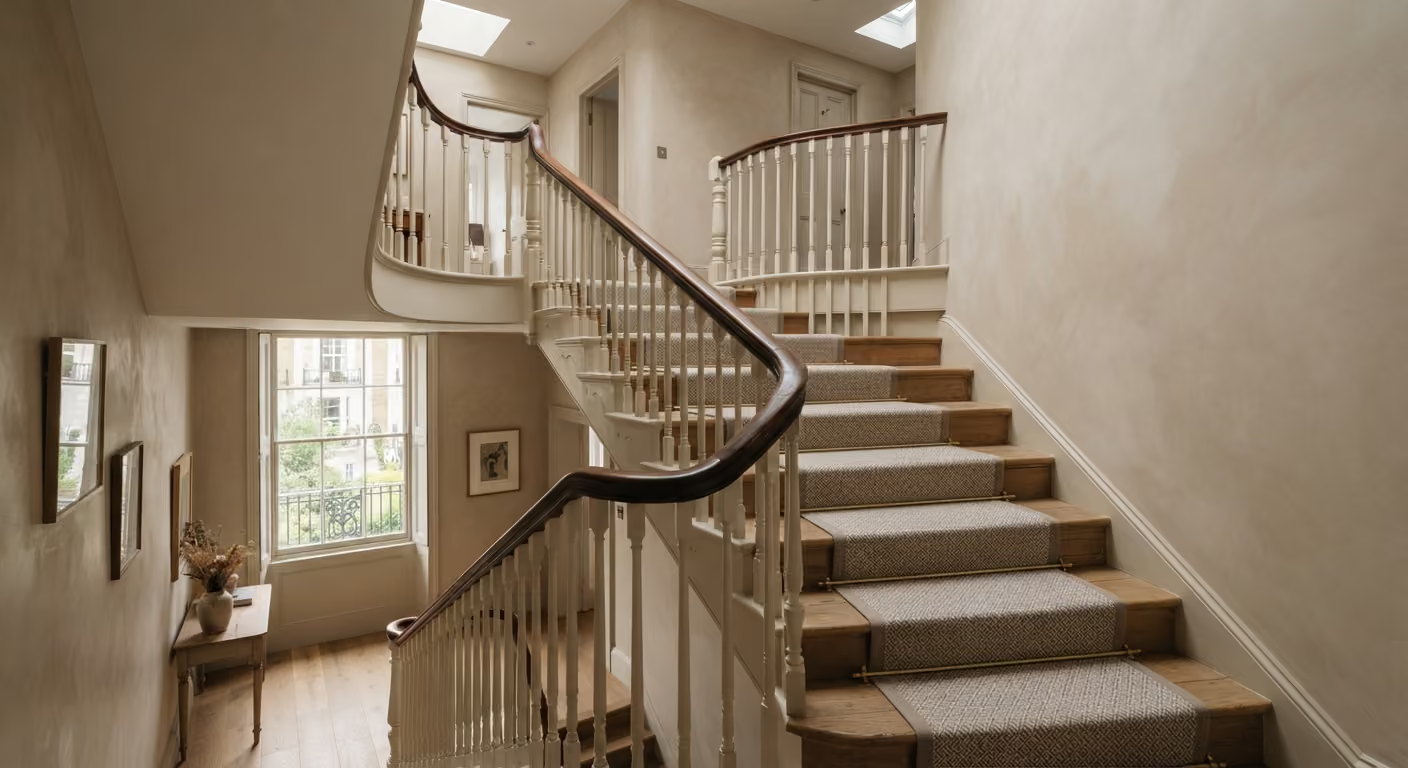
Hallways are where people often fall in love with limewash and where they also worry most about it. The attraction is easy to understand. In a Kensington townhouse, a hallway is often full of beautiful architectural cues. High ceilings, cornices, stair turns, fanlights, and soft daylight from the front of the house. Limewash can make those elements feel quiet and elegant in a way that flat paint sometimes cannot. At the same time, the hallway is the most used part of the home. Bags brush walls, children run through, guests lean at corners, and daily life leaves marks.
So is limewash worth using there. The honest answer is yes in some hallways and no in others. This guide explains how to tell the difference, how limewash behaves in a circulation space, and what to do if you want the look of limewash without creating a finish that feels stressful to live with.
Limewash has a natural softness that works especially well with period architecture. It is fully matte, it has gentle movement rather than a flat painted look, and it can make a hallway feel more settled without relying on pattern or strong colour.
In a Kensington hallway, limewash often works visually because:
This is why clients are often drawn to it for entrance halls in Chelsea, Kensington, Belgravia, and similar homes. It feels elevated and calm at the same time.
The question is not whether limewash looks good in a hallway. It usually does. The question is whether the hallway is calm enough for it to stay looking good without creating maintenance stress.
Hallways vary more than people think. Some are mainly formal entrance spaces. Others are hard working daily routes. That difference matters more than the size of the wall or the colour you choose.
A limewash hallway is usually more practical when:
If the hallway is tight, busy, and wiped often, limewash can still look beautiful on day one, but it may not feel relaxing long term.
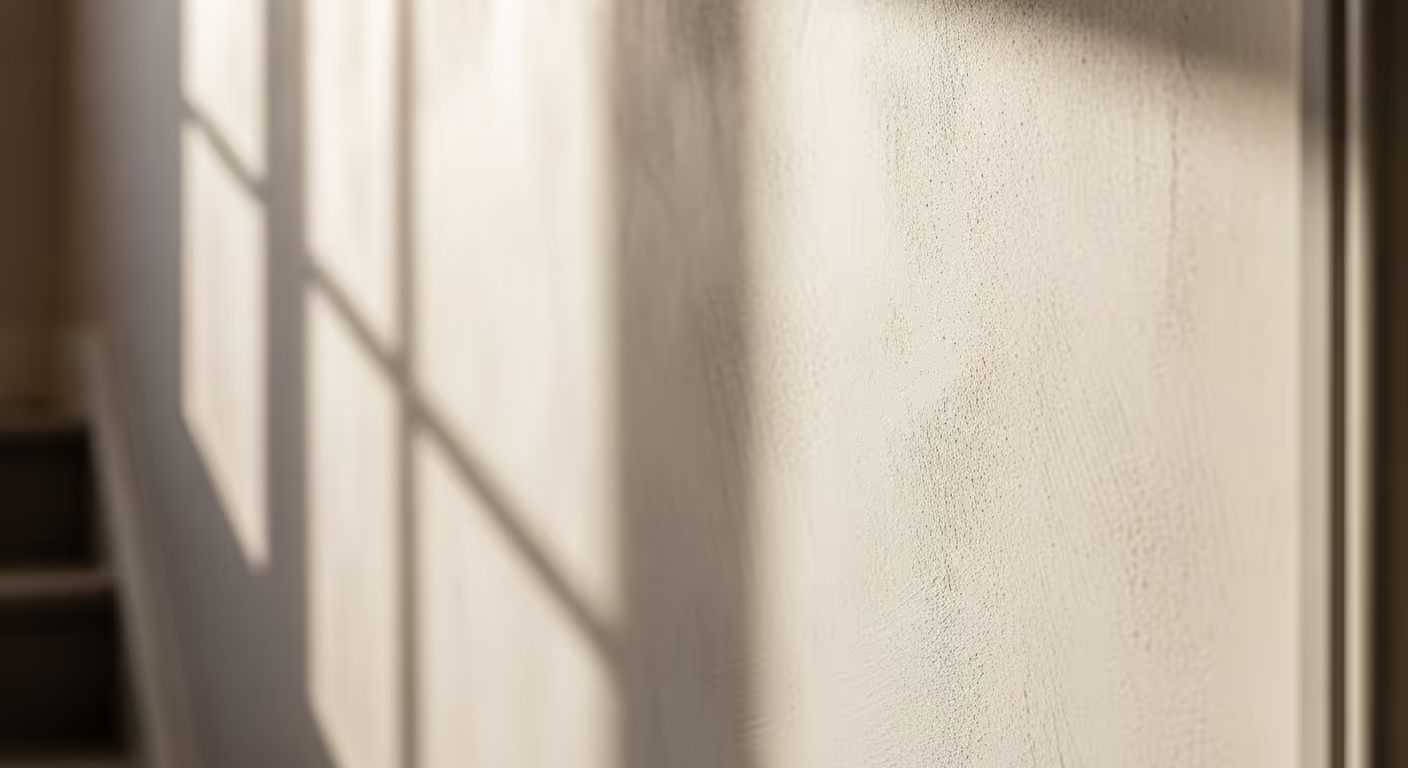
You do not always need to limewash every hallway wall to get the effect. In many homes, the smartest answer is to use it where it will be seen and appreciated most, while keeping the hardest wearing zones in a more practical paint system.
Good hallway areas for limewash often include:
We are usually more cautious about:
Sometimes the answer is simple. If the hallway is clearly a hard working route, standard paint tends to be the calmer long term choice. That does not mean the result has to feel less refined. It just means the finish matches the way the space is actually used.
Standard paint is often better when:
In those cases, keeping the hallway walls in matt or soft sheen is usually the right move. Your client rule already points to that. The good news is that you can still build a house wide scheme where the hallway paint tone relates closely to limewash in reception rooms or bedrooms, so the home still feels coherent.
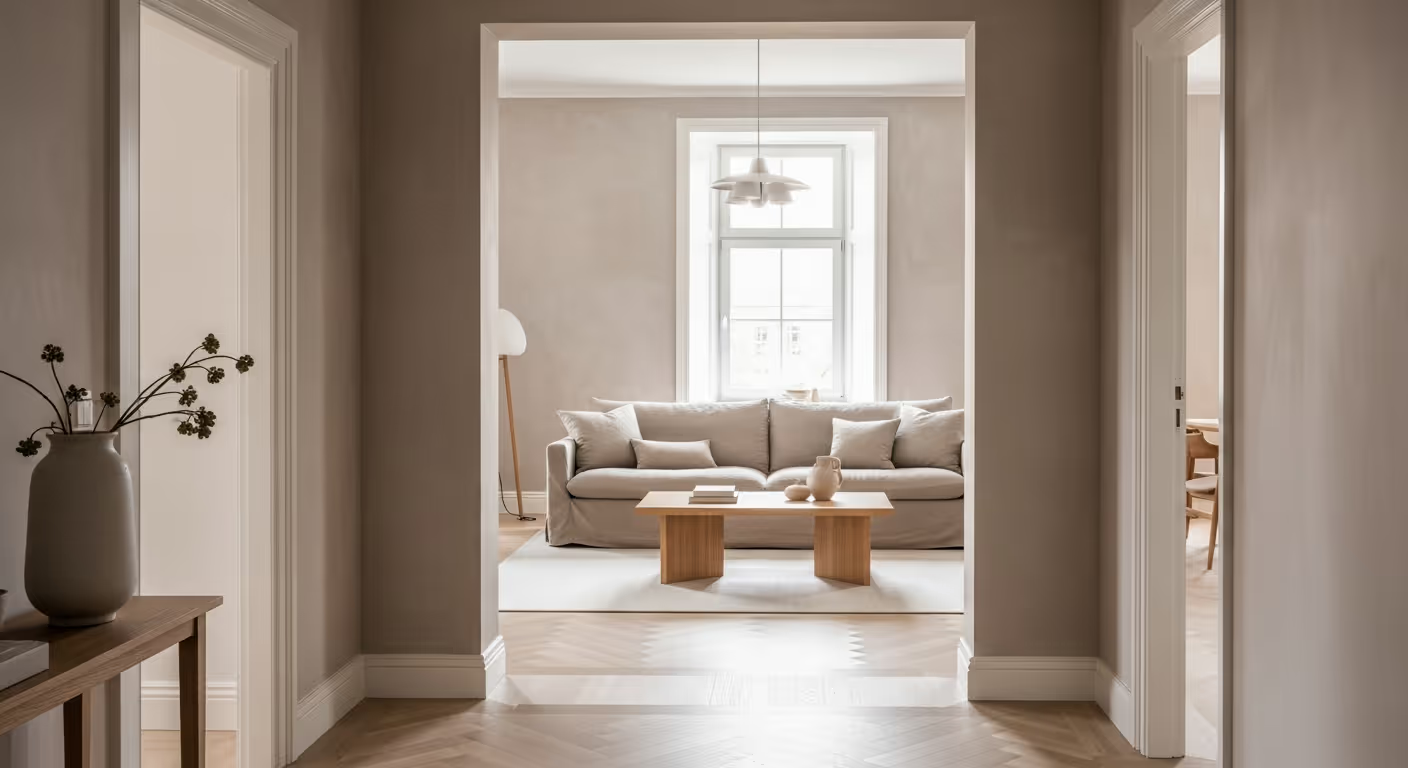
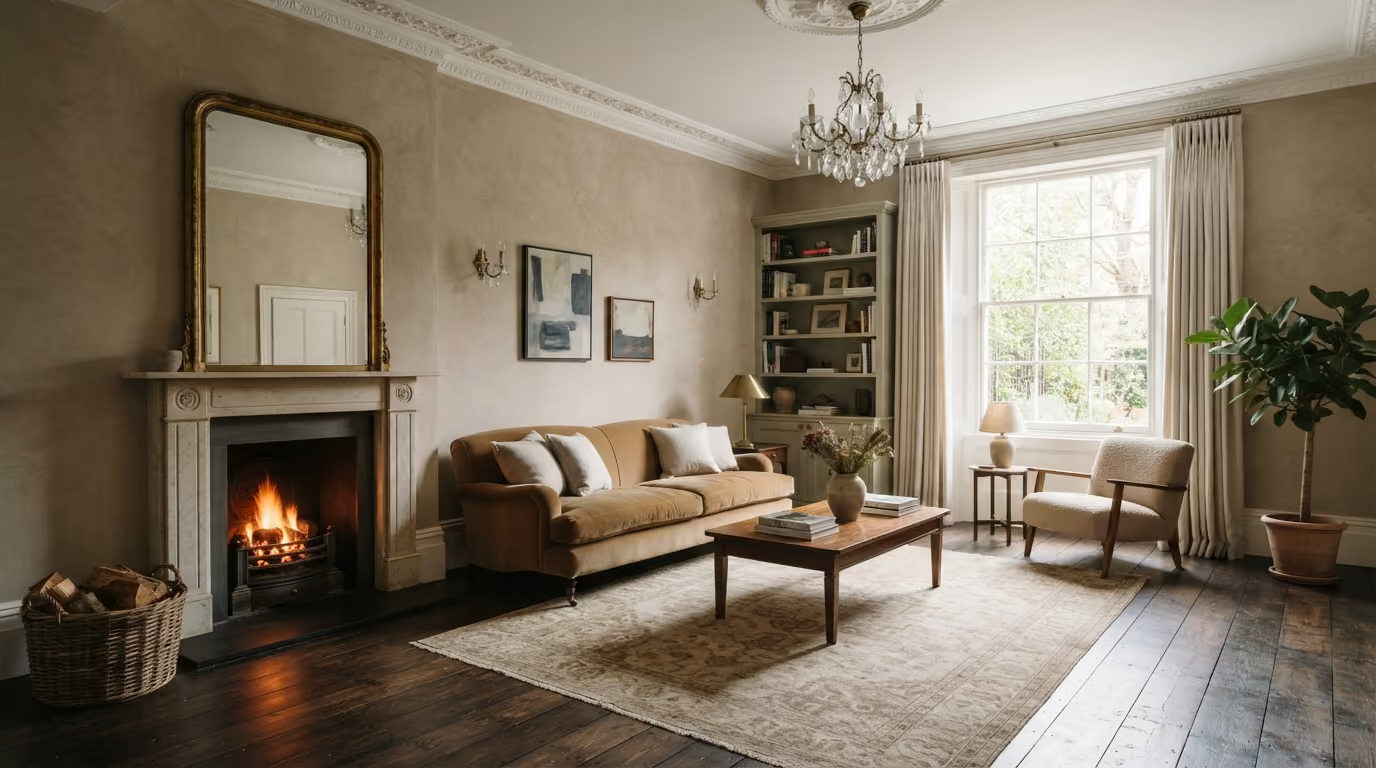
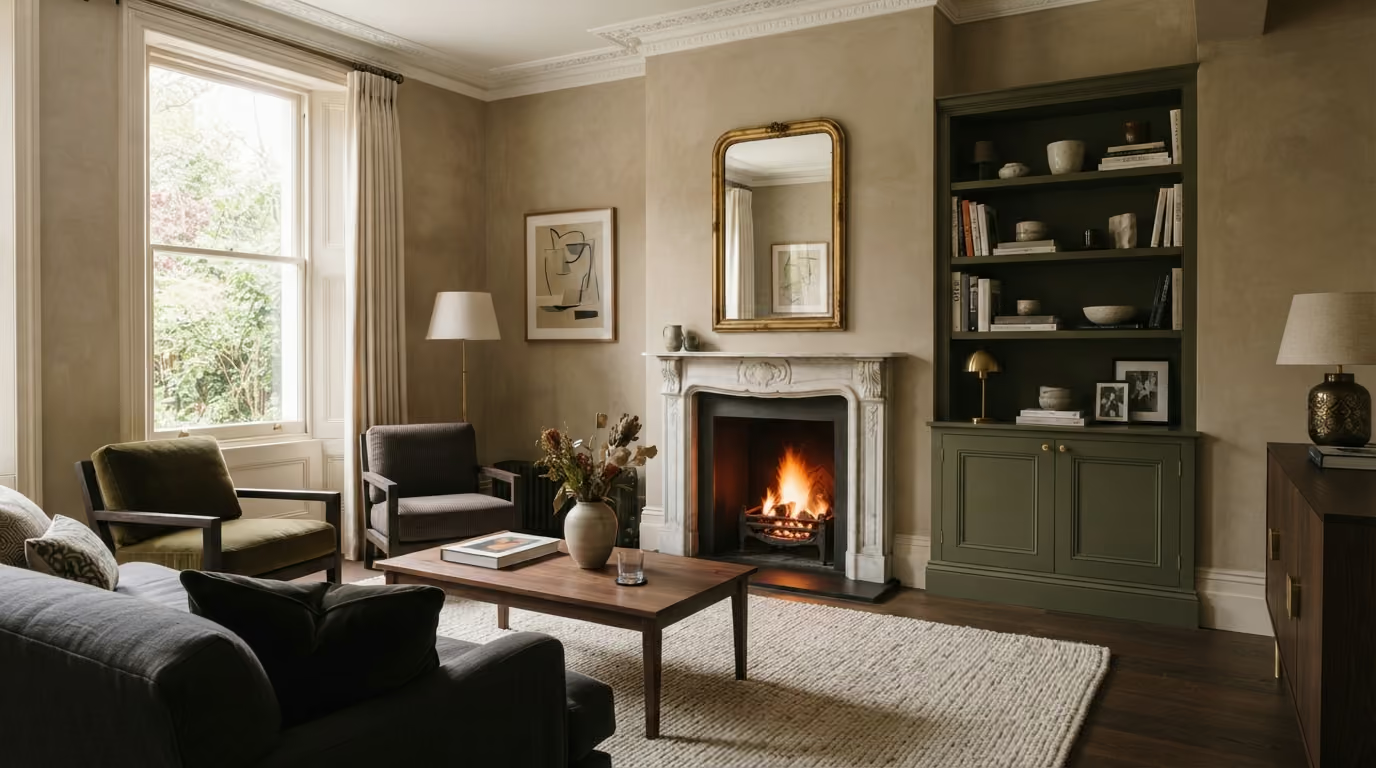
One of the best design moves in a Kensington home is to let the hallway act as a visual bridge. You can do that by choosing a hallway paint colour that sits in the same undertone family as nearby limewash rooms. This keeps the entrance calm and practical while allowing the richer mineral finish to appear in rooms that suit it better.
For example:
This often gives a better overall result than forcing one finish into every space regardless of how the home works.
If you do decide to use limewash in a hallway, prep matters even more than in a calmer room. Hallway walls often carry old knocks, cable repairs, hook holes, and patching from years of use. Limewash will not hide that.
Good prep usually includes:
This is one reason limewash hallways can cost more than owners first expect. The finish itself is only part of the story. The wall has to earn the finish.
Limewash is not delicate in the sense that it falls apart easily. It is more that it responds differently to marks and cleaning than standard wall paint. In a low touch room, this is rarely a problem. In a hallway, it can become more noticeable.
Things to keep in mind:
If you know your hallway walls get wiped every week, limewash is usually the wrong finish for that exact area.
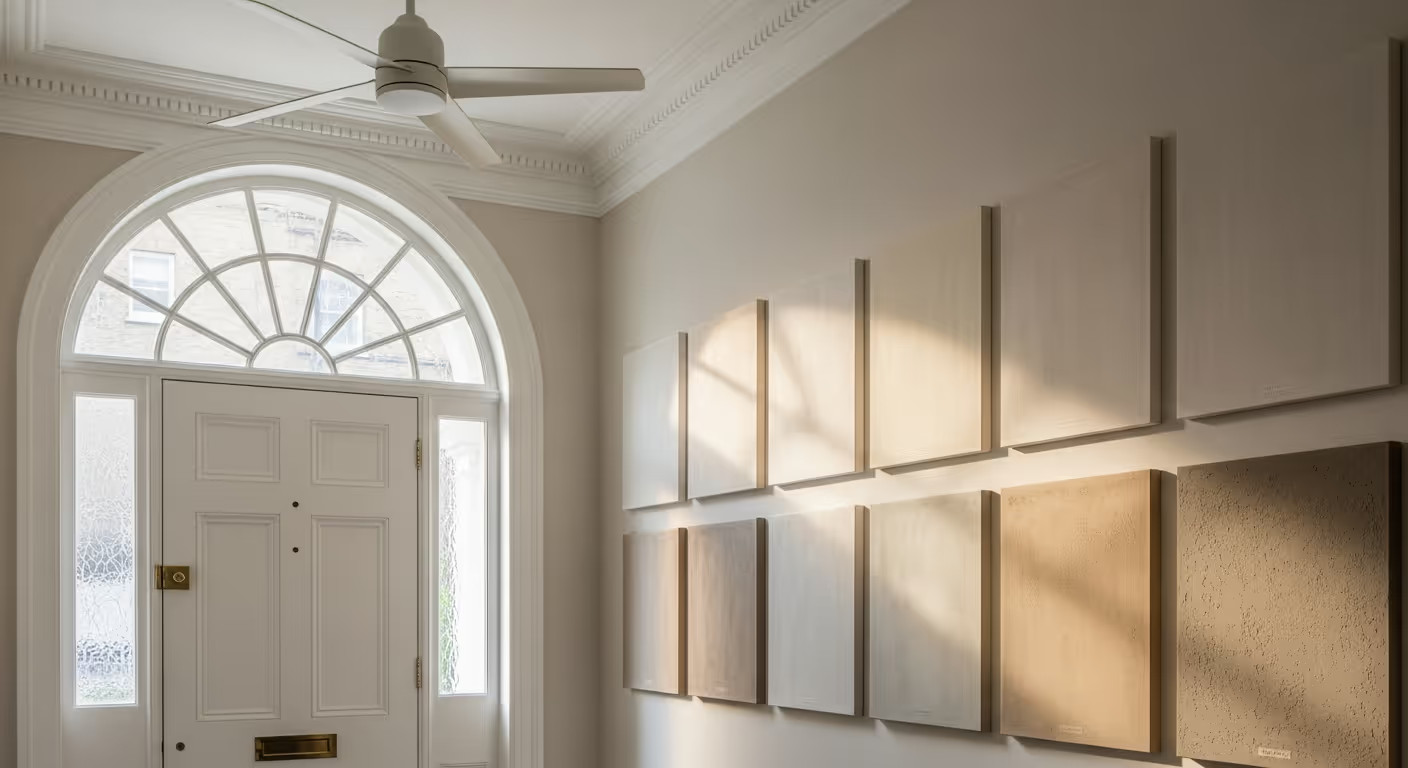
Hallways generally work best in soft colours that keep the entrance feeling open. Because limewash already adds depth, the colour usually does not need to be strong.
Tones that often work well in Kensington hallways include:
Cool whites and sharper greys can feel flat or slightly cold in circulation spaces, especially if the light is limited. The best hallway limewash colours usually sit somewhere between white and true colour. They are soft enough to stay calm and warm enough to feel welcoming.
A quick practical test helps. Walk through your hallway and ask yourself these questions.
If the answers point to heavy contact and frequent cleaning, standard paint is usually the wiser choice. If the answers point to a calmer entrance with moderate use, limewash may be absolutely worth considering.
Yes, and often very successfully. In some homes, a practical painted hallway leads to a bedroom with textile wallcovering or a reception room with limewash. The key is not to keep every finish the same. The key is to keep the undertones connected so each room feels related to the next.
That means:
This is often the smartest route in a full townhouse scheme.
Most disappointment with hallway limewash comes from putting the right finish in the wrong place, not from the finish itself.
Can limewash work in any hallway? Not any hallway. It works best in calmer entrance spaces and wider circulation areas, not the most heavily used family routes.
Will it mark too easily? In a hallway that gets frequent contact and cleaning, yes, it can become less practical than standard paint.
Can I use it on an upper landing instead? Often yes, and that is usually a better compromise if the lower hall is too busy.
Can paint still give a similar look? Yes, if you choose the right colour family. Paint will not copy the mineral movement, but it can connect visually to nearby limewash rooms very well.
We carry out Bauwerk limewash and interior painting across Prime Central London, including Kensington, Chelsea, Belgravia, Notting Hill, Knightsbridge, and Westminster. Many of these projects involve balancing practical painted circulation spaces with softer feature finishes in reception rooms and bedrooms.
Want to know if Bauwerk limewash is right for your Kensington hallway? Send a few photos of the entrance, the stair, and the main traffic zones, plus a note on how busy the route is day to day. We can help you judge whether limewash is sensible there, or whether a paint and limewash mix would give a better result across the home. To begin, request a site visit and we will arrange a time that suits you.
Tell us a few details about your project and our team will review the enquiry and come back to you within one working day.