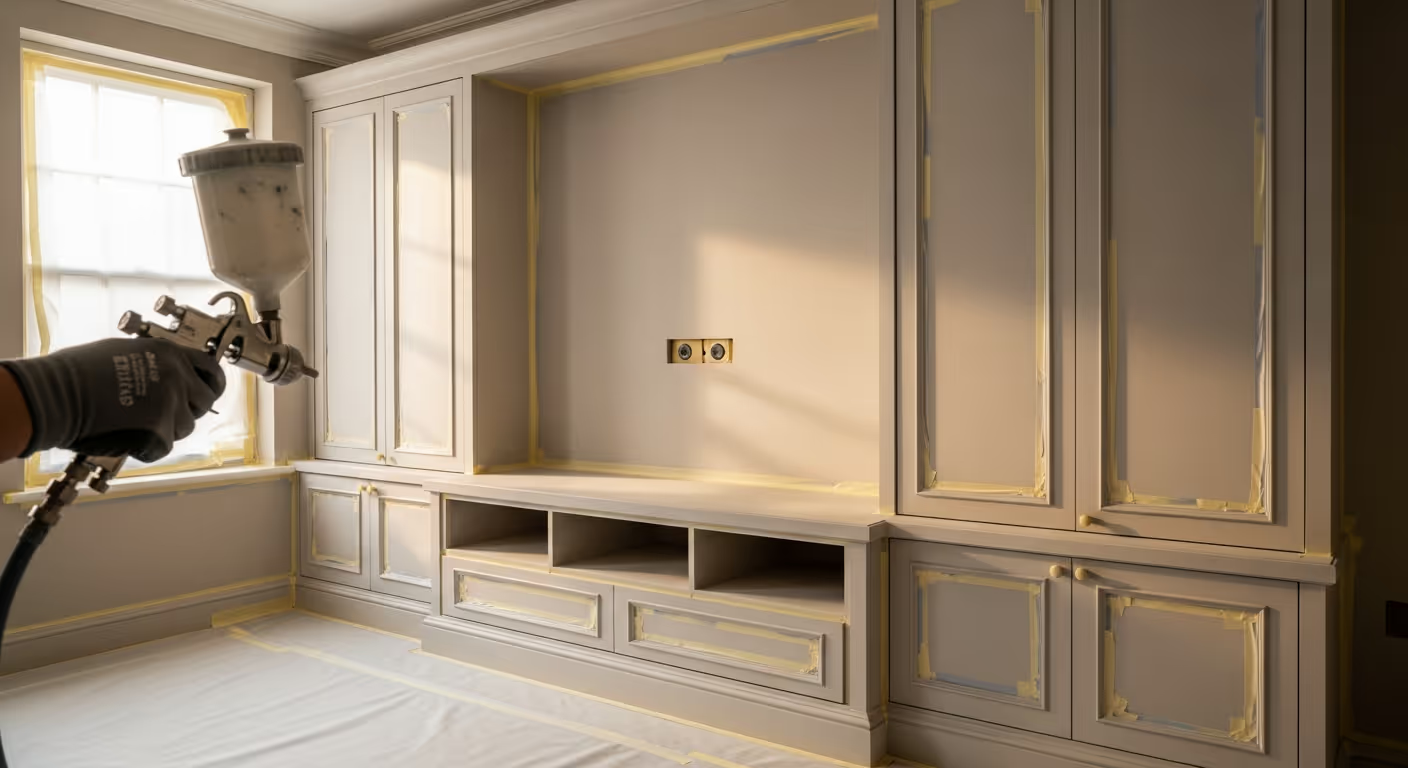
Thinking about spray finishing a media unit in your Knightsbridge home? This guide explains when spraying is worth it, how it compares with brush painting, and what preparation is needed for a smooth, refined finish that feels built into the room.
The practical answer: Spray finishing a media unit is usually worth it when the joinery is well made, highly visible, and central to the room. It gives a smoother, cleaner, more even finish than brush painting, especially on large panels, cabinet doors, shelves, and painted backs. The result depends on careful preparation, masking, priming, and colour choice. For support with fine interior finishes, see our interior painting and decorating service.
Media units have become a major feature in many Knightsbridge homes. They frame televisions, hide storage, hold books and objects, and often stretch across a full wall in a living room, study, or snug. When they are finished well, they can make a room feel calm and tailored. When the finish is rough, chipped, shiny in the wrong places, or uneven across panels, the whole room can feel less refined.
This is where spray finishing can make a clear difference. A media unit is not just another piece of painted woodwork. It is often one of the largest visual elements in the room. It sits at eye level. It catches evening light. It is seen close up every day. A brush painted finish can work in some cases, but on larger, flatter, more detailed joinery, spraying often gives a smoother and more polished result.
This guide explains when spray finishing a media unit in a Knightsbridge home is worth it, when brush painting may still be enough, what preparation matters most, and how to choose a colour that makes the joinery feel part of the architecture rather than a bulky add on.
Doors, skirting, and architraves are important, but a media unit usually has a stronger role in the room. It may cover a full wall. It may include shelving, cabinets, open sections, panelled backs, hidden doors, lighting, and cable access. This means the finish is visible across many surfaces at once.
Media units often include:
Because of this, the finish needs to feel consistent across the whole unit. If one door looks smoother than another, or if shelf edges look rough beside flat panels, the joinery can feel unfinished. Spray finishing helps create a more unified surface.
Spraying is usually the stronger choice when the media unit is a major part of the room design. In a Knightsbridge living room or study, this kind of joinery often needs a fine finish because it sits beside high quality furniture, lighting, flooring, and artwork.
Spraying tends to be worth it when:
The smoother finish can make the unit feel more built in, more architectural, and less like furniture that has simply been painted on site.
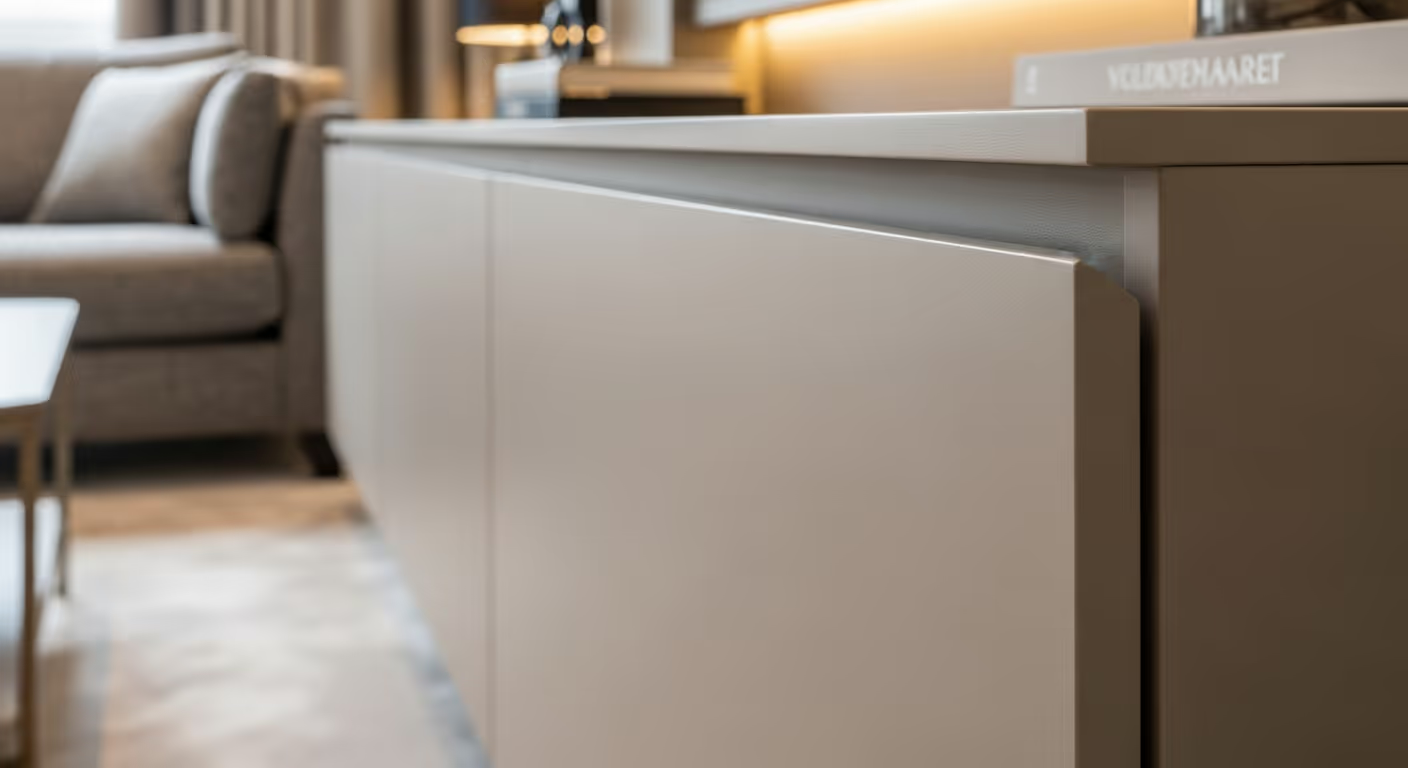
Spraying is not always necessary. Brush painting can still look excellent when the job is smaller, the joinery has more traditional detail, or the aim is a good refresh rather than a fine finish upgrade.
Brush painting may be enough when:
The best method depends on the visual goal. If the media unit needs to feel crisp, smooth, and high end, spraying is often worth the added preparation and masking. If the aim is a simple refresh, brush painting may be more sensible.
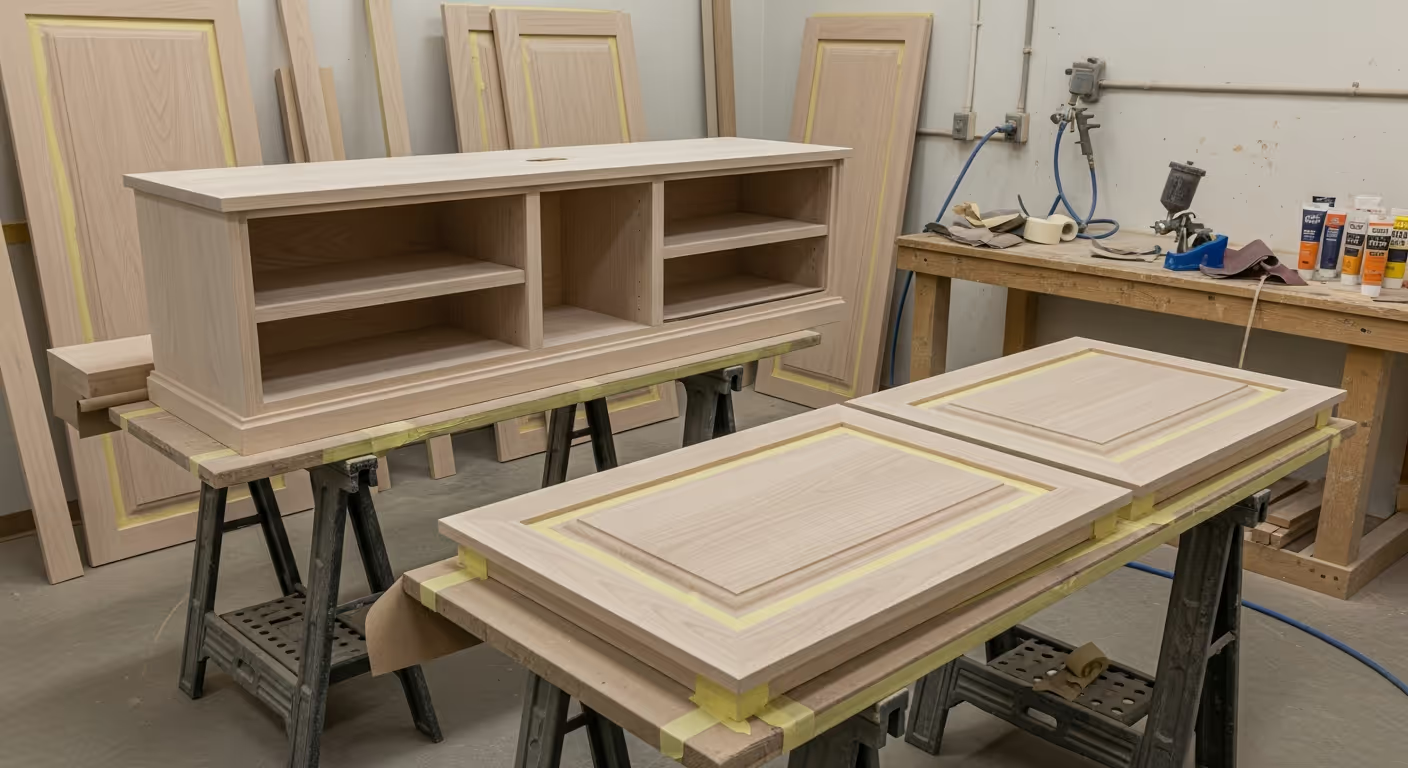
A spray finish only looks refined when the surface underneath is properly prepared. Spraying does not hide bad joinery, dents, dust, rough edges, or old brush texture. It can make those issues more visible because the final surface is so smooth.
Good preparation usually includes:
This preparation can take longer than the spraying itself. That is normal. A fine finish is built before the final coats are applied.
The biggest concern with spraying indoors is usually mess. A well planned spray project should feel controlled, not chaotic. The room needs careful masking and protection so the finish is clean and the rest of the home stays safe.
Good protection includes:
In occupied homes, the work should be phased so the room is out of use for as little time as practical. Media units often sit in important rooms, so planning the setup matters almost as much as the finish.
Colour can decide whether a media unit feels light and built in, or heavy and dominant. In Knightsbridge interiors, the most refined choices are often muted, calm, and linked to the rest of the room.
Strong colour directions include:
The colour should be tested beside the wall colour, flooring, fabrics, artwork, and lighting. A media unit can look much darker once it covers a full wall, so large samples are much safer than small cards.
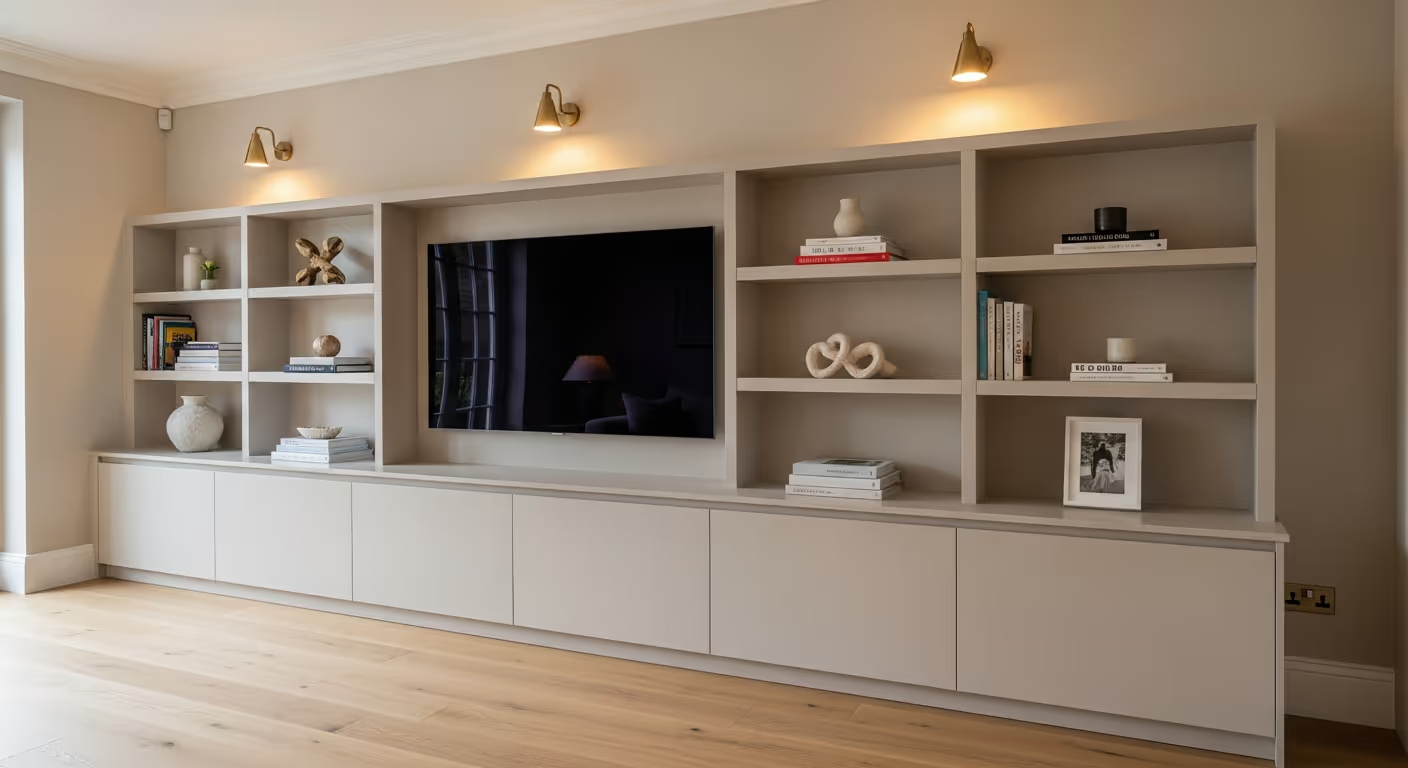
Matching the media unit to the wall colour can make the room feel calmer. It helps the joinery recede and makes the space feel larger. This works especially well when the unit is big or when the room already has many visual elements.
A matching or near matching colour works well when:
A contrast colour works well when:
A subtle contrast is often the safest route. One or two steps deeper than the wall colour can make the media unit feel considered without making it feel too heavy.
Sheen matters on media units because the surface is often seen under artificial lighting. Too much shine can make the unit look hard or overly reflective. Too flat a finish may mark more easily or look dull on detailed joinery.
The right sheen depends on:
A refined media unit usually needs a finish that feels smooth and practical, but not glossy in a distracting way. The goal is a quiet, even surface that supports the room.
Shelves are different from cabinet doors because they are used. Books, objects, speakers, and frames may be moved over time. That means the finish needs to be practical as well as beautiful.
Good planning includes:
A sprayed shelf can look excellent, but it still needs normal care. Fine finish does not mean indestructible. It means smooth, controlled, and carefully applied.
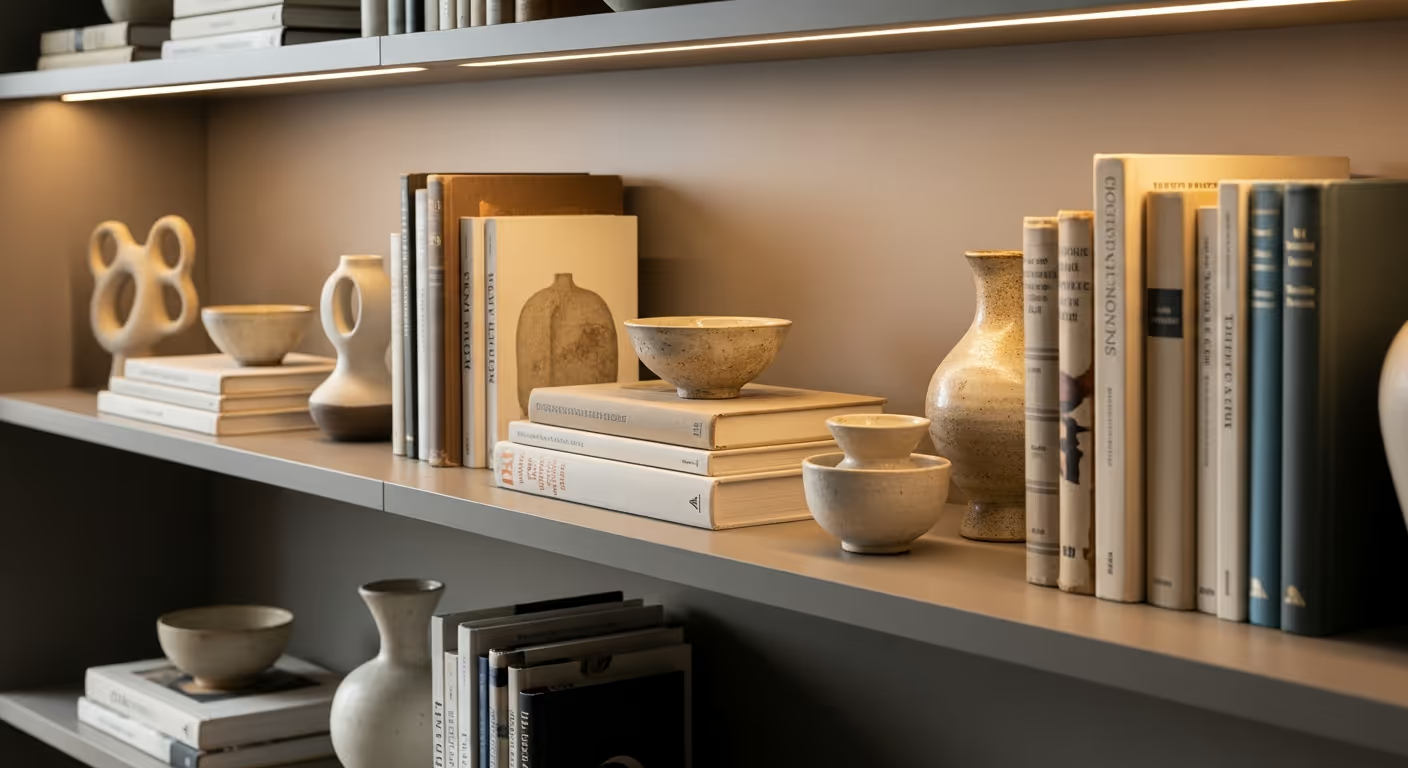
Media units often include shelf lighting, picture lights, or nearby wall lights. These can make the finished unit look beautiful, but they can also reveal flaws if the preparation is poor. Side lighting catches rough edges, dust nibs, uneven sanding, and inconsistent sheen.
Before finishing, it helps to check:
This is why sample boards and finish tests should be viewed under the same lighting used in the finished room. A colour that looks calm in daylight can feel too dark once the room is lit at night.
Sometimes, yes. If the proportions are good and the joinery is well built, a new spray finish can make an older media unit feel much more current. Colour, sheen, hardware, and styling all help.
Updates that often work well include:
But there is a limit. If the unit is badly proportioned, poorly fitted, or no longer suits the room, spraying may not be the best investment. In that case, changing the joinery may be smarter than improving the finish.
A media unit should not feel separate from the interior scheme. It should connect with walls, trim, flooring, furniture, and lighting. This is especially important in Knightsbridge homes, where rooms often have layered materials and careful design choices.
Ways to connect the finish include:
If a nearby wall has Bauwerk limewash, a spray finished media unit can create a strong contrast between soft mineral walls and crisp joinery. That can look excellent when the colours are related.
Most disappointment comes from treating a media unit as a quick painting task. A high end result needs a fine finish process.
Can a media unit be sprayed in place? Often yes, with careful masking and protection. Removable doors or panels may be taken off and finished separately when that gives a cleaner result.
Will spraying hide old brush marks? Only if the old texture is sanded and prepared properly first. Spraying alone will not hide rough surface work.
Is spraying worth it for a small media cabinet? Sometimes, but it makes the most sense for larger, more visible joinery where the smooth finish creates a clear upgrade.
Should the media unit be lighter or darker than the walls? Both can work. Lighter or matching tones make the unit calmer. Darker tones make it more of a feature.
We carry out spraying and fine finishes across Prime Central London, including Knightsbridge, Kensington, Chelsea, Belgravia, Notting Hill, and Westminster. Many of these projects involve media units, built in shelving, wardrobes, cabinet fronts, and bespoke joinery where a smooth finish makes a visible difference.
Thinking about spray finishing a media unit in your Knightsbridge home? Send a few photos of the joinery, including doors, shelves, lighting, hardware, and the surrounding room. We can help judge whether spraying is the right route, advise on colour and finish, and plan the preparation needed for a smooth, refined result. To begin, request a site visit and we will arrange a time that suits you.

Tell us a few details about your project and our team will review the enquiry and come back to you within one working day.