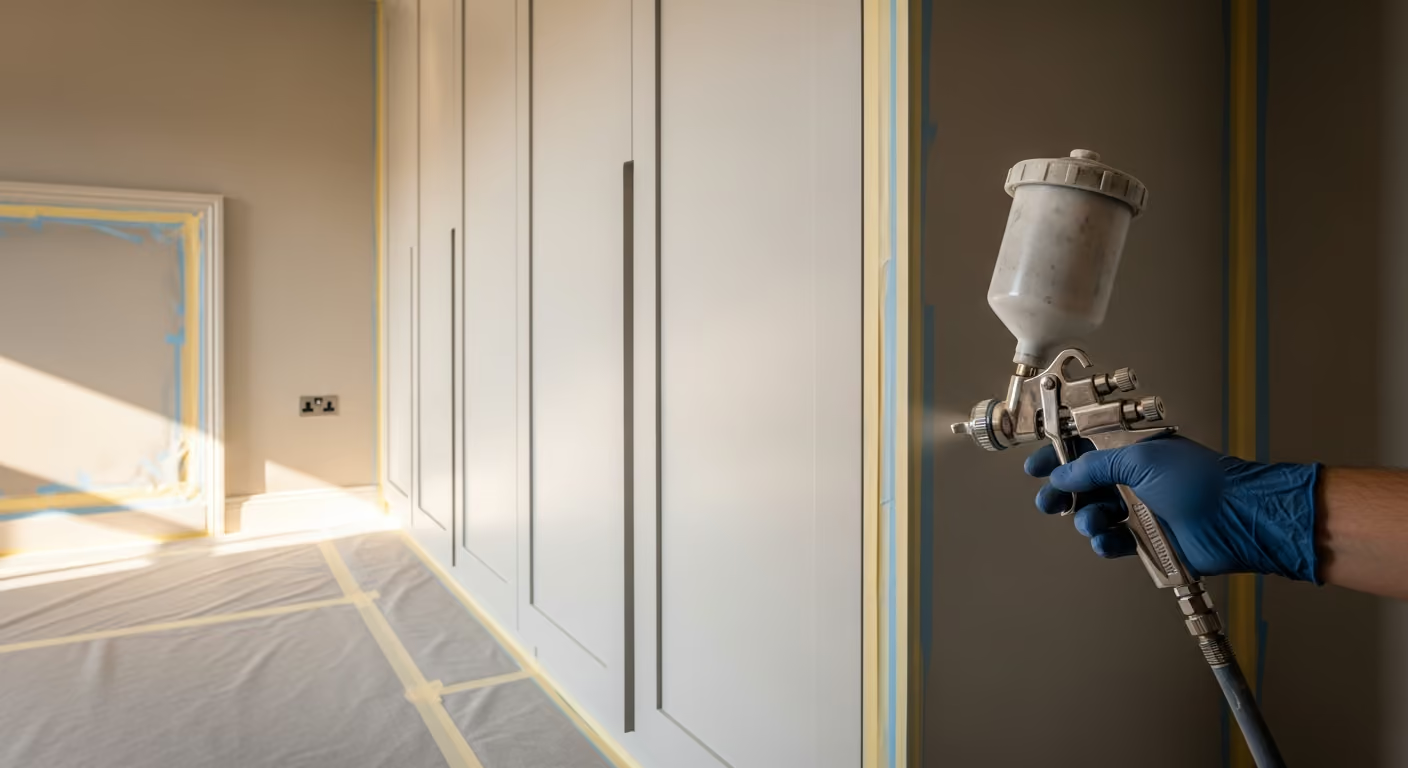
Thinking about spray finishing fitted wardrobes in a Kensington bedroom? This guide explains when spraying is worth it, how it compares with brush painting, and how to plan colour, sheen, preparation, hardware, and drying time for a smooth, refined finish.
The practical answer: Spray finishing fitted wardrobes is usually worth it when the wardrobes are well made, highly visible, and part of the main bedroom design. It gives a smoother and more consistent finish than brush painting, especially on large wardrobe doors, drawer fronts, side panels, and internal faces. The result depends on careful preparation, masking, priming, colour choice, and enough drying time before the wardrobes are used again. For a wider fine finish plan, see our interior painting and decorating service.
Fitted wardrobes can shape the whole feel of a Kensington bedroom. They may cover one full wall, frame a dressing area, or sit beside a bed, fireplace, or window. When they look calm and well finished, the room feels more tailored. When they look tired, chipped, yellowed, or uneven, the whole bedroom can feel older than it really is.
Spray finishing can make fitted wardrobes feel new again without replacing the joinery. It can soften heavy colours, modernise dated doors, and create a smoother finish across large panels. But spraying is not right for every wardrobe. The joinery needs to be suitable, the room needs to be protected properly, and the surface preparation has to be done with care.
This guide explains when spray finishing fitted wardrobes in a Kensington bedroom is worth it, what preparation is needed, how to choose colour and sheen, and when a different approach may be more sensible.
Wardrobes are not small background details. In many bedrooms, they are one of the largest surfaces in the room. A full run of wardrobe doors can have as much visual impact as the walls themselves. That means the finish has to be calm, even, and suited to the bedroom scheme.
Large wardrobe doors reveal flaws easily. Old brush marks, uneven sheen, dust nibs, chips, and poor filling can all show in daylight or under bedside lamps. Handles, push catches, mirrors, and panel grooves can also draw attention to the quality of the finish.
A good wardrobe finish should feel:
This is why spraying can be such a strong option. It gives fitted furniture a cleaner, more controlled surface than most brush finishes can achieve on large flat areas.
Spray finishing is usually worth considering when the wardrobes are structurally good but visually tired. If the layout works, the doors open well, the proportions suit the room, and the storage still serves the household, a new finish can create a major improvement.
Spraying tends to make sense when:
In a Kensington bedroom, wardrobes often sit close to soft furnishings, curtains, carpets, and bedside lighting. A smoother finish can make the whole room feel more considered.
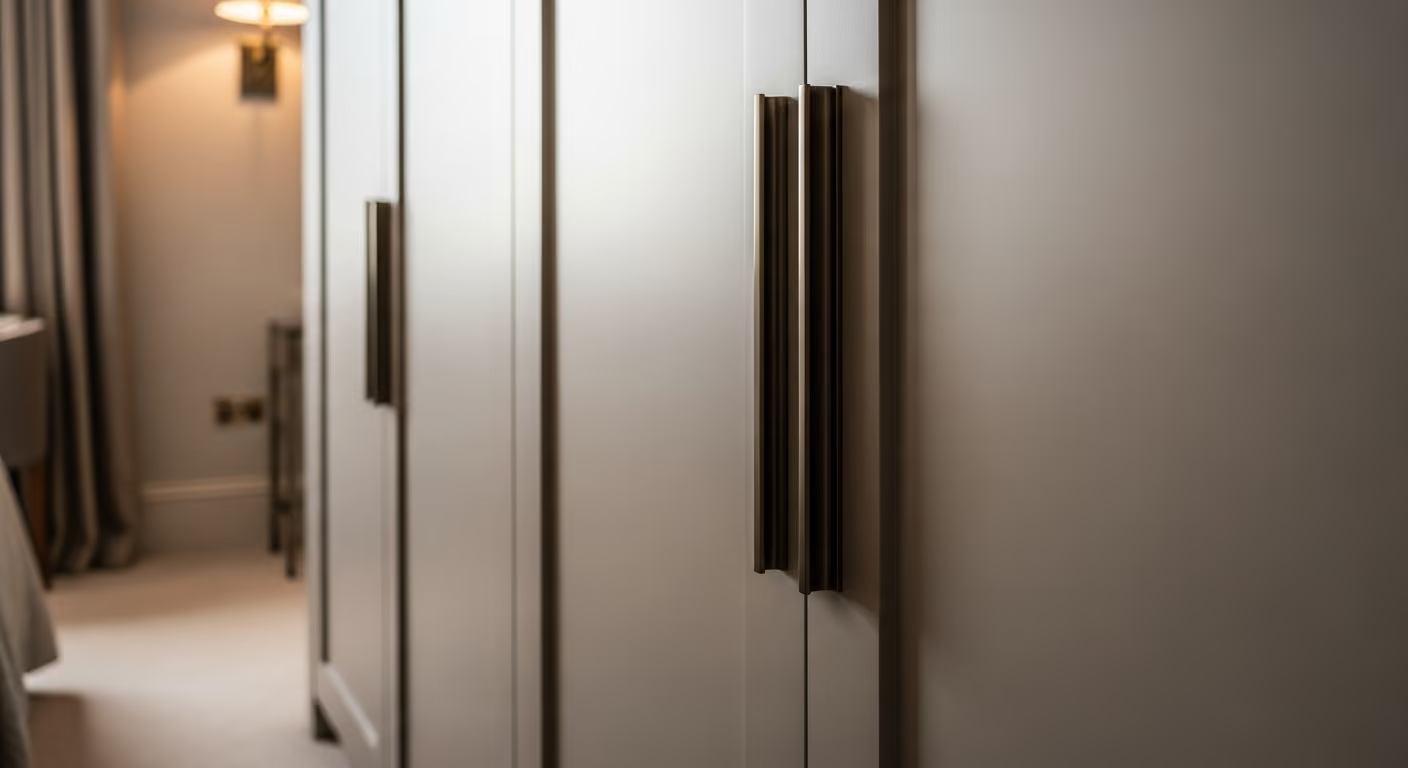
Spraying improves the surface finish, but it cannot solve every wardrobe problem. If the joinery is poorly designed, badly fitted, or damaged beyond surface repair, spraying may not be the best investment.
Spraying may not be right when:
In these cases, it is better to review the joinery first. Sometimes small adjustments, new hardware, or replacement doors can make spraying worthwhile. Sometimes a full redesign is the more sensible route.
Brush painting can still be a good option for smaller pieces of joinery or more traditional details. It can also work where the desired look is softer and more hand finished. But for fitted wardrobes with large flat doors, spraying usually gives a cleaner result.
Spray finishing usually gives:
Brush painting may be enough when:
The right method depends on the wardrobe design and the finish standard expected. For high end bedrooms, spraying is often the stronger choice when the wardrobes are a major feature.
A spray finish only looks good if the surface beneath it is properly prepared. Spraying does not hide old dents, dust, grease, poor sanding, or chipped edges. It often makes those issues more obvious because the final surface is so smooth.
Good preparation may include:
This stage can take longer than the spraying itself. That is normal. The quality of the final surface depends on the patience of the preparation.
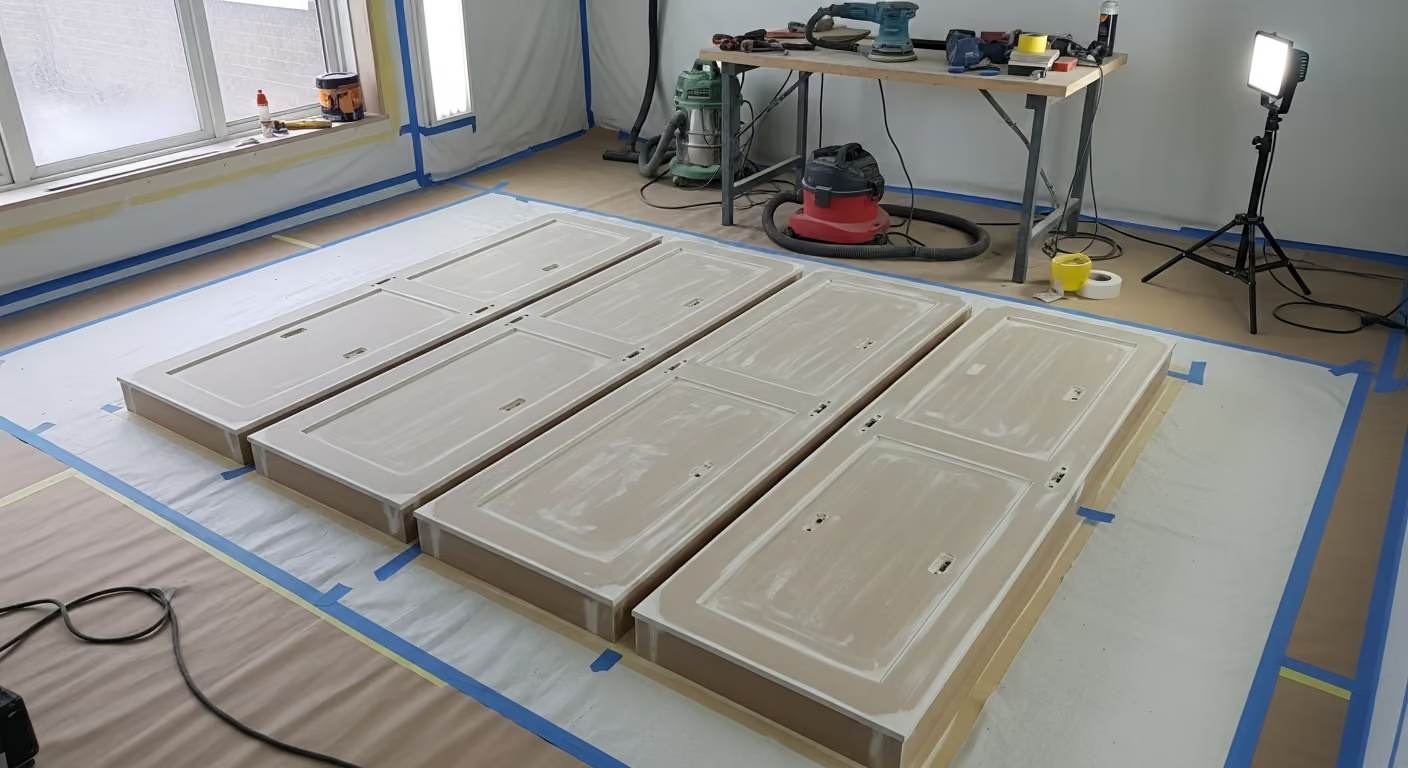
Spraying inside an occupied home needs careful protection. A bedroom contains fabrics, flooring, curtains, beds, lighting, and often personal items. The work area must be controlled properly.
A good setup usually includes:
In some cases, wardrobe doors can be removed and sprayed separately, while frames and fixed parts are finished in place. The best approach depends on the wardrobe design, room access, and the finish required.
Wardrobe colour needs careful thought because wardrobes often cover a large area. A colour that looks subtle on a small sample can feel much stronger once it covers six or eight full height doors.
Strong colour directions include:
Very bright white can look flat or harsh across a large wardrobe wall. Very dark colours can look beautiful, but they need enough room, light, and balance from fabrics or flooring. Large samples are essential before making the final choice.
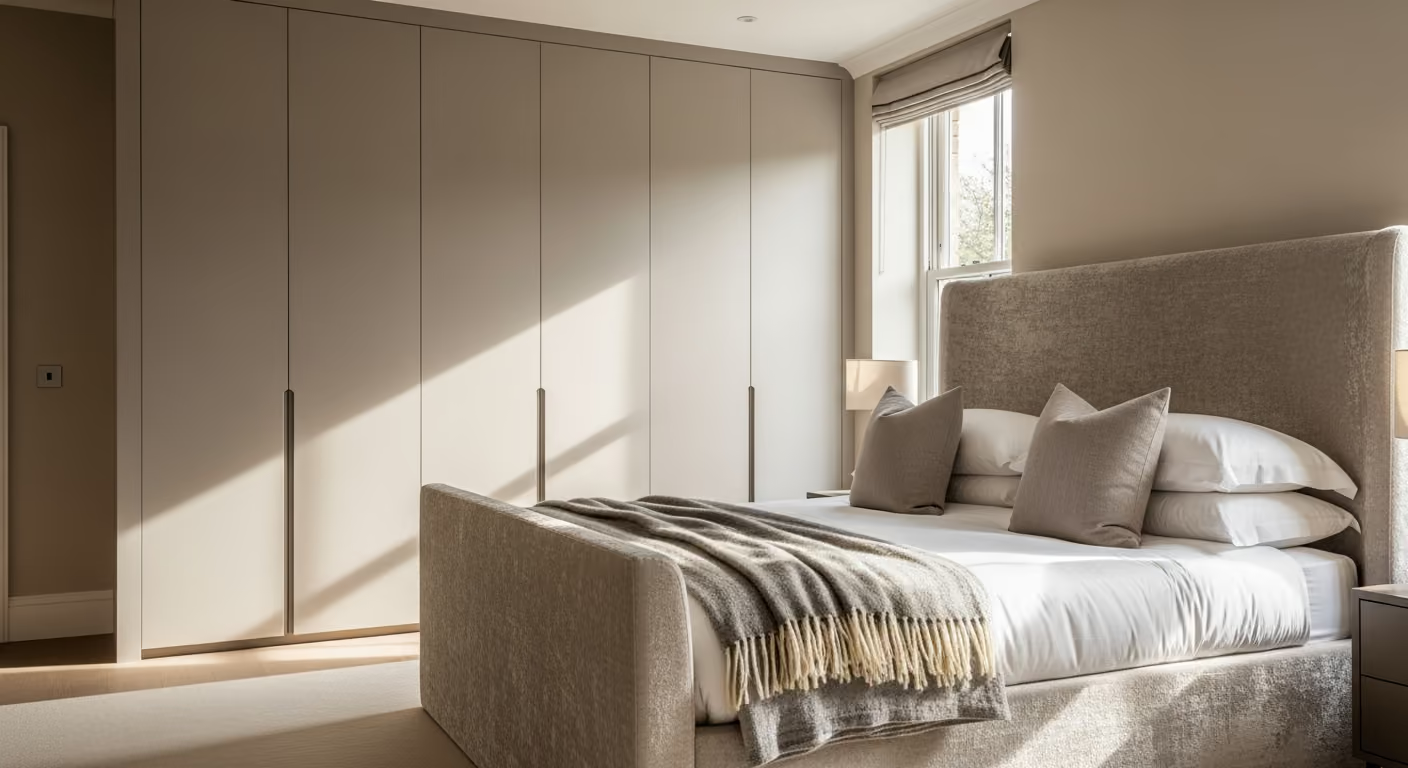
Matching wardrobes to the wall colour can make a bedroom feel larger and calmer. This is often a good choice when the wardrobes cover a full wall and should not dominate the room. It can also help a smaller room feel less broken up.
Matching or near matching works well when:
A subtle contrast works well when:
Often the best answer is not an exact match, but a close relationship. A wardrobe colour one step warmer or deeper than the walls can feel very refined.
The sheen level changes how wardrobes look under daylight and lamps. Too much shine can make a bedroom feel hard or too reflective. Too flat a finish may not be practical enough for daily touch points.
The right sheen depends on:
For bedrooms, a refined low to mid sheen often works well. It gives enough practicality for fitted furniture without making the wardrobes look glossy or distracting.
Sometimes only the exterior wardrobe faces need spraying. In other cases, visible interiors, drawer fronts, open sections, or dressing room shelving also need attention. This should be decided before work begins.
Interior finishing may be worth considering when:
Spraying interiors can add time and complexity, especially with shelves, rails, lighting, and internal fittings. It should be planned carefully rather than added at the last minute.
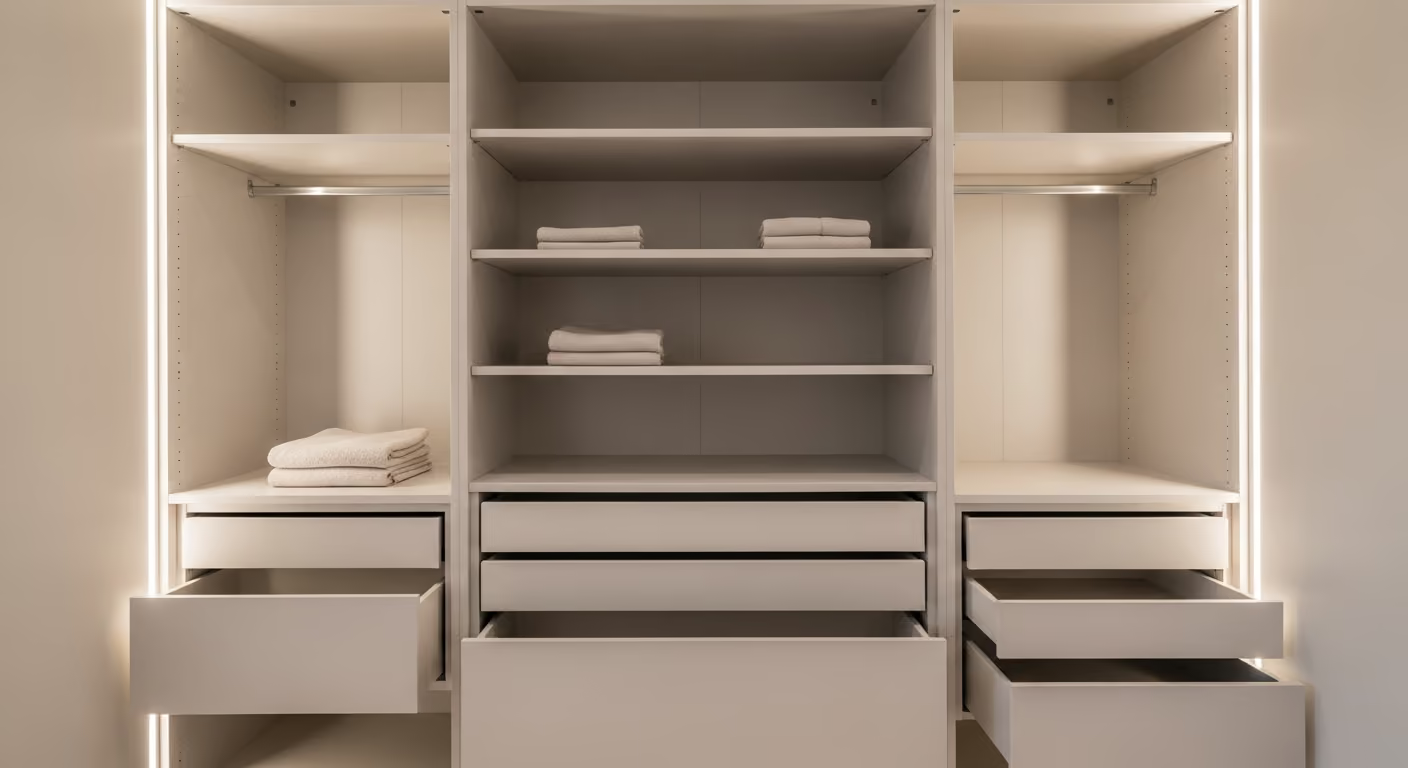
New paint can make old hardware look more tired. Handles, knobs, hinges, and pulls should be reviewed before the wardrobes are sprayed. If hardware is being changed, old fixing holes may need filling and new positions may need marking before painting.
Useful checks include:
Changing hardware at the same time can make the result feel much more complete. It is a small detail, but it has a large effect on the final look.
Drying and curing are not the same. A finish may feel dry to the touch before it is fully hardened. Wardrobes are used daily, so the finish needs enough time before clothes, hangers, bags, and objects are placed against it.
Good planning should allow for:
Rushing this stage can damage an otherwise excellent finish. It is better to plan the room around the drying process than to mark fresh paint through daily use too soon.
Wardrobes should not feel separate from the room. They need to connect with the wall colour, ceiling, skirting, curtains, carpet, headboard, bedside tables, and lighting.
Good ways to connect the scheme include:
If the bedroom also includes wallpaper or Bauwerk limewash, the wardrobe finish should be planned alongside it. Smooth spray finished joinery can look especially good beside softer wall finishes, as long as the colours belong together.
Most problems come from treating wardrobe spraying as a quick repaint. A high end result needs a fine finish process from start to finish.
Can fitted wardrobes be sprayed in place? Often yes, with careful masking and protection. Doors may be removed and sprayed separately where that gives a cleaner result.
Will spraying hide old brush marks? Only if the old texture is properly sanded and prepared first. Spraying alone will not hide poor surface preparation.
Is spraying worth it for older wardrobes? It can be, if the wardrobes are well built and still suit the room. If the doors are warped or the layout no longer works, joinery changes may be better.
Should wardrobes match the walls? They can. Matching can make the room feel calmer and larger. A subtle contrast can make the wardrobes feel more tailored.
We carry out spraying and fine finishes across Prime Central London, including Kensington, Chelsea, Belgravia, Notting Hill, Knightsbridge, and Westminster. Many of these projects involve fitted wardrobes, dressing rooms, built in shelving, media units, cabinet fronts, and bespoke joinery where a smoother finish creates a clear visual upgrade.
Thinking about spray finishing fitted wardrobes in your Kensington bedroom? Send a few photos of the wardrobes, including the full wall, close ups of chips or worn edges, handles, interiors, and the surrounding room. We can help judge whether spraying is the right route, advise on colour and sheen, and plan the preparation needed for a smooth, refined result. To begin, request a site visit and we will arrange a time that suits you.

Tell us a few details about your project and our team will review the enquiry and come back to you within one working day.