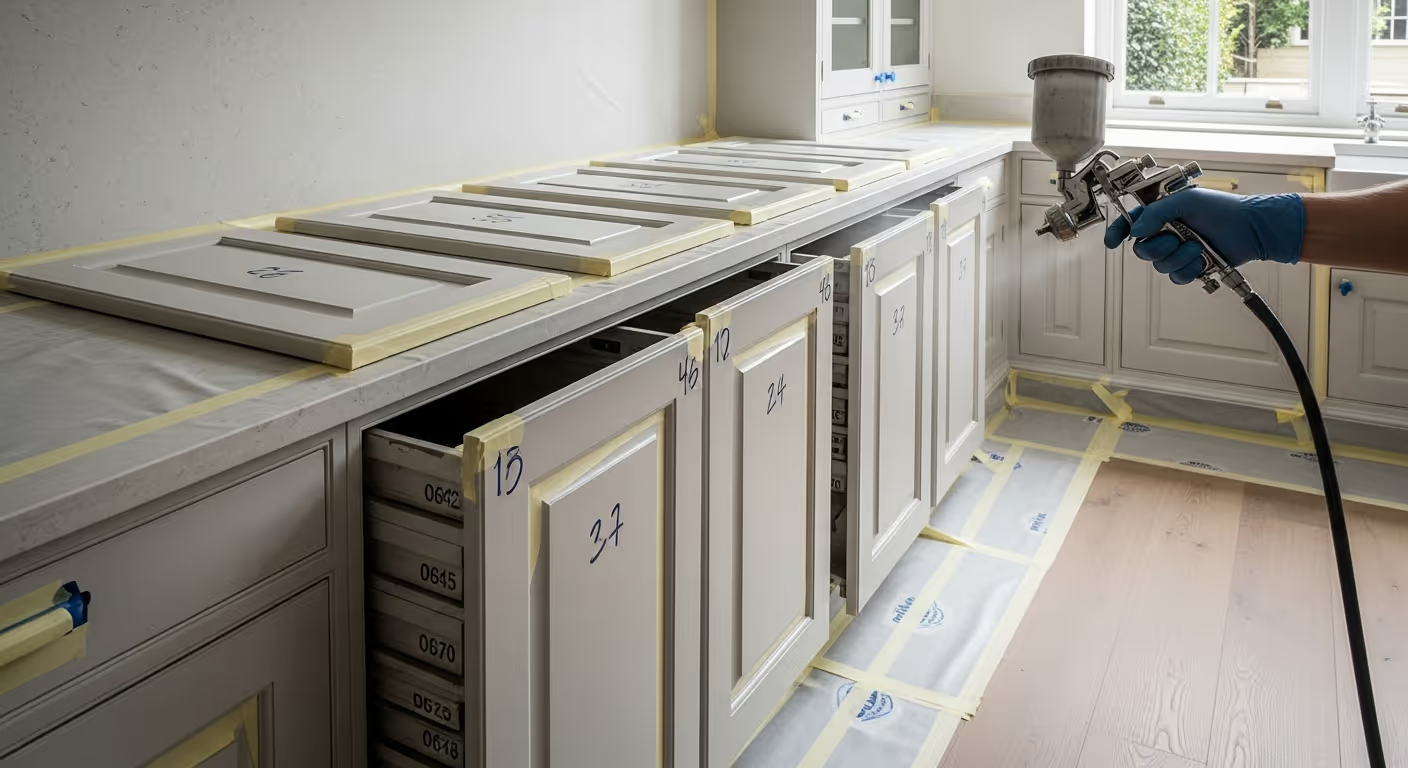
Thinking about spray painting your kitchen cabinets in Kensington instead of replacing them? This guide explains when spraying is worth the investment, what condition the cabinets need to be in, and how to get a fine finish that feels calm, durable, and high end.
Short answer: Spray painting kitchen cabinets is worth it when the cabinet boxes and doors are structurally sound, the layout still works, and you want a smoother, more refined finish than a quick brush repaint can give. It is usually not worth it when the cabinets are damaged, swollen, badly fitted, or part of a kitchen that already needs a wider redesign. In many Kensington homes, spraying is the right middle ground between a tired kitchen and a full replacement. For help planning the right approach, see our interior painting and decorating service.
Kitchens age in a very specific way. The layout may still work, the cabinet quality may still be good, yet the finish starts to look tired. Handles date the look. Door edges chip. Grease and daily use dull the surfaces. In many Kensington homes, owners do not want the disruption of a full kitchen replacement, especially if the cabinetry itself is well made. That is where spray painting starts to look attractive.
Still, it is not the right answer for every kitchen. A beautifully sprayed finish can make an old kitchen feel sharp again, but it cannot fix poor layout, failing cabinetry, or deep water damage. This guide explains how to tell when cabinet spraying is genuinely worth it, what the process involves, and how to plan a result that feels refined rather than like a compromise.
Spraying sits in the space between a minor refresh and a full refit. It gives a kitchen a new visual finish without changing every carcass, worktop, and fitting. That is why it appeals to owners who want a stronger result than a basic repaint, but without the cost and disruption of starting again.
It is popular because it can offer:
In Kensington, where many homes have well built kitchens that are visually tired rather than structurally finished, this can be a very sensible route.
Spraying is worth it when the kitchen still works at a fundamental level. That means the cabinet build is worth saving and the room does not need major redesign.
It tends to be worth it when:
If you read that list and most of it sounds true, spraying is often a strong option. It lets the kitchen look far more current while keeping the bones of the room intact.
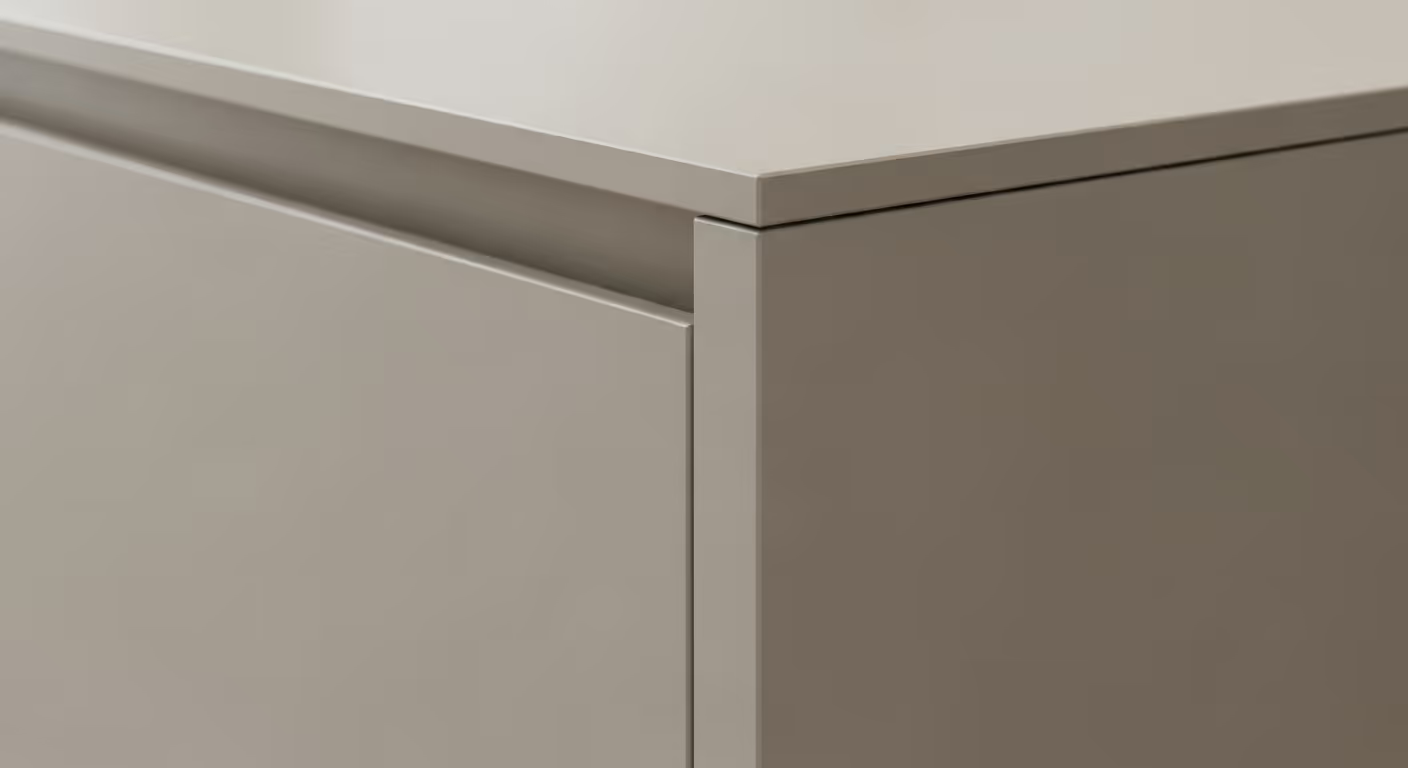
Spraying is not a magic fix. It improves finish quality and appearance, but it does not solve deeper problems in the kitchen.
It is often not worth it when:
In those cases, spraying can feel like spending serious money on something you still do not really want. A survey helps make that decision more clearly before work begins.
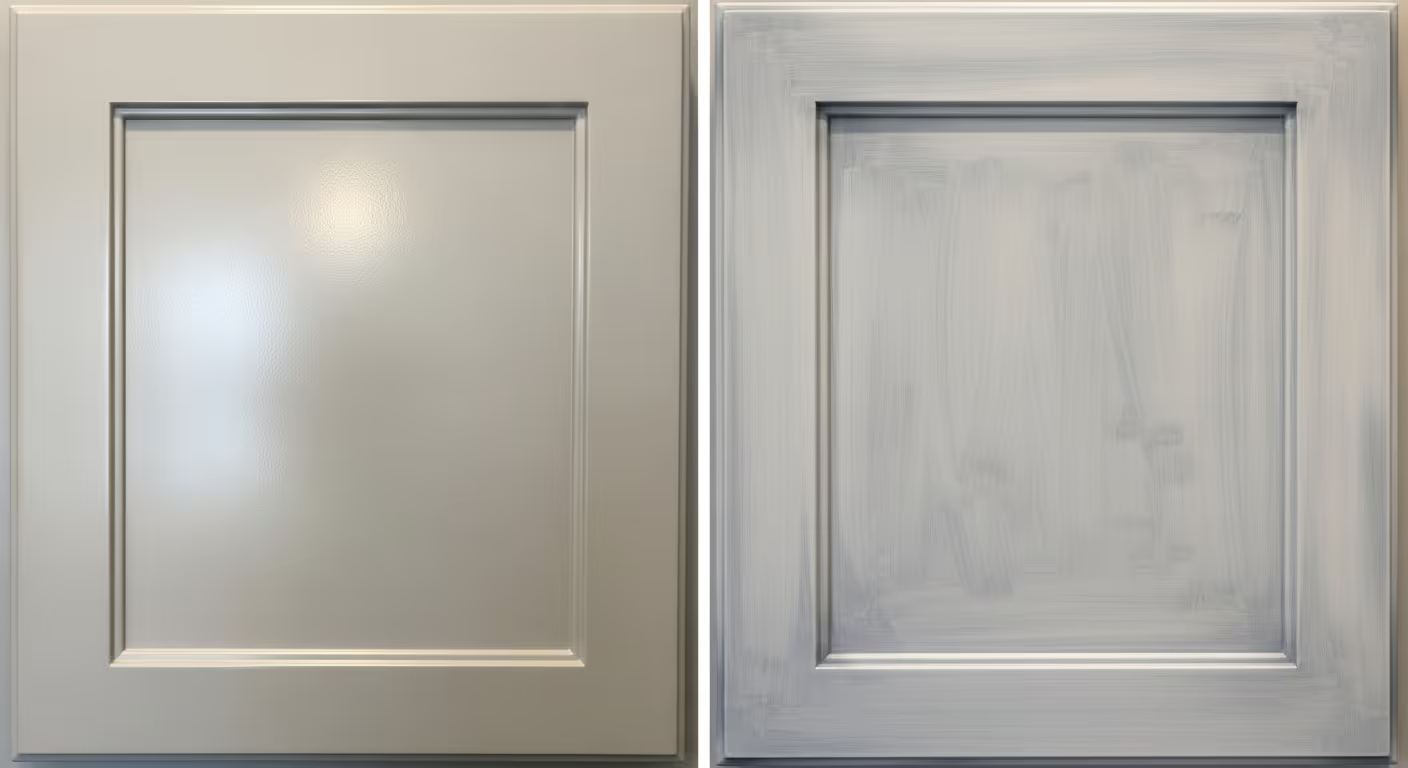
This is one of the main reasons people choose it. Spraying can create a much smoother and more even finish than standard brush work, especially on flat cabinet doors, drawer fronts, and larger joinery surfaces.
A good spray finish usually gives:
This matters a lot in kitchens because cabinet faces are viewed up close, often under strong task lighting. Any unevenness becomes easy to spot, so the smoother finish makes a real visual difference.
Many people think the smooth finish comes only from the spraying itself. In reality, the real quality comes from preparation. If the door surface is greasy, chipped, or uneven, spraying will not hide that. It can actually make flaws more obvious because the final surface is so refined.
Good preparation usually includes:
This is what separates a true fine finish project from a quick colour change.
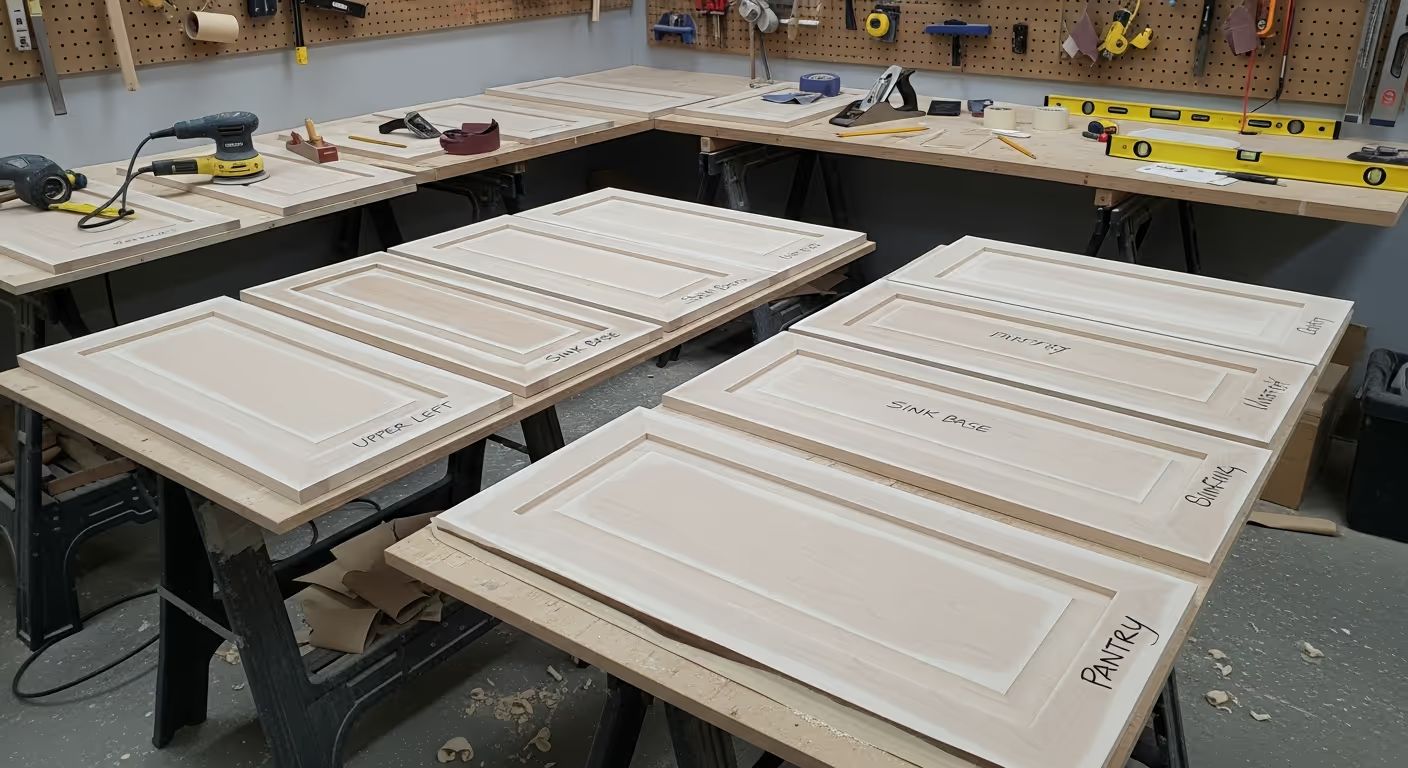
Yes, and that is a common route. In many kitchens, the doors and drawer fronts are removed, prepared, and sprayed, while the fixed cabinet frames are finished on site in a matched system. This often gives the best balance between quality and practicality.
This approach helps because:
The key is colour and sheen consistency so the fixed and moving parts read as one kitchen when complete.
It depends on the prep, the coating system, and how the kitchen is used. A well prepared and properly sprayed kitchen can hold up very well in normal use, especially when the cabinetry is cleaned gently and water is not left sitting on edges.
What helps it last:
The finish should be thought of as durable, but not indestructible. Like any good kitchen surface, it lasts longest when it is respected in daily use.
Some kitchen types benefit from spraying more than others.
These usually respond especially well because the smooth faces show every finish difference. Spraying can make them feel far more modern and sharp.
These can also look excellent when sprayed, especially if the existing joinery quality is high. The cleaner finish can lift the whole room without changing the classic style.
These are often the strongest candidates because the cabinetry itself is worth saving. Replacing well made joinery can be wasteful when the real problem is only the finish.
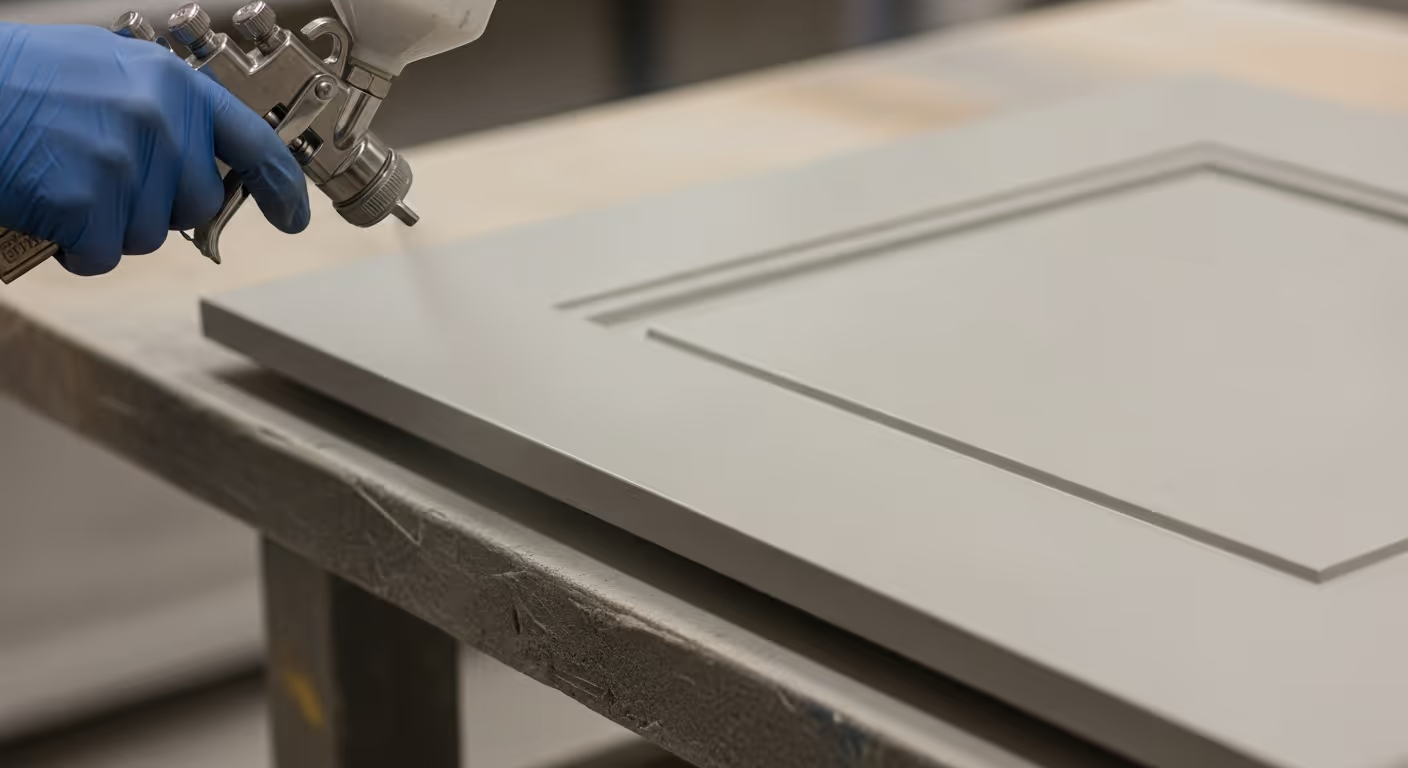
Spraying becomes especially worthwhile when the existing kitchen is visually dragging the room down. A dated cream, yellowed white, or heavy dark tone can make a kitchen feel older than it really is.
Colour changes that often add value:
The best choices usually stay calm. Kitchens are long term spaces, so the colour should feel elegant in three years, not only exciting on day one.
These details affect whether the sprayed kitchen feels truly upgraded or just recoloured. Sometimes the finish is excellent, yet old hardware keeps the kitchen looking stuck between two eras.
Small upgrades that can make a big difference:
These are not always essential, but they often help the sprayed finish feel complete rather than partial.
Brush painting can still work, especially for smaller jobs or lower budgets. But the result is different, and in a kitchen the difference is often easier to see because cabinet faces are close to the eye.
Spraying usually gives:
Brush painting usually gives:
If your goal is a proper fine finish, spraying is usually the stronger route.
Most disappointment comes when owners expect a finish upgrade to solve a design or structural problem that is really bigger than the finish itself.
Will a sprayed kitchen look as good as a new one? It can look extremely good if the cabinetry quality is strong. It will not turn poor quality units into premium joinery, but it can transform good cabinets visually.
Is spraying cheaper than replacing the whole kitchen? Usually yes, often much less disruptive too, but only when the existing kitchen is worth saving.
Can I stay in the home during the work? Often yes, if the job is planned carefully and protected well.
Should I spray everything or only the doors? Many projects spray the doors and fronts as the priority, with fixed elements finished to match. The right approach depends on the kitchen.
We carry out spraying and fine finishes across Prime Central London, including Kensington, Chelsea, Belgravia, Notting Hill, Knightsbridge, and Westminster. Many of these projects involve kitchens, wardrobes, and bespoke joinery where owners want a smoother, more refined finish without full replacement.
Want to know if your Kensington kitchen is worth spray painting? Send a few photos of the cabinets, note any swelling, chips, or alignment issues, and tell us whether the layout still works for you. We can help you decide whether spraying is the smart option and plan a result that feels high end without unnecessary disruption. To begin, request a site visit and we will arrange a time that suits you.

Tell us a few details about your project and our team will review the enquiry and come back to you within one working day.