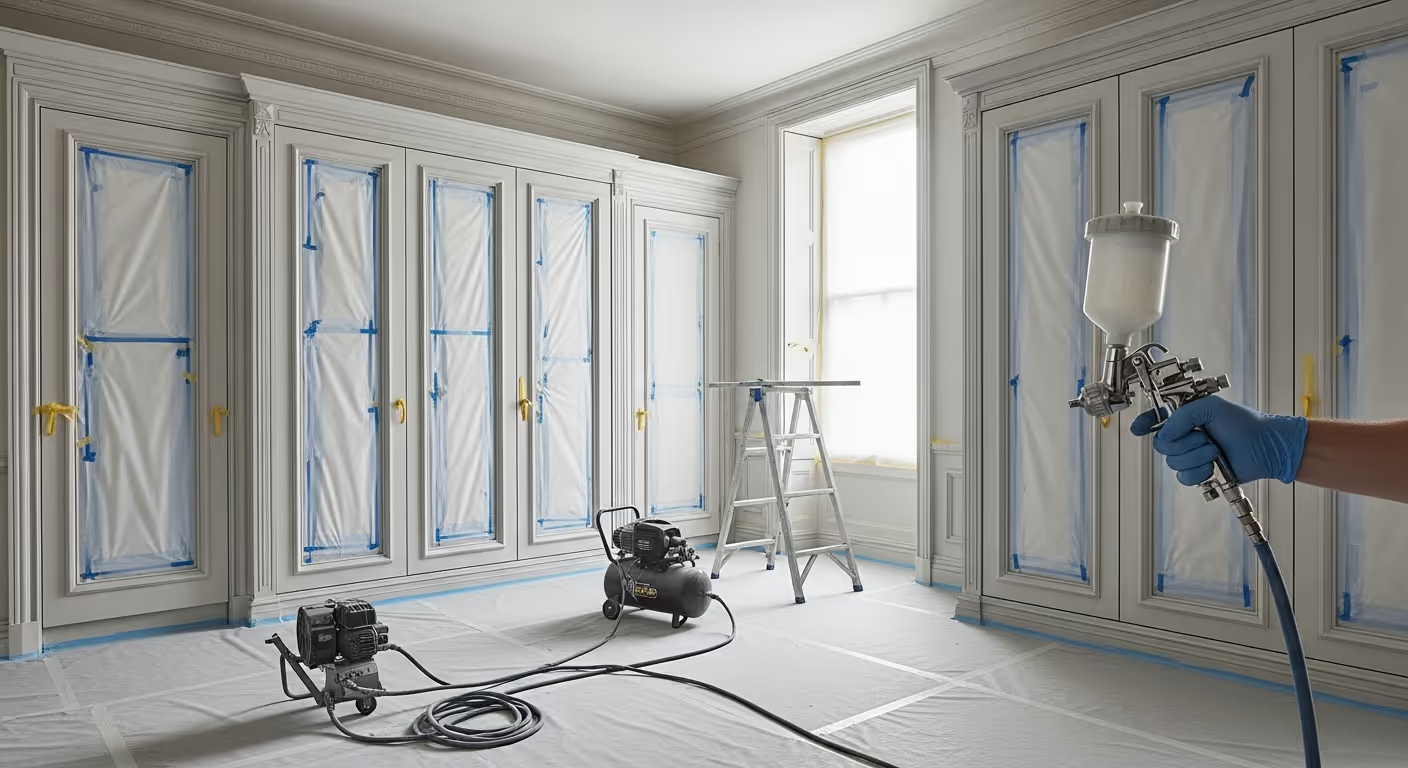
Not sure whether your Chelsea doors, wardrobes, and trim should be sprayed or brush painted? This guide explains when spraying gives a better result, what prep it needs, and how to decide if the smoother finish is worth it for your home.
Short answer: Spraying interior woodwork usually makes more sense when you want the smoothest finish, have a lot of joinery, or want wardrobes and doors to look close to factory finished. Brush painting still has its place, especially for smaller jobs and detailed areas, but spraying is often the better choice for built in joinery, flat panel doors, and larger woodwork schemes in Chelsea homes. For help planning the right method, see our interior painting and decorating service.
Many Chelsea homes have more woodwork than people realise. Full height wardrobes, panelled doors, shutters, skirting, architraves, media units, and bespoke joinery all shape how the room feels. When these surfaces are well finished, the whole interior feels sharper. When they are tired or uneven, even a strong design scheme can feel unfinished.
This is where the question comes in. Should the woodwork be brush painted, or should it be sprayed. Both can work, but they do not give the same result and they do not suit the same situations. This guide focuses on when spraying is the smarter choice in Chelsea homes, what it really changes, and how to decide room by room without overcomplicating the project.
Spraying is an application method used to create a finer, smoother coating on woodwork and joinery. Instead of laying the paint on with a brush or roller, the coating is atomised and applied in very fine passes. When the prep is right and the setup is controlled, the finish can look extremely even and refined.
In homes like those in Chelsea, spraying is often used for:
That is why this sits within the spraying and fine finishes category. It is not just about painting woodwork. It is about choosing a finish method that creates a different level of smoothness and precision.
The biggest advantage of spraying is the surface quality. A well sprayed finish can look more even and more controlled than a brushed finish, especially on large or flat elements.
Spraying tends to perform better in these areas:
In a Chelsea dressing room or bedroom with full height wardrobes, this can make a major difference. The joinery starts to feel like part of the architecture rather than something simply painted on site.

Spraying is not automatically the right answer for every room. It is most worth it when the job includes enough woodwork or enough visible joinery to justify the extra setup and masking.
Spraying is often the right call when:
In contrast, if you only want to repaint one door and a small run of skirting, spraying may not be the most efficient option.
Brush painting is still a very useful method. In some cases it is more sensible, especially when the job is small or when the details are too awkward for a full spray setup to be practical.
Brush painting often makes more sense when:
That does not mean brush painting is lower quality. It simply means the result is different, and the best method depends on the project goal.
Spraying only looks good when the prep is excellent. In fact, spraying reveals poor prep more clearly because the final coat is so smooth. If the substrate is uneven, the finish will not hide it.
That means proper prep usually includes:
Clients sometimes focus on the spray gun and forget that the finish is really won in the prep. If the prep is rushed, spraying can make flaws look even more obvious.
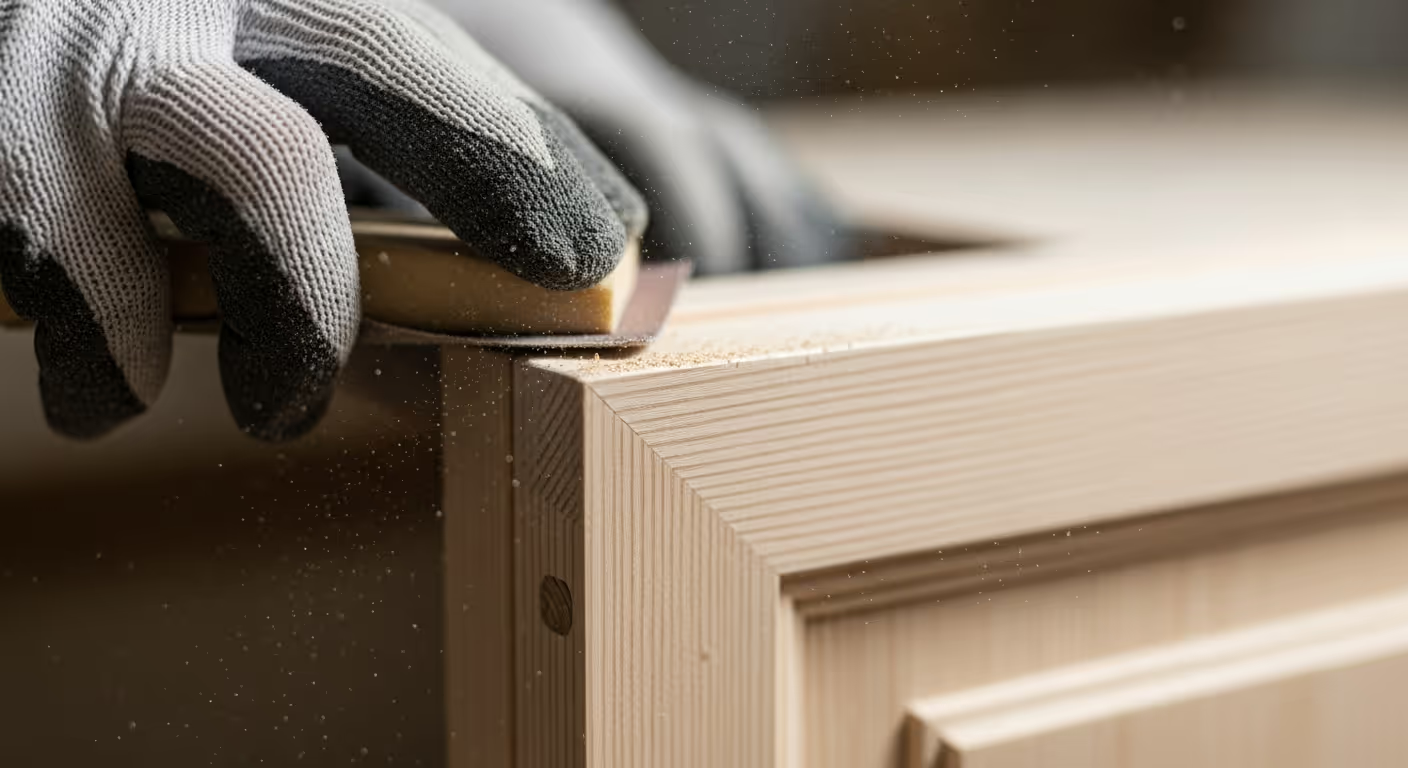
Not all woodwork responds in the same way. Some surfaces benefit more from spraying than others.
This is where spraying often gives the strongest payoff. Large flat areas look cleaner and more architectural when they are sprayed. Brush texture is easier to see here, so the smoother result often feels worth the extra work.
Spraying can sharpen the look of the panels and keep the sheen more even. In homes with many matching doors, this can lift the entire floor.
Spraying can work very well, but the benefit depends on scope. If you are already spraying doors and joinery, it can make sense to include these. If not, brushing may be more practical.
Shutters often look excellent when sprayed because they contain many small planes and repeated elements. A fine even coat helps them look fresh without becoming heavy.
This is the concern most owners have, especially in occupied Chelsea homes. Spraying does need more masking and more setup. That part is real. The good news is that a tidy spray setup can still work very well in a lived in home when it is planned in phases.
Good spray planning usually means:
In practice, many clients find spraying less stressful than they expected, provided the project is well organised. A tidy plan matters more than the method itself.
A simple way to decide is to ask what you will notice most once the job is done.
In many Chelsea bedrooms, dressing rooms, and reception spaces with built ins, spraying makes sense because the joinery is such a visible part of the room design.
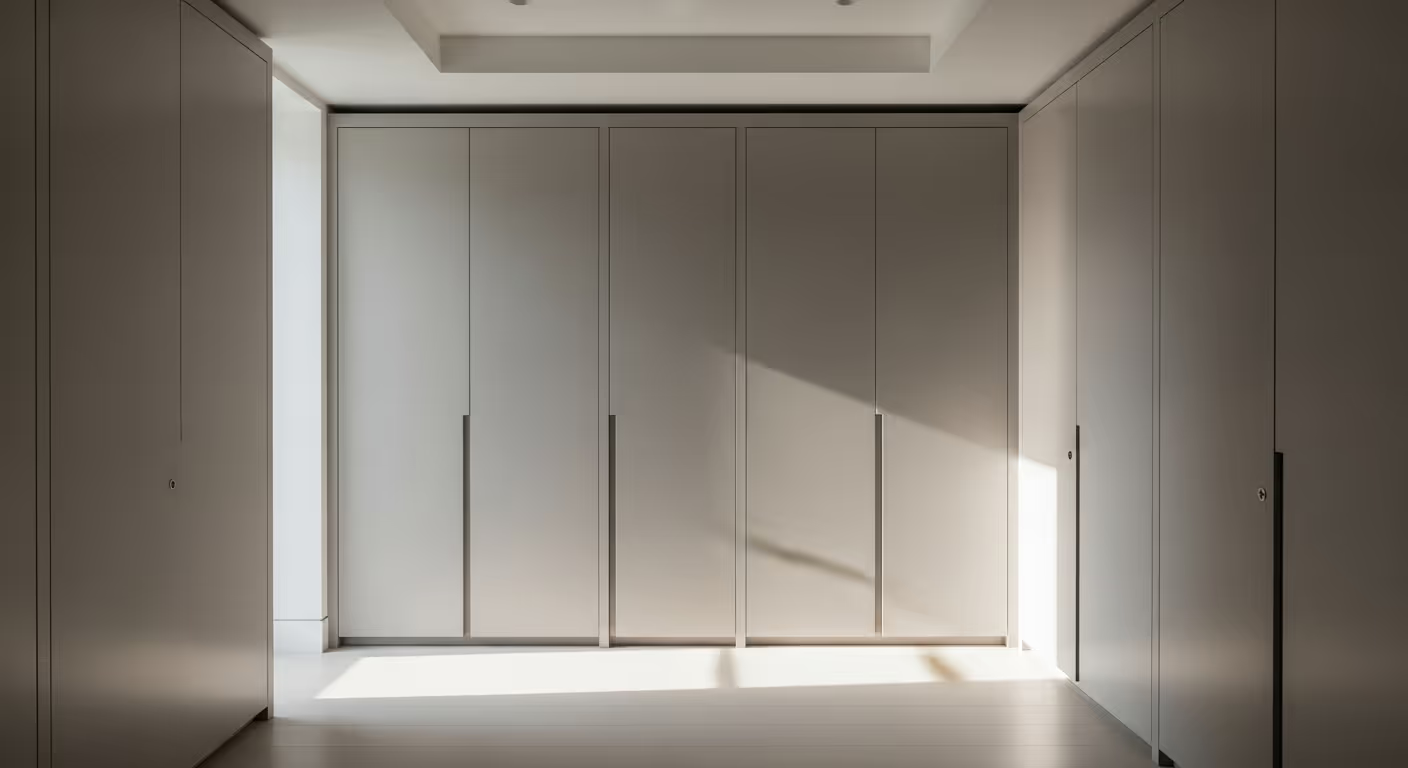
Fine finish woodwork usually works best when the rest of the room is planned around it. A beautifully sprayed wardrobe can sit beside a standard painted wall very well, but undertones and finish levels should be chosen carefully so the room still feels balanced.
Ways to keep the scheme coherent:
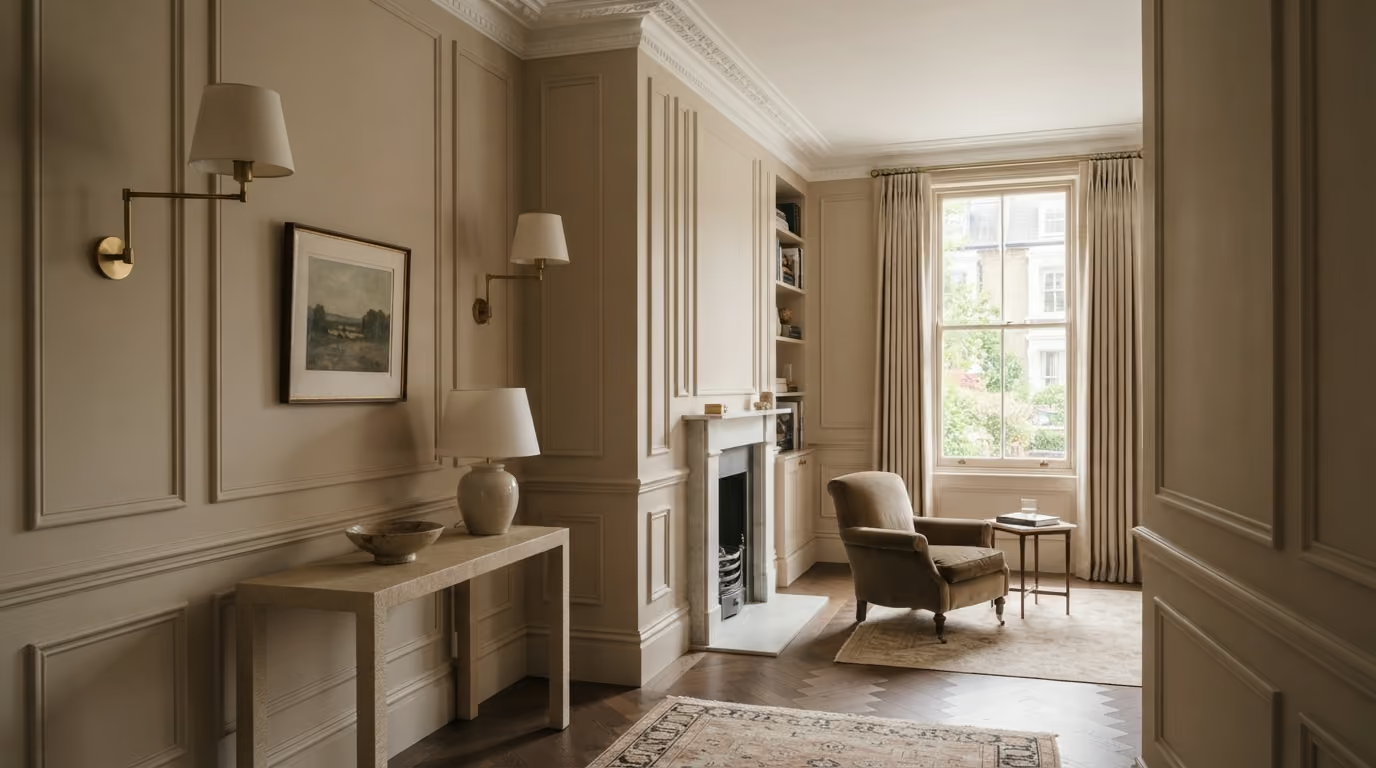
If nearby rooms use finishes like Bauwerk limewash, the contrast can actually look excellent. The key is keeping the colour family aligned so the home feels intentional, not mixed by accident.
Most problems come from using the right method in the wrong situation, or from using a good method with poor prep.
Will sprayed woodwork always look better? Not always. It usually looks smoother, but the best choice still depends on the job size, the room, and the level of finish you want.
Is spraying only for modern interiors? No. It works very well in period homes too, especially when the joinery is large and visible.
Can we stay in the home while spraying happens? Usually yes, if the work is phased and masking is handled properly.
Should every piece of trim be sprayed if wardrobes are being sprayed? Not necessarily. Some projects mix methods intelligently, with wardrobes sprayed and certain trim items brushed where that makes more sense.
We carry out spraying and fine finishes across Prime Central London, including Chelsea, Kensington, Belgravia, Notting Hill, Knightsbridge, and Westminster. Many of these projects involve wardrobes, panelled doors, shutters, and bespoke joinery where a smoother finish makes a clear visual difference.
Want to know if spraying is the right choice for your Chelsea woodwork? Send a few photos of your doors, wardrobes, or joinery, and tell us whether you are living in the home during the work. We can advise whether spraying will give you a meaningful upgrade, and plan the prep and sequencing so the result looks sharp and the project stays calm. To begin, request a site visit and we will arrange a time that suits you.


Tell us a few details about your project and our team will review the enquiry and come back to you within one working day.