Built in shelving can shape the whole feel of a Notting Hill living room, study, or media space. This guide explains when spray finishing is worth it, what prep matters most, and how to get a smooth, refined finish that looks built into the architecture.
Short answer: Spray finishing built in shelving is usually worth it when the joinery is well made, highly visible, and a key part of the room design. It gives a smoother and more consistent finish than brush painting, especially across shelves, cabinet fronts, side panels, and large flat sections. It is less useful when the shelving is damaged, badly fitted, or not worth keeping. For fine finish work across Prime Central London, see our interior painting and decorating service.
Built in shelving can make a Notting Hill home feel calm, tailored, and much more complete. In a living room, it can frame a fireplace or media wall. In a study, it can turn a plain room into a proper library. In a family room, it can hide storage and bring order to daily life. Yet shelving is also very visible. The finish is seen up close, under lamps, beside books, art, and objects. If the paint looks rough, patchy, or uneven, the whole room can feel less refined.
This is where spray finishing can make a real difference. It can turn tired or average looking joinery into something much smoother, cleaner, and more architectural. But it is not always the right choice. The joinery has to be worth saving, the room has to allow the right setup, and the prep has to be done properly. This guide explains when spray finishing built in shelving makes sense, when it does not, and how to plan the work so the result feels high end rather than simply repainted.
Built in shelving often includes many visible planes. There are shelf faces, side panels, cabinet doors, backs, vertical dividers, edges, and sometimes moulded trim. When all of these surfaces are painted by brush, small differences in texture can show from one section to the next. Spray finishing creates a more even surface across the whole unit.
This matters because shelving is often seen in strong light. Living rooms in Notting Hill can have tall windows, wall lights, picture lights, and evening lamps. Those lights show brush marks, uneven sheen, and rough prep. A smoother sprayed finish helps the joinery read as one calm piece of architecture.
Spraying tends to help most when:
Spray finishing is usually worth the effort when the built in shelving is fundamentally good. The shape works, the shelves are well fitted, and the joinery still suits the room. In that case, the finish may be the weak point, not the joinery itself.
It is often worth spraying when:
In many Notting Hill homes, built in shelving is part of the room identity. If it looks tired, the whole room looks tired. A good spray finish can change that without a full redesign.

Spraying cannot solve every problem. It improves the finish, but it does not fix poor design or failing joinery. Before committing, it helps to be honest about the condition of the shelving.
Spraying may not be worth it when:
In those cases, spraying may make the shelving look better for a while, but it may not feel like money well spent. A site check helps separate a finish problem from a joinery problem.
Brush painting can still look good, especially on small pieces or on more traditional details where a hand finished look is acceptable. But on larger built in shelving, spray finishing usually gives a cleaner result.
Spraying usually gives:
Brush painting usually gives:
The right choice depends on the goal. If you want a true fine finish across a large joinery wall, spraying is usually the stronger option.
A spray gun does not create a luxury finish by itself. It only applies the coating. The real quality comes from the surface underneath. If the shelves are greasy, chipped, dusty, or rough, spraying will not hide that. It can make flaws more visible because the final coat is so smooth.
Good preparation usually includes:
This prep can take longer than the spraying itself. That is normal. If prep is rushed, the final finish will not feel refined.

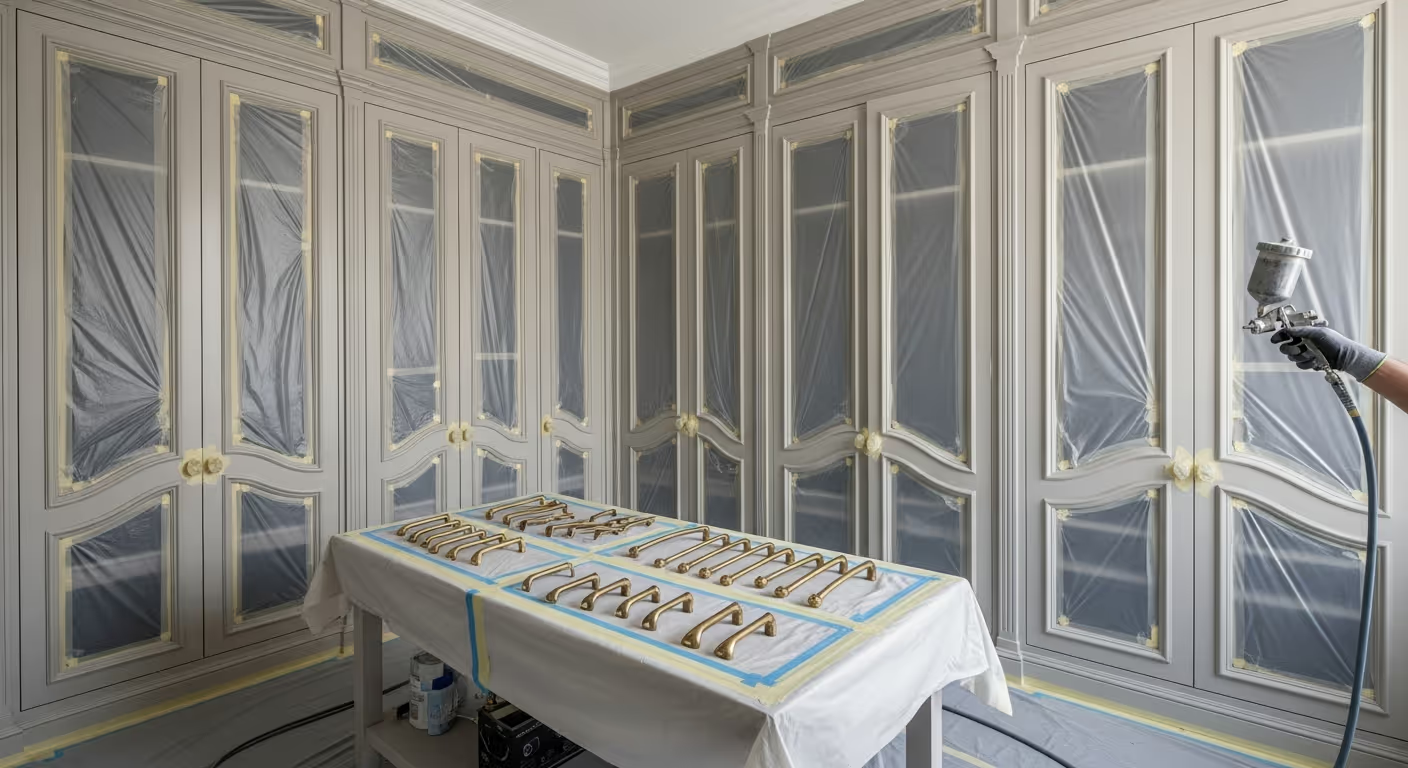
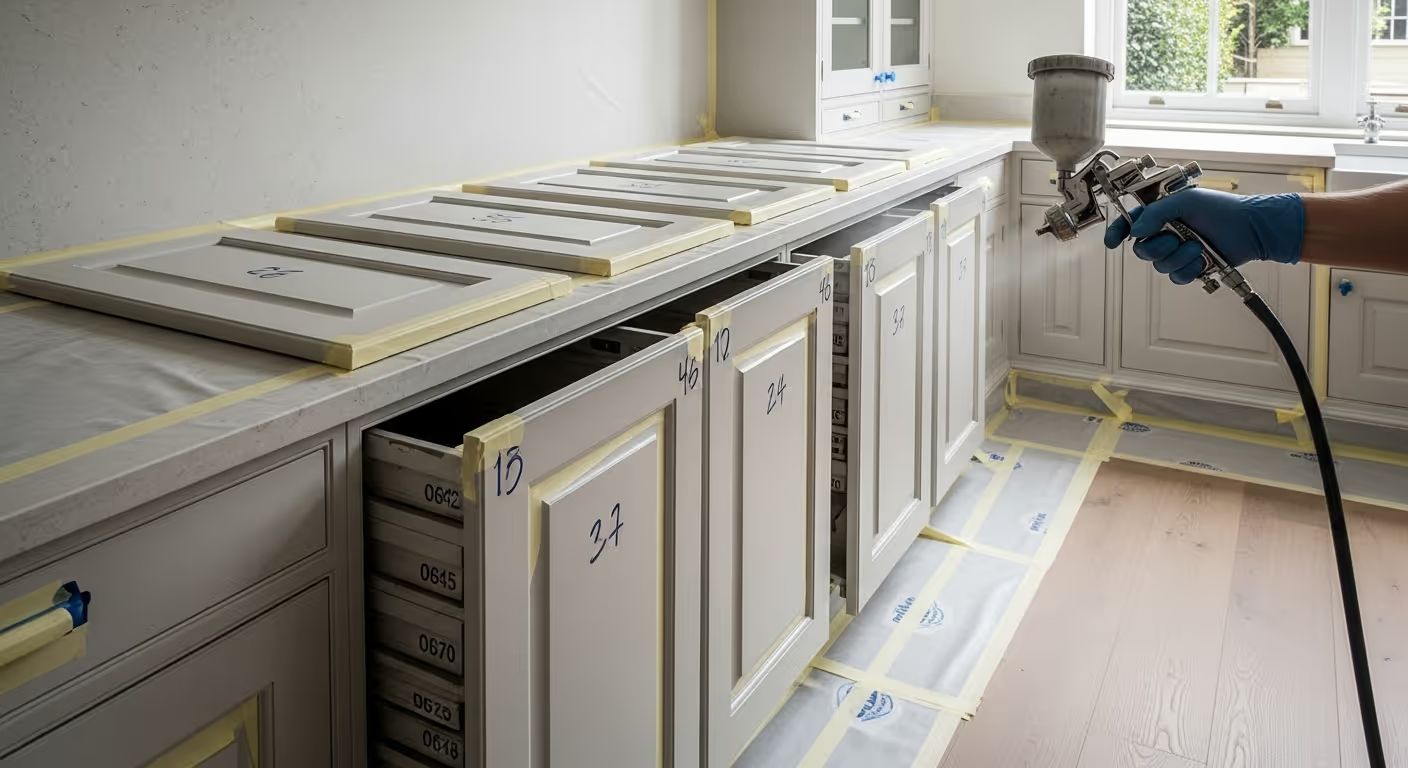
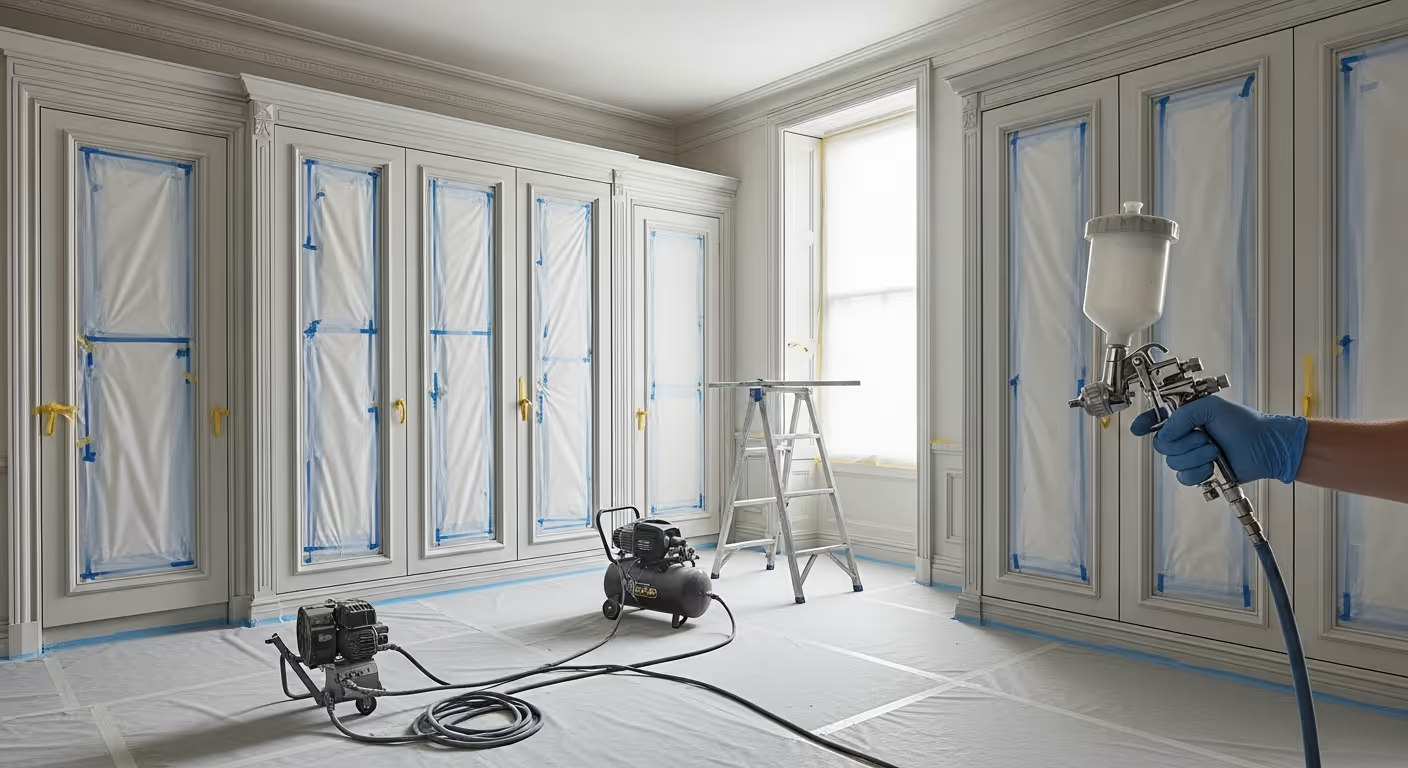
The main concern with spraying indoors is mess. Spray finishing needs careful masking, clean zoning, and disciplined working habits. In a lived in Notting Hill home, this matters as much as the final coat.
A tidy spraying setup usually includes:
For larger shelving walls, the room may need to be out of use for a short period. That is still often much less disruptive than replacing the joinery. The key is planning the schedule clearly before work begins.
Colour can decide whether shelving feels calm and architectural or too heavy. In Notting Hill interiors, the best joinery colours are often muted and controlled. They should support the room, not compete with the objects displayed on the shelves.
Good directions often include:
Very bright white can look stark on a large shelving wall. A softer white or stone tone often looks more expensive, especially beside books, art, timber floors, and warm lighting.

There is no single rule. Matching the shelving to the walls can make a room feel larger and calmer. Choosing a slightly different tone can make the joinery feel more special. The best answer depends on the room.
Matching works well when:
Contrast works well when:
A subtle contrast is often the safest choice. One or two steps deeper than the wall colour can make the joinery feel considered without making it too bold.
Spray finished shelving can sit beautifully beside other finishes, as long as the colour logic is clear. In a Notting Hill home, you might have a limewash reception room, a wallpapered hallway, and sprayed shelving in a study. That can work very well if undertones are connected.
Simple ways to link finishes:
If a nearby room uses Bauwerk limewash, the sprayed shelving can give a lovely contrast. The limewash brings movement, while the sprayed joinery brings crispness.
Small details can decide whether the finished shelving feels fully upgraded or only partly refreshed. If cabinet doors are included, handles and hinges should be checked before spraying. If shelf lighting is included, it should be protected and planned into the sequence.
Useful checks include:
Replacing tired hardware at the same time can make the spray finish feel much more complete.
A sprayed finish can last well when the prep, primer, and top coat system are right. Built in shelving is usually lower contact than kitchen cabinets or hallway doors, so it can hold its finish very well in normal use.
Longevity depends on:
Simple care helps. Lift objects instead of dragging them, use soft cloths for cleaning, and avoid harsh products that can dull the finish.
Most disappointment comes from treating spraying as a quick coating job rather than a fine finish process.
Can built in shelving be sprayed in place? Often yes, with careful masking and protection. Some removable parts may be taken off and sprayed separately for a cleaner result.
Will spraying hide old brush marks? Only if the old texture is properly sanded and prepared first. Spraying alone will not hide poor surface prep.
Is spraying worth it for one small bookcase? Sometimes, but the setup may not be worth it for a very small item. It makes most sense for larger or more visible joinery.
Can the shelving be a different colour from the walls? Yes. A subtle contrast often looks excellent, especially in studies, living rooms, and media spaces.
We carry out spraying and fine finishes across Prime Central London, including Notting Hill, Kensington, Chelsea, Belgravia, Knightsbridge, and Westminster. Many of these projects include built in shelving, wardrobes, cabinet fronts, media units, and bespoke joinery where a smoother finish creates a clear visual upgrade.
Want to know if your Notting Hill built in shelving is worth spray finishing? Send a few photos of the joinery, including close ups of chips, old brush marks, handles, and shelf edges. We can help judge whether spraying is the right route, advise on colour and prep, and plan a clean fine finish that makes the shelving feel part of the architecture. To begin, request a site visit and we will arrange a time that suits you.
Tell us a few details about your project and our team will review the enquiry and come back to you within one working day.