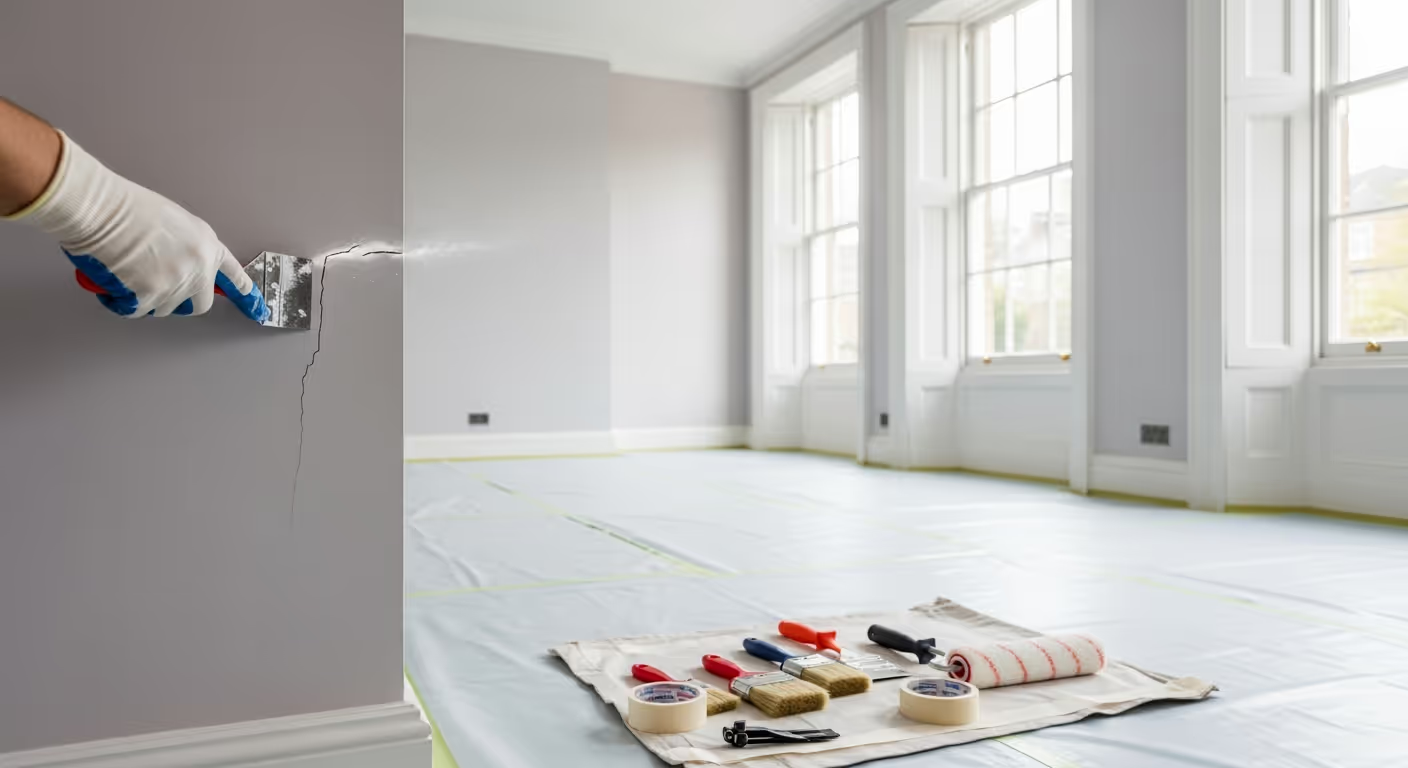
Not sure when to book your next repaint? This guide explains how often walls, ceilings, and woodwork in Kensington and Chelsea homes need attention, the signs to watch for, and how to plan a calm schedule that protects both your time and your property.
Short answer: Most Kensington and Chelsea homes benefit from a full interior repaint every five to seven years, with busy areas and woodwork checked more often. Hallways and kitchens usually need attention sooner, calm bedrooms a little later. The real guide is how the room looks in your light. When fine cracks, marks, or dull patches start to catch your eye, it is time to plan. For help building a room by room plan, see our interior painting and decorating service.
Paint does not fail overnight. It changes slowly, and it can be hard to notice when you live in the space every day. A simple schedule keeps your home looking settled and protects the fabric underneath. Kensington and Chelsea homes often have high ceilings, fine plaster, and detailed joinery, so timing matters. This guide sets out typical repaint cycles, signs that each surface is due, and a way to plan work that respects your routine and your building.
There is no single number that fits every room. Different spaces age at different speeds. Use these as calm reference points, then adjust for your life.
These ranges assume a good quality system and steady care. In rental or very busy family homes, life can shorten the cycle. In calm, lightly used rooms, you may happily stretch it.
Do not wait for paint to peel. Look for quiet clues instead. Kensington and Chelsea light is kind but honest. When the sun comes across a wall, it will show more than evening lamps will.
Stand at the doorway and look across the wall in side light. If your eye jumps from mark to mark, the room is ready. A good repaint turns the wall back into a calm backdrop for art, furniture, and life.
.avif)
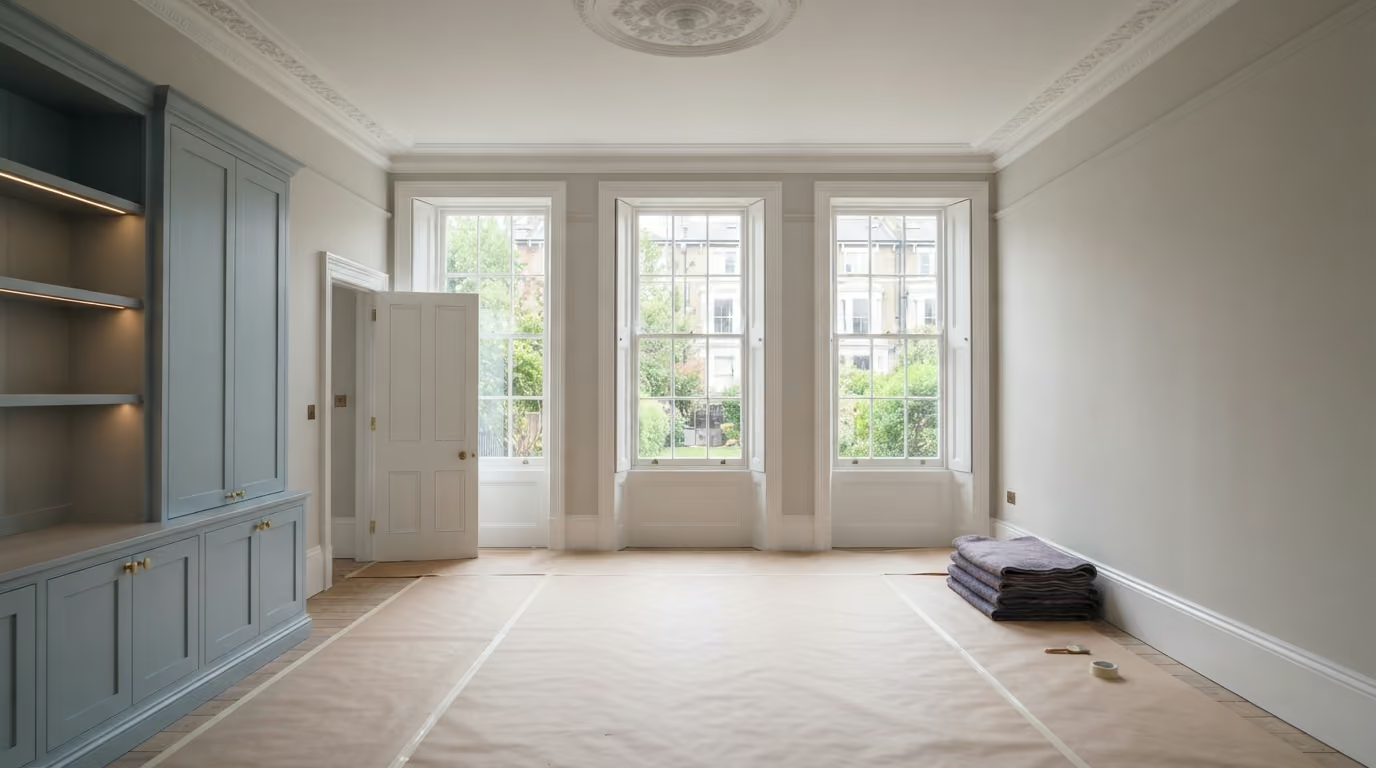
Ceilings age slower than walls, yet they make a huge difference to how fresh a room feels. In many Kensington and Chelsea flats, ceilings can go eight years or more between full coats if they stay clean and even. Shorten that if you see:
In period homes with lath and plaster, small movement is normal. A good decorator can fill, tape where needed, and reset a smooth plane. When ceilings are fresh, the whole room feels taller and lighter, even if the wall colour stays the same.
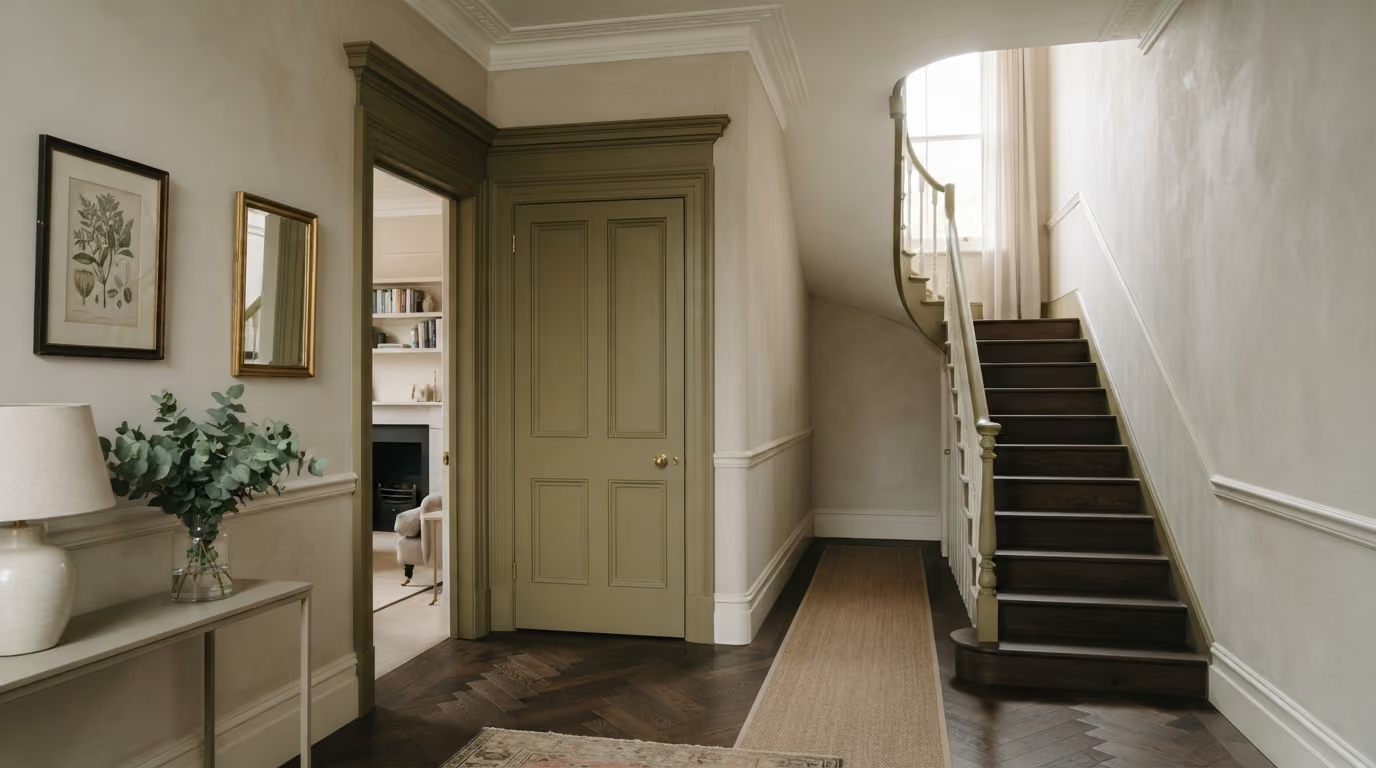
Woodwork carries daily contact. Every time you open a door, pull a wardrobe, or slide a drawer, small marks collect. In a calm home with adults only, trim can last seven years or more. In a busy family house it may need a refresh sooner, especially at:
Look for chipped paint on edges, dull sheen, or dark marks that do not clean away. Woodwork is where a skilled finish really shows. Even if you delay full wall repainting, a trim refresh can lift the space. For high gloss and sprayed finishes on doors, our guide to high gloss doors explains how we keep that mirror look in Knightsbridge and nearby areas.
Every home is different. A few common factors shorten or extend the time between coats.
In Prime Central London, many homes mix classic paint with Bauwerk limewash or specialist finishes in feature rooms. Limewash ages differently. It likes quiet spaces and soft handling. If you have limewash in reception rooms, you may repaint other areas more often and simply carry out gentle care or small feathered touch ups in those calm spaces.
Rather than repaint the whole house every time, many clients use a simple rotation.
This keeps everything within a healthy cycle without turning your home into a constant project. We can map a light plan like this during a site visit so you always know what is next, and you can book dates that avoid peak family or work moments.
If you plan to sell or let your Kensington or Chelsea property, a fresh repaint can be one of the simplest upgrades. Buyers and tenants look for clean walls, tidy ceilings, and sharp joinery, not just new kitchens. A well judged repaint:
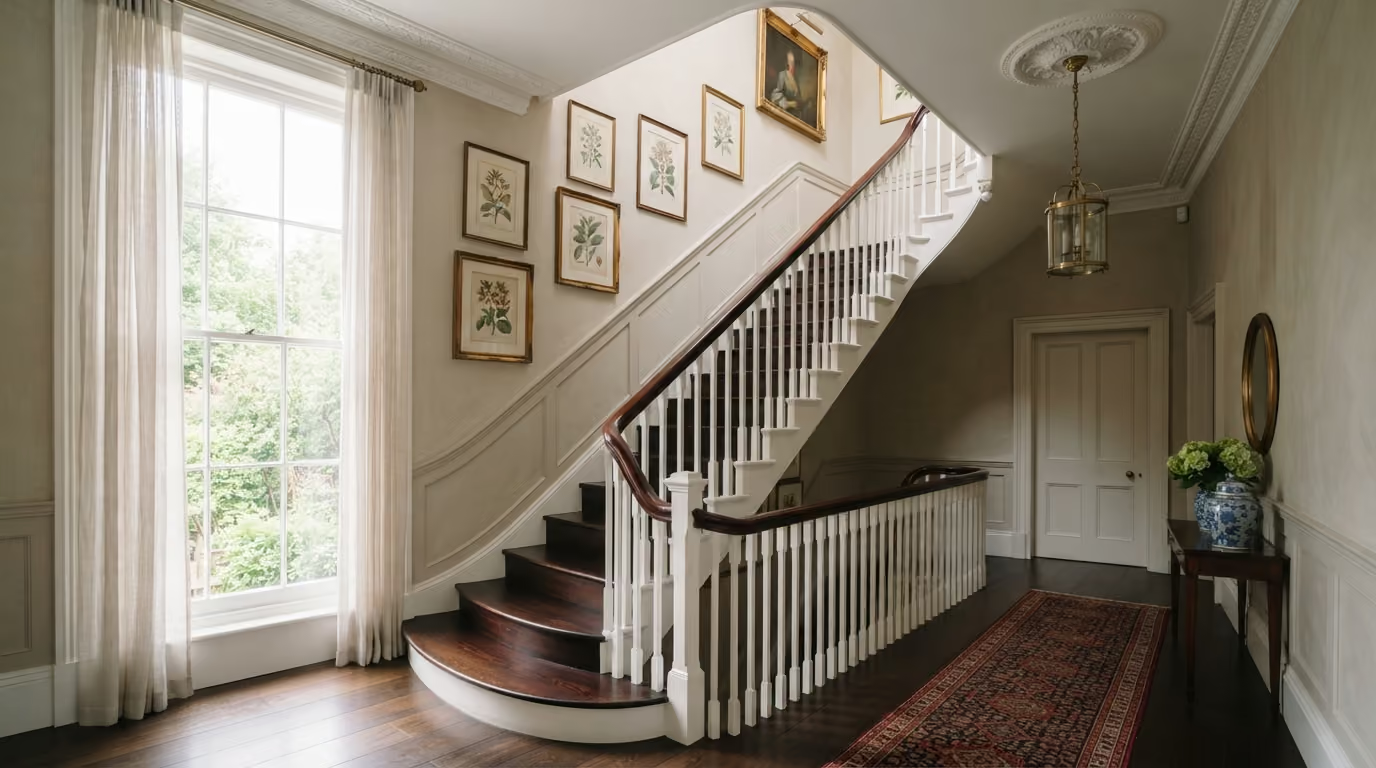
Neutral, well chosen shades work best. They keep rooms light and make it easy for others to imagine their own furniture. For ideas on calm colours with quiet depth, see the tones used in the Central London residence project and other recent projects.
.avif)
Time on site depends on room count, prep needs, and whether you stay in place. As a rough guide for a two bedroom flat in Kensington or Chelsea:
Empty properties can move faster, since set up and daily pack down are simpler. Lived in homes need a little more time for protection and clean downs. We always plan a clear daily routine so access and quiet spaces are respected.
Here is a short walk you can do in half an hour.
If you fill a short list of items in more than half of the main rooms, the home is ready for a planned refresh rather than one off touch ups.
The right product can extend time between repaints. In Kensington and Chelsea we often suggest:
We match products to how you live. A retired couple in a quiet flat does not need the same system as a family of five with dogs. The aim is always a home that feels calm, not a maintenance list that never ends.
.avif)
Repaints often link with other events in the home. New flooring, kitchen updates, or joinery changes are good moments to review paint. Fresh floors can mark skirting, and new lighting can show old marks that were never clear before. A simple order that keeps life easy is:
Planning in this sequence avoids redoing work and keeps the final finish clean.
Can I just touch up small marks instead of repainting? For small, isolated marks, spot repairs can work. When there are many marks and the colour has aged, full walls give a better, more even look.
Do heritage paints last longer? Mineral and heritage grade systems often age more gracefully and support old substrates better. They still need care and sensible timing, yet they can keep a more refined look between cycles.
What if my home is used only part of the year? Light use can extend the cycle, yet London soot and natural ageing still apply. Plan a check every few years even if you are away for long periods.
Can we repaint while we are away? Many clients choose that path. With clear dates and access arranged, we can work while you travel and hand back a clean home on your return.
We work across Prime Central London, with frequent interior projects in Kensington, Chelsea, Belgravia, Notting Hill, Knightsbridge, and Westminster. You can see how regular, calm maintenance keeps homes settled in our West London period home and other project pages.
Ready to find out if your Kensington or Chelsea home is due a repaint? Share a few photos and a short list of rooms, or ask for a site visit. We will reply with a clear plan that fits your timetable and the way you live. To begin, send us a message and we will take it from there.
Tell us a few details about your project and our team will review the enquiry and come back to you within one working day.