.avif)
Not sure which paint finish is best for a Kensington hallway? This guide explains matt and soft sheen in plain English, so you can choose a finish that looks calm, cleans well, and suits daily life in Prime Central London homes.
Short answer: For most Kensington hallways, matt is the best choice when you want the calmest look and you have a normal level of day to day contact. Soft sheen is the better choice when the hallway gets frequent marks and you want easier wiping. The right option depends on traffic, lighting, and how often you clean. For help choosing a finish for your home, see our interior painting and decorating service.
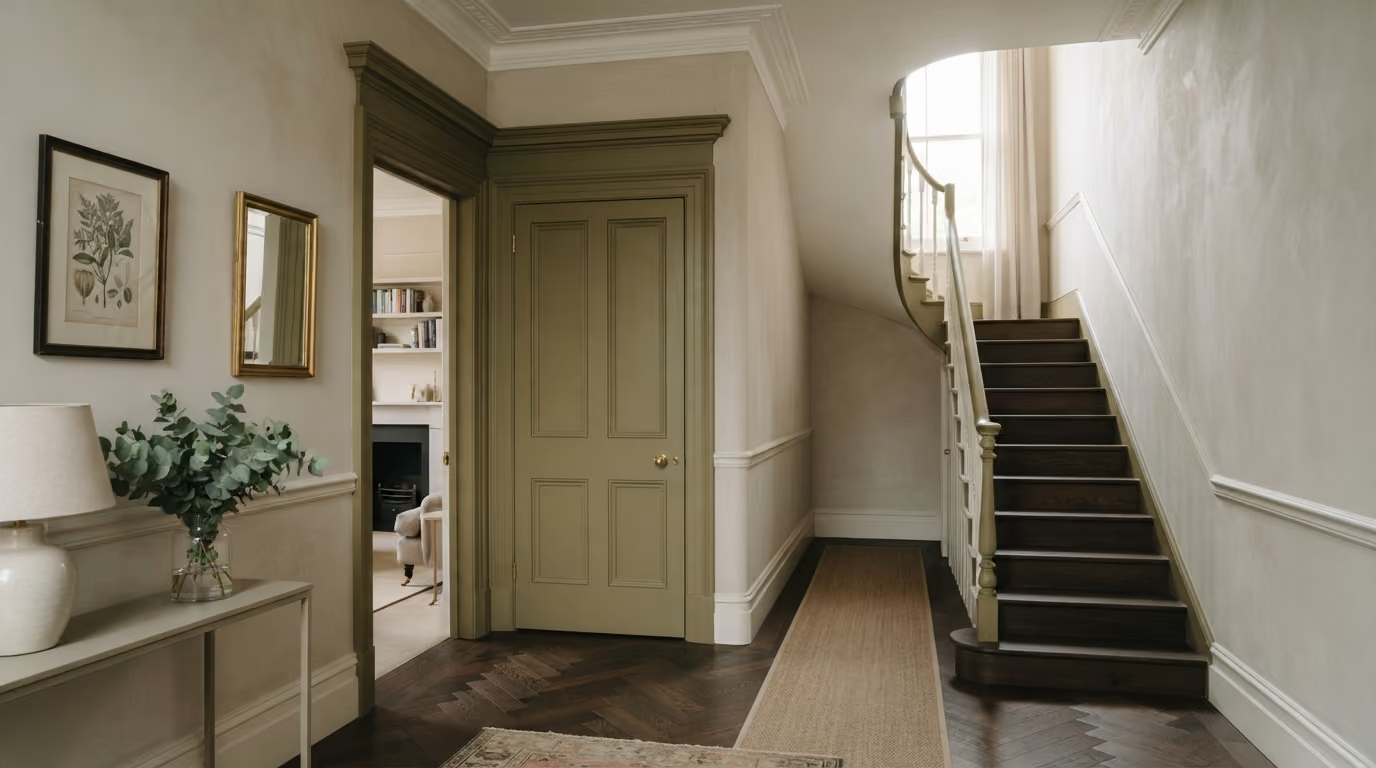
Hallways do more work than any other part of a home. They take bags, coats, shoes, and constant passing contact. In Kensington and Chelsea homes, hallways are often tall and narrow, with strong side light that shows scuffs and patchy touch ups. That is why the finish choice matters as much as the colour. This guide focuses on the two wall finishes we use on hallway walls, matt and soft sheen. You will see what each one is good at, where it can struggle, and how to choose based on your hallway and your lifestyle.
Paint finish refers to sheen, the amount of light the surface reflects. Higher sheen reflects more light and usually wipes more easily. Lower sheen reflects less light and hides wall texture better. Neither is automatically better. The goal is to balance three things.
In a Prime Central London hallway, lighting is often mixed. You may have daylight from a fanlight or stair window, then warm wall lights at night. This combination can make sheen show more than you expect, so picking the right finish at the start saves years of frustration.
Matt has very low sheen. It looks soft and refined, and it hides small wall texture better than a higher sheen finish. In period homes, this is often the most flattering choice, because plaster and old repairs can be slightly uneven even when they are well prepared.
Matt works best when:
The main trade off is cleaning. Matt can mark more easily, and hard scrubbing can leave visible patches. That does not mean matt is the wrong choice. It means the care approach should be gentle and the specification should suit the home. With the right product and good prep, matt can still be an excellent hallway finish in Kensington and Chelsea.
Soft sheen has a little more sheen than matt, but it still looks refined. It is often chosen for hallways that take more contact, because it tends to wipe more easily and holds up better where hands and shoulders brush the wall.
Soft sheen works best when:
The trade off is that soft sheen can show more wall texture than matt, especially in strong side light. This is not a problem when walls are prepared properly, but it does mean prep needs to be taken seriously. If the plaster has ripples, the sheen will highlight them. The solution is not to avoid soft sheen, it is to prep until the wall reads as a calm plane.
If you want a quick decision, these simple rules work well for most homes.
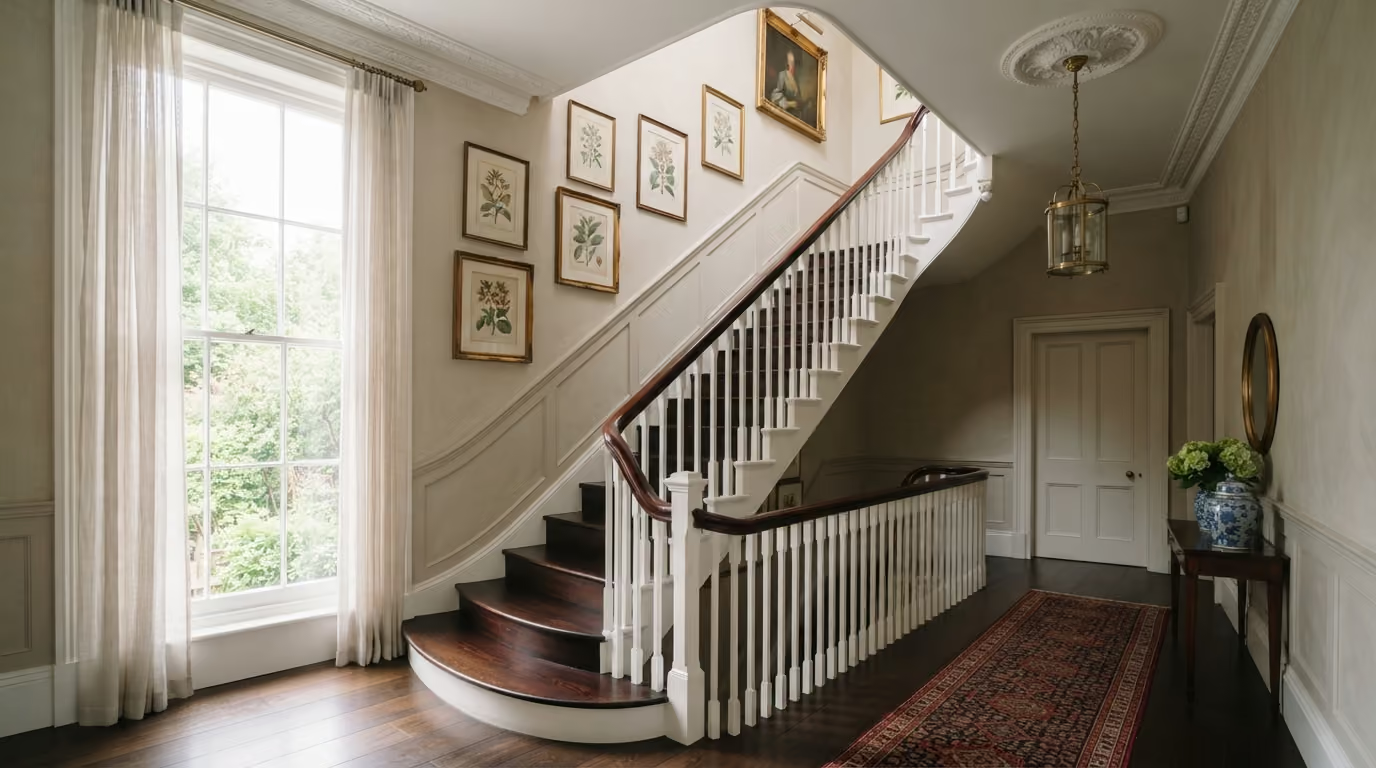
In many Kensington townhouses, we use matt on the main hall walls and soft sheen on stair walls and tight turns, where contact is higher. Keeping the colour the same means the hallway still reads as one space, while the most vulnerable parts get the tougher finish.
.avif)
Finish choices should always be checked in your own light. Kensington hallways often have a mix of daylight and warm wall lights. Both can change how sheen feels.
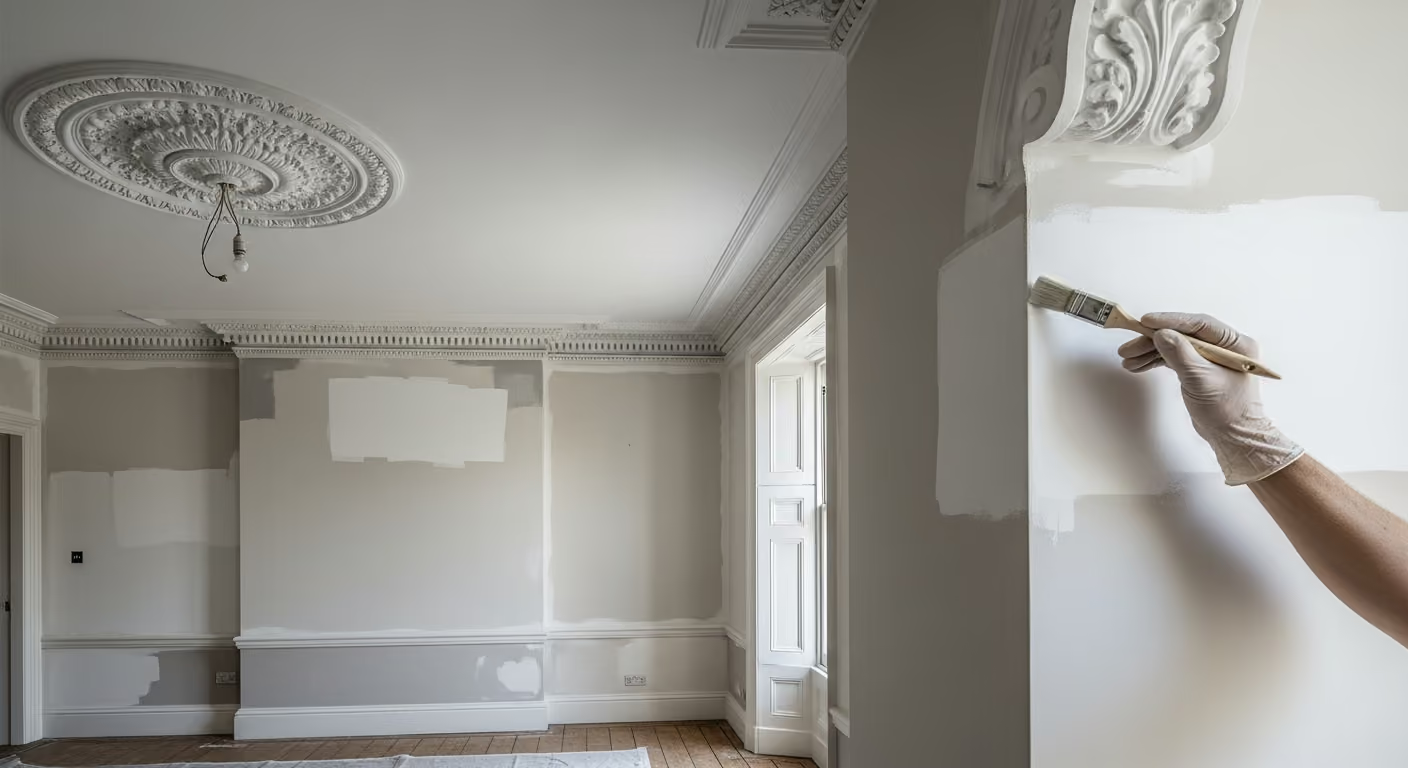
This is why we often test finishes as well as colours. A finish that looks perfect on a small card can feel different on your actual plaster, especially on stair walls where light grazes the surface.
Two hallways of the same size can wear very differently. These are the most common mark zones.
Once you identify your mark zones, you can choose the finish with confidence. If your hallway is calm and wide, matt may be perfect. If your hallway is narrow with stairs and constant passing contact, soft sheen often makes life easier.
Even the best paint will look average on a poorly prepared wall. In tall Kensington hallways, prep is where the project is won.
This step matters even more with soft sheen, because a little sheen will show unevenness. Matt hides more, but it still benefits from a flat base, especially around skirting and at ceiling lines.
Hallway walls are only one part of the scheme. Skirting, architraves, doors, and handrails take constant touch. These are usually finished in a different system to walls so they wipe clean and keep sharp lines.
We often use eggshell or satinwood on trim and doors, depending on the joinery and the level of traffic. This is separate from wall finishes. The key is that the wall finish stays either matt or soft sheen, and the trim finish is chosen to suit cleaning and durability.
.avif)
Colour and sheen work together. In Kensington and Chelsea hallways we often see soft, forgiving tones that stay calm even when the hallway is busy.
Very bright whites can feel cold in north facing halls. Very dark colours can show dust and scuffs more easily. A mid light neutral often gives the easiest long term result. If nearby rooms use Bauwerk limewash, we can match the paint tone so the home feels coherent as you move from room to room.
Most hallway paint problems come from cleaning that is too aggressive. Both matt and soft sheen prefer gentle care.
Soft sheen makes cleaning easier, but it still benefits from a light touch. Matt can handle light cleaning too, but repeated scrubbing is more likely to leave visible patches. If you know you will wipe often, that is a clear sign to choose soft sheen.
Is matt always wrong for hallways? No. Matt can be excellent in many Kensington homes, especially where you want the calmest look and do not wipe walls often.
Will soft sheen look shiny? It can look a little shinier under some wall lights. That is why sample patches are useful. In most homes it still reads as refined.
Can we mix matt and soft sheen in one hallway? Yes. We often use soft sheen in heavy contact zones and matt in calmer areas, keeping the same colour so it reads as one scheme.
Will touch ups show? Touch ups can show on any finish if the original coat has aged. The best way to avoid patchiness is good prep, correct application, and using the same product for future touch ups.
We work across Prime Central London, with frequent interior repaint projects in Kensington, Chelsea, Belgravia, Notting Hill, Knightsbridge, and Westminster. Hallways are one of the most common spaces we refresh, because the improvement is immediate and the right finish saves years of future touch ups.
Not sure if matt or soft sheen is best for your Kensington hallway? Share a few photos, note who uses the space day to day, and tell us how often you clean marks. We will reply with a clear recommendation for your walls and a separate plan for trim and doors. To begin, you can request a site visit and we will set a time that works for you.
Tell us a few details about your project and our team will review the enquiry and come back to you within one working day.