.avif)
Thinking about textile wallcoverings for a Kensington bedroom but not sure if they are right for your home? This guide explains where they work best, how we prepare walls so seams stay calm, and how they differ from fabric-backed vinyl and upholstered wall panels.
Short answer: Textile wallcoverings such as silk, linen, grasscloth, and other natural fibre products can make a Kensington bedroom feel warm and refined when the base is prepared well and the room suits the material. They need a smooth, stable wall, planned seams, and light daily care. Fabric-backed vinyl is a different, hospitality grade product, and upholstered wall panels sit closer to joinery than to wallpaper. For projects in Kensington, Chelsea, Belgravia, Knightsbridge, Notting Hill, and Westminster, see our wallpaper installation service.
Clients often say they want “fabric on the walls” for a bedroom, yet that phrase covers three very different trades. Textile wallcoverings are hung like wallpaper and give a soft, natural surface. Fabric-backed vinyl is a contract product used where high durability and cleanability matter. Upholstered wall panels are built up with padding and true fabric, closer to furniture making than paperhanging. This guide keeps the main focus on textile wallcoverings for Kensington bedrooms and explains where the other systems fit so your choices sound precise and professional.
When people ask about fabric on walls in Prime Central London homes, they usually mean one of these three systems.
For Kensington bedrooms, textile wallcoverings are usually the right place to start. They give texture and depth without the visual weight of full upholstery. We use the other two systems only where the brief and traffic level justify them.
Textile wallcoverings are at their best in calm, dry rooms where people move gently and stand close to the walls. Kensington and Chelsea bedrooms are ideal for this.
We avoid textile wallcoverings in spaces that see heavy moisture or repeated impact, such as near a busy children desk or inside a kitchen corridor. Painted finishes or standard wallpapers are more forgiving there. For a wider look at how we balance finishes across a home, visit our interior painting and decorating page.
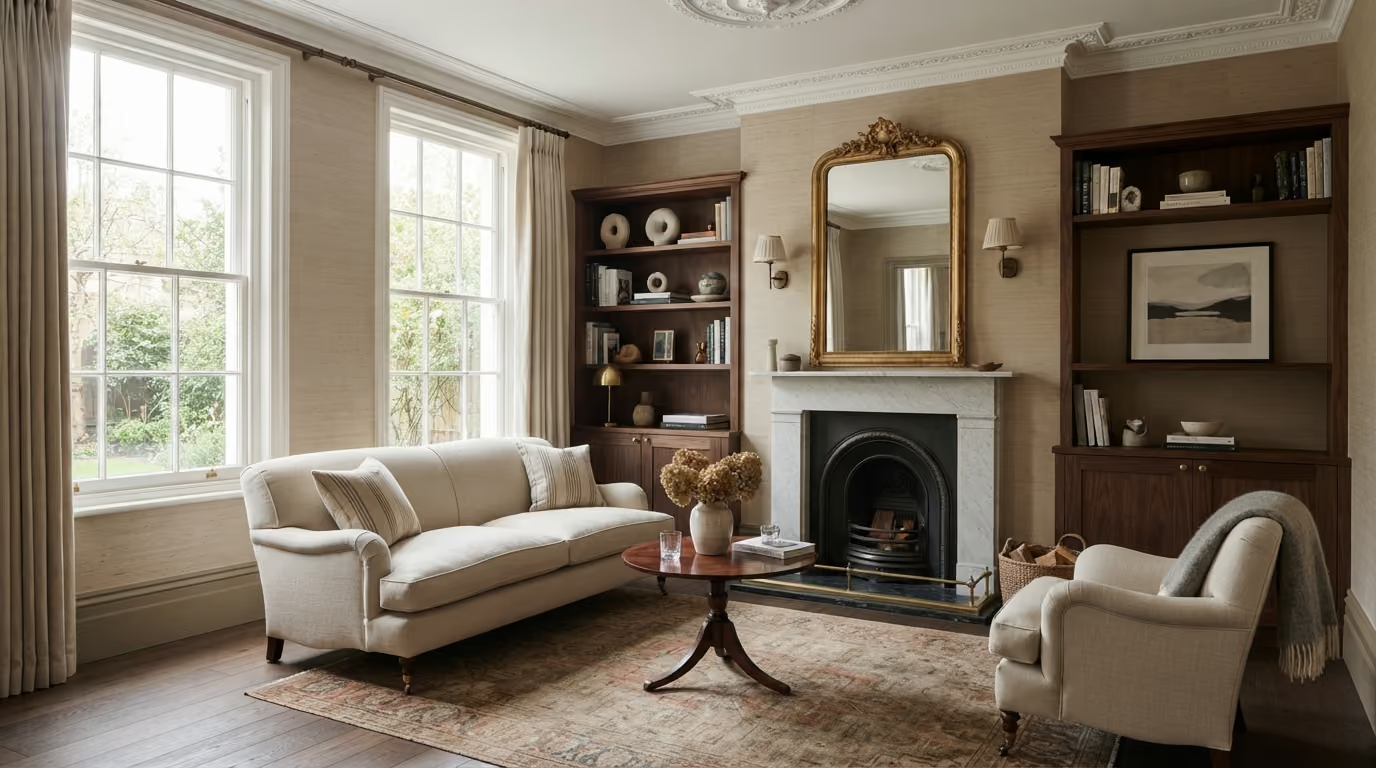
Before we talk about product choice, we read the room. Kensington and Chelsea bedrooms often have tall sash windows, cornices, and fitted wardrobes. Light may come strongly from one side only, which makes seams and surface movement more visible.
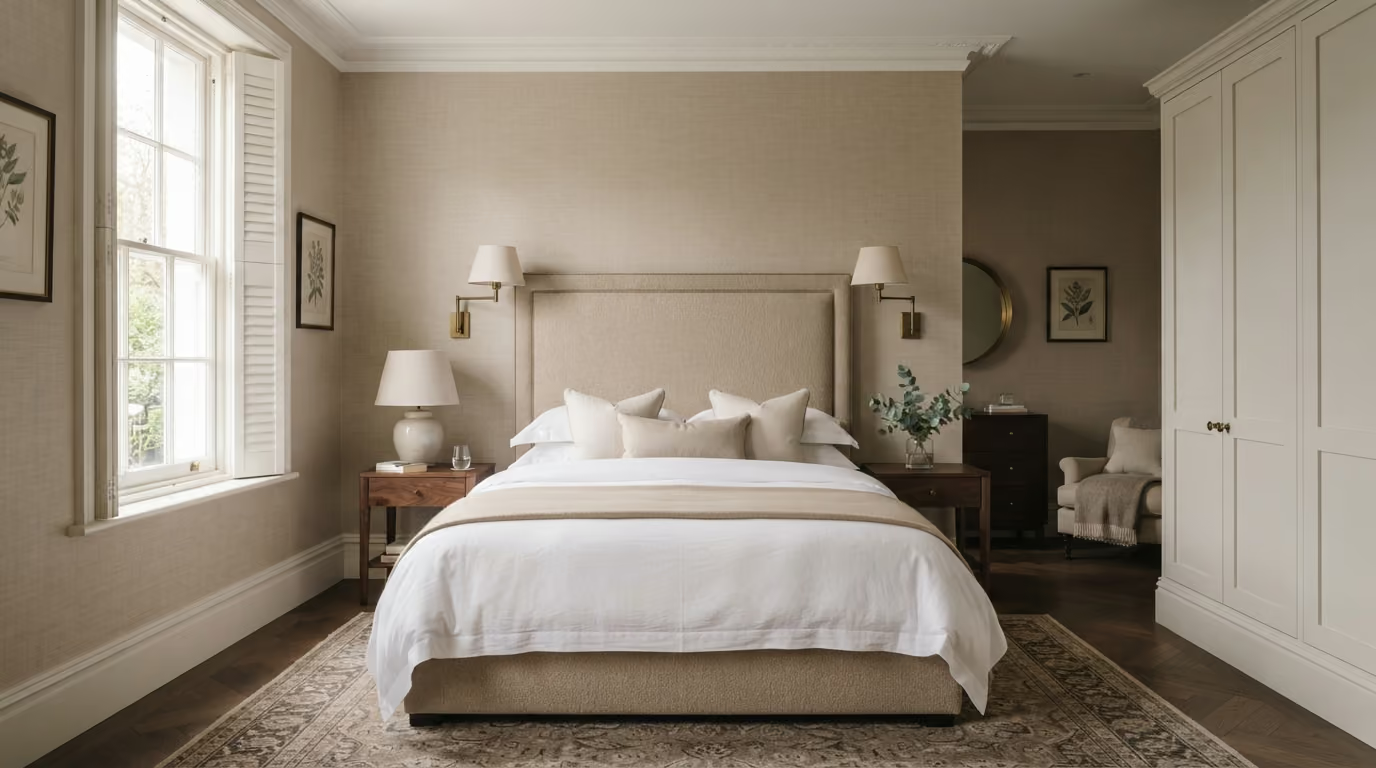
We note where you enter, where the bed sits, and which walls receive the strongest side light. The headboard wall is usually the best place for a full textile treatment. Walls that take hard raking light can still work, but they need a very smooth base and careful seam layout. Rooms in Belgravia and Knightsbridge that face quiet courtyards may have softer light that is kinder to texture.
Textile wallcoverings need a smooth, stable base. Telegraphing is the main risk. This is where old filler lines, paint edges, or skim ripples print through the new surface. The eye might not notice them in paint, but the textile will make them clearer.
We prepare the base in stages.
Only when the wall reads as a single, calm plane do we start hanging the textile. In some schemes, such as those shown in the West London period home project, this level of prep is what makes the final room feel effortless.
.avif)
Textile wallcoverings cover a family of products. Each behaves slightly differently.
Shade choice matters as much as fibre. Pale neutrals keep bedrooms feeling open and easy to live with. Mid tones in soft grey, stone, or clay bring hotel level calm. Deep shades work well on a single wall behind the bed in Belgravia and Knightsbridge homes where you want a cocooned feel without darkening the entire room.
With textile wallcoverings, seams are part of the story. The aim is not to pretend they do not exist, but to keep them even and quiet.
We plan seams by:
In a Notting Hill bedroom with strong morning sun, for example, we might bring seams away from the most exposed area and place them where light is softer. The wall then feels calm, even though the textile still shows its natural variation.
Textile wallcoverings need a gentler hand than printed paper. The face can crease, stain, or crush if tools are too hard.
Paste on the face is a common risk. We keep paste away from the visible surface and remove any small spots at once using the method the maker recommends. Many silk and linen products want dry dust only once they have cured, so the work must stay tidy from the first drop.
.avif)
One reason designers like textile wallcoverings in Kensington and Chelsea bedrooms is the way they change sound. Hard painted walls bounce sound. Textiles soften it. The room feels quieter and more settled, even if you still hear some city noise outside.
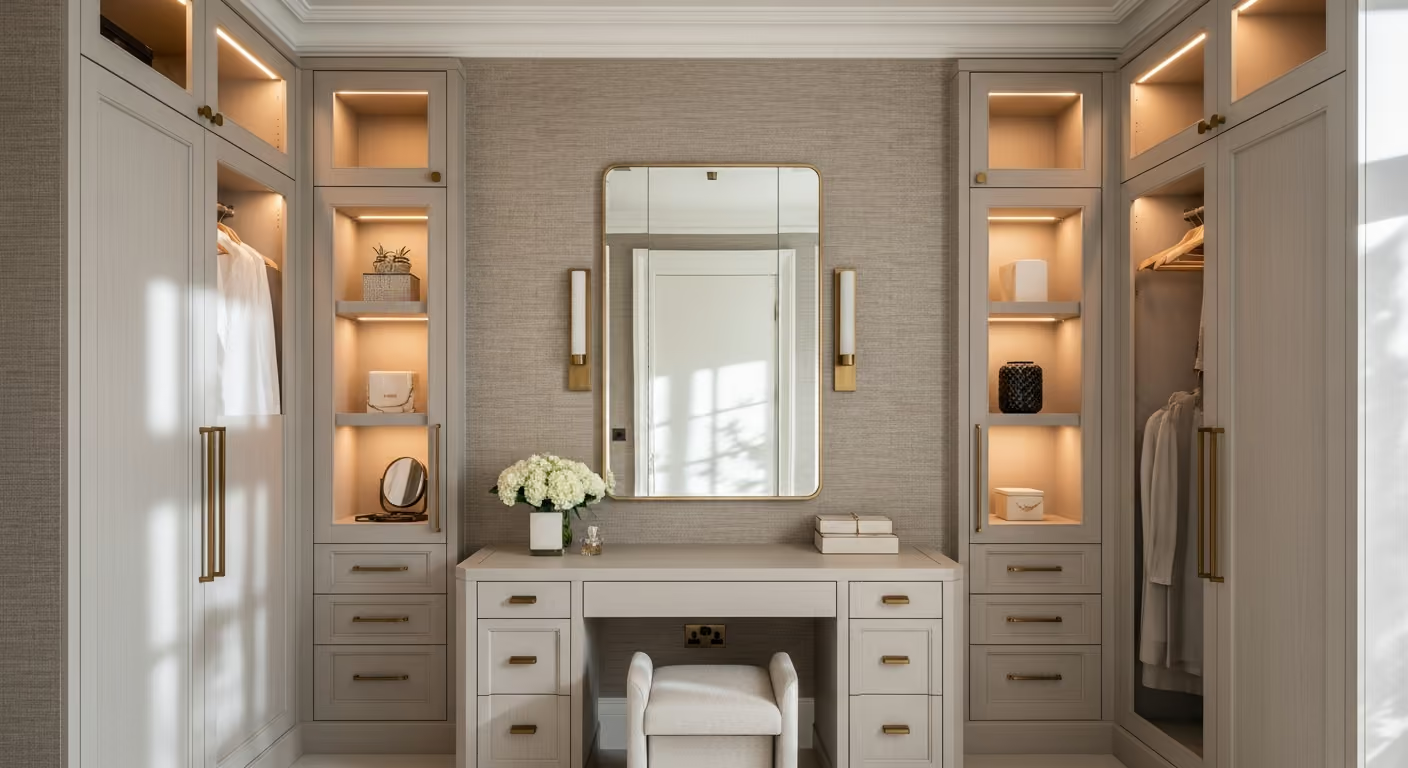
The touch is different too. When you brush a hand along a textile wall, the surface feels warmer and softer than paint. In a bedroom or dressing room, where people stand close to walls, that small change adds a lot of comfort.
Textile wallcoverings ask for light care, which fits well with calm bedroom use.
If a small mark appears, try a gentle dry method first. For delicate silk or suede effect textiles it is often safer to ask for help before you attempt cleaning. A short visit at the right time can prevent a visible patch.
Here are two simple layouts that work well in Prime Central London homes.
One Full headboard wall in textile, other walls in paint. The textile runs from skirting to ceiling behind the bed, with bedside lights and switches planned into the layout. The remaining walls use a calm paint tone from the same colour family. This keeps cost and care manageable while making the bed wall the clear focus.
Two Textile in framed panels behind the bed, painted walls above. In this plan we set textile into shallow panels with fine mouldings or a simple shadow gap. The upper wall stays painted or finished in limewash. This works very well in Belgravia and Westminster homes with taller ceilings, as it keeps the room light while still adding depth near the bed.
Fabric-backed vinyl is a different product from textile wallcoverings. It has a vinyl face laminated onto a textile backing. It is designed for heavy traffic areas such as hotel corridors, lift lobbies, and busy offices where walls need to wipe clean often.
In private homes in Kensington and Chelsea, fabric-backed vinyl appears more often in cinema rooms, children play spaces, or very busy circulation areas than in principal bedrooms. It is practical and tough, but it does not have the same natural fibre feel as linen or silk. When we specify it, we describe it clearly as fabric-backed vinyl so the scope reads accurately.
Upholstered wall panels involve true fabric stretched over padding or boards. They sit closer to joinery and soft furnishings than to wallpaper hanging.
These panels work well:
We often combine systems. A Kensington bedroom might use textile wallcoverings on the main walls, with a band of upholstered panels behind the bed. In that case we coordinate with the joinery and upholstery teams so seams and joints line up cleanly.
Cost for textile wallcoverings in Kensington and Chelsea varies, but a few steady drivers apply.
We start with photos and a short visit in Prime Central London so we can write a clear scope that reflects these points and keeps surprises low.
Ask yourself a few simple questions.
If you say yes to most of these, a textile wallcovering is likely a good fit for at least one wall.
We install textile wallcoverings across Prime Central London, with frequent projects in Kensington, Chelsea, Belgravia, Notting Hill, Knightsbridge, and Westminster. If you would like to know whether a specific bedroom suits this kind of finish, we can visit, read the light, and suggest a layout that makes the most of your space.
Ready to explore textile wallcoverings for your Kensington bedroom? Share a few photos, room sizes, and any samples you are considering. We will reply with a clear base plan, seam layout, and schedule. To begin, you can request a site visit and we will set a time that works for you.
Tell us a few details about your project and our team will review the enquiry and come back to you within one working day.